The artist says his first gallerist was his mother, a government employee who took her son’s paintings to sell at work. Lisson Gallery debuted Paula at its New York space in September with Infâncias Negras. The subject of the show was Afro-Brazilian childhood and centred on paintings depicting cultural memory. Community-making is integral to how Paula conducts his career, an ethos that underlies Sertão Negro, the school, studio, open kitchen, garden and residency programme he founded in the central Brazilian state of Goiás in 2021, which operates, Paula says, in the tradition of a quilombo – historic Afro-Brazilian settlements that resisted enslavement in Brazil. Audiences in São Paulo and New York also got a taste of that ethos – focusing on planting, food and community, and manifested in film screenings and clay and capoeira workshops. Sertão Negro itself was invited to take part in the Bienal de São Paulo and, in New York concurrent with Paula’s Lisson show, took over the Storefront for Art and Architecture, showcasing the history of quilombos alongside the Sertão’s work on biodiversity and supporting young artists.
Advertisement
Power 100
Most influential people in 2025 in the contemporary artworld
68
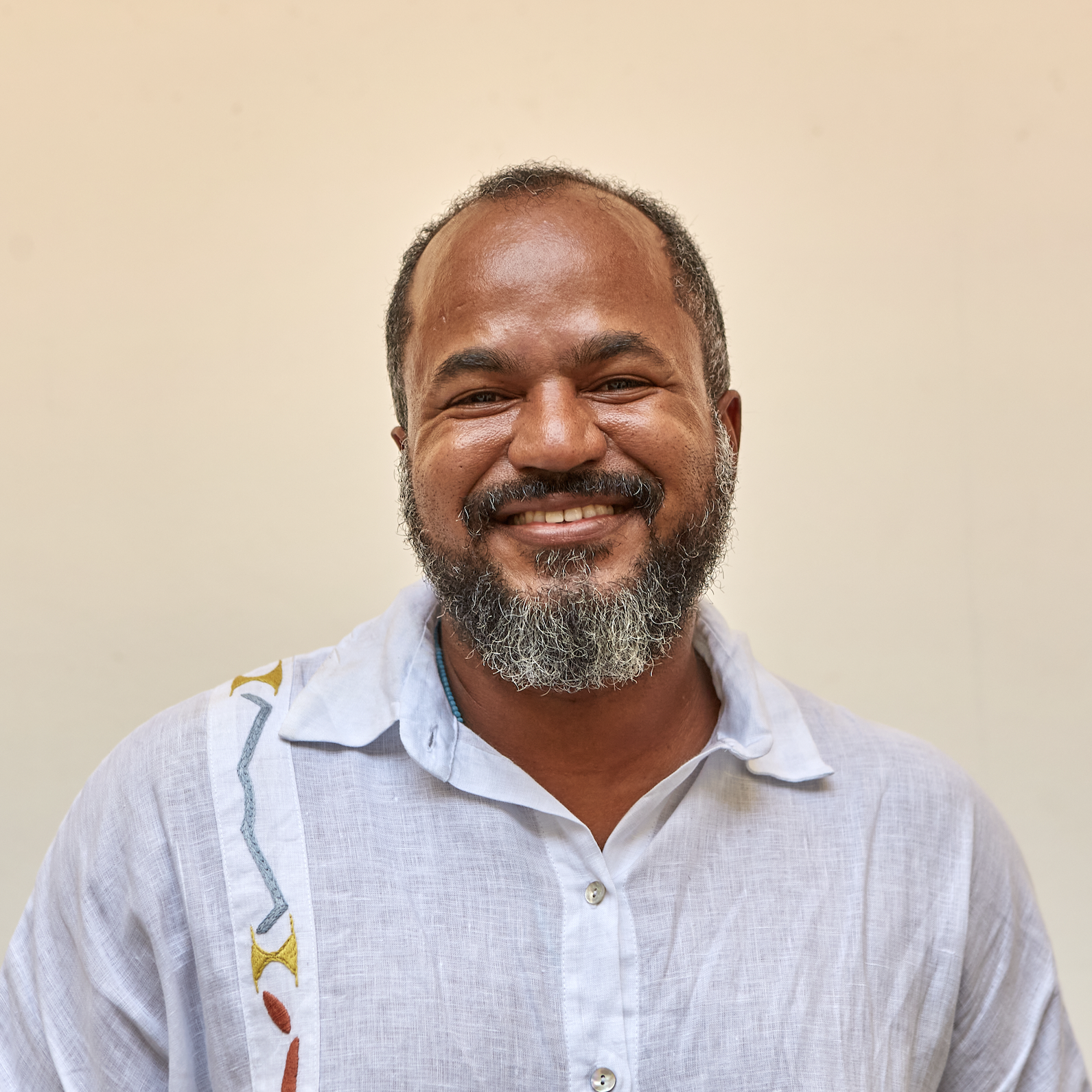
Dalton Paula
Artist - Committed to pedagogy and community building
68 in 2025
- 202568
- 202487
- 2023
- 2022
- 2021
- 2020
- 2019
- 2018
- 2017
- 2016
- 2015
- 2014
- 2013
- 2012
- 2011
- 2010
- 2009
- 2008
Related articles


Advertisement



Advertisement