A new show packages final farewells as mass entertainment. Is death just the latest data point in our relentless attention economy?
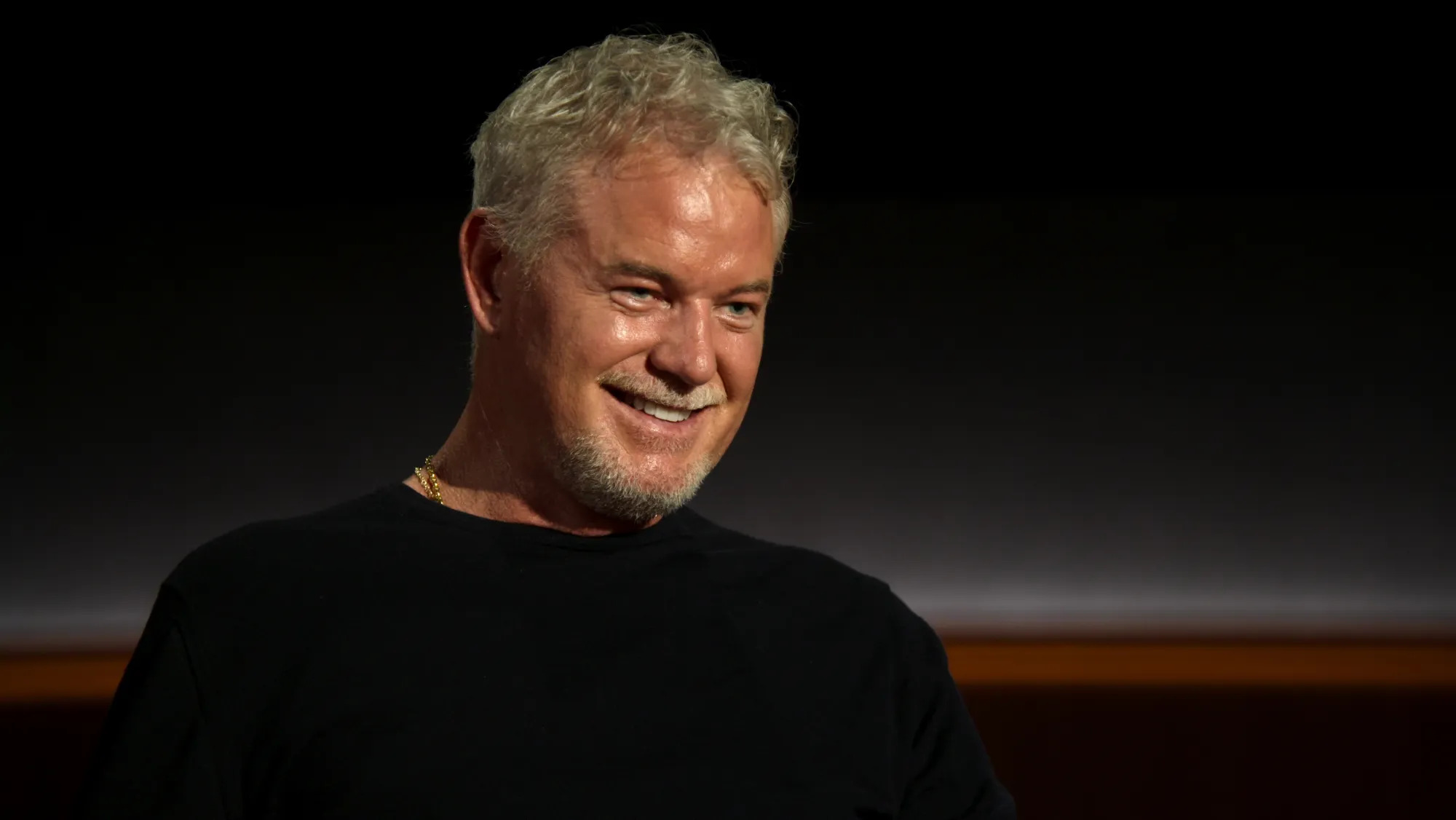
On Friday, Netflix released the second episode of its celebrity interview show, Famous Last Words, 20 weeks after the first episode aired on 3 October 2025. The long wait stems from the show’s central premise: the guest, interviewed by host Brad Falchuk (cocreator of American Horror Story, 2011–24, and Glee, 2009–15), speaks on the understanding that their episode will not air until their death. Over the course of the first 55-minute instalment, the late English primatologist Jane Goodall spoke on the importance of, and the threats to, humanity’s relationship with nature, imploring us: “Don’t lose hope… save what is still beautiful in this world”. This week, the American actor Eric Dane – famous for roles in Grey’s Anatomy (2005–) and Euphoria (2019–22), and who died 18 months after his amyotrophic lateral sclerosis (ALS) diagnosis – shared what Falchuck, dressed like an eager estate agent, describes as his “final message to the world”. In the episode’s closing passage, Dane turns to the camera and delivers that message to his daughters. It just so happens he’s also looking at us.
In 1967’s The Society of the Spectacle, Guy Debord famously defined the spectacle as ‘a social relation among people, mediated by images’. To that end, then, there’s a parasocial absurdity to Famous Last Words, employing spectacle to straddle the border of life and death. Does Famous Last Words, a format first produced on Danish TV and acquired by Netflix in 2024, evince a final act of egocentrism against the end of consciousness – or is it less sinister? The sentiment to consolidate the terms of one’s afterlife is well precedented – for as far as humans have stumbled and shat, we’ve told stories, maintained legacies, written wills and last testaments, committed ourselves to afterlives promised by our religious leaders. Dane’s interview comes across as both sincere and in parts incredibly moving: he speaks of his deteriorating ALS condition as “this thing [that] has made me a little bit softer, a little more open… All I’m left with is me.”
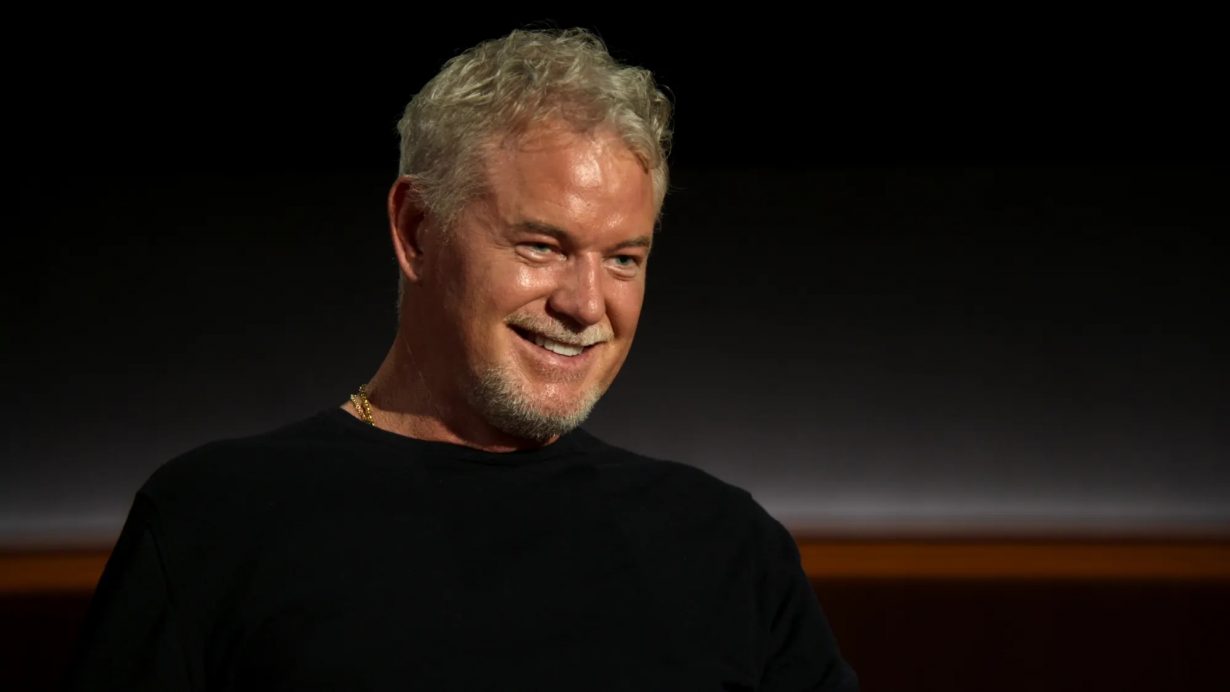
Packaging final farewells into mass entertainment, however, constitutes something more curious. The interview is staged for maximum dramatic effect: recorded in a darkened, strangely large studio with shadowy contours of curved edges filling the backfield, the spotlight is harsh, deepening the details of both Dane’s and Falchuk’s faces. The glint of the refraction in Dane’s water carafe, stationed on a side table to his left, recalls Salvator Mundi (c. 1499–1510). You can only wonder what the set-dressing discussions were. They probably won’t have included (though, inevitably, mine must) the image of Ed Atkins’s film The Worm (2021), in which a motion-capture avatar, suited, bespectacled, skin beaded in the limelight and seated in a leathery interview chair, performs a phone call between Atkins and his mother. Yet the similarities are striking. The Worm was in part inspired by the last TV interview with the television screenwriter Dennis Potter, recorded days before his death. Atkins’s Camus-like dialogue with his mother, absent but for the crackling telephone audio; his avatar’s uncanny gestures; the camerawork’s intrusive fixation on close shots of the mouth, the brow: all create distance between Atkins’s subject and observer. In doing so, The Worm undermines the core idea behind the interview format: getting to the truth.
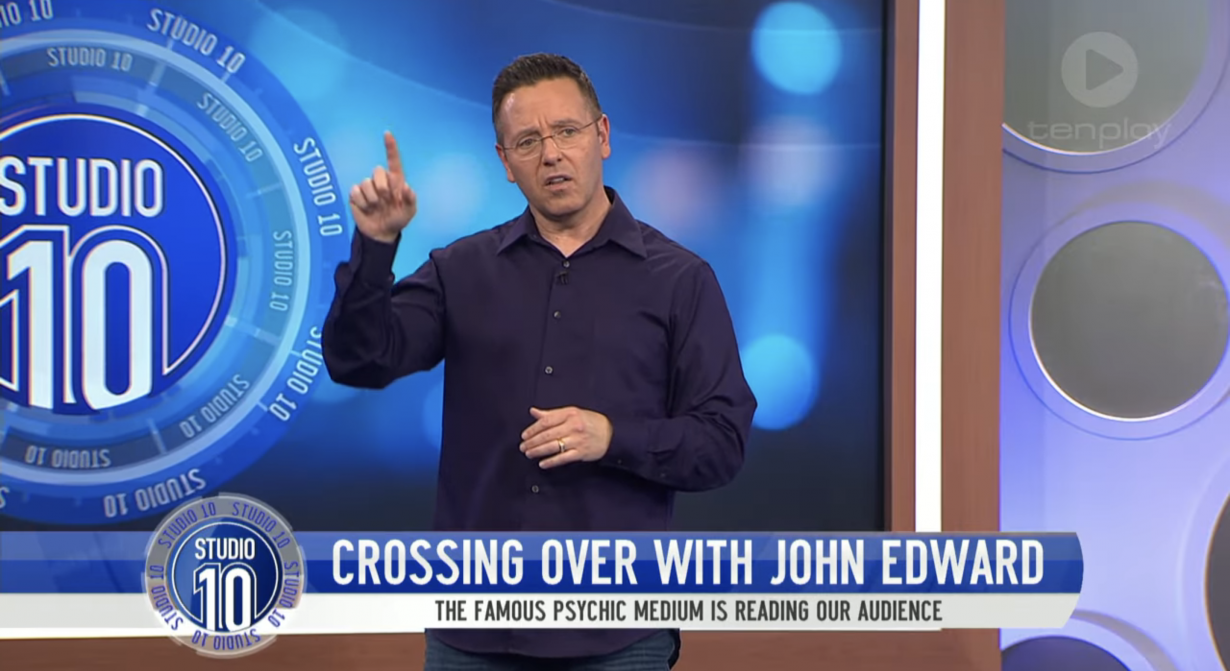
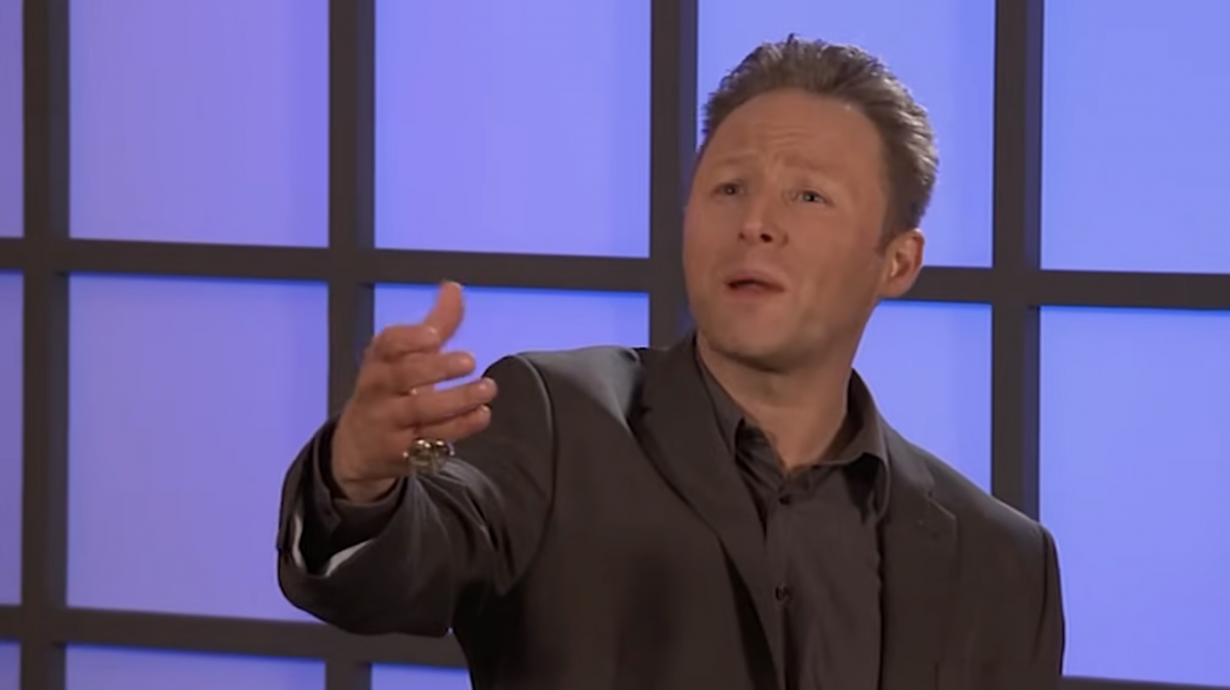
Remember that when watching Famous Last Words, a show engineered to engage – but not interrogate – the spectacle of death, of having died. We are served the recently deceased, as if reanimated in a dream, released at just the moment when the casual viewer (does Netflix have any other?) might want to know them better than they ever did. (The Eric Dane episode aired one day after his death.) The show’s existence is just an extension of precedent, though: reality television has long found an audience for a whole host (ha!) of psychic mediums, for example deep-channel daytime staple Crossing Over With John Edward (2000–04) – a genre sent up with aplomb in the Limmy Show’s ‘Paraside’ sketch. It’s hard to know whether anyone watched these shows because they believed there was an afterlife, or because they wanted to observe the ways in which others do.
Indeed, in the internet age, the average person’s awareness of and control over their afterlife image has grown exponentially. Everything on the internet lasts forever, goes the saying. Except now there’s an app for it. It’s all a bit David Cronenberg’s The Shrouds (2024), come to life, mining, as Cronenberg’s film did, the idea of finding solace in the management of your image after it is dislocated from your living body. But think also of the graveyard of social-media accounts, all the user metadata and behaviour profiles held by browser platforms and advertisers alike, like a snail trail across the internet. Famous Last Words, too, will go on broadcasting people at their most vulnerable even after they’re gone – their faces still functioning as data points, still driving subscriptions, occasionally obscured by a request to accept all cookies. Real bodies decompose or cremate; letters disintegrate. Perhaps we’re scared to confront death, but content enough to witness others try. Unless, of course, we actually find a way around death (which, if we’re being all posthumanist about it, our datapoints are already achieving for us!).
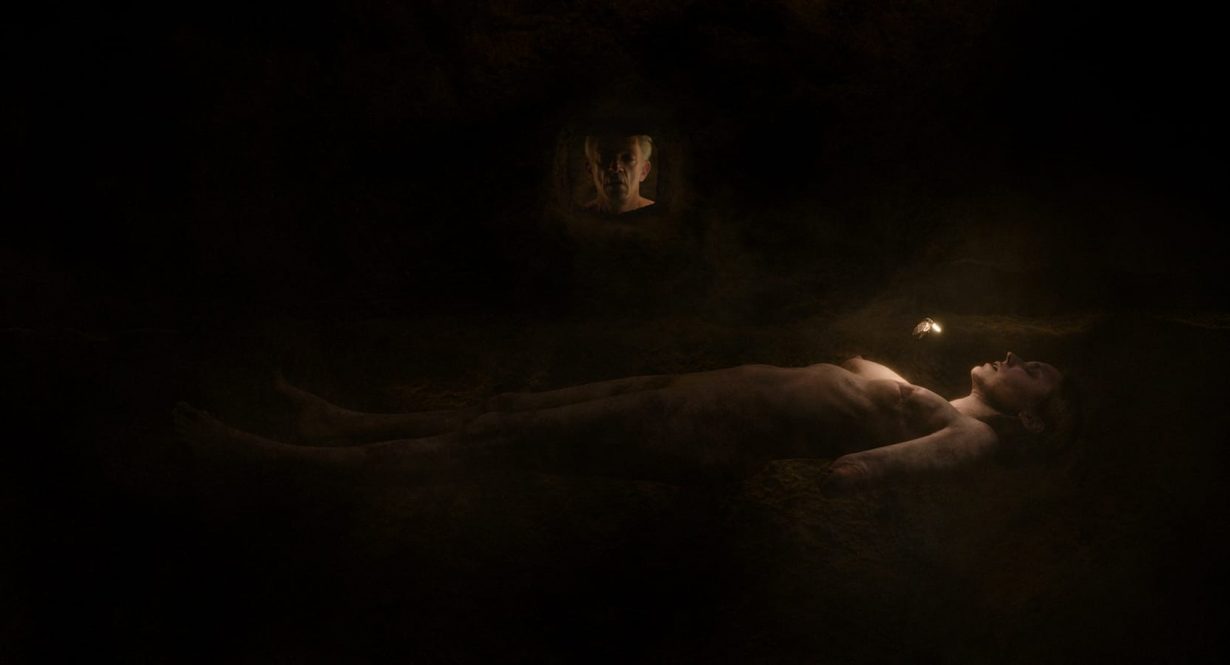
Beyond Cronenberg and Atkins, there’s something in Famous Last Words that almost shares the sentiment behind Nathan Fielder’s The Rehearsal (2022): to absurdly, impossibly resist the distress and disorder of life, and to enlist the production of spectacle as the preferred tool for doing so. Maybe it’ll soothe us for just long enough, like our stories, our legacies, our wills and testaments always have. After all, ‘the spectacle is the guardian of sleep’. That was Debord too…