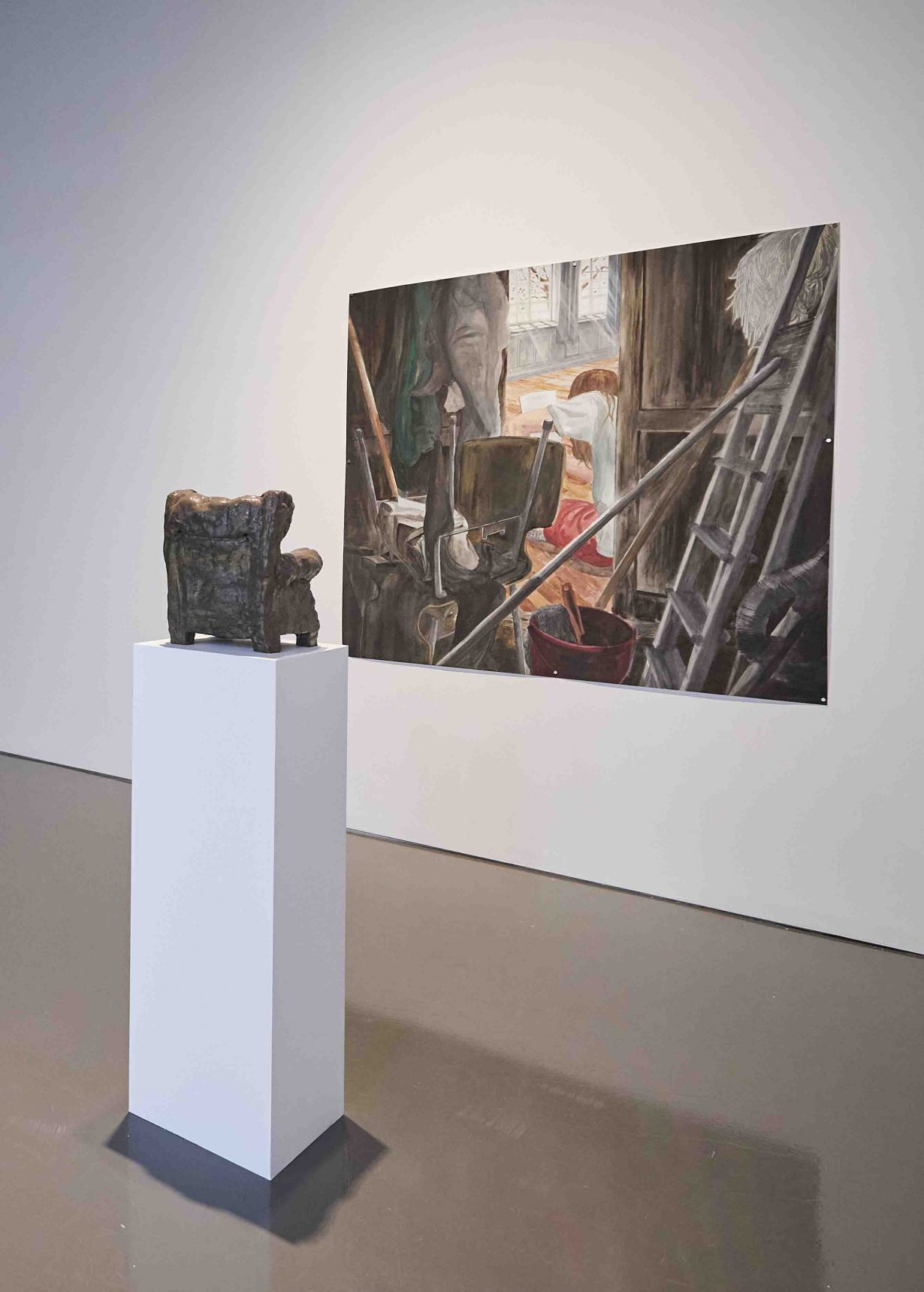
Peter Wächter, Untitled, 2017, ceramic, 37 × 35 × 35 cm (foreground); Rehearsal, 2020, watercolour, crayon, ink on paper, 137 × 140 cm (behind). Courtesy Galerie Lars Friedrich, Berlin
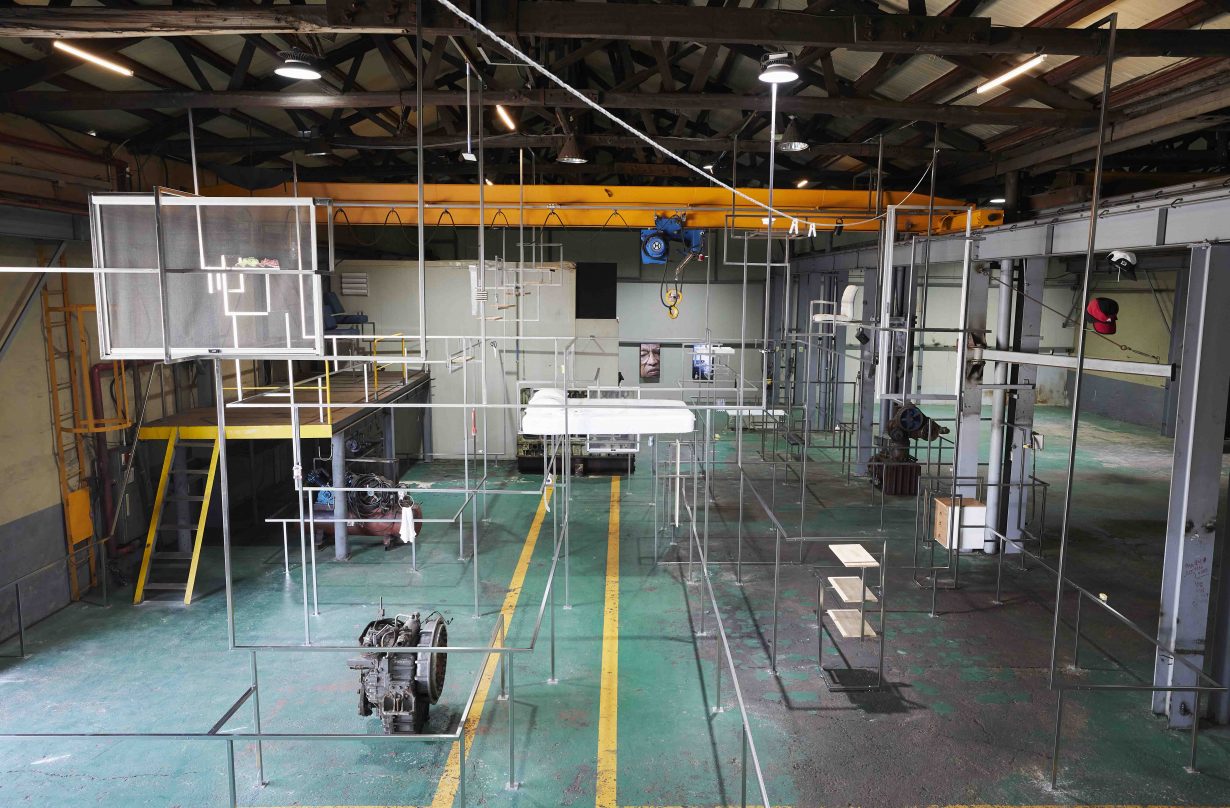
Lee Yona, En route home, 2020, stainless steel, objects, variable dimensions. Courtesy Busan Biennale
Directed by the Danish curator Jacob Fabricius (currently artistic director for Kunsthal Aarhus in his native land), who was appointed in July of last year, the exhibition takes as its generating concept the interpretation of works of art and their translation into another artform.
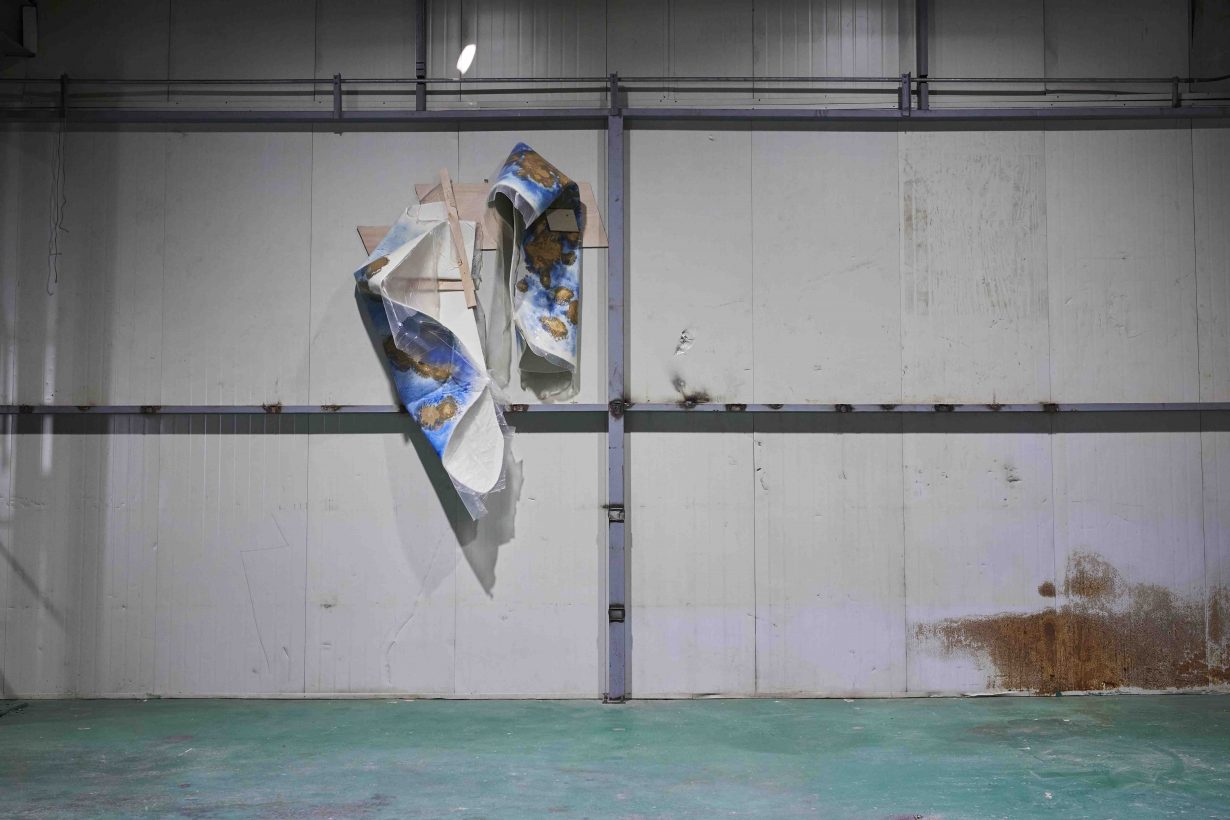
Peter Wächter, Double decker, 2020, plaster, wood, synthetics, art stone, electronics, ink, 107 x 150 x 45 cm. Courtesy Galerie Lars Friedrich
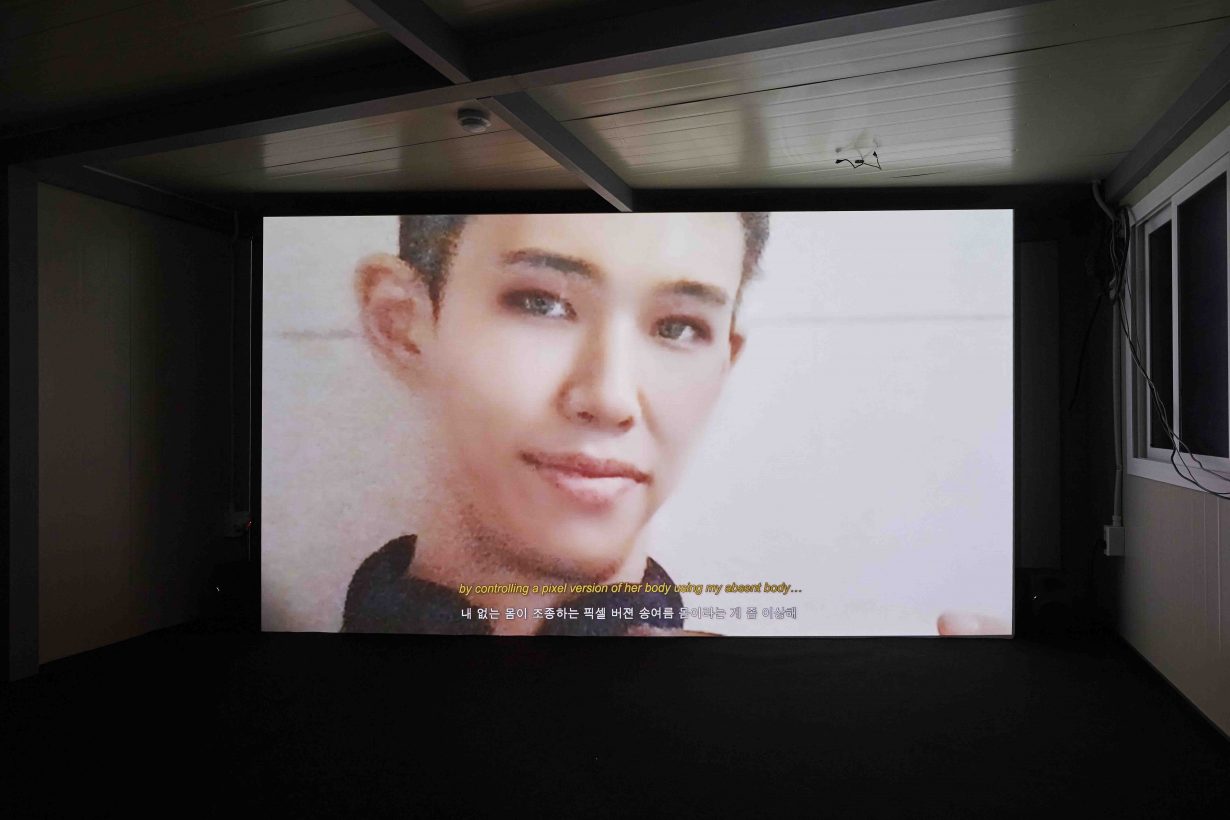
Kim Heecheon, Deep in the Forking Tanks, 2019, single channel video, colour, sound, 42 min
Eight Korean and three fiction writers from Denmark, Columbia and USA, representing different generations, genres and ways of writing, were invited to visit Busan in late 2019 and then commissioned to write stories or poems ‘around or about’ the city.
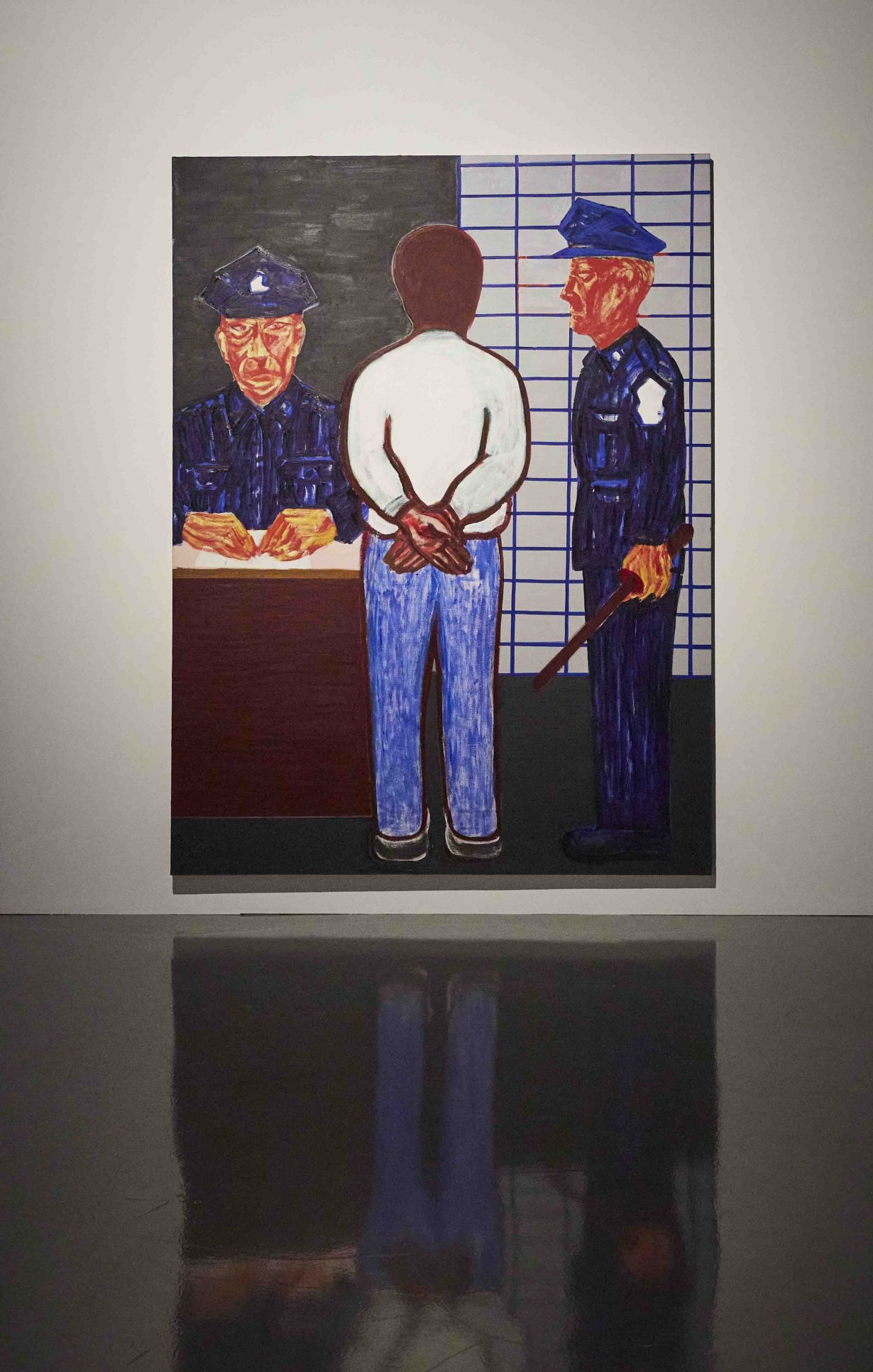
Such Yongsun, The Arrested Man, 2003, oil on canvas, 250 × 200 cm
The stories structure the exhibition’s ‘chapters’ and the poems provide ‘intermezzos’. Each of the 67 participating artists and 11 musicians (from around the world) was asked to create a work in response to one of the texts.
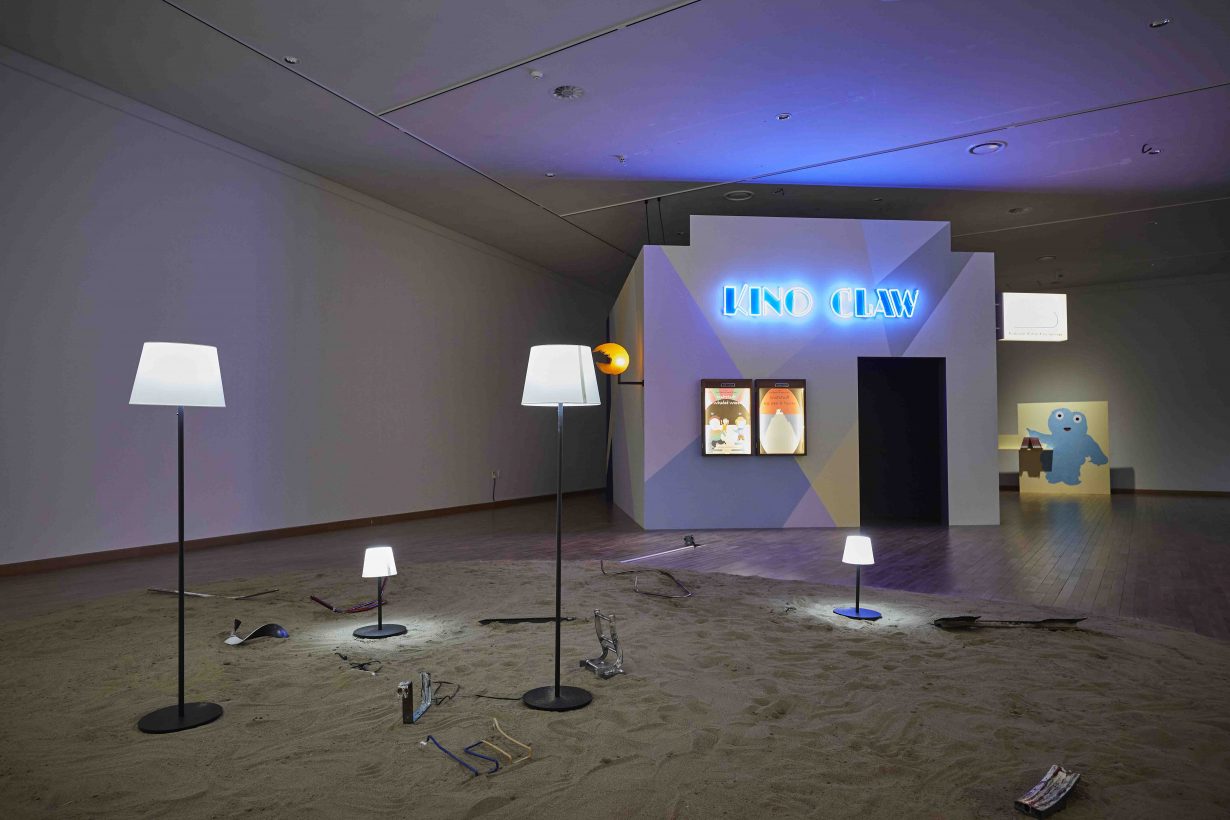
Josef Strau, I tried to make birds, 2020, sand, lampshade, paint on restored metal, A2 poster, variable dimensions. Courtesy Galerie Buchholz, Cologne (foreground); Jeuno Je Kim & Ewa Einhorn, Kino Claw, 2013, installation, 600 × 450 × 400 cm. Courtesy Malmö Konstmuseum (behind)
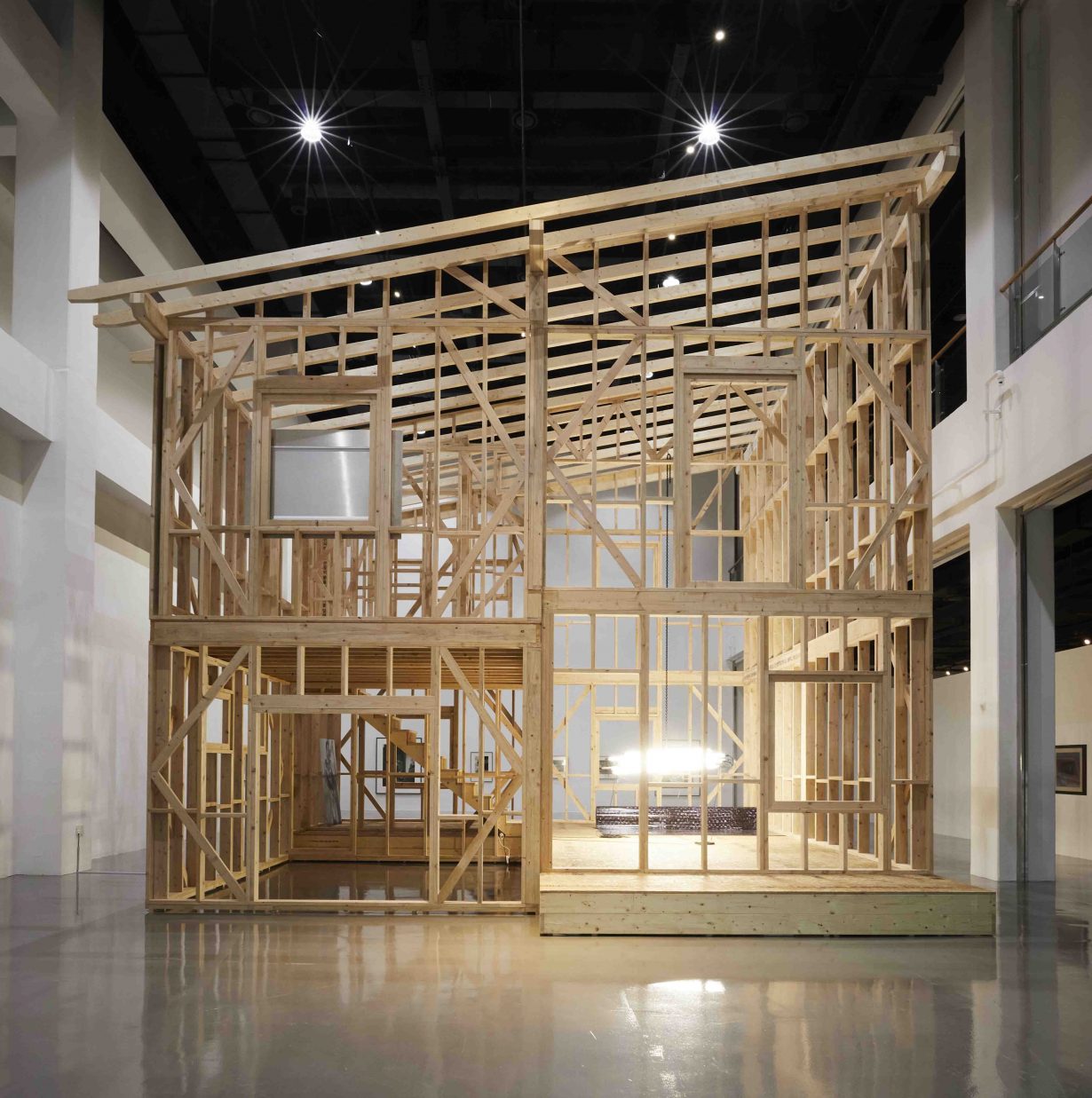
Monica Bonvicini, As Walls Keep Shifting, 2019, timber wood, screws, 868 × 828 × 870 cm Courtesy the artist
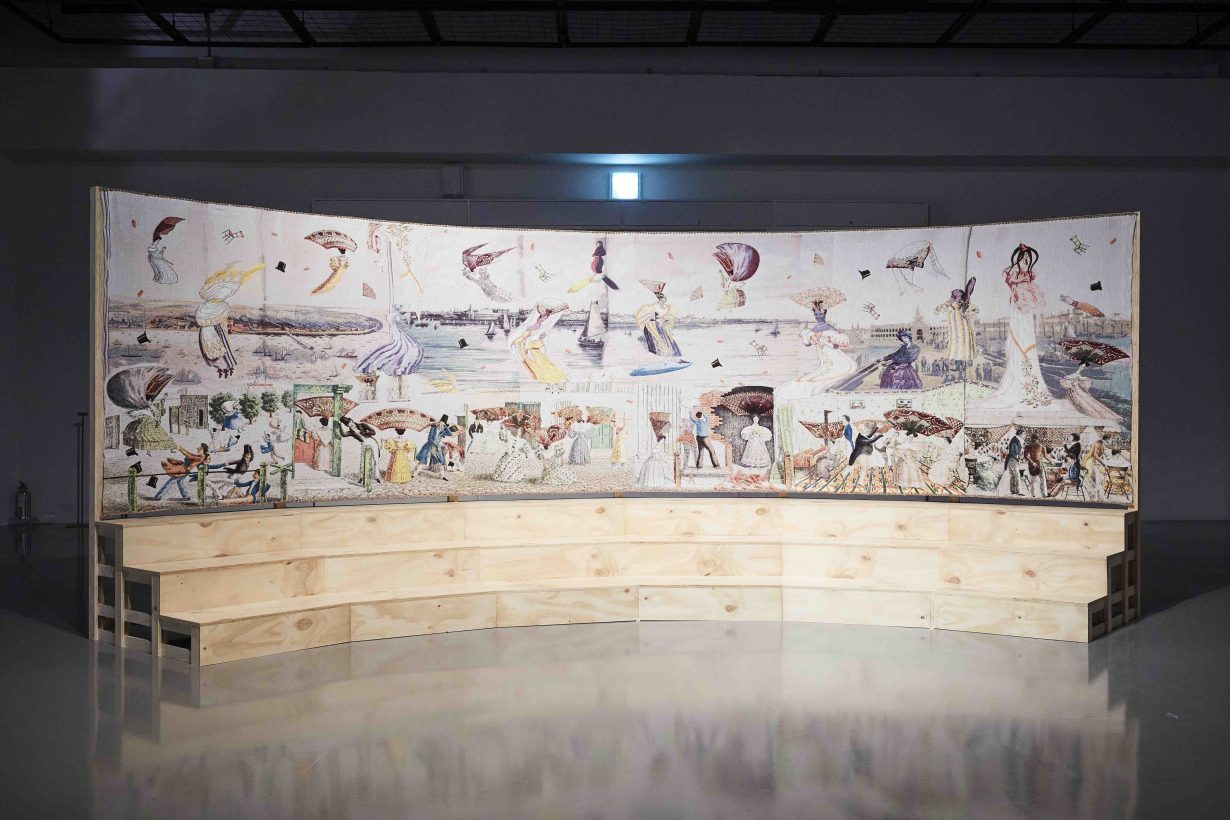
Mercedes Azpilicueta, Lady’s Dream or Stop Right There Gentlemen!, 2019, jacquard textile (wool and cotton), 157 × 600 cm. All images courtesy Busan Biennale unless otherwise stated
The artist’s paintings test and probe the thresholds (real and imagined) that shape the queer and migrant experience, holding and proposing unruly ideas
For the inaugural Manufactory x ArtReview Writer’s Residency, Aram Masharqa traces how transport, industry and migration have shaped one of London’s strangest districts.
‘Reflecting on the political situation in Indonesia today, we have come to the conclusion that we need to REST’, said representatives of the foundation
For the inaugural Manufactory x ArtReview Writer’s Residency, Hannah Pezzack listens to Park Royal’s hidden industrial rhythms and to a landscape in redevelopment