The global popularity of Chinese historical fantasy has brought forward a new era of female writers. How did this revolution start?
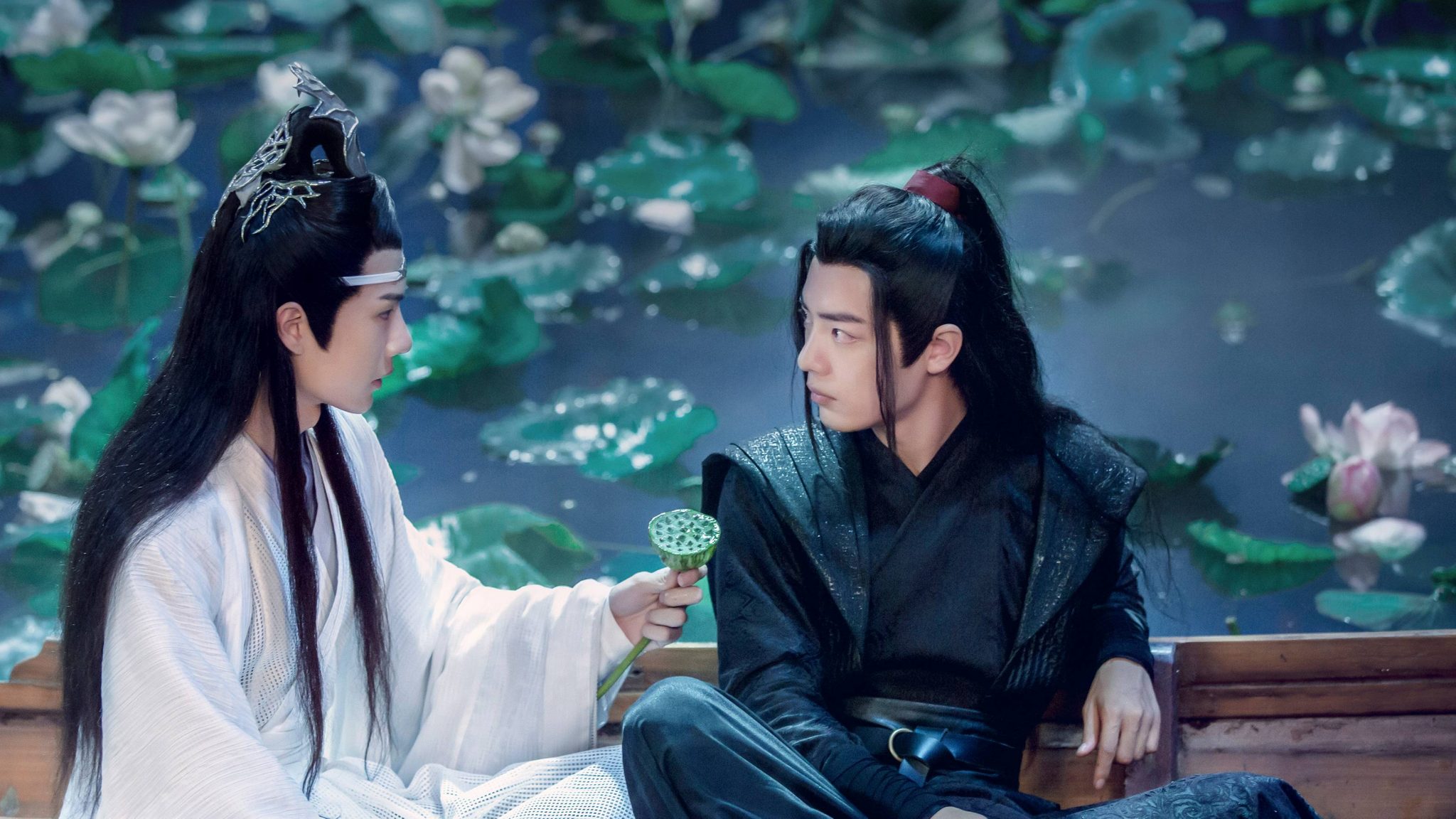
With swirling, supernatural sword fights, flying hair and flowing robes, rituals of resurrection and revenge, and two androgynous and romantically intertwined leading men, the Chinese historical fantasy television show The Untamed has, since its release in 2019, captured millions of international viewers, with ten billion views on Tencent alone during the first two years. Based on the 2016 novel Grandmaster of Demonic Cultivation, by female author Moxiang Tongxiu (MXTX), the story features warring Daoist magician clans battling supernatural threats to the human world. The popularity of the show opened doors for collaborations between Western and Chinese streaming platforms, as both realised the profitability of releasing Chinese dramas like Word of Honour (2021) and Love Between Fairy and Devil (2022) collaboratively, on platforms such as Netflix or Prime, and Tencent, IQiyi or Youku. Such successes may also have precipitated large Western publishing groups like Simon & Schuster in its recent acquisitions of contemporary Chinese fiction, while from 2021, manga and light-novel publisher Seven Seas started licensing several works by MXTX.
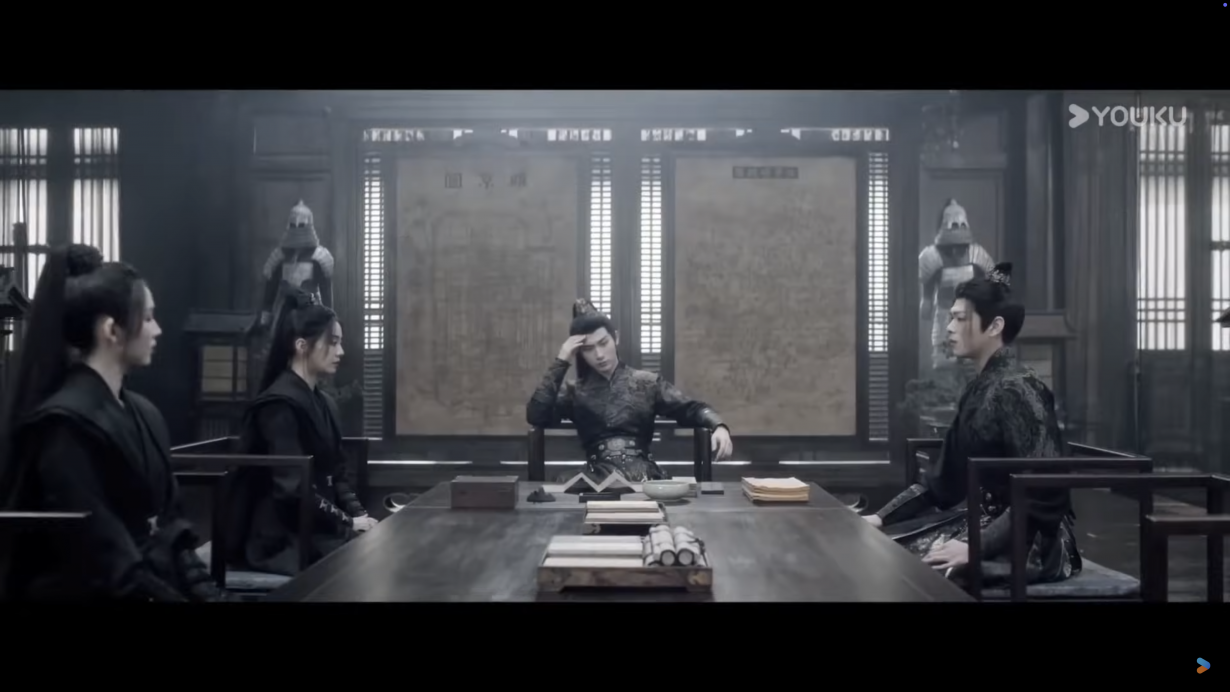
One acquisition that found a large audience on Netflix was Who Rules the World (Qie Shi Tianxia, 2022), adapted from the novel of the same name by Qing Ling Yue. Set in an alternative dynastic universe of competing nations, Who Rules the World revolves around a debate about power – who is worthy of wielding it and how it is wielded – that lies at the heart of traditional wuxia fiction, a genre that encapsulates many of these works of historical fantasy. Working within these parameters, Qing Ling Yue, like MXTX, represents a new generation of female wuxia writers, and disproves a popular conception among wuxia’s ‘old school fans’ that women only write romance, which, to them, is not ‘real’ wuxia.
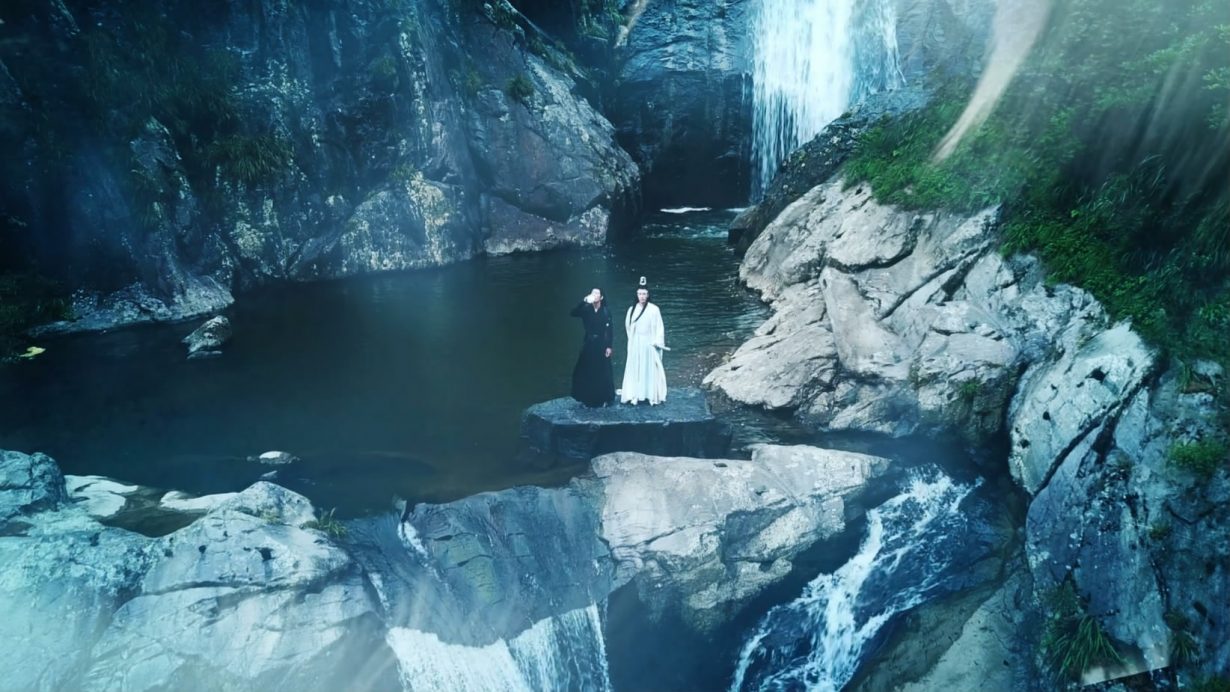
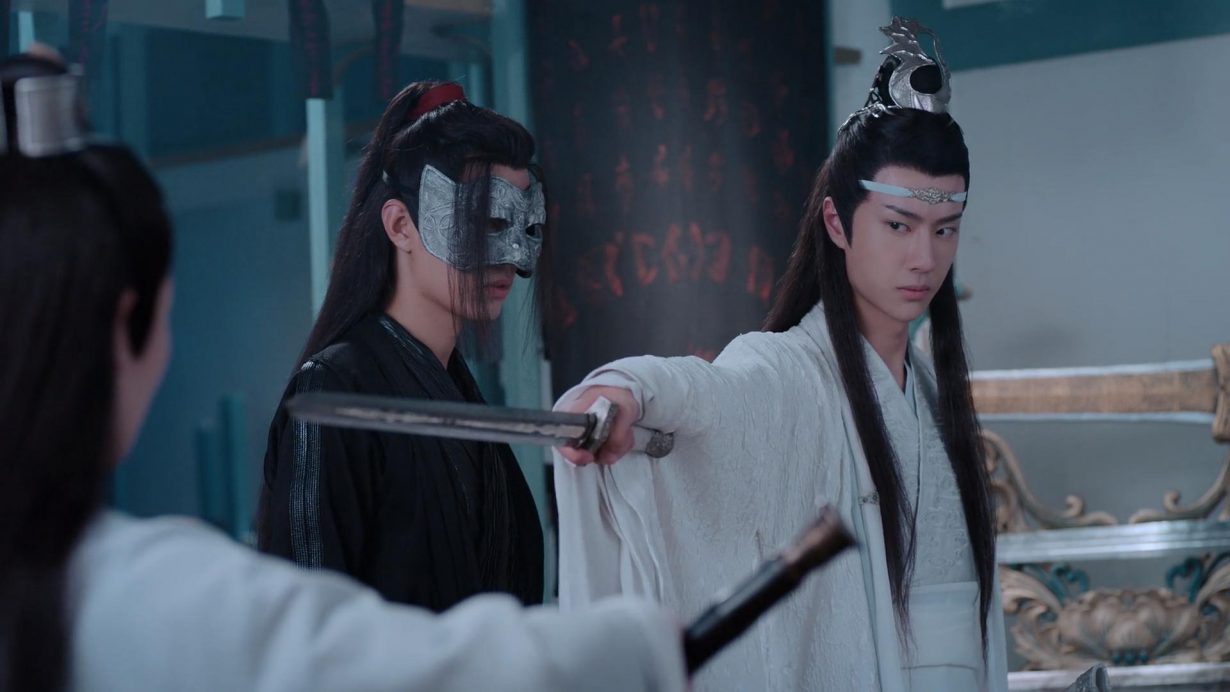
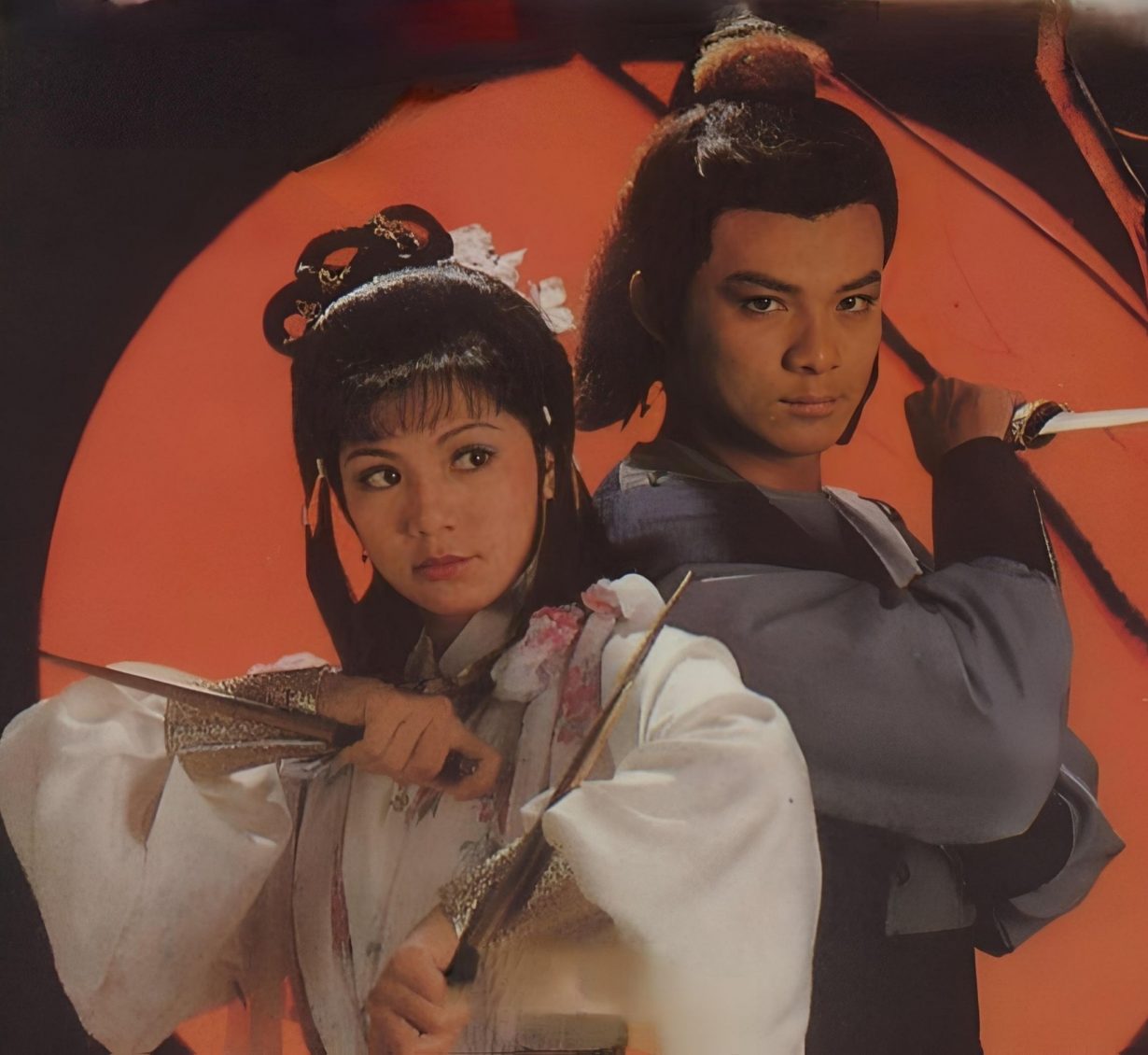
Wu-xia, literally meaning ‘martial arts’ and ‘chivalry’, is a genre of literature that emerged during the early twentieth century, often featuring gravity-defying fight scenes, myriad characters spanning the full range of the social fabric and tales of swashbuckling adventure, romance, treasure hunting, vengeance and quests, in what feels like a crossover between superheroes and Robin Hood and his Merry Men. In wuxia literature, the prevailing idea from fans is that the ‘proper stuff’ starts in the early twentieth century and stops in the 1970s, with authors such as Jin Yong and Gu Long (the first known for his Condor Trilogy, 1957–61, and the latter for his 1966 The Peerless Proud Twins). But the genre has never stopped evolving. The Untamed, for example, engages with some of the narrative conventions of wuxia – such as powerful competing clans, and the orphaned protagonist carving out their own path – while turning others on their heads, most evidently in the queer relationship between the two main characters.
The recently released TV drama Hidden Shadow (2025) is yet another branch of the tree. The novel on which it’s based, written by female author Tang Xiu, was first published in 2013, but its characterisation of ‘the female assassin’ harks all the way back to early prototypes of Xia literature – the chuanqi tales of the Tang dynasty. One of the best known of these is the ninthcentury story ‘Nie Yinniang’, the tale of a girl taken from her family at a young age and trained in the art of killing. But here at last, in Hidden Shadow, is a story about a female killer written by a woman. This wuxia fantasy follows a young woman in dynastic China who has a ‘second soul’ – that of a female assassin from a different era – living in her body. Having these two contrasting personalities – who come from different times and social backgrounds – the novel engages with issues such as domestic violence, abuse and tracking that have recently become far more visible in Chinese society, of which the victims have been disproportionately women.
It’s incredible to think how much of this new output is the product of China’s unique internet publishing industry, which, after two and a half decades of development, is now at an advanced stage, complete with IP management, dovetailing to media tie-ins. These platforms removed many of the barriers to publication that were part of the traditional publishing trade. They have enabled budding female writers to find the confidence in their works, while allowing those with other commitments the flexibility they needed: Qing Ling Yue originally trained as an accountant and still works at a small firm in her home region of Hunan, despite the success of Who Rules the World; MXTX graduated in economics while writing in her spare time, adopting a pen name meaning ‘fragrant ink and filthy money’ as a reminder of the very real need to financially support herself with her writing.
While these women have found success, it was their predecessors, the pioneering female novelists such as Chu Xidao, Cang Yue and Jiang Shengnan, who began writing and publishing online during the late 1990s, who brought fresh innovation to the genre and were key to the development of what came to be known as the Mainland New Wuxia Movement. Starting their careers during a period when popular awareness of feminism in China was just emerging, these writers grappled with a male-dominated genre and narrative conventions framed in patriarchal structures, peppered by stereotypical female characters, sexism and casual misogyny. Their struggles are reflected in the fate of their characters, struggling with failed relationships, ostracism and social isolation.
Today’s wuxia is not your grandfather’s wuxia, even though it builds on the legacies of those classic masters, whose works current writers grew up reading. Recent streaming examples – The Mysterious Lotus Casebook (2023), adapted from Teng Ping’s existentialist 2010 sleuth novel; Legend of Fei (2020 series) from Priest’s medieval epic (2015–16); Love and Redemption (2020) from Shisi Lang’s 2009 novel about a female god of war – show how much things have changed. To deny this generation of work as ‘not proper wuxia’ is denying the genre’s ability to develop and evolve. It’s time we joined our love of classic wuxia with the joy and excitement that contemporary storytelling gives us. The wider the field of writers, and heroes, the more creative and resilient these stories will be.
From the Autumn 2025 issue of ArtReview Asia – get your copy.
Read next Peng Zuqiang Is More Than Just Words