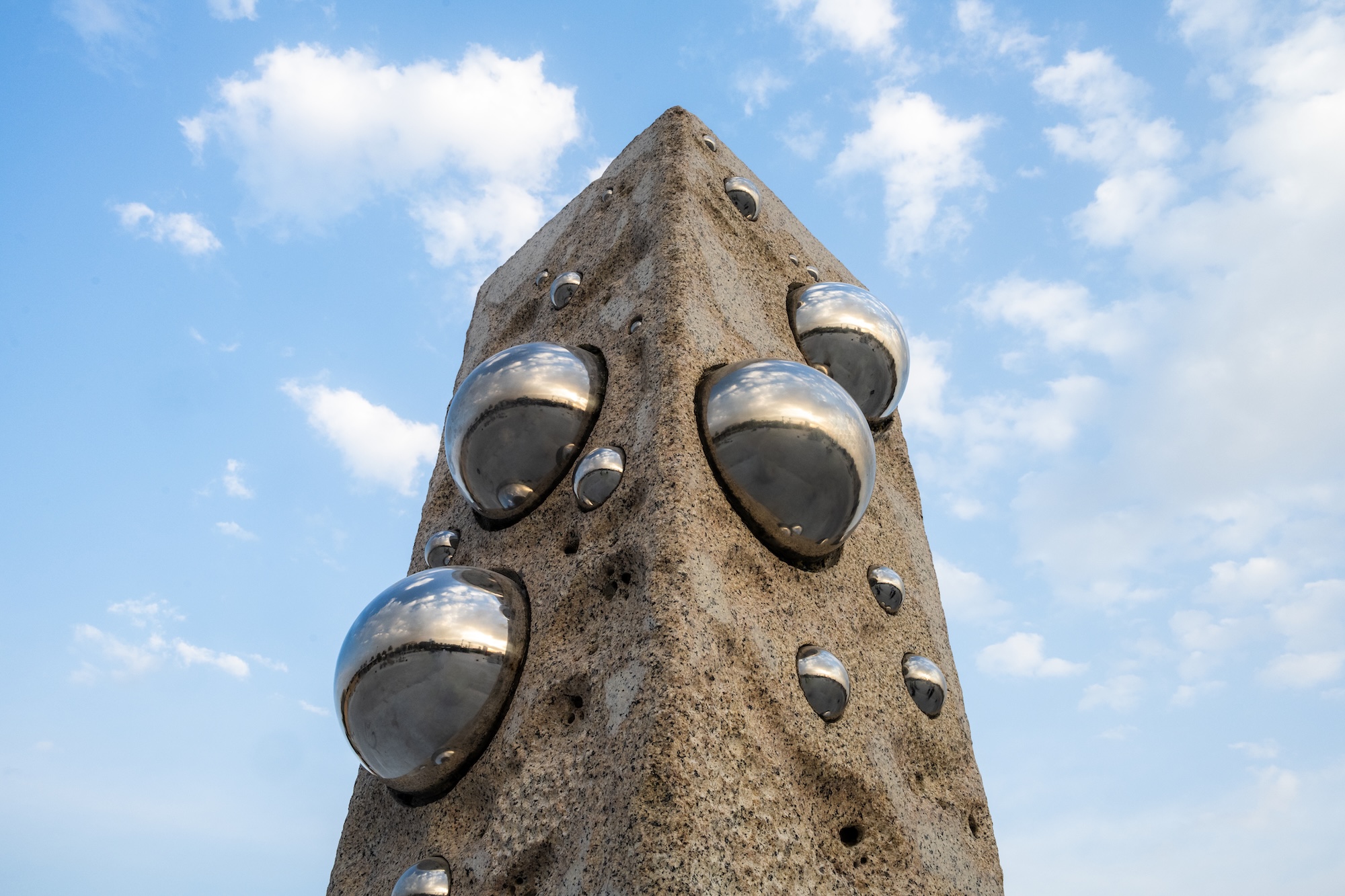
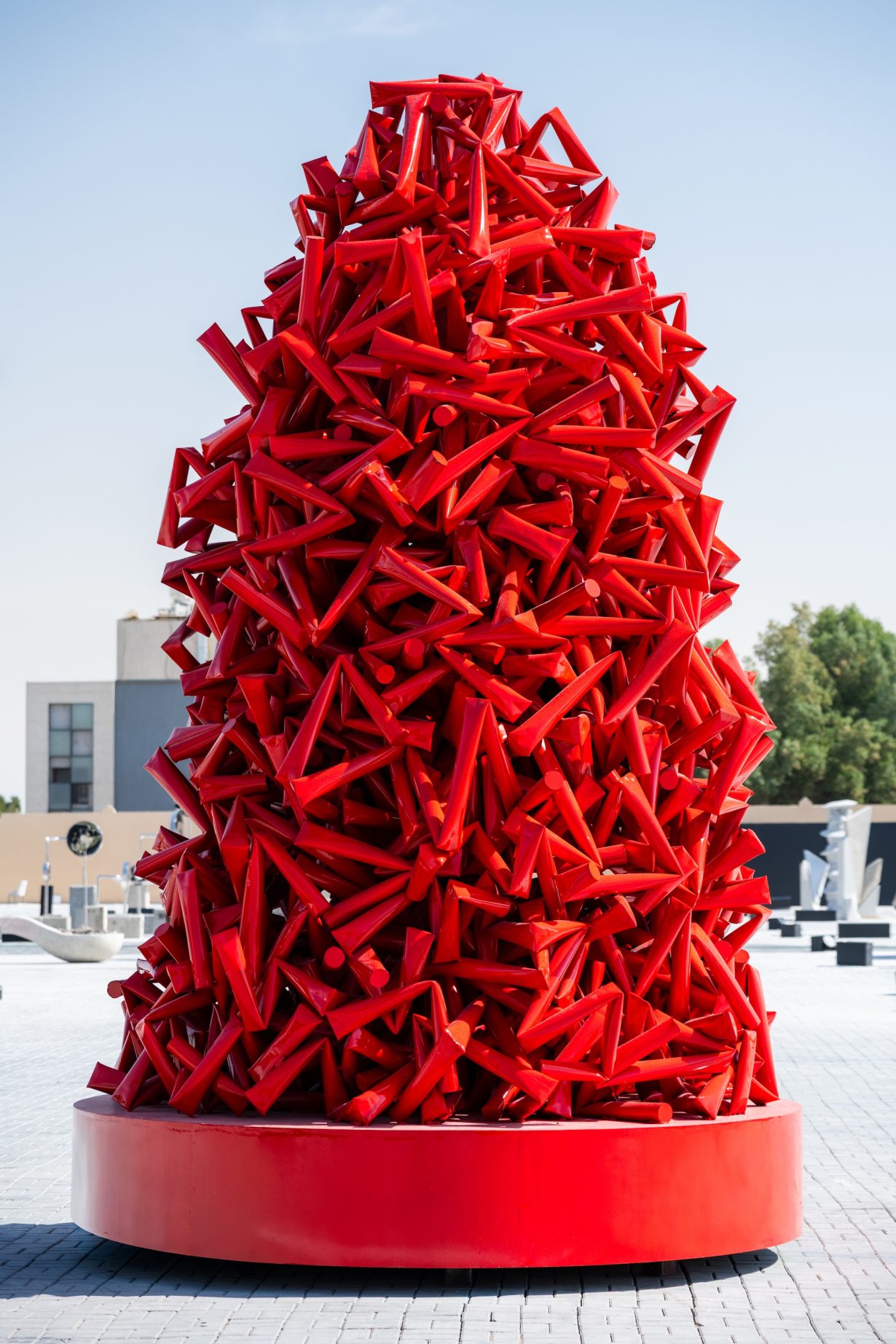
Tuwaiq Sculpture returns to Riyadh in 2026 for its seventh edition, bringing together 25 artists from 18 countries to create new large-scale public artworks through a live sculpting programme. Taking place from 12 January to 22 February on Tahlia Street (also known as Prince Mohammed bin Abdulaziz Street), the annual symposium invites the public to observe artists working on site as sculptures take form over several weeks.
Curated under the theme Traces of What Will Be, this year’s programme considers transformation as both a material process and a reflection of urban change. Artists work with locally sourced granite, reclaimed metal and stainless steel, foregrounding questions of making, sustainability and the ways human intervention leaves lasting marks on cities. Following the symposium, all completed works will enter the Riyadh Art permanent collection and be installed across the city, contributing to the evolving public art landscape of the Saudi capital.
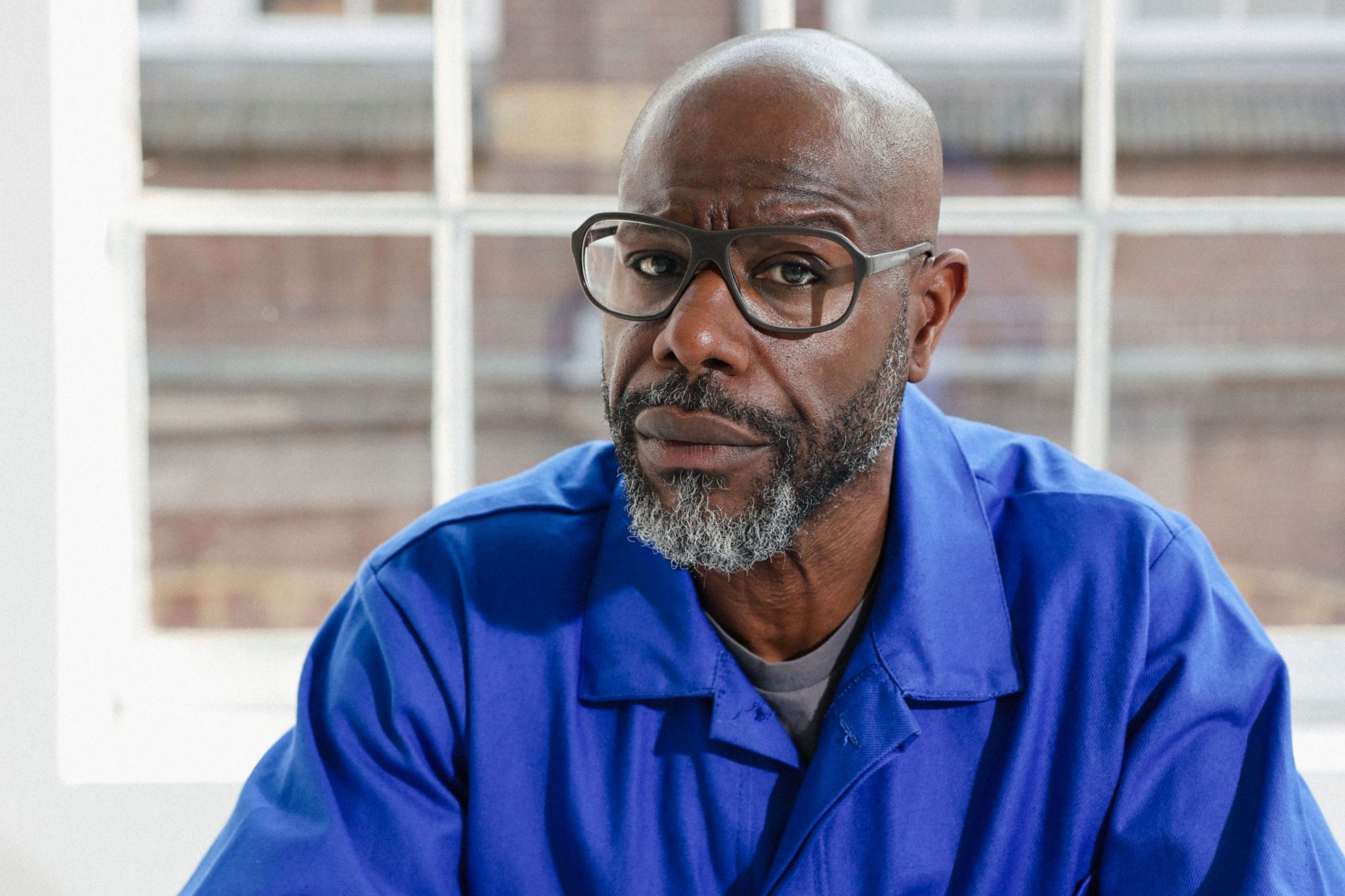
In the following interview, Sarah Alruwayti, Director of the Tuwaiq Symposium, discusses the thinking behind this year’s curatorial framework, the significance of live making as a public encounter, and how the programme contributes to Riyadh Art’s growing collection of permanent works across the city.
This year’s title of Tuwaiq Sculpture, Traces of What Will Be, suggests futures already forming in the present. What does this idea open up for you curatorially?
Curatorially, the theme shifts the focus away from finished statements and toward states of becoming: moments where decisions remain open and materials continue to respond. It allows sculpture to be understood as part of a continuum, shaped by time, environment and circumstance rather than fixed around a single meaning.
In this way, artworks are not endpoints, but moments within longer trajectories of making and encounter. That perspective opens up different rhythms of production and reception. They encourage us to think about the future not as something separate from the present, but as something already unfolding through it.
What kinds of futures are you interested in imagining?
I’m interested in futures that speak from a local context while remaining open to reinterpretation over time. For Tuwaiq Sculpture, artists from all over the world come to Riyadh to work with local materials that carry history and weight. Once installed in the city, these artworks begin to gather new layers of meaning, shaped by the perspectives the artists bring, and later by the ways people encounter them in daily life. In that sense, the future of each work remains open, ready to be continually re-seen and re-understood as time unfolds.
Why is process so central to Tuwaiq Sculpture?
Process is central to Tuwaiq Sculpture because the work unfolds in direct dialogue with the city and its residents. The time artists spend on site functions as a residency, allowing work to develop through sustained engagement with the city. Making in the public realm is central to the programme: it creates a platform for artistic process and craftsmanship, celebrating the skill and tenacity required to produce large-scale sculpture. The physical effort is visible. It’s dusty, demanding and real.
This openness helps break down barriers between sculpture and new audiences, particularly younger visitors. By bringing both the making and the finished works into public space, the programme shows that art is not hidden behind museum walls, but created through labour, persistence and time – in full view of the city.
What changes when the making of sculpture becomes a public act rather than a private one?
When sculpture is made in public, the work becomes porous. Artists are no longer operating behind closed doors; they are working in relation to their surroundings and to the people who visit them. This visibility introduces a different pace and awareness. Decisions are made in real time, and the process becomes something that can be observed and shared.
This openness adds another layer, allowing sculpture to be understood not only as a finished form, but as a sequence of actions shaped by place, conversation and encounter.
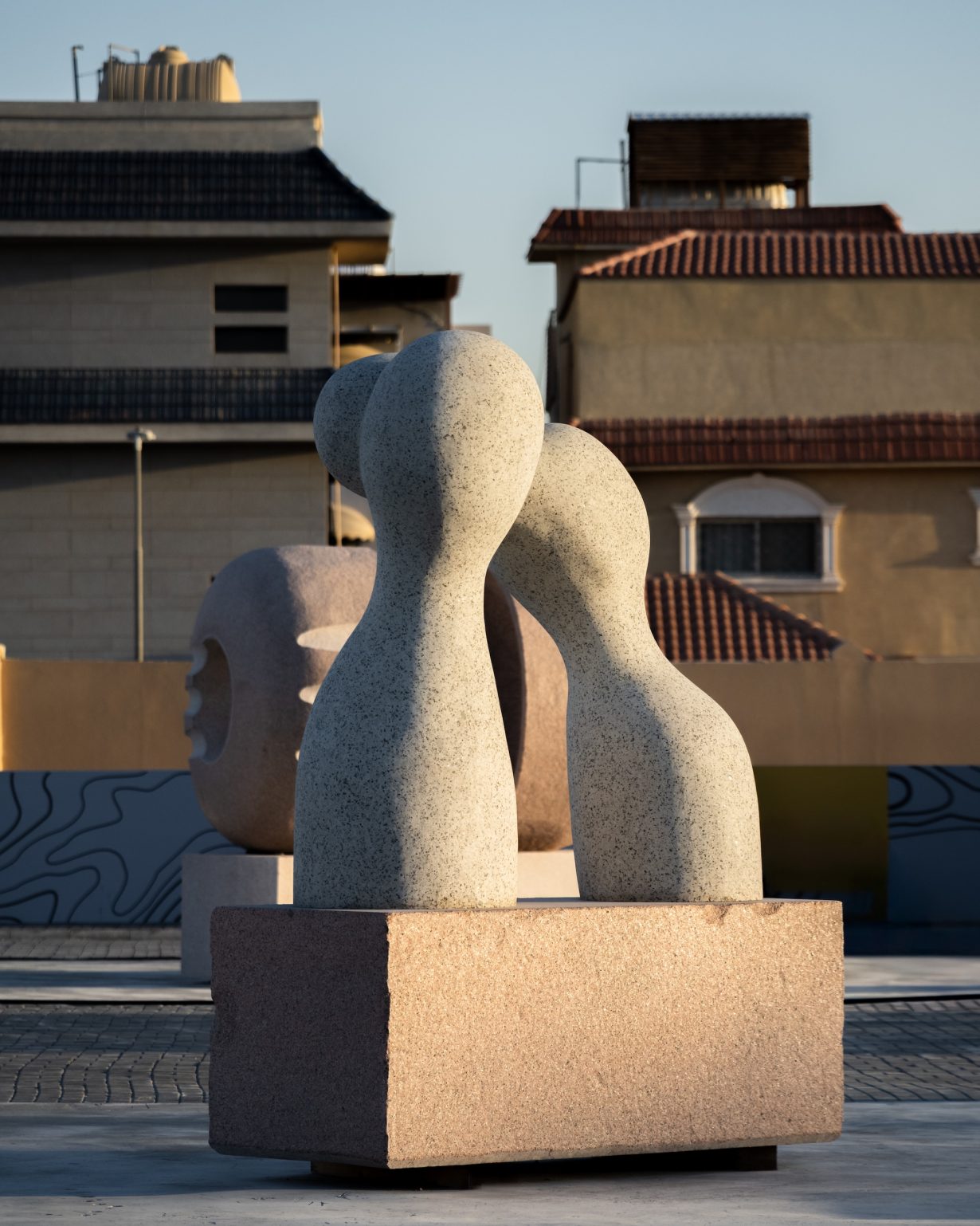
This year introduces reclaimed metal as a core material alongside Saudi granite. Why these materials and what can they tell us about time and care? How do these materials speak to sustainability?
Saudi granite carries a strong sense of geological time and place, shaped over long periods and closely tied to the landscape it originates from. Working with it encourages patience and careful decision-making. Reclaimed metal brings a different history into the work – one shaped by human intervention, adaptation and innovation. It reflects cycles of use and reuse, and the ways materials are continually reshaped in response to changing needs.
Together, these materials balance permanence and change. From a sustainability perspective, using locally sourced Saudi granite and reclaimed metal emphasises longevity, reuse and responsibility. Rather than introducing new materials, the focus is on working thoughtfully with what already exists and considering how these works will continue to live in the city over time.
With each edition, Tuwaiq Sculpture expands Riyadh’s public art landscape. How do you see this growing collection reshaping the public’s perception and everyday encounters with sculpture?
As part of Riyadh Art, Tuwaiq Sculpture contributes to a broader vision of art as something that belongs in the city, rather than being confined to galleries or museums. The growing collection places sculpture in neighborhoods, plazas and shared public spaces, where it can be encountered as part of everyday movements.
These works are encountered repeatedly: on familiar routes, in passing and over time, which changes how people relate to them. Instead of feeling separate or monumental, sculpture becomes something people live alongside, notice gradually and return to in different ways.
Each edition adds new layers to the city, expanding how contemporary sculpture is understood and allowing a wider range of forms, materials and voices to coexist within everyday environments of Riyadh.
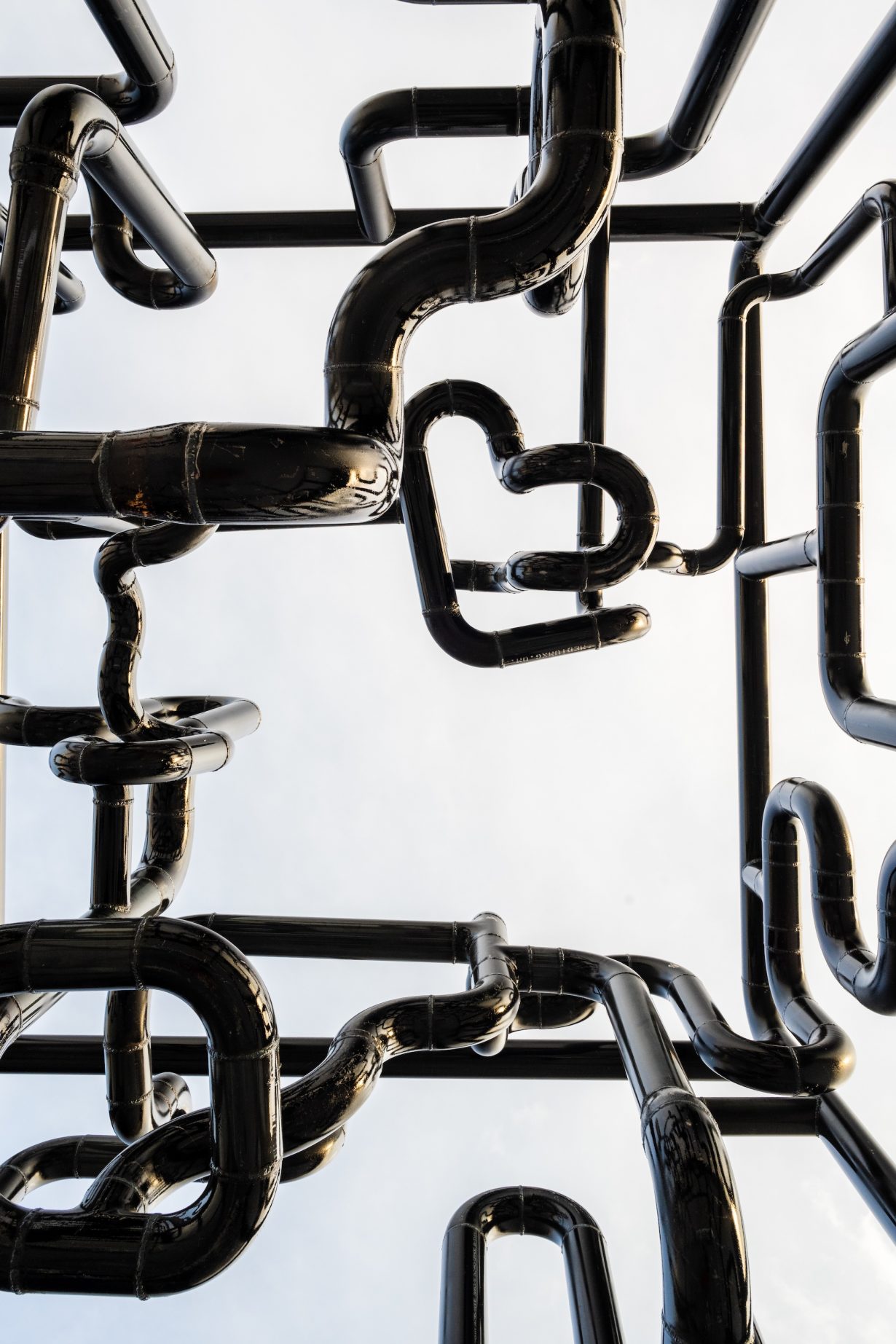
Why is Tahlia Street important for this edition, and how does the site inform the work being made?
Prince Mohammed bin Abdulaziz Street, known as Tahlia Street, is central to this edition because of its deep connection to the Kingdom’s history of transformation. Its name refers to desalination, and the street was the site of Riyadh’s first desalination plant, a pioneering infrastructure that converted scarcity into sustenance and supported the city’s growth.
This local history connects to a broader national story. From early experiments in Jeddah in 1907 to Saudi Arabia becoming the world’s largest producer of desalinated water, the Kingdom’s approach to desalination reflects a long tradition of innovation and adaptability.
Working on this site places artists within that legacy. Through live sculpting on Tahlia Street, and by working with Saudi stone and reclaimed metal, the works develop in dialogue with a place shaped by environmental ingenuity and the everyday life of the city.
What role does public sculpture play in Riyadh today?
Public sculpture in Riyadh plays an increasingly active role in shaping how the city is experienced. Through existing in shared spaces, it introduces moments of pause, curiosity and reflection into everyday movement, without requiring a formal setting.
At the same time, public sculpture reflects the city’s growing openness to cultural dialogue and interpretations. These works do not offer a single reading; instead, they accumulate meaning over time as people encounter them differently. In doing so, they contribute to a shared visual language that continues to evolve alongside the city itself.
What would you recommend visitors to Tuwaiq Sculpture look out for?
There are 25 works on display, each offering a distinct approach to material, scale and form. Alongside the exhibition, a talks programme explores key questions around public art, sculptural practice and the role of institutions in supporting these areas of the cultural sector. Bringing together leading voices from the Saudi arts sector and the wider region, the programme continues to grow in depth and ambition each year, reflecting the strength and maturity of the cultural landscape.
When this edition ends, what kinds of traces – material, social or imaginative – do you hope will remain?
I hope people feel a sense of connection to sculptures. Made in public, the works carry a shared memory from the outset. They were made in Riyadh and intended to belong to the city and its people.
As the sculptures move into their permanent places, I hope that sense of familiarity continues to grow. That people recognise them, return to them, and gradually make them part of their own daily life.
Find out more about Tuwaiq Sculpture 2026.