A lodestar of critical race studies, Hartman has long been heard beyond the academy’s walls thanks to her practice of ‘critical fabulation’, which primarily redresses gaps in the archive of slavery (particularly women’s testimonies) by melding historical research, theory and fictional narratives. Decisive, too, is her work’s potency against a backdrop of revanchist white supremacism and capitalism-driven ecological catastrophe. See this year’s debut, presented by Amsterdam’s Hartwig Art Foundation at that city’s Internationaal Theater, of Hartman’s multipart collaborative performance piece Minor Music at the End of the World. Blending her own writings, dance, a recut of Arthur Jafa’s 2021 film Aghdra and W.E.B. Du Bois’s 1920 proto-Afrofuturist postpandemic short story ‘The Comet’ – in which a Black man and white woman are seemingly the last people alive after an apocalyptic event – it asks, as Hartman told ArtReview recently, ‘what does it mean to exist at the end of the world?’ Seen through her unique prism, our moment is, apparently, at once abyssal and alive with transformative possibility.
Advertisement
Power 100
Most influential people in 2025 in the contemporary artworld
8
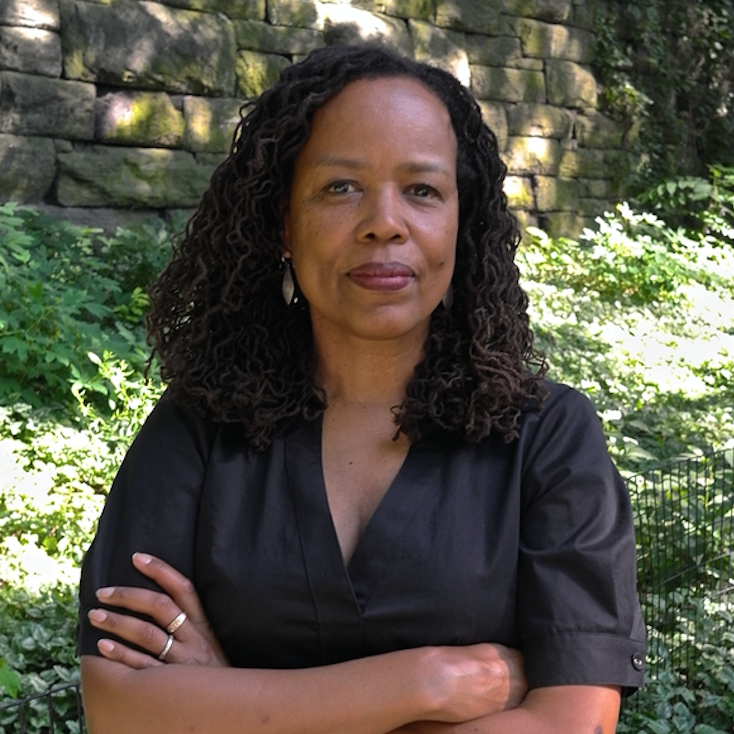
Saidiya Hartman
Thinker - Lodestar of critical race studies
8 in 2025
- 20258
- 20243
- 202334
- 202238
- 20209
- 2019
- 2018
- 2017
- 2016
- 2015
- 2014
- 2013
- 2012
- 2011
- 2010
- 2009
- 2008
Related articles


Advertisement





Advertisement