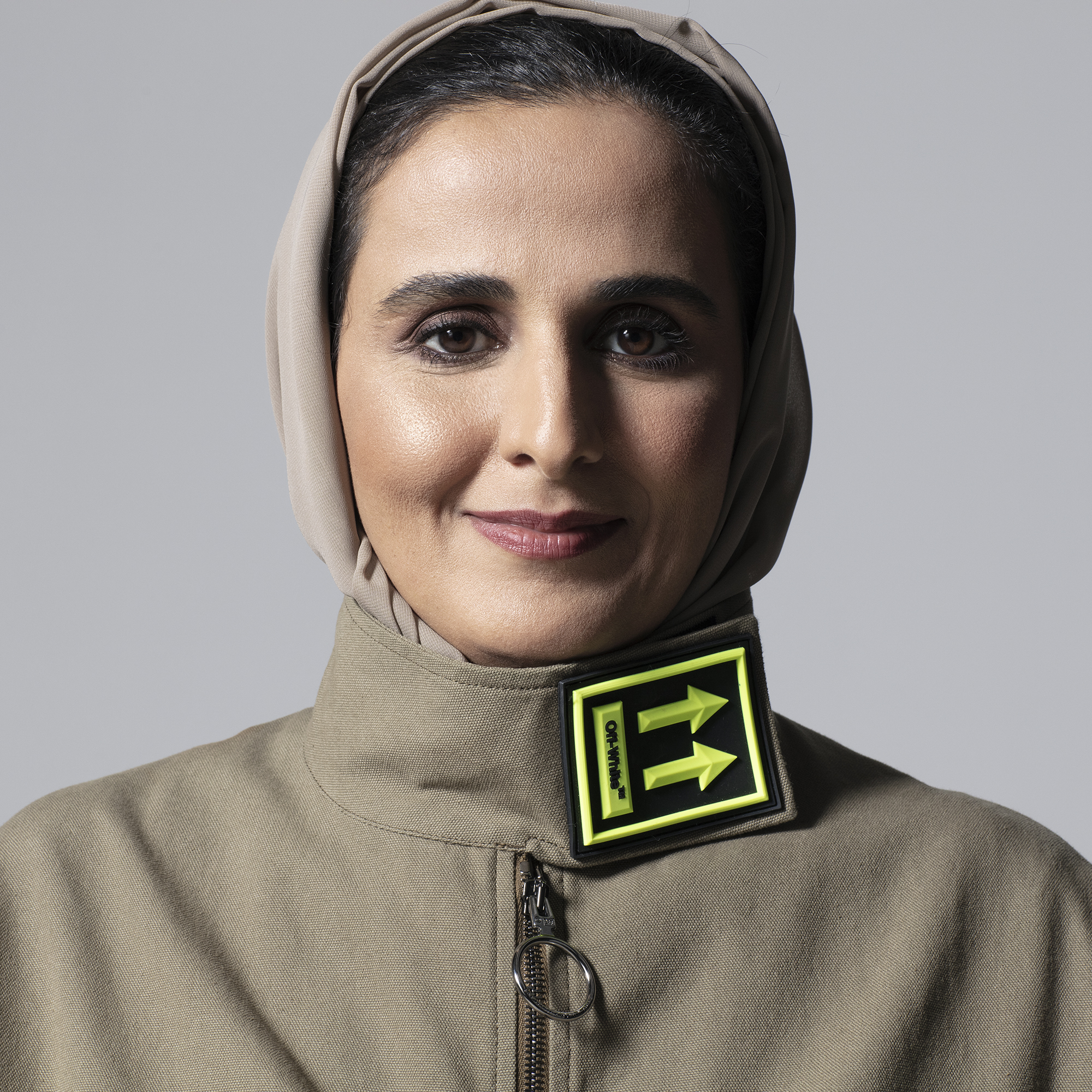
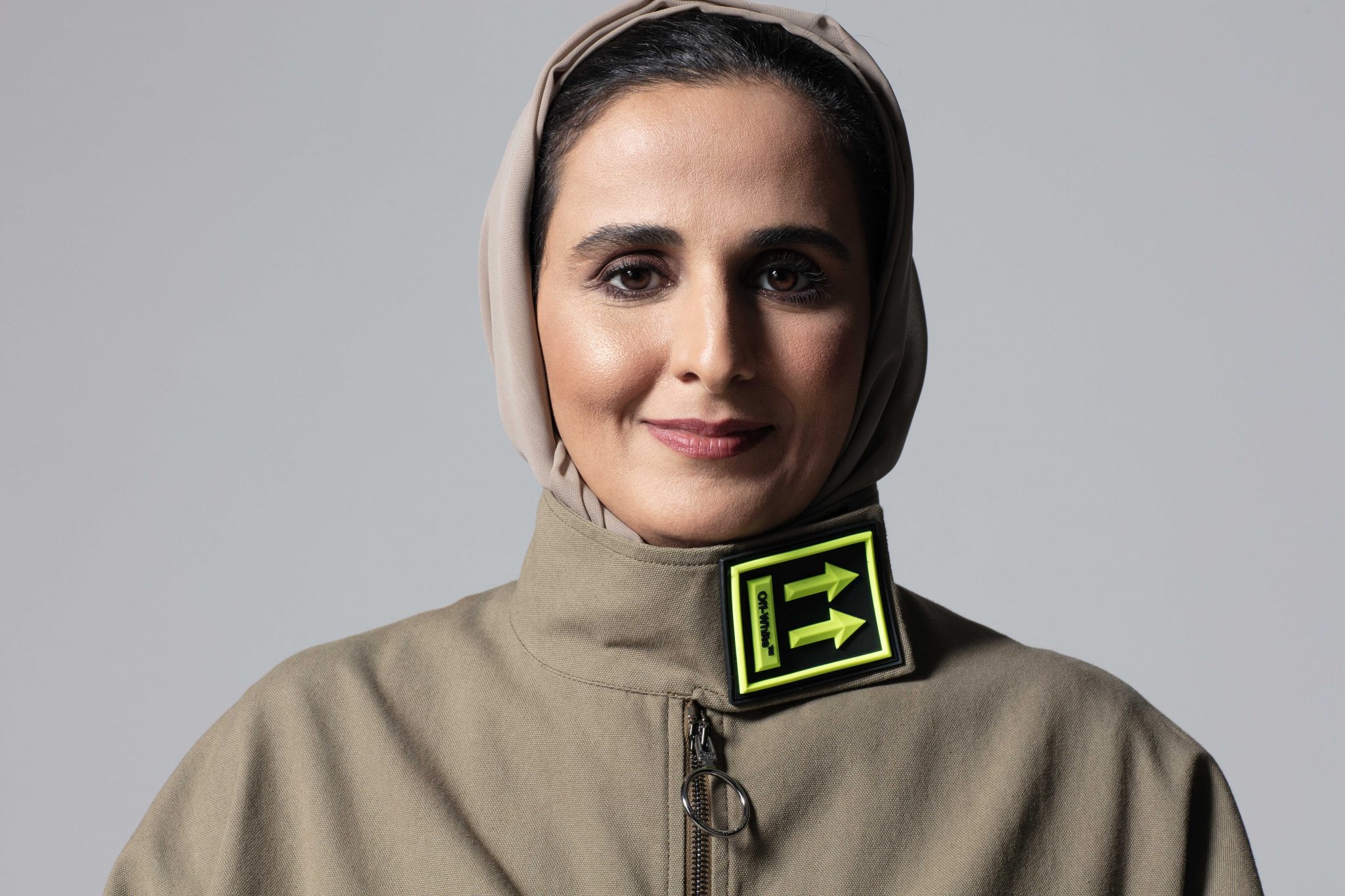
The title might be the equivalent of princess, but Al-Mayassa is the queen of soft power, a key player in Qatar’s economic-diversification strategy, ‘National Vision 2030’. Fresh from announcing Art Basel’s plan to stage a fair in the emirate in February 2026, she told an audience in Basel that art was the ‘driver of social and economic development’. Al-Mayassa, sister of the current emir and daughter of his predecessor, is chair of Qatar Museums, a collection of over a dozen institutions and heritage sites in the country, and the Doha Film Institute. ‘This is all about the idea’, she continued in Basel, ‘of what postcolonialism means and the identity crisis the region is facing because of that, and how can we address conflict using art and culture as a tool to heal and bring people together.’ The fair news came alongside announcements for the forthcoming Lusail Museum for Orientalist art to be designed by starchitects Herzog & de Meuron, all publicised on the heels of appointing architect Lina Ghotmeh to build a permanent biennale pavilion for the state in the Venice Giardini, despite the site long being declared at capacity. Al-Mayassa has the ability – and funds – to make the impossible happen.
At home, overseeing flagship spaces such as Mathaf: Arab Museum of Modern Art, Wael Shawky’s Fire Station and the Museum of Islamic Art, she facilitated partnerships with institutions in Chile and Argentina, the latter producing group show LATINOAMERICANO at the National Museum of Qatar, with treasures by Frida Kahlo, Diego Rivera and Wifredo Lam making the journey. With the Art Mill Museum also slated to be added to the institutional portfolio as a space for contemporary art in time for the ‘National Vision’, and Qatar Museums recently announcing Rubaiya Qatar, a contemporary art quadrennial to launch next year (of which the editor-in-chief of this magazine is one of the curators), Al-Mayassa is consolidating myriad traditional art infrastructures (there are plans for the region’s largest art-storage facility too) in the hopes that doing so will rearrange the global map of the contemporary artworld.