The actor’s comments reveal less about the health of ballet and opera than about their cultural visibility
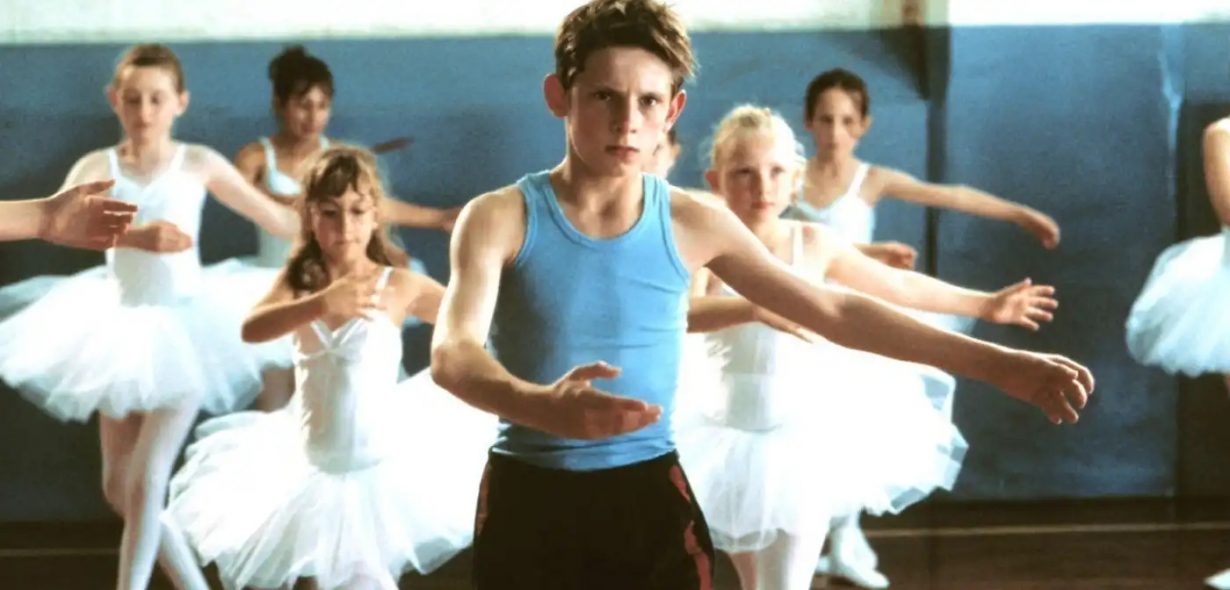
The story is almost too familiar: a young boy goes to ballet classes and keeps it a secret. What didn’t help was that, like Mr Elliot, my name is also William. Though never Billy. Always Will. For 12 years I kept the lie going. I never had the talent, the thighs or the desire to be a principal dancer, yet the anecdote has proved unexpectedly useful of late, due mostly to the small but seismic ripple set off by one Timothée Chalamet.
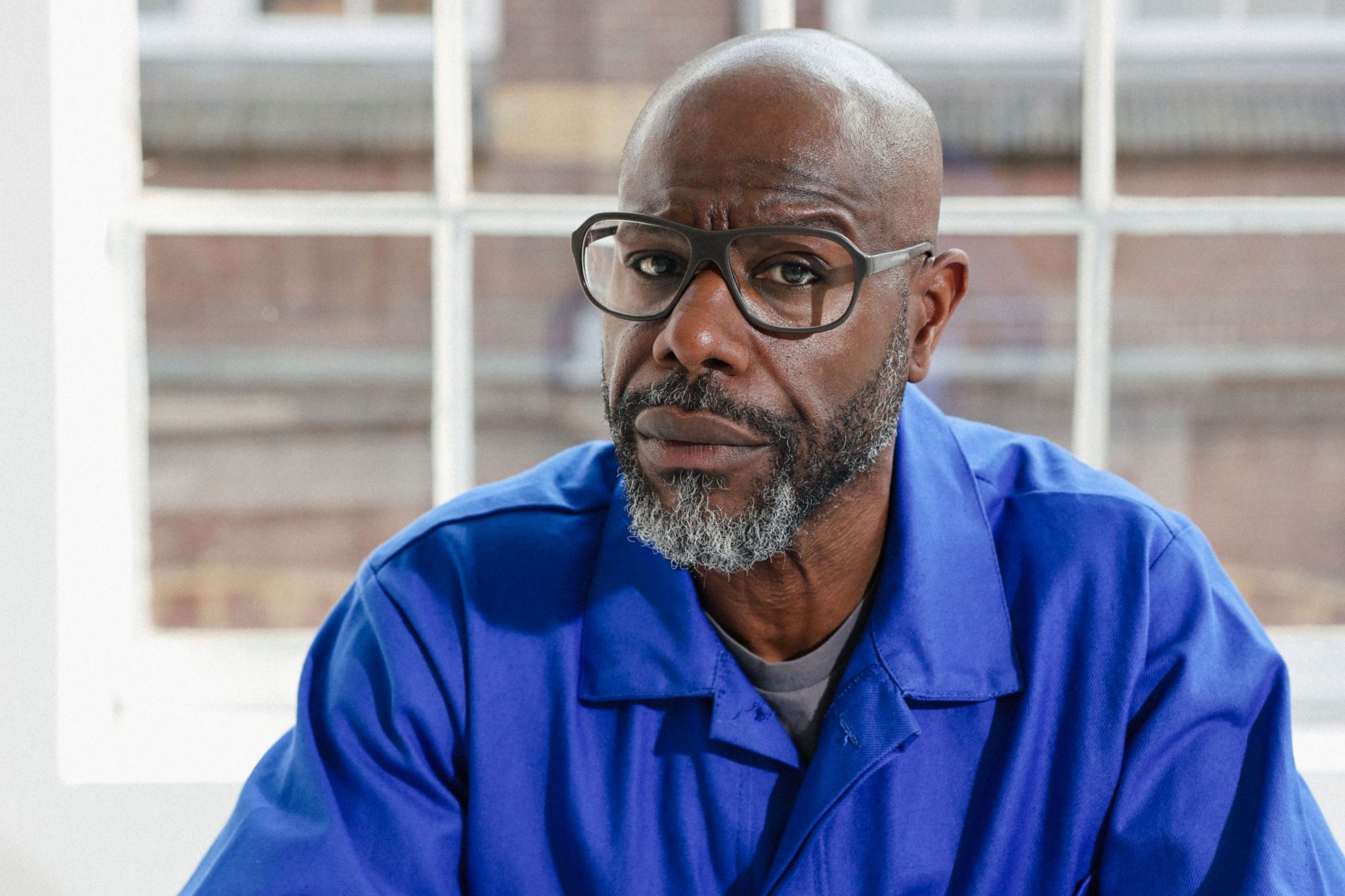
Last week, during a conversation about filmmaking with Matthew McConaughey, organised by CNN and Variety, Chalamet took an odd turn into the territory of other artforms. After describing the projects that excite him, he said, “I don’t want to be working in ballet or opera, or, you know, things where it’s like, ‘Hey, keep this thing alive’,” before adding, clumsily: “All respect to the ballet and opera people out there”, noting that he “took shots for no reason”.
The reaction from the ballet world over the last few days has been sharp and, ahem, pointed. Dancers and bunheads piped up, institutions sent personal invitations to Chalamet and op-eds hurried out the door. Amid the noise, outrage and personal sob-stories (and given I work at Sadler’s Wells in London, I’ve seen it all), the heart of what sweet Elio was saying wasn’t entirely misplaced. Chalamet wasn’t attacking the value of ballet and opera, but rather the way in which the mainstream perceives that very value.
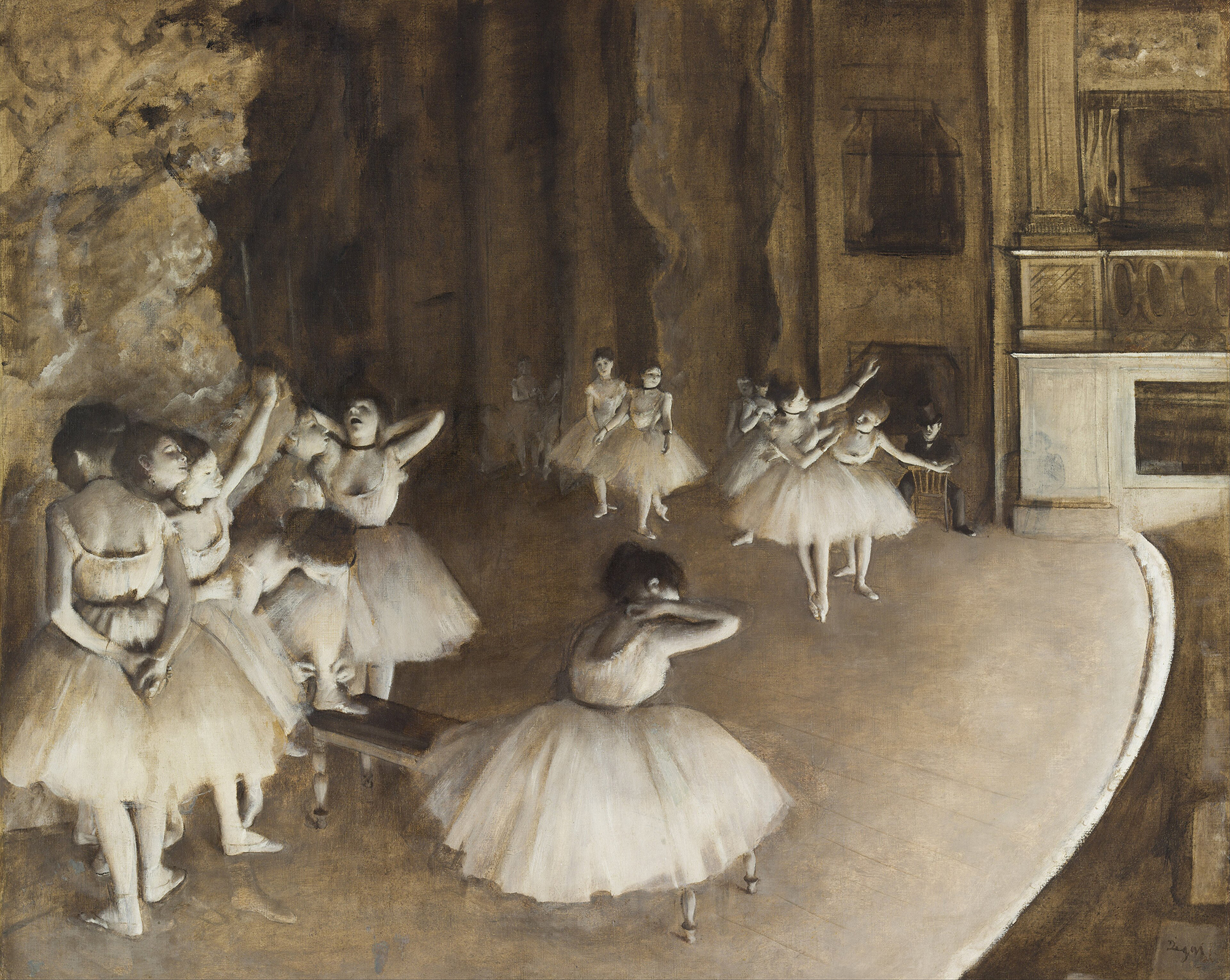
It’s true, these classical artforms occupy a strange corner of the public imagination. Those who love them, love them fiercely, while many others see ballet and opera through stuffy stereotypes, 20-second TikTok clips and the resurgence of balletcore. Dance, of course, has always had its cultural crossovers – think Picasso with Ballets Russes, the Noguchi-Martha Graham moment, and everyone’s favourite, Michael Clark and Leigh Bowery. From Darren Aronofsky’s Black Swan (2010) to documentaries on Nureyev, dance, like Chalamet, has long been a star of the big screen. Step Up (2006) is truly one of the greats.
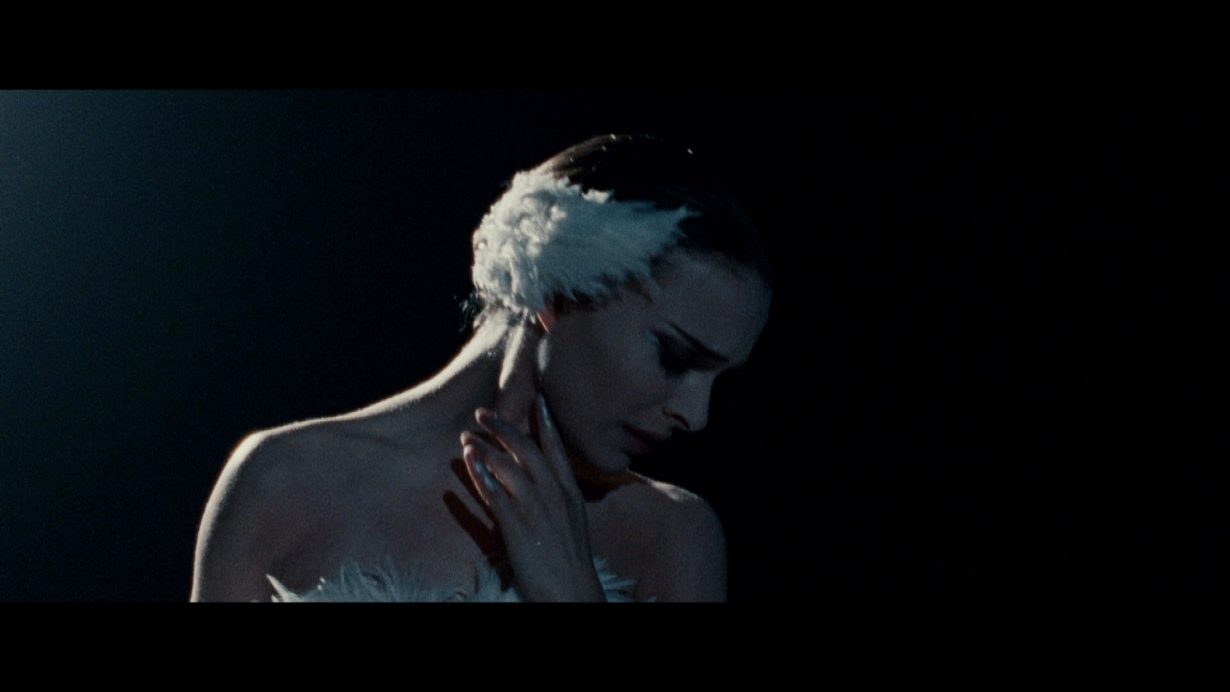
Chalamet wasn’t suggesting ballet and opera don’t matter. He was, albeit carelessly, pointing out that they rarely dominate the entertainment pages or the wider culture zeitgeist. Still, the remark hit a nerve because it contains a truth. Devotion runs deep within the artform, yet outside the auditorium there is often polite distance. A gap sustained by several realities.
Access is one of them. These live arts are expensive to learn and to watch. Lessons, exams, shoes and costumes quietly add up to a significant investment. Ballet is hard to break into unless you learned to plié before you were potty trained. For those who make it into the profession, the economics remain precarious. Contracts are short, wages modest and many dancers piece together a living through teaching, guest work and freelance projects. As an audience member, too, seeing dance and opera is difficult, as the barrier to entry is high. Subsidies exist, but they are hard to navigate and mostly limited to inner-city outreach. While millions can watch the latest Netflix blockbuster, only a few thousand can fit into a theatre at any one time.
Tradition plays its part too. The classical repertoire is anchored in nineteenth-century tales of enchanted lakes, cursed maidens and doomed lovers. Giselle, The Sleeping Beauty, Romeo and Juliet, Swan Lake, all beautiful, but all products of a specific historical moment, steeped in rigid gender roles and values that feel distant, or impossible, today.
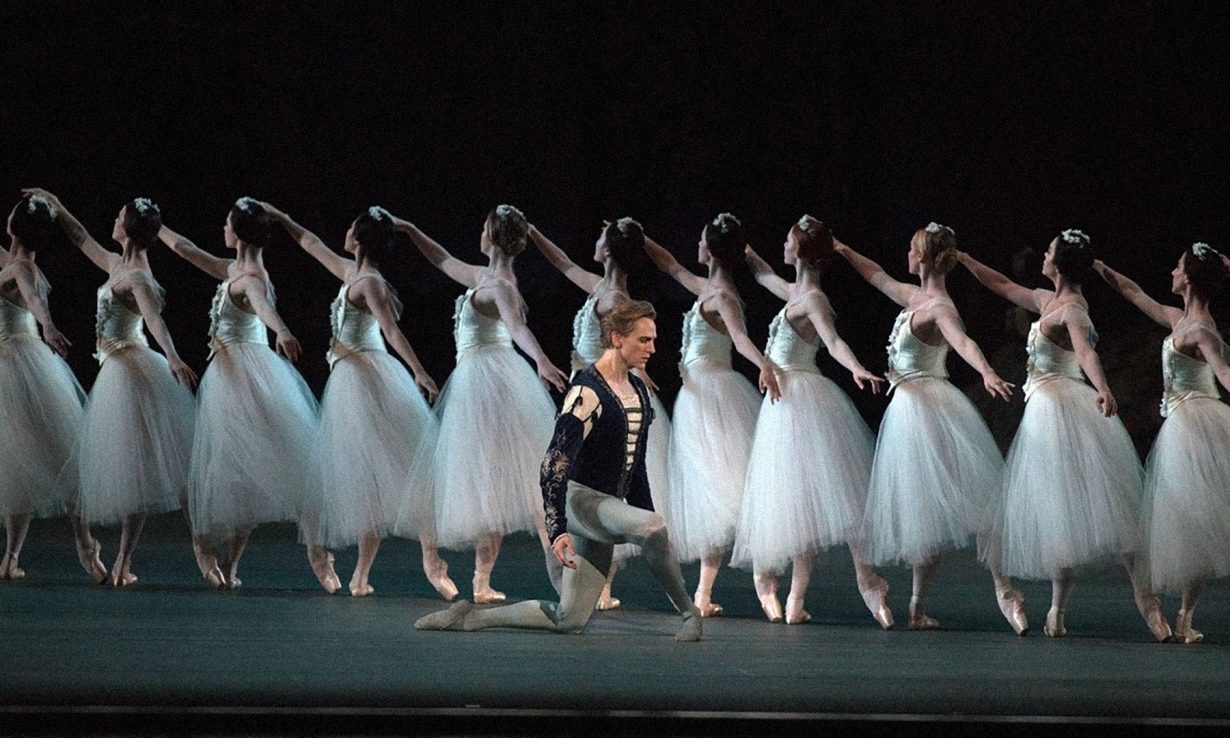
And yet dance and opera endure. Not because they are fashionable or lucrative, but because they continue to make (just enough) people feel and think. Ballet’s power, for example, lies in its subtlety. Unlike theatre, which begins with literature and the written word, ballet begins with the body. It is a visual, physical language. Stories unfold in the softness of a hand, the articulation of the foot, emotion carried not in speech but in gesture. What makes this artform so particular is that it is built from the same material we inhabit ourselves. Watching it, we recognise both the possibilities and limits of the human body. The result is something quietly affecting, visceral, corporeal and distinctively alive. Of course, countless artists continue to explore the classical artform’s contemporary possibilities, from Rachel Jones’s experimental opera to Wayne McGregor’s recent Woolf Works. And yet the nuances of these works are frequently lost under the weight of cultural preconceptions.
Ultimately, this story has gained traction because a celebrity mentioned it first. As Gia Kourlas, dance critic at The New York Times, puts it: “If a dancer said that a film didn’t matter, it would be like a tree falling in the woods.” Li’l Timmy Tim’s comment reveals less about the health of ballet and opera – something already facing new threats under Trump 2.0, retooling the Kennedy Center to his will – than about its visibility.’
Ballet will continue nonetheless, in studios, rehearsal rooms and theatres where artists quietly reshape its traditions for another century. And importantly it persists in smaller, quieter ways too, in echoing school sports-halls somewhere in the Midlands, where on Thursday evenings a boy rehearses in secret for his next grade.
Read Next A Ballet’s Grasp for Relevance