“I’m a decadent soul and I like having my ego stroked by the Establishment on occasion”
ArtReview sent a questionnaire to artists and curators exhibiting in and curating the various national pavilions of the 2026 Venice Biennale, the responses to which will be published daily in the leadup to and during the Venice Biennale, which runs from 9 May through 22 November.
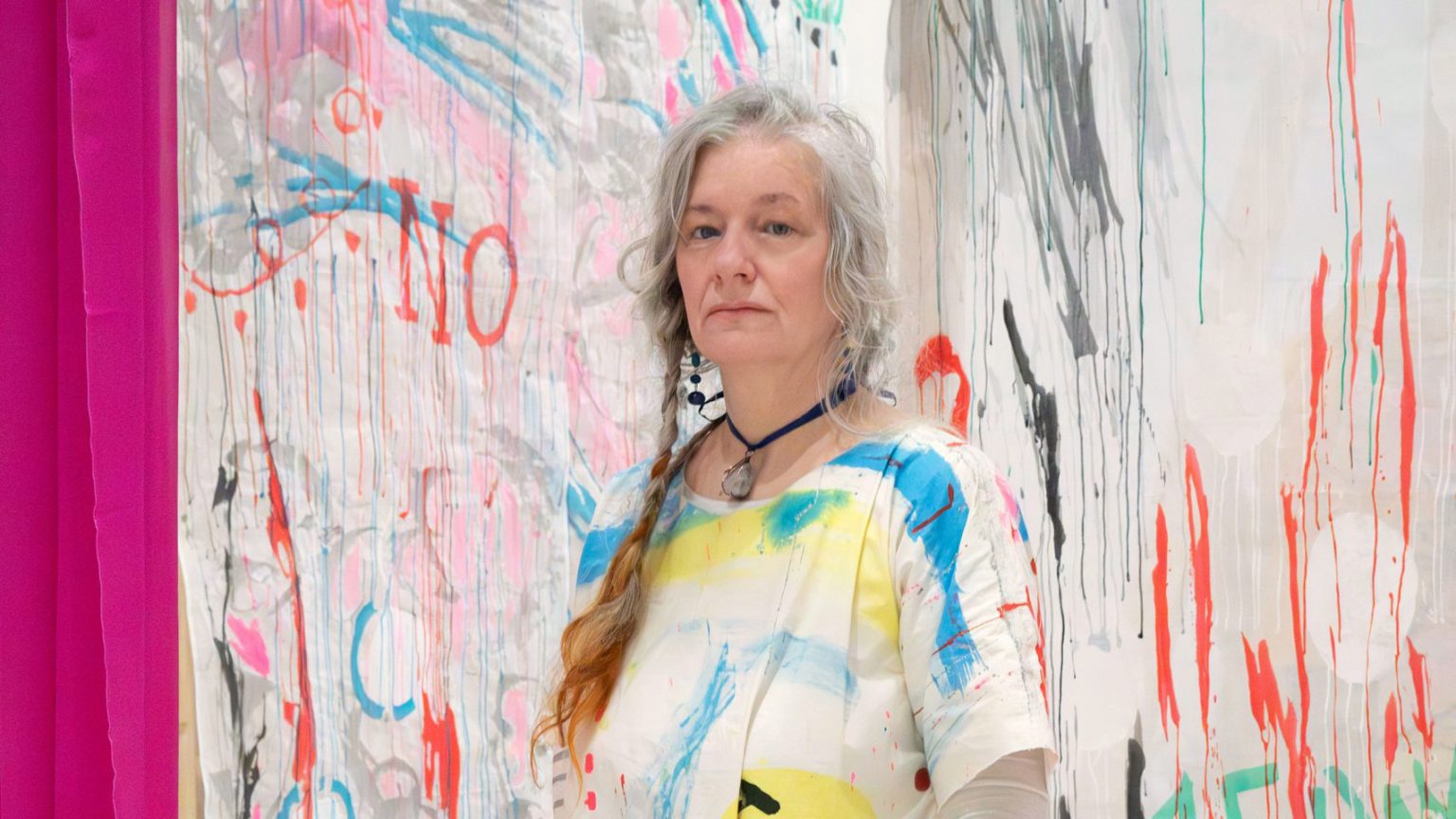
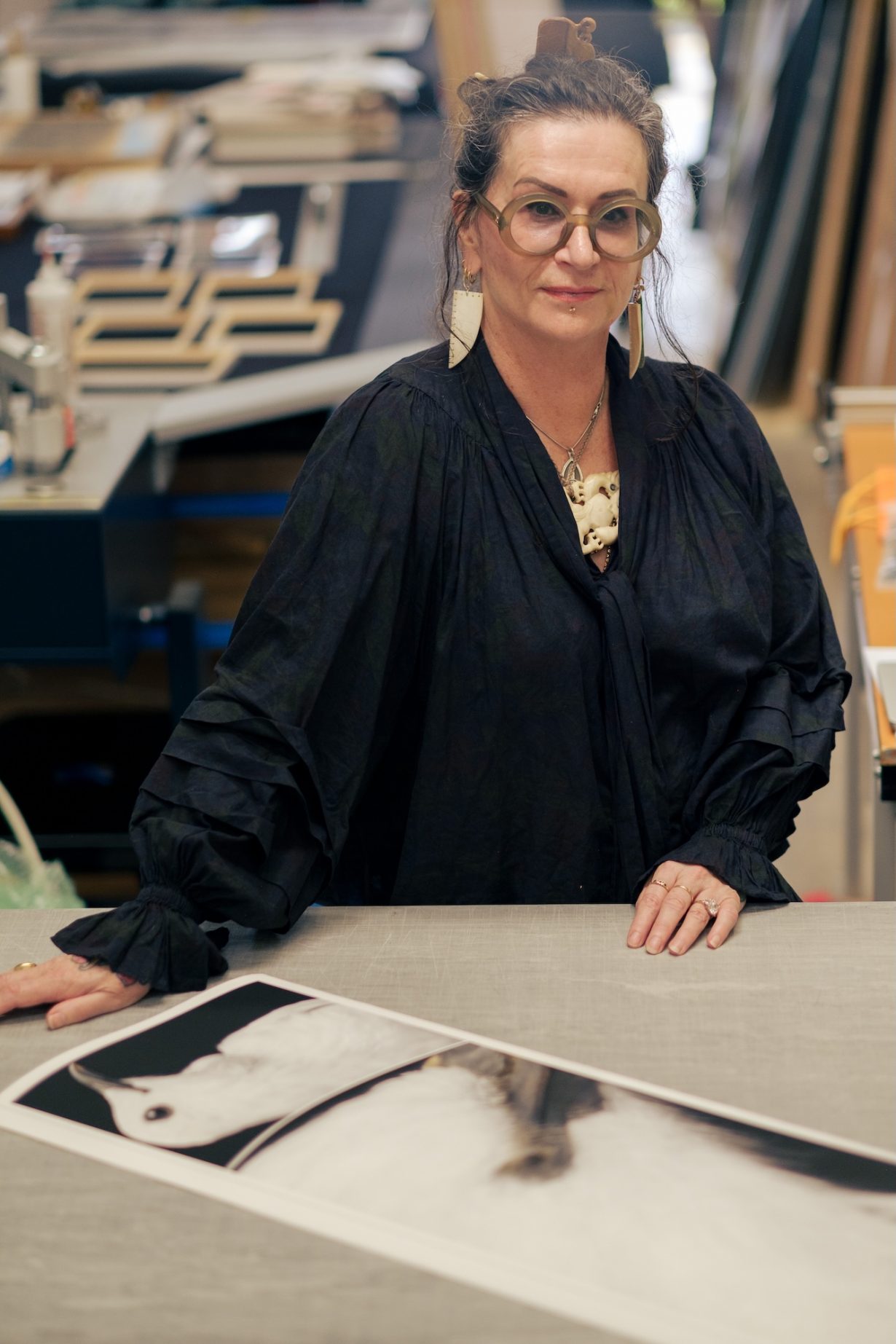
Fiona Pardington is representing Aotearoa New Zealand; the pavilion is at the Istituto Provinciale per l’Infanzia Santa Maria della Pietà di Venezia.
ArtReview Tell ArtReview what you plan to exhibit in Venice. What has influenced or inspired you?
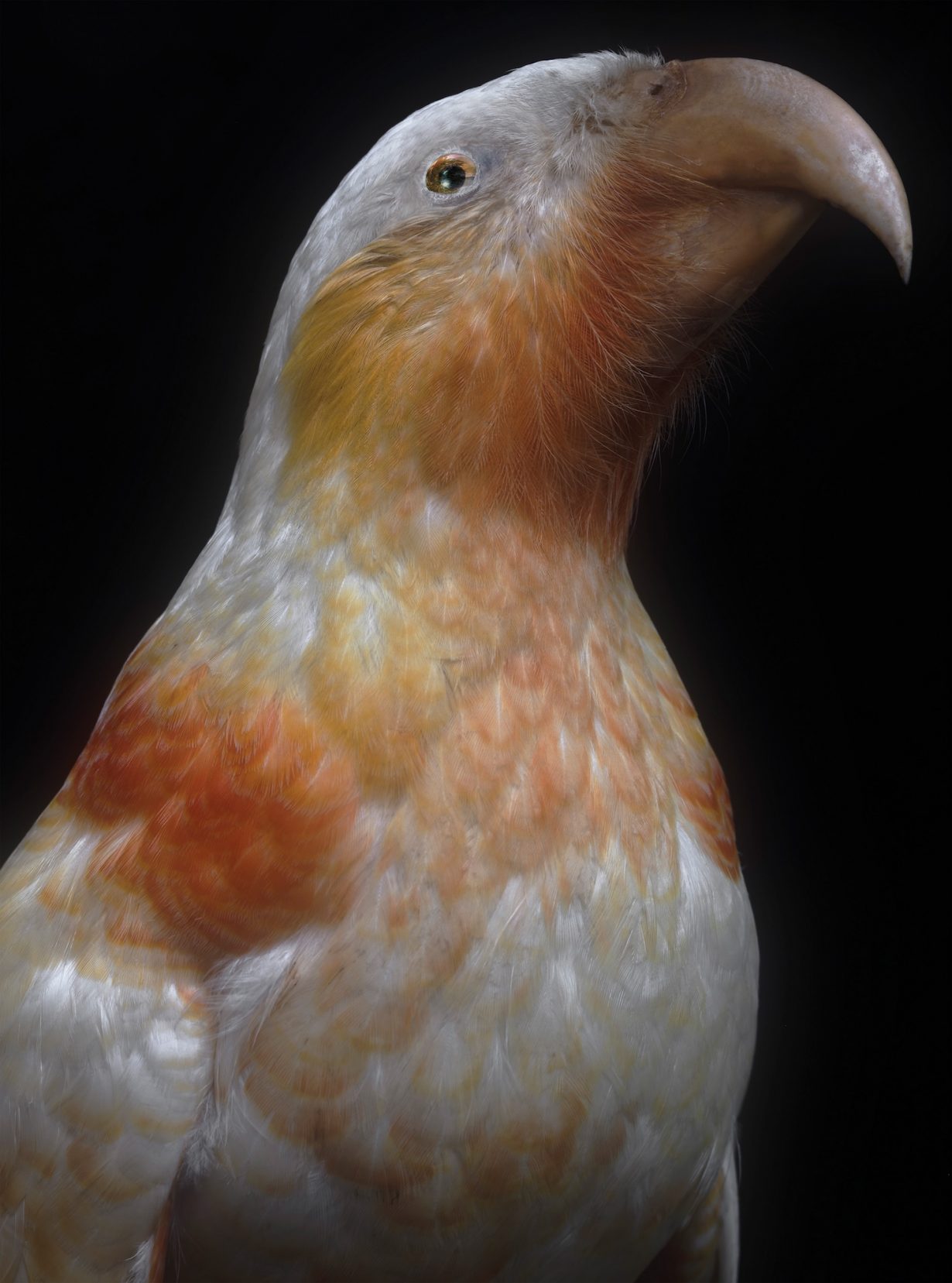
Fiona Pardington Taharaki Skyside is a body of large photographic portraits of taxidermy museum specimens of native birds from Aotearoa and the Southern Ocean. I am influenced by my Māori whakapapa (genealogy) and in our culture birds are messengers from the spirit world. They are taonga (culture treasures) and their dignity and spiritual being is inalienable. I’m rehabilitating them from the colonial vitrine. Because it’s Italy I was also inspired by Dante’s Divine Comedy [c. 1321], the idea of spiritual messengers guiding the artist through otherworldly realms, and the whole idea of Purgatory being an island in the Southern Hemisphere tickled me. It resonates with the liminality of Aotearoa, inviting viewers to contemplate the thresholds between the physical and metaphysical.
AR In what ways (if at all) does your work relate to the theme of the Biennale exhibition, In Minor Keys?
FP My work is full of nested marginalities, peripheralities and precariats: indigeneity, vulnerable species, the relationship of our small archipelago down at the bottom of the Pacific to the rest of the world. These are all minor keys in the big symphony of the world.
AR Why is the Venice Biennale still important, if at all?
FP Well, for a start it’s Venice. It’s a baroque pearl, all sex, death and myth. How can that not be an impressive backdrop? I can see how some might see it as slightly cliché and out of touch, but the Biennale creates its own gravity field. It feels like you’ve made it, even if that’s just subjective. I’m a decadent soul and I like having my ego stroked by the Establishment on occasion. It remains a legendary crucible for dialogue.
AR What role does a national pavilion play at a time of increasing confrontational nationalisms? Is it about expressing difference or commonality?
FP It’s what you make of it, whether that be life raft, flag of convenience, or propaganda platform. I appreciate that in many cases having a national pavilion elevates deserving artists to visibility that they wouldn’t otherwise have. Most artists tend to be citizens of the world in the first place.
AR Who, for you, is the most important artist (in any discipline) that your country has produced?
FP I don’t think I could give a meaningful answer to that even if I wanted to. That kind of ‘importance’ is entirely subjective and I admire them all cumulatively for different facets. I don’t rank them. I wouldn’t know what to compare them to. To privilege one voice over another would be to diminish the collective resonance of our artistic community.
AR What is something you want people to know about your nation that they might not know already?
FP We keep our best secrets. You’ll have to come and find out for yourself.
AR Given that you are exhibiting in a national pavilion, is there something (a quality or an issue or attitude) that distinguishes the art of that nation from that of others? That makes it particular? Are there specific contexts that it responds to? Or do you think that art is a universal language that goes beyond social, political or geographic boundaries?
FP We contain multitudes. It’s not really a fair question. A lot of Aotearoa New Zealand artists work in a completely international or postinternet idiom, including some Māori artists. But even then, their manawhenua (ancestral relationship with the land) is inalienable. We have a British colonial history and a multicultural history, but for me that Māori identity, which is really the identity of many different iwi (tribes), is within that, central and apart. That interconnectedness of things and worldview is as vital to my work as the more European aesthetic elements are.
AR What, other than art, are you looking forward to seeing – or doing – while you are in Venice?
FP Absorbing the atmosphere goes without saying – the art, the architecture, the people – and engaging with other artists from around the world. I’ll be spending a lot more time at the Museo del Vetro, Murano, as research in preparation for a still-life exhibition. And I’ll be spending as much time as I can zipping around on vaporetti exploring; more time looking at surrealist paintings at Peggy G’s; Antique markets, church and charity shops – if anyone can recommend where to go.
AR Could you give us a brief overview of your average working day while creating your presentation in Venice?
FP A lot of travelling between museum collections in Aotearoa and Australia. Rise early, but not too early. Coffee. Arrive with all of my equipment, get ushered in through the side door. The birds have been taken out of their storage or display and are waiting. I have a little korero (talk) with them, thanking them. I set up lights, camera and backdrop as quickly as I can, take my pictures, pack it all up again and then usually stay up late at night scrutinising the results on my laptop.
AR Can art really change the world?
FP Art has always influenced change in the world by bringing attention to issues, but it tends to be most effective when the aesthetic, escapism or storytelling comes first. An audience needs to be seduced into dialogue. Hitting them over the head with it or raging at them is usually counterproductive.
The 61st Venice Biennale runs 9 May through 22 November 2026