The Yakutsk-born artist is selected by the New Red Order collective as part of ArtReview’s annual spotlight on individuals whose work is worthy of more attention
Working through films, sound, writing and installation, Svetlana Romanova contends with a chief ongoing stricture threatening to foreclose a feeling of freedom for any Indigenous artist, ‘established’, emergent, yet always aspiring: the presence of relentless projections of what Indigenous cultures should be, of what they are, of what they were, pulsing with denials of contemporaneity, the urge to push into the past.
One of her first encounters with the depiction of landscapes of her own home – she was born in Yakutsk, south of the Arctic Circle, and until self-exile in 2022 she worked across the Sakha and Even territories in Yakutia – came when seeing Chris Marker’s Letter from Siberia (1957), which precipitated a shock of recognition at the multiple levels of Indigenous erasure, with the realisation that in her own experience growing up in the Republic of Sakha, the politics of Indigeneity had been scrubbed, seemingly a priori, redirected into and replaced by formations of state collectivity and belonging.
Season of Dying Water (2015/2022), made in collaboration with Chelsea Tuggle, who Romanova met while studying at CalArts in LA, emerged as a response to histories and the currency of representation that work to leave behind a flattened place and people. While cognisant of the risks of self-exoticisation, Romanova allows herself to appear, approaching cinema as an ongoing act of self-historisation: producing images, sounds and narratives in a time when official archives are partial, imposed, hostile or disappearing. Her embrace of the embedded everyday, and everynight, that veers alongside but evades ethnographic capture, accumulates to produce the surprise of the familiar.
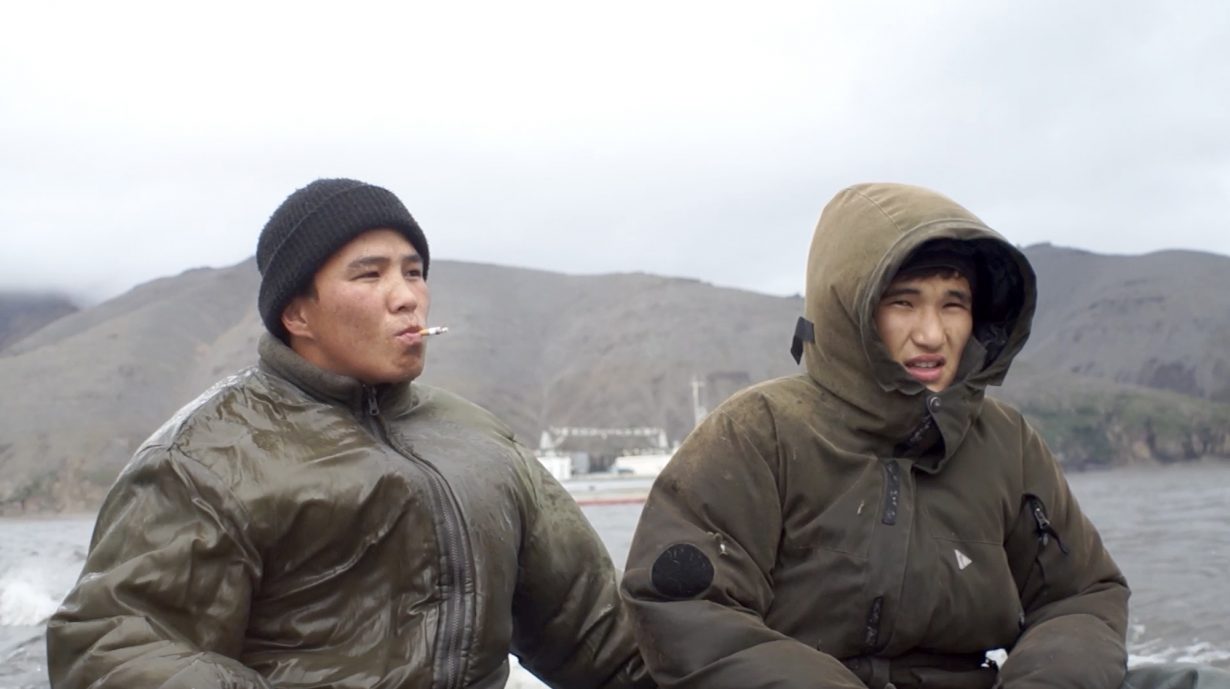
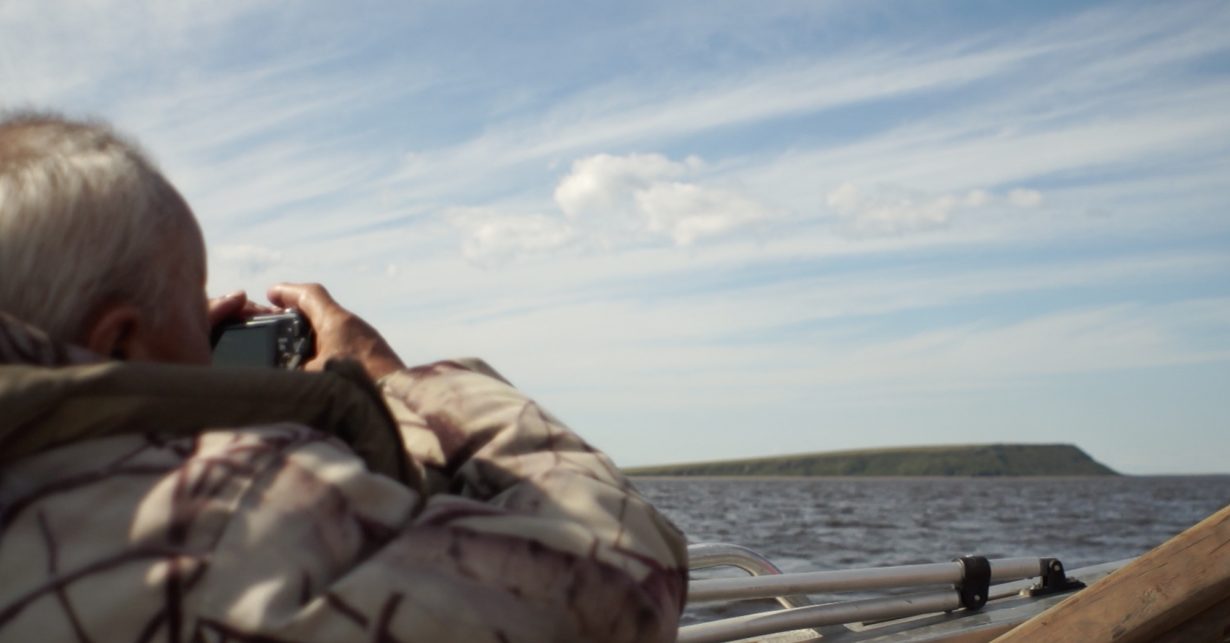
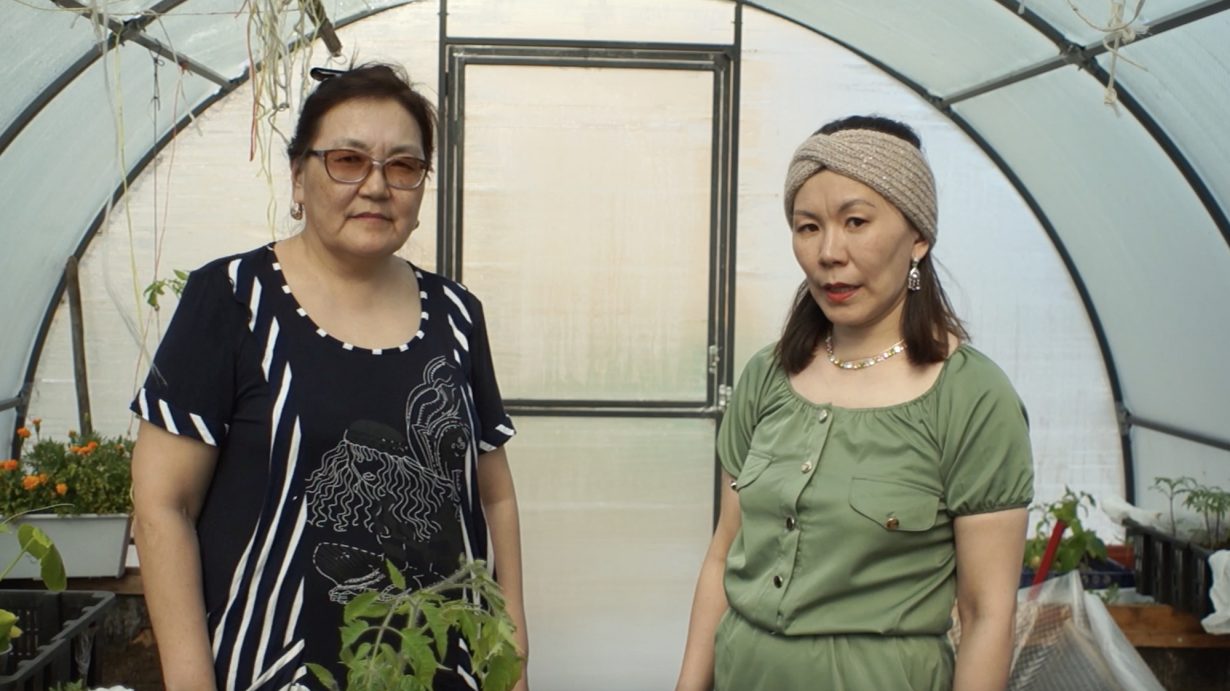
Her recent film Voyage of Jeanette (2024), screened at the e-flux Screening Room, in New York, exemplifies this approach. Set in the Bulunsky District of the High Arctic, the film interlaces environmental sound underpinned and oscillating with a destabilising analogue soundscore composed by the noise musician Abiboss – with participatory footage and historical fragments from the failed nineteenth-century US Arctic expedition of the Jeannette. Romanova refracts the search for the lost boat through local memory – most notably through Simeon, her neighbour in the village of Kyusyur, as we move from his apartment, an informal, care-driven museum of Arctic history, travelling North, down the Lena River with an eye towards the Lena Pillars rock formation, “a sacred space for Sakha, not only for locals, but for everyone who passes it by”. Authorship remains deliberately porous, while humour seeps in; as Romanova notes, “This is not just my film, it’s Simeon’s as well.”
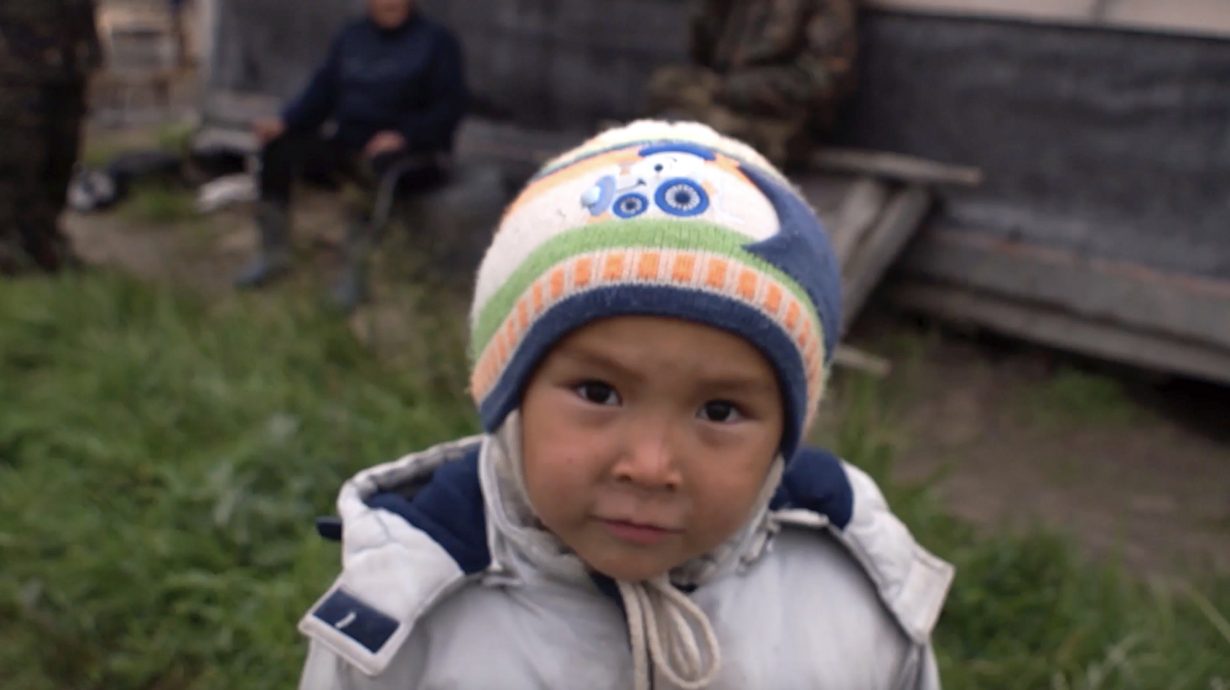
This collaborative ethic extends across her practice. Filming over long durations while embedded in everyday life, Romanova allows the camera to circulate among family, neighbours and friends. In Voyage of Jeanette, a child repeatedly peers into the viewfinder, insisting, “I want to see!” – a gesture that collapses distinctions between subject, filmmaker and audience. Cinema shifts from observation to participation, from capture to shared presence. For Romanova, archiving is inseparable from power: to record is to claim the right to narrate one’s own present against the sedimented fictions of empire. Her films stage a dual critique of colonial perception. On one axis lies the Western fantasy of the Arctic as an empty frontier of ice, heroism and scientific conquest; on the other, Soviet and post-Soviet frameworks that dissolved Indigenous specificity into collectivist ideology while extracting land, labour and resources. Yakutia emerges as an alleged periphery, a site where geopolitical ambition, climate crisis and colonial violence are acutely concentrated.
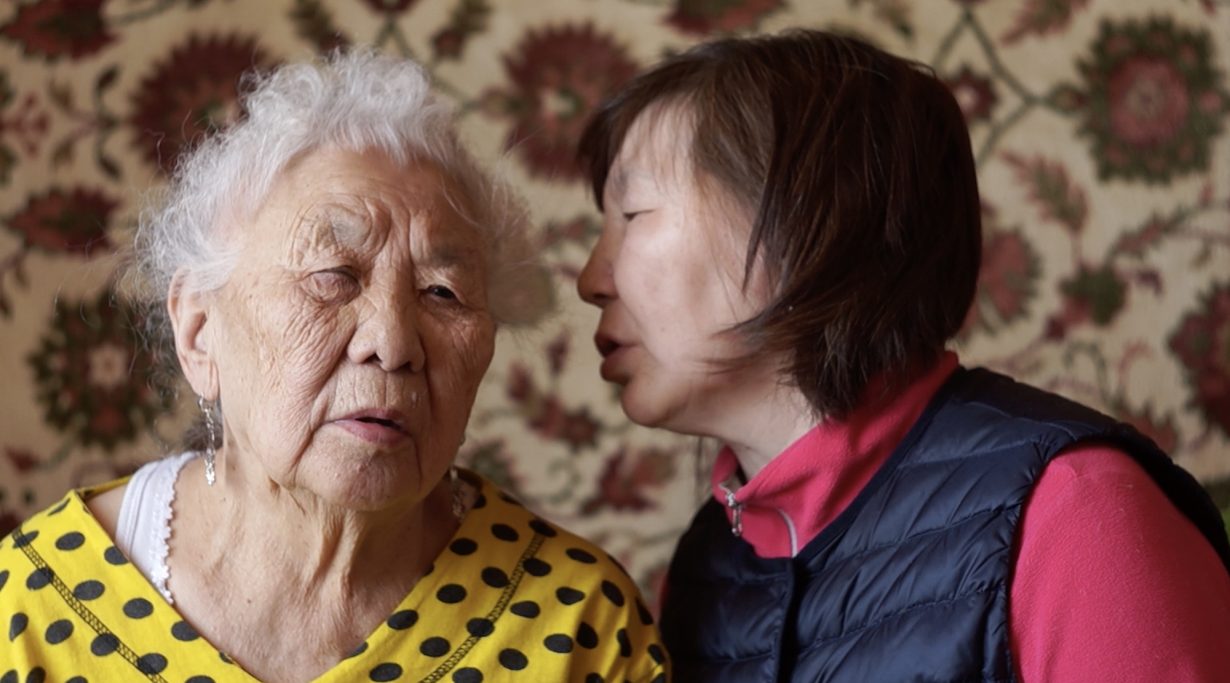
The war in Ukraine has intensified these conditions. In a postscreening discussion at e-flux, Romanova noted the disproportionate drafting of Indigenous men from regions like Yakutia, describing the extraction of bodies from resource-rich territories as a form of “silent genocide”. Many people visible in Voyage of Jeanette have since been conscripted, while Romanova is in self-exile. This separation has sharpened her attention to the ways visual technologies are bound to territorial power.
Formally, Romanova embraces heterogeneity, with iPhone footage, degraded 1990s video, television broadcasts and found material foregrounding mediation as a condition of seeing. Sakha rap, rock, punk, recur across her work as evidence of the joys, tensions and interrogation of interpolation.
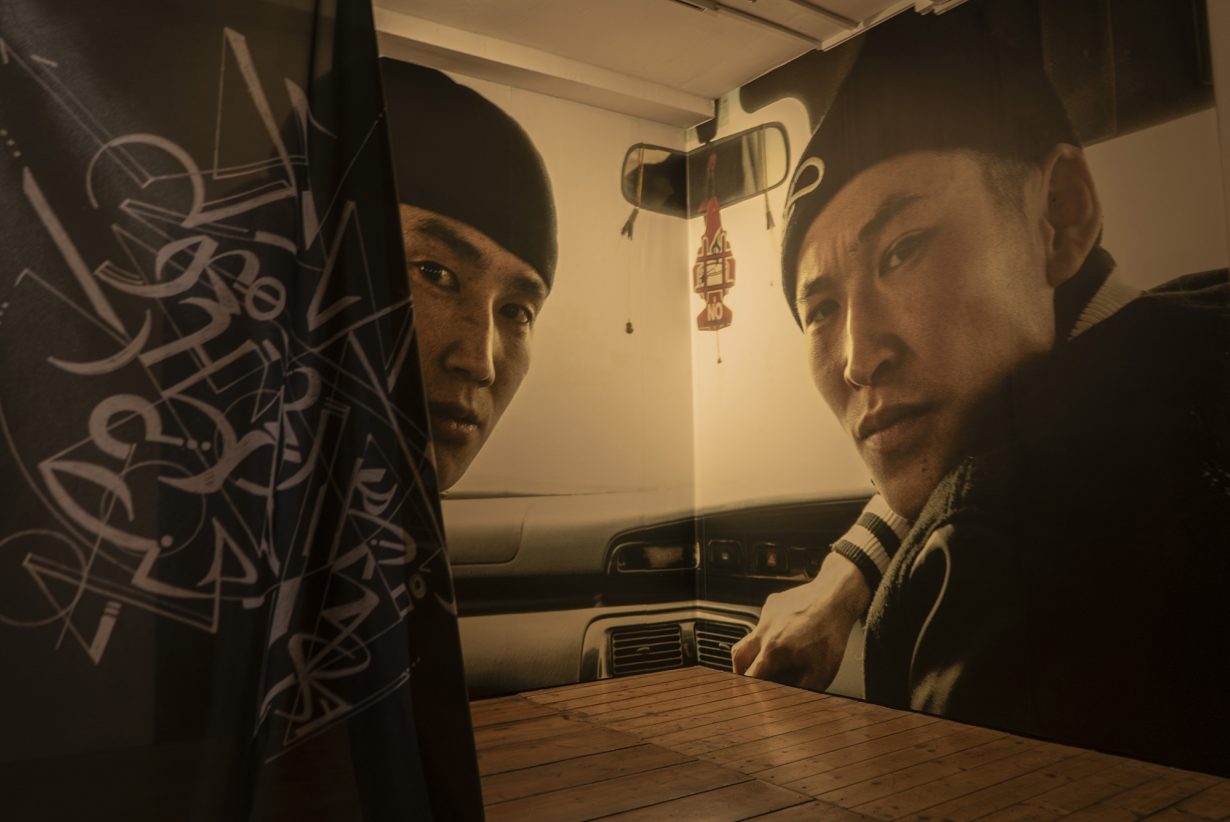
These concerns extended into Romanova’s 2024 exhibition at ACUD Galerie in Berlin, dedicated entirely to an archival analysis and embodiment of Sakha rap, structured as a hybrid lecture, video performance and exhibition, with a zine featuring Könyl Sïr, a digital collective holding on for now in Telegram.
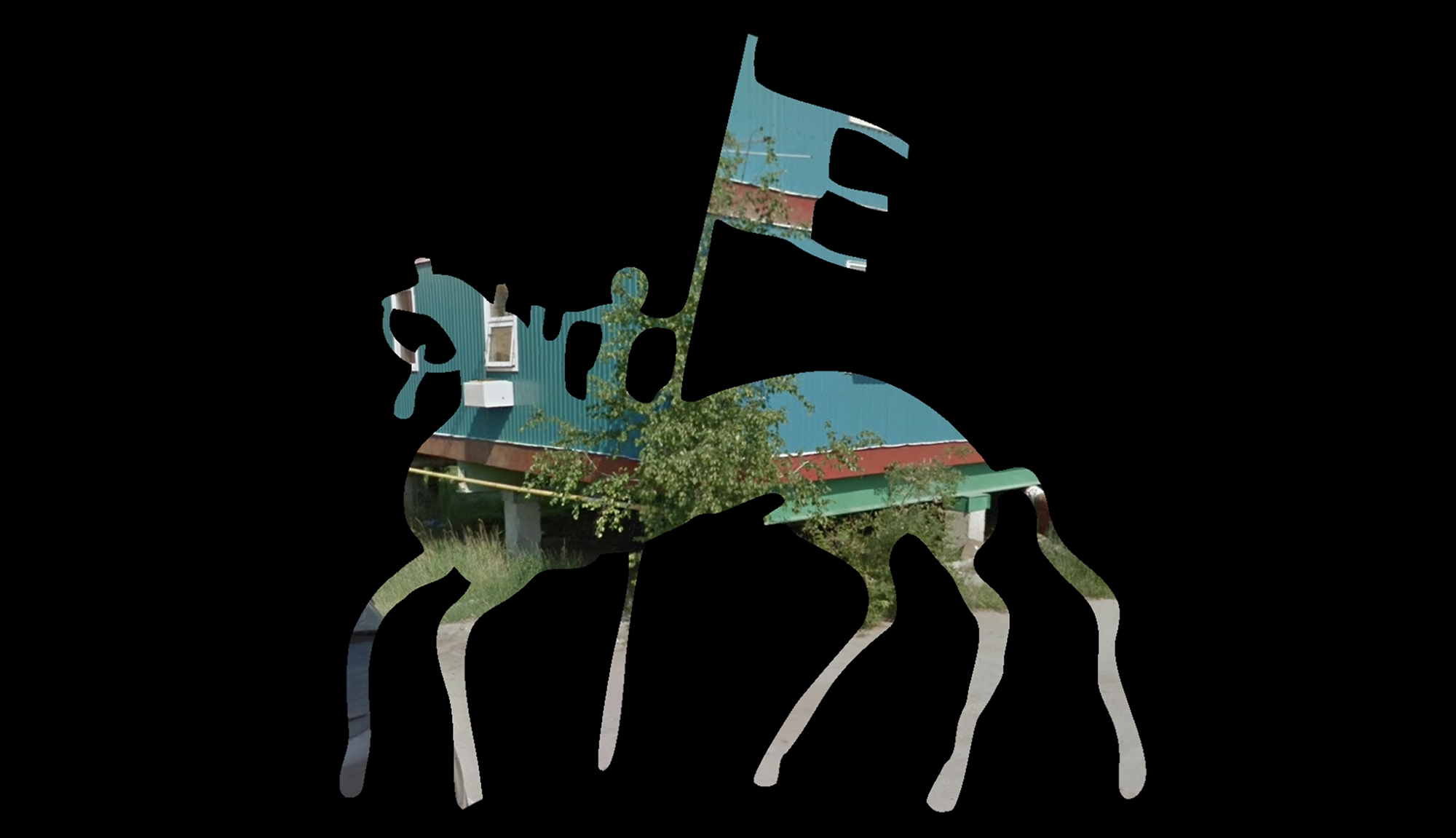
Out of this specificity emerges shared questions across Indigenous contexts: how to make images without reproducing extraction? How to assert contemporaneity without conforming to inherited expectations? Romanova increasingly – in short films like Hinkelten (2023), screening on Criterion, or Altyn At (2026), which exploded as an operatic pitchshifting performance during New Red Order’s Urge 2 Merge in the inaugural Boston Public Art Triennial – insists on redefining the terms of visibility. Her works remind us that the future of moving-image practice may depend less on formal novelty than on who controls the archive, whose hands hold the camera, whose desire ‘to see’ is finally taken seriously and who, despite apprehensions, is ready to embrace the rigour of resilience, beyond acknowledging its limitations.
From Hinkelten: “At the Xing, where renderings of ruins are endless, how do you depict love?”
This is for us.
Explore the 2026 Future Greats
Svetlana Romanova is a Sakha/Even artist and filmmaker from Yakutsk, the capital city of the Sakha Republic, Russia. Her work foregrounds Indigenous visual language, particularly in the Arctic regions. She is a 2025–26 Film Study Center fellow at Harvard University, Cambridge.
Selected by New Red Order (Adam Khalil, Zack Khalil and Jackson Polys), collective, New York