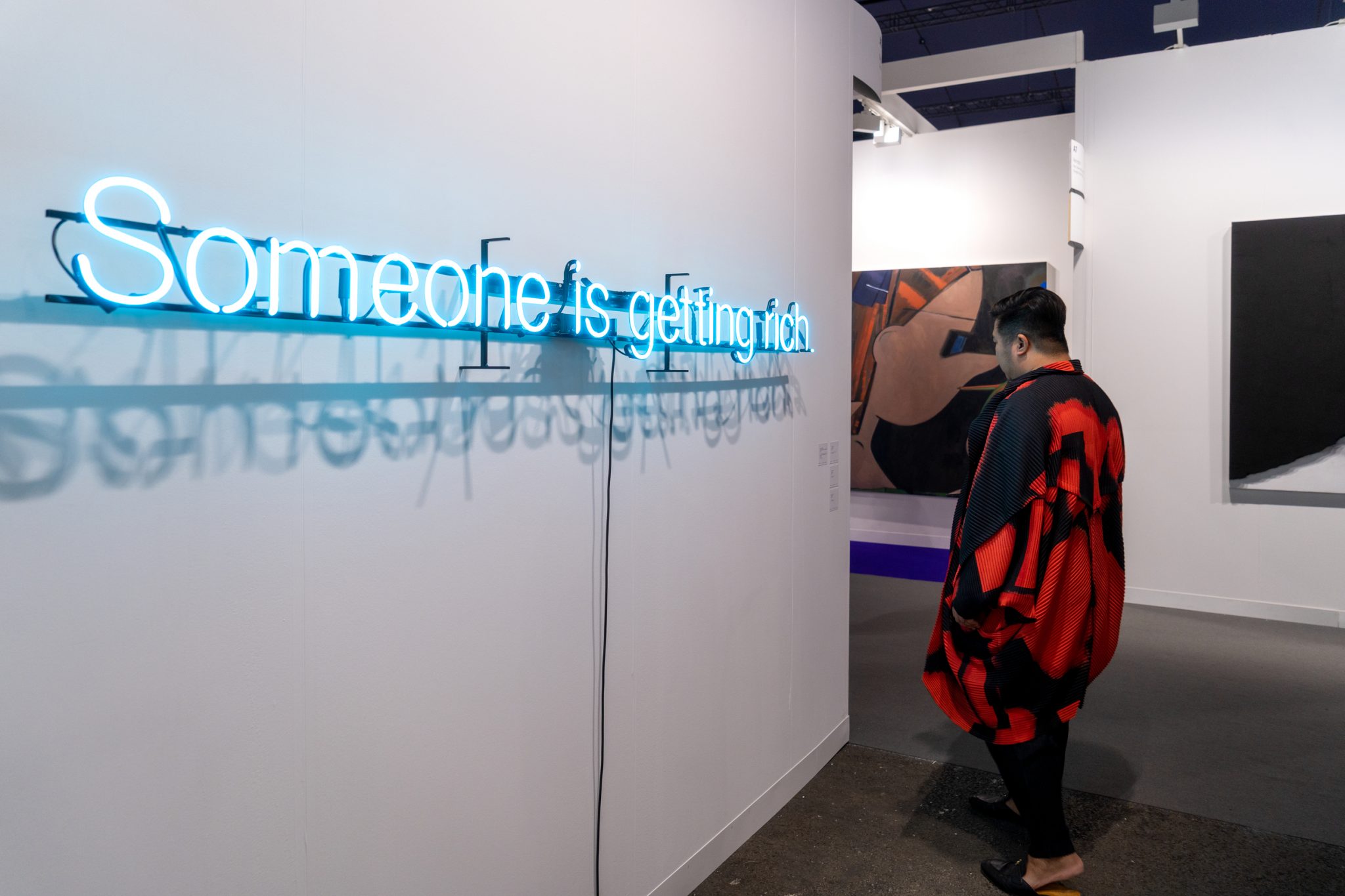
“In my practice, Cyprus operates as a method: its complex histories and political conditions shape the conceptual and emotional dimensions of my work”
ArtReview sent a questionnaire to artists and curators exhibiting in and curating the various national pavilions of the 2026 Venice Biennale, the responses to which will be published daily in the leadup to and during the Venice Biennale, which runs from 9 May through 22 November.
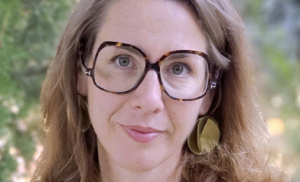
Marina Xenofontos is representing Cyprus; the pavilion is at the Associazione Culturale Spiazzi.
Celebrating Visions. Versace partners with ArtReview to share stories from the 2026 Venice Biennale.
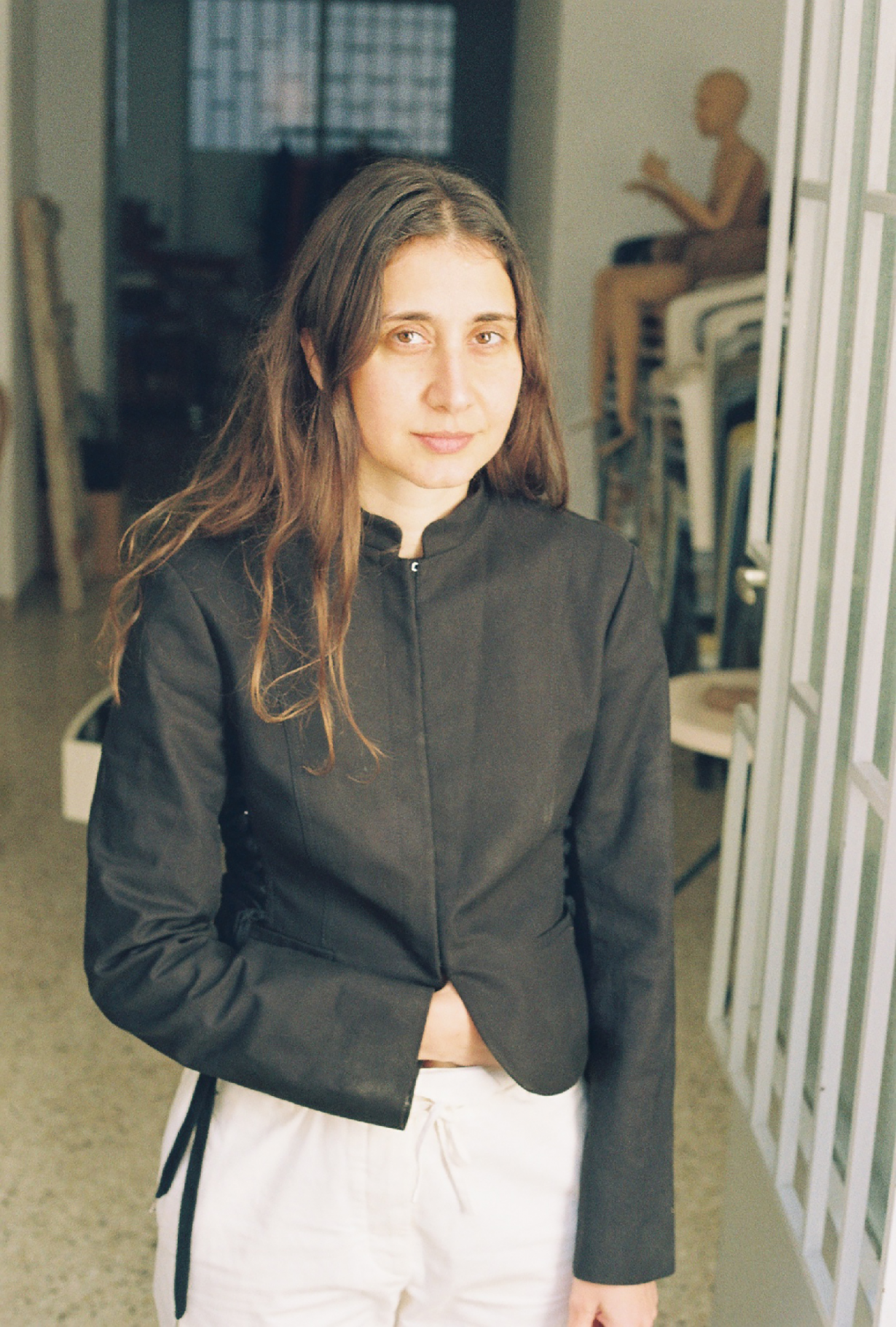
ArtReview Tell ArtReview what you plan to exhibit in Venice. What has influenced or inspired you?
Marina Xenofontos At the centre of It rests to the bones is Passer, an animatronic female sparrow modeled on early European automata. Its fragile, repetitive gestures hover somewhere between life and mechanical endurance, and it became an emotional anchor for the exhibition.
I have been working on newly composed songs with my long-term collaborator Panagiotis Mina, using recordings of folk and ecclesiastical songs sung by my grandmother, Amalia Strati, and her sisters, Rebbecca Hadjipapa, Anthulla Fylachtou and Chrystalla Pittaka, captured shortly before the eldest’s passing. Sung across Greek Cypriot and Turkish Cypriot dialects in Koilani, a village near Limassol, these songs carry humour, tenderness and quiet forms of resistance shaped within the constraints of conservative village life. The voices of the Ayisilaou sisters hold collective memory, sustaining ways of knowing that exist beyond official histories. These works form the starting point of my thinking about the pavilion and unfold alongside works developed through longer-term research, repetition and slow accumulation.
AR In what ways (if at all) does your work relate to the theme of the Biennale exhibition, In Minor Keys?
MX My work resonates with In Minor Keys through its focus on low registers: whispering gestures, fragile movements, vernacular sound and the quiet persistence of memory. Rather than grand narratives, it dwells in intimacy, folklore and minor acts of endurance. The works foreground repetition and the measurement of time – days, hours, years – as modes of survival. These gestures align with the Biennale’s proposition of art as soft insistence, attentive maintenance and listening to sound, space, material and absence.
AR Why is the Venice Biennale still important, if at all?
MX I have always loved Venice – for its architecture, its romantic idealism and the almost hyperreal quality of the city. The Biennale remains important because it tries to be one of the few truly global art platforms. Locally and abroad, it brings creative communities together, offering a space to act, respond and engage collectively. The Cyprus Pavilion in particular has been crucial to the local art scene, and I feel honoured to contribute my work to its ongoing conversation.
The idea of visibility and presence resonates with the insights of Small States in the Modern World: The Conditions of Survival (1979) edited by Peter Worsley and Paschalis Kitromilides. The book explores how small states, like Cyprus, navigate precarious positions between external threats and internal divisions. It emphasises that nations are often constructed phenomena, mobilised through shared culture, institutions and sometimes exclusionary mechanisms to unify populations and assert identity. The nature of the Venice Biennale means that it reflects shifting geographies of power, from early twentieth-century national pavilions to contemporary curatorial approaches that navigate globalism.
AR What role does a national pavilion play at a time of increasing confrontational nationalisms? Is it about expressing difference or commonality?
MX A national pavilion occupies a complicated position. Its value should lie less in asserting a fixed identity and more in providing an accessible platform for collective reflection.
When it comes to the Cyprus Pavilion, Cyprus should stand as a multicultural entity with its layered and complex history. The pavilion can neither be read as a simple national statement nor as a singular identity; instead, it should gesture towards the multiple, overlapping narratives that coexist within the island.
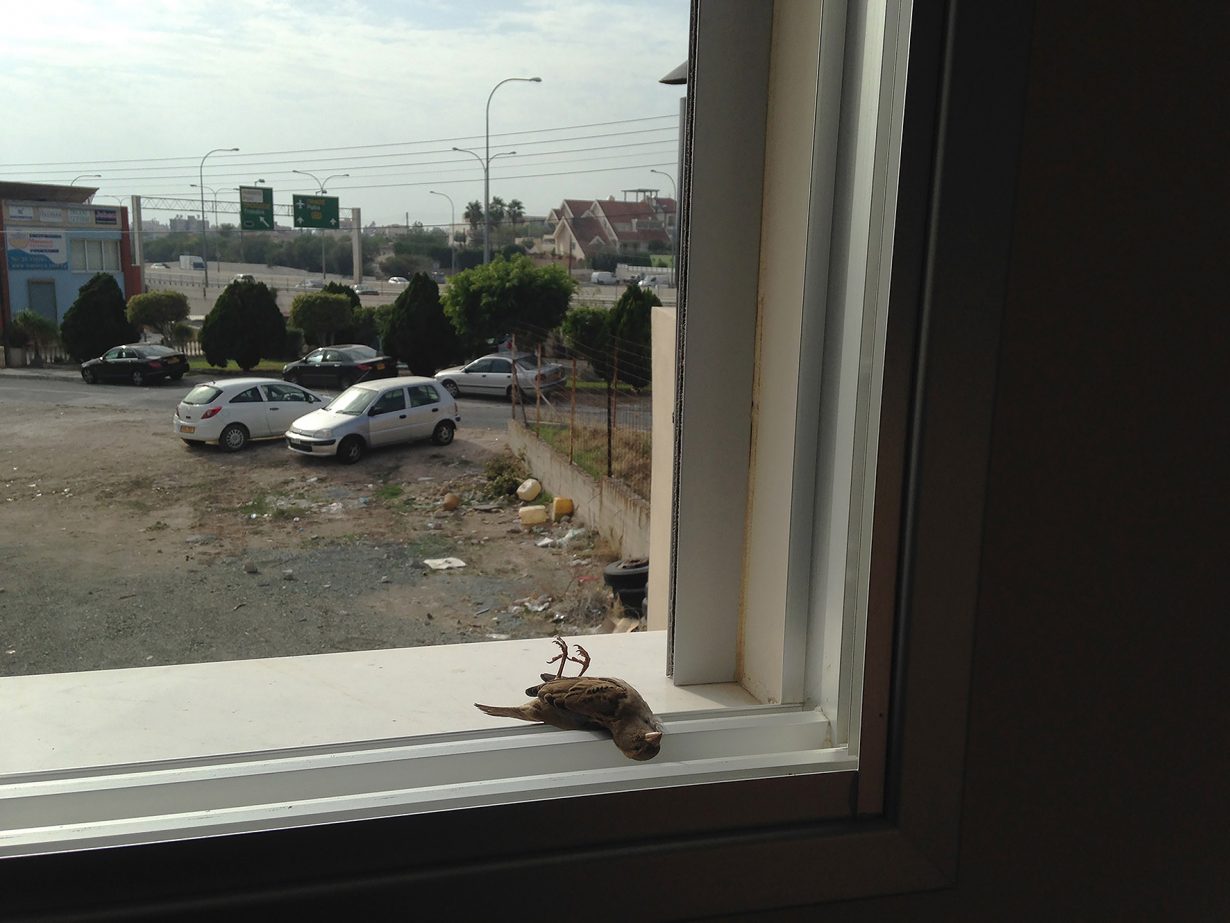
AR Who, for you, is the most important artist (in any discipline) that your country has produced?
MX It’s not possible or fair to pick a single most important artist. So many remarkable artists have come from Cyprus. Among them fashion designer Hussein Chalayan, who took on the ideas of home and displacement in his spectacular Fall 2000 show, creating work that continues to resonate today. He transformed fashion into a medium for exploring memory, identity and the tensions of belonging.
AR What is something you want people to know about your nation that they might not know already?
MX That Cyprus is not simply divided, frozen or unresolved – but constantly negotiated. It is a place where history remains materially present, embedded in architecture, landscapes and everyday life. The island is often framed through geopolitical simplifications, yet its lived reality is far more layered: multilingual, multicultural, intimate, contradictory, tender and violent all at once.
AR Given that you are exhibiting in a national pavilion, is there something (a quality or an issue or attitude) that distinguishes the art of that nation from that of others? What makes it particular? Are there specific contexts that it responds to? Or do you think that art is a universal language that goes beyond social, political or geographic boundaries?
MX Defining a national style in contemporary art is a fraught exercise. The artworld is highly interconnected and national pavilions function less as fixed expressions of nationhood than as spaces where local specificity meets international discourse. In my practice, Cyprus operates as a method: its complex histories and political conditions shape the conceptual and emotional dimensions of my work, guiding forms and ideas without limiting them to a singular national identity.
AR What, other than art, are you looking forward to seeing – or doing – while you are in Venice?
MX Walking. Getting lost. Drinking bad coffee at the bar early in the morning. Sneaking into churches. Watching light hit water and stone. And I’m excited to have my friends over for the opening.
AR Could you give us a brief overview of your average working day while creating your presentation in Venice?
MX I have been waking up early, often with anxiety and nightmares, over the past year. Around 9am, I start receiving messages from Stella at the Ministry, and then at 9:30am from Paola coordinating production, archive and everything. Then tasks for the day are already in motion. I head to the studio or different workshops, where sometimes Alexia is working alongside me, sometimes not. I continue producing, adjusting, recalibrating.
I live mostly in Athens right now, but over the past months I have spent several days each month in Cyprus working both at my house (which acts as a mental portal for archiving and producing) and at Pyrgatory Studios with Panagiotis, making compositional decisions, listening and reworking the audio components of the show. Every Monday at 3pm, I speak with Kyle [Dancewicz, the pavilion curator]. I drink coffee at Adad at Petralona in Athens, lunch at Lontza at Exarheia and most nights I eat at home, my boyfriend mostly cooks, and I continue working until midnight. If I don’t overstimulate myself, I sleep.
AR Can art really change the world?
MX I grew up believing that it could, and I continue making art partly because I still romanticise that idea. The world often feels unforgiving, accelerated, brutal. But art creates small suspensions, spaces for reflection. Maybe it doesn’t change the world. But it can change how we remain inside it.
The 61st Venice Biennale runs 9 May through 22 November 2026