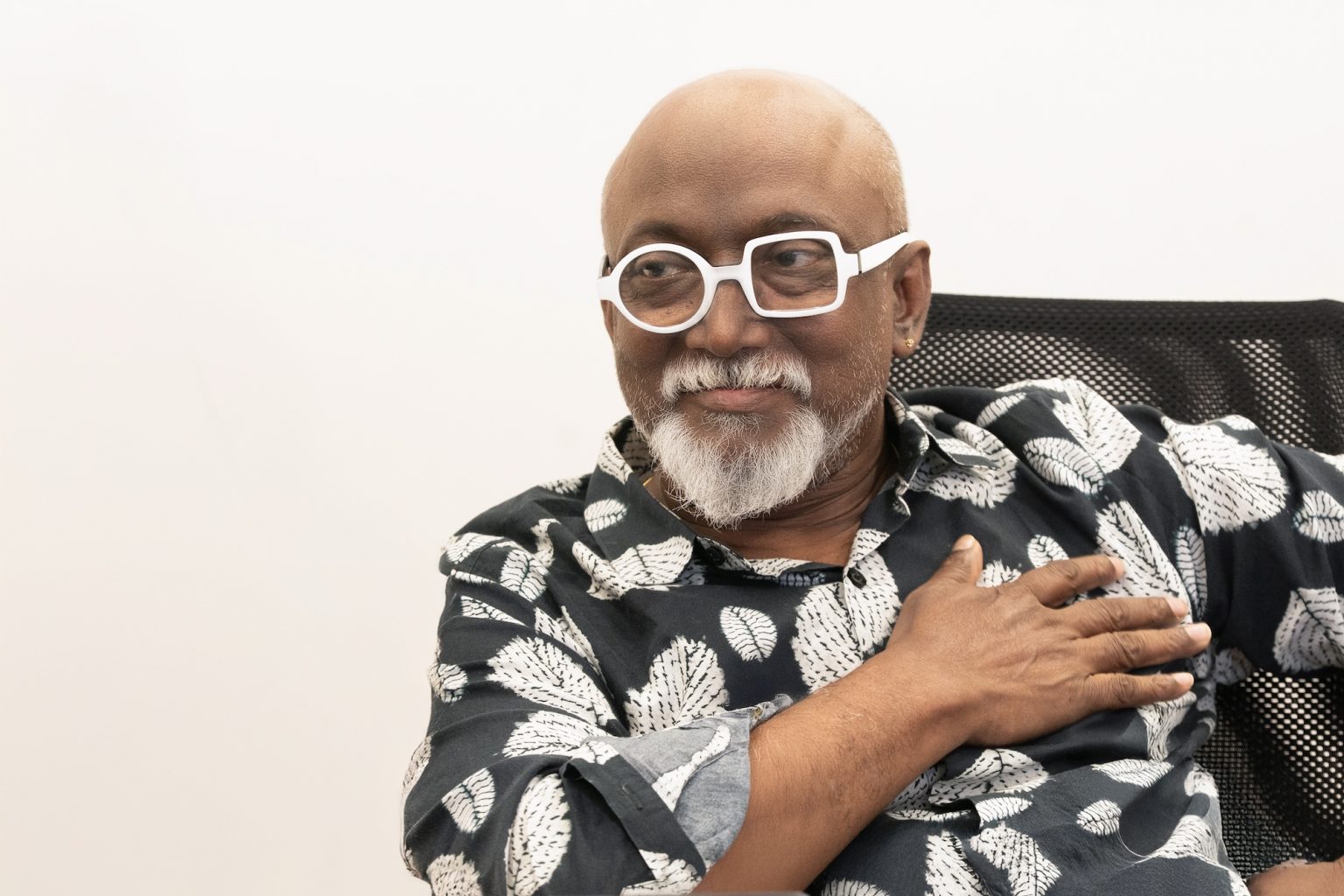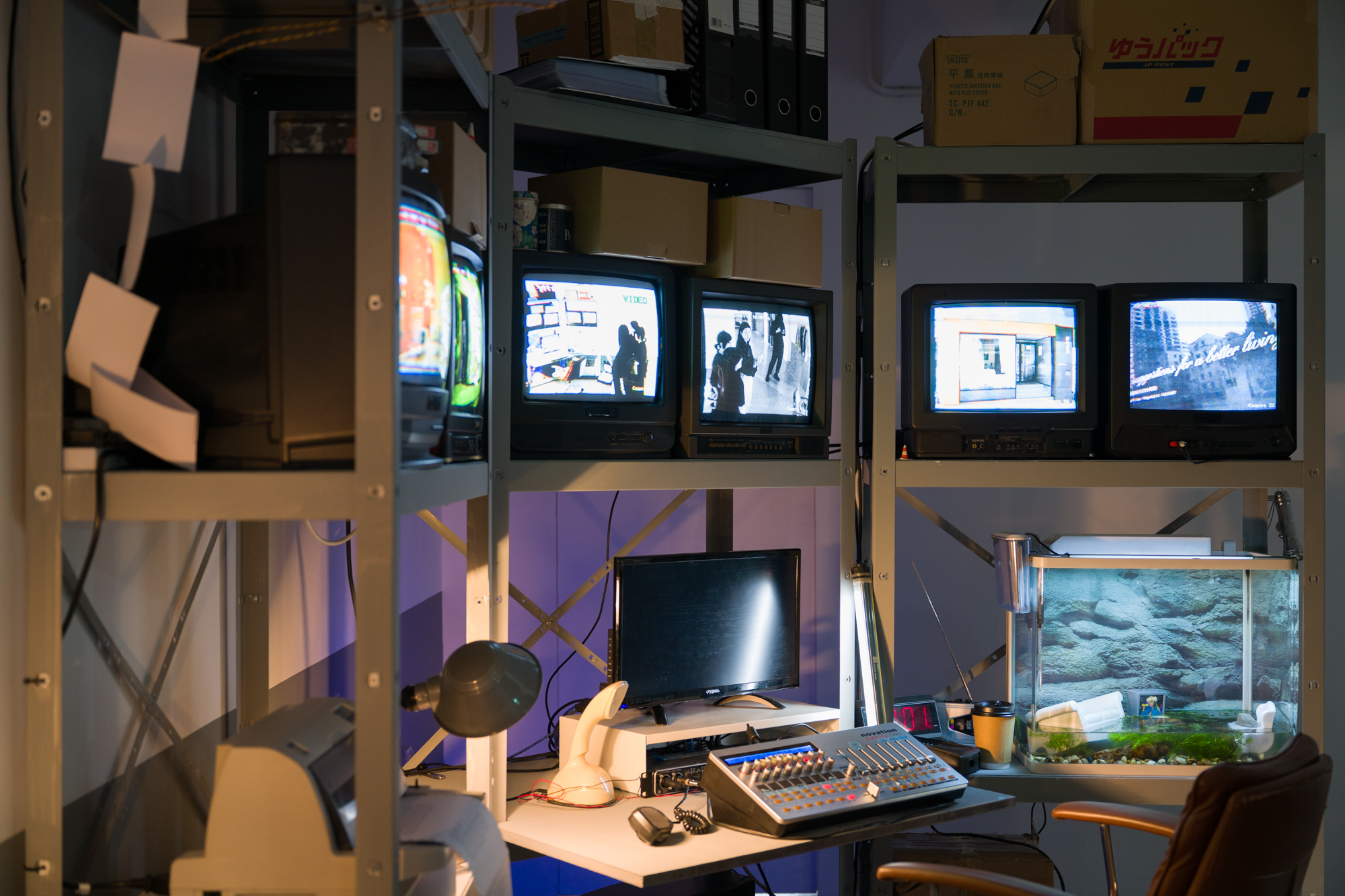
To mark Para Site’s 30th anniversary and launch of their coinciding programme, ArtReview Asia caught up with Junni Chen, who has been the organisation’s deputy director since 2024. In the role, she develops strategic partnerships and establishes collaborations between cultural producers as well as new and existing audiences.
The 30th anniversary programme takes inspiration from the center’s earliest exhibitions, particularly the practice of pairing artists whose works respond to one another. It will unfold across a year of exhibitions, live performances and residency programmes, celebrating the contemporary artistic ecosystems of Hong Kong and the broader Asia-Pacific region.
ArtReview Asia Much of the anniversary programme seems structured around acts of response – artists responding to other artists, histories responding to the present. How did this framework shape the selection of projects and collaborations across the year?
Junni Chen Para Site was founded by seven Hong Kong artists in 1996, just before the British handover. In the first year of its operation, the artists moved into a ‘derelict and abandoned’ shop in Kennedy Town, on Hong Kong Island. They staged three exhibitions in the first year.
The driving impetus behind the establishment of Para Site (‘para’ meaning beside and ‘site’ meaning place or space), was that the artists – all of whom worked in installation, community-based moving image, photography, and other mediums not considered traditional at that time – only ‘wanted to exhibit collectively in order to gain experience from mutual inspiration and interaction’ (Warren Leung, 1996). Since its inception, Para Site has been through many different stages of evolution, and has pursued many different exhibition and presentation formats. Today, it has evolved into an active contemporary arts center with the mission of supporting early-to-mid-career artists with a focus on the Asia-Pacific region, while bridging local and international arts ecosystems. We present exhibitions, residencies,and educational workshops year-round.
Para Site provides opportunities for artists and art practitioners to exhibit, present ideas, and develop professionally by making platforms for them to be in conversation with other professionals from different generations, backgrounds and geographical locations. At its heart, the framework for the programme is motivated by allowing new possibilities to emerge by putting together entities that have not yet collaborated or interacted with each other and seeing what comes out of it. It uncovers possibilities in mobility, liminality, and urban history through the year’s events.
ARA How did you approach the challenge of marking thirty years while avoiding a purely retrospective framing?
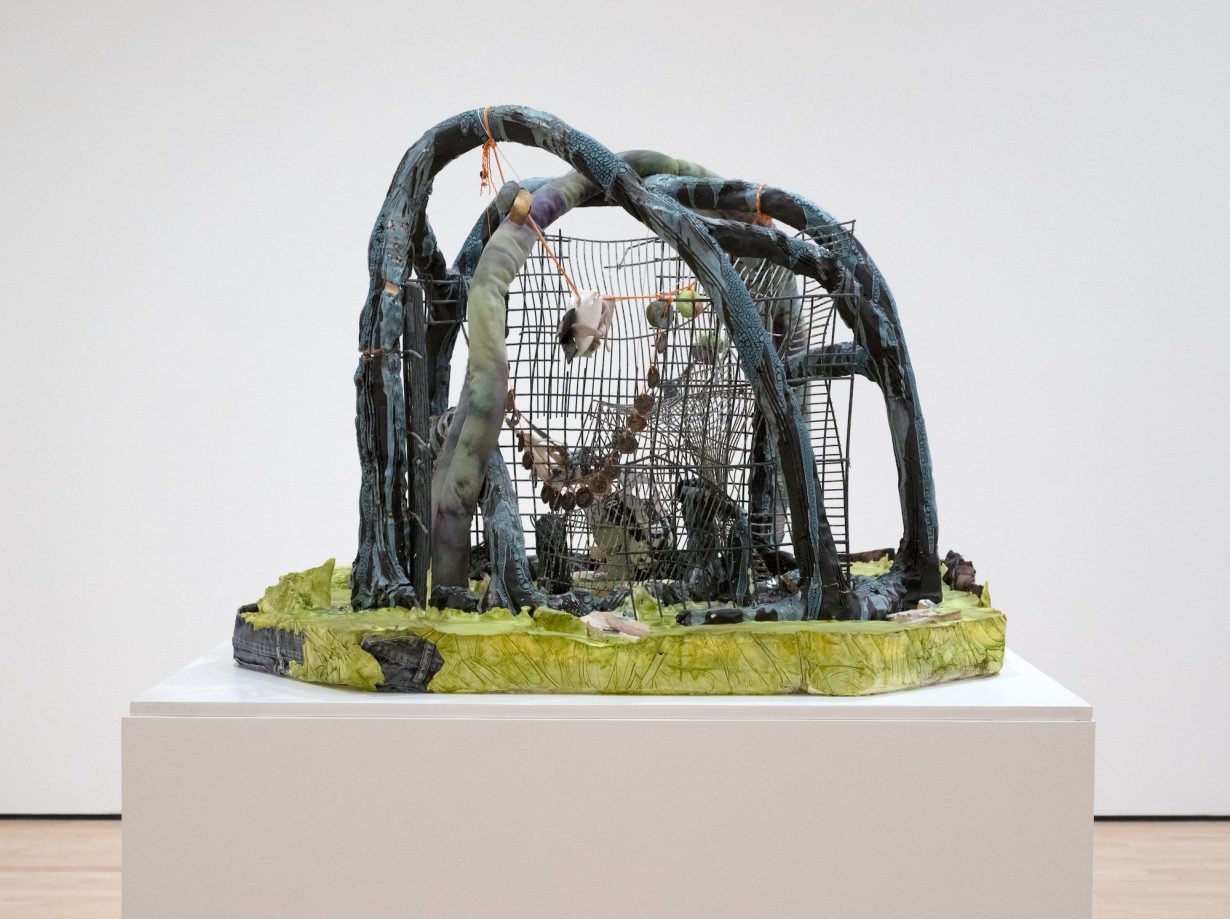
JC When discussing the thirty-year history of Para Site in informal conversations with previously exhibiting artists or members, the team was often struck by the experimental spirit that guided the space. It was a highly contingent project that looked forward to discovering what’s next, what could happen. And it continued to evolve over time. We embraced that spirit of evolving not through looking back at what we have achieved, but to try to see what else we could foster. In particular, I’m keen to see what ideas and practices will ferment through our first exchange residency. We’ve partnered with Delfina Foundation and Cheng-Lan Foundation to receive a UK-based practitioner in Hong Kong, and for Delfina to receive a Hong Kong-based practitioner in London.
Both participants will be selected on the basis of us perceiving possible synchronicities in their practices. The idea is to have them come into conversation with each other in this structured fellowship. Through sharing ideas, experiences, and exchange, we hope that something new will emerge – whether it’s a new approach, idea, or even project – that will further impact their career. These are the kinds of programmes that we have defined to continue this spirit in the present.
ARA The opening exhibition Site-seeing revisits the institution’s 1996 exhibition of the same name, exploring the relationship between urban space, memory and artistic practice. What felt urgent about returning to these questions today, particularly in the context of Hong Kong’s rapidly transforming urban environment?
JC Geopolitically, culturally, and economically, Hong Kong – and the greater region near us – has undergone various transformations over the years. The original exhibition staged in 1996 featured work by Sara Wong Chi Hang and Phoebe Man, both of whom drew on their senses and personal feelings of the old district of Kennedy Town to create installations in Para Site’s original space. Para Site has always been interested in how art practices intersect with our urban environment – after all, all our spaces have been quite embedded in the urban fabric, if you will. Many exhibitions previously presented at Para Site have also addressed various facets of our relationship with urbanity. In our 2026 iteration, what comes to the fore for many of the artists is the sense that our spaces are increasingly moulded by various forces: real estate developers or governmental agendas, for instance.
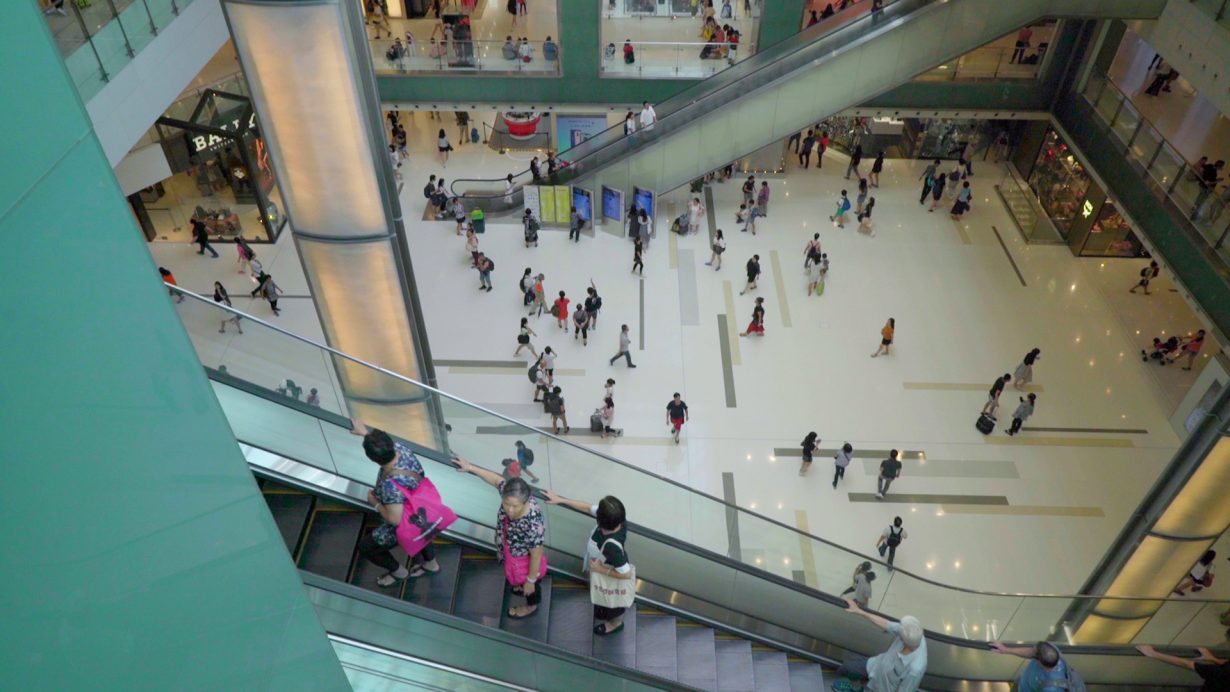
In the exhibition, a monumental sculpture by Stella Zhong (born 1993, Shenzhen; lives and works in New York) which references glass-and-steel buildings that dot city skylines, is placed next to a video work by artist duo Wang Bo and Lu Pan (lives and works between Amsterdam and Hong Kong) with excerpts of their feature length film Many Undulating Things (2019). It offers a historical look into the development of shopping mall architecture in Hong Kong, beginning with Wardian cases used in the British colonial era. Seen together, the two works speak to how such forces have coloured the way we view the world. These forces have not slowed: in fact, Covey Gong (born 1994, Changsha; lives and works in New York) is showing a work entitled After The World (2025) that explores how urban development is re-shaping Chinese cities further afield. Grappling with themes of displacement, alienation, and societal fragmentation, the work presents a poignant meditation on how much of contemporary life is shaped by the rapid economic expansion and globalisation.
ARA Many of the artists in Site-seeing were born between the 1970s and 1990s and come from cities across the Asia-Pacific region and beyond. What kinds of perspectives were you interested in bringing into dialogue through this exhibition?
JC We were hoping to bring in perspectives from artists who grew up in the shadow of the Asia-Pacific’s rapid transformation in the post-war era, when vast capitalist urbanisation took place. These changes have made enough of an impression on us that it has seeped into the formal and conceptual vocabularies employed in this show. It’s interesting to present it to a city that can, at times, feels as though it’s constantly changing and developing,
ARA Projects like Elsewhere in Me extend the anniversary programme beyond Para Site’s physical space into different venues across the city. What possibilities does working off-site open up for the institution and for the artists involved?
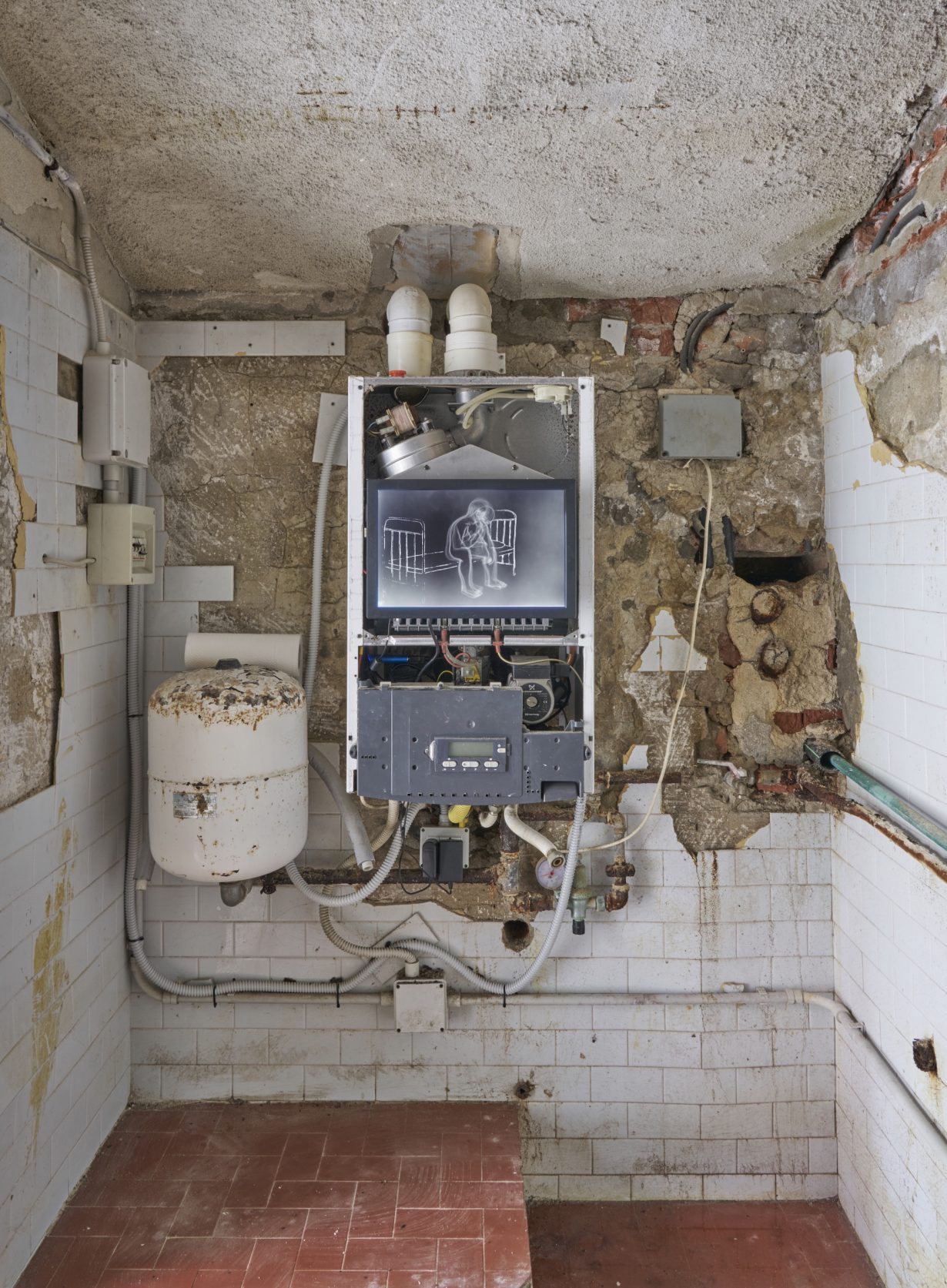
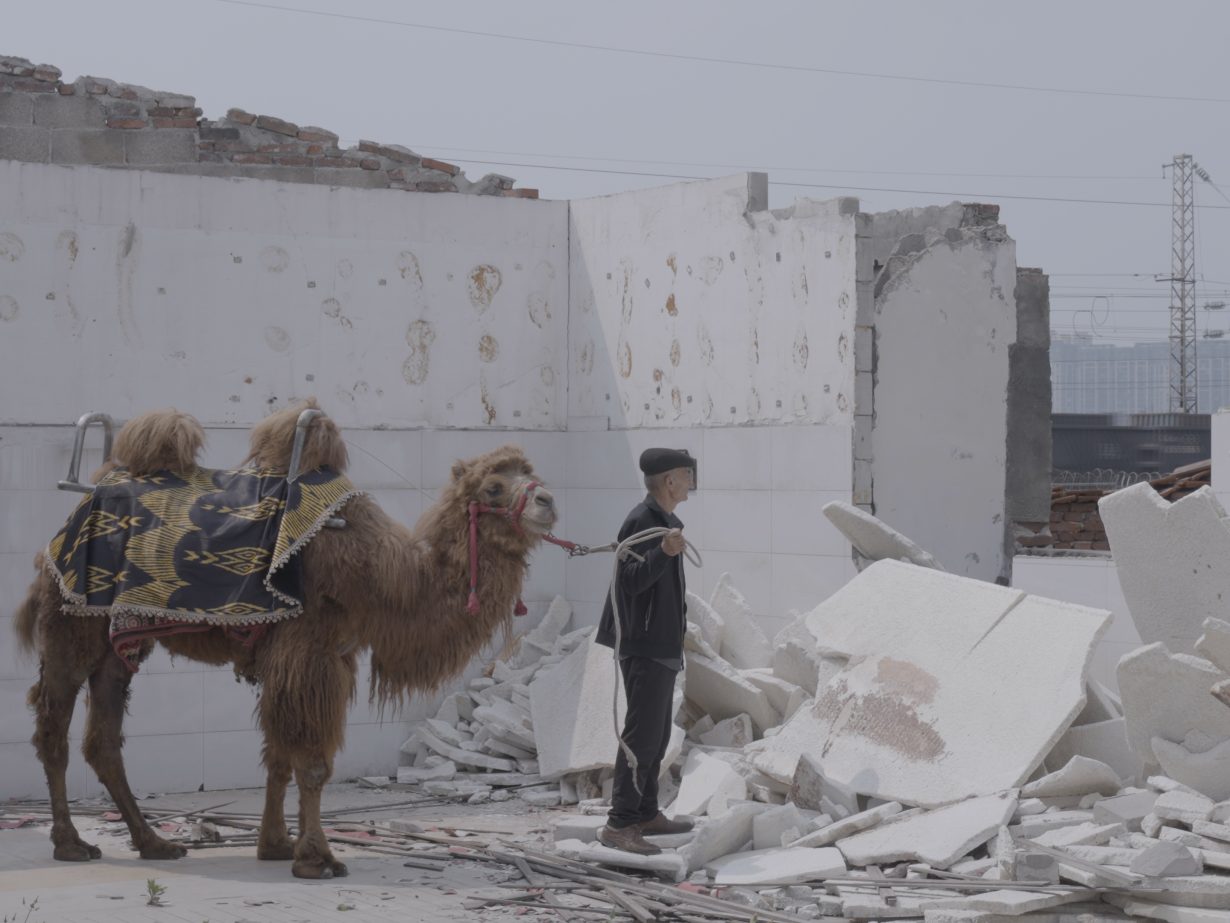
JC Working off-site challenges the curatorial team to think about how contemporary art practices can be experienced outside the confines of a regular gallery setting. Throughout its history, Para Site has tried to present art in various contexts: Lygia Pape’s performance on Chater Road in Hong Kong is one stunning example. Through working outside our space in Quarry Bay, we hope to make contemporary art more accessible to diverse audiences, while also enabling us to collaborate with a wider range of partners. What is particularly exciting is the possibility of giving artists new settings, and hence new inspiration, to work with. We’ve begun exploring the use of different spaces as filming locations for certain artists’ works, and other ways of presenting art that can feel fresh and exciting. Our Curator, Celia Ho, and Assistant Curator, Jessie Kwok, are currently working on this programme together with a great line up of artists working in performance and time-based practices.
ARA The programme also engages questions of technology and cultural imagination through the revived International Conference. Can you tell us how the International Conference started and what kinds of conversations you now hope to provoke between artistic thinking and technological discourse?
JC The International Conference began as a way for Para Site to address emergent urgencies in the fields of art and the humanities, and to bring together practitioners to think through the year’s selected themes together. It was an important keystone event that allowed us to bring discourses percolating in the field of contemporary art into universities and other higher education institutions in Hong Kong, bridging two different audiences. Although bringing in perspectives from the contemporary art field, it aims to deliver a broader-based seminar-style programme to nurture general discourse around art, humanities, and social studies.
This year, we decided that it was time to focus on technology. Because the audience for this programme is often quite young – university age, or fresh graduates – we wanted to do something that was quite future-forward. And technology, alongside its emergent capabilities, have a huge role to play in shaping our future and our lived experiences. We wanted to address, in particular, the question of how we critically engage with digital infrastructures, and to invite arts professionals to focus on the underlying systems that dictate how art is produced, managed, and accessed in a tech-driven world. What we wanted to provoke was how technology is affecting how we create, how we consume content, and ultimately, how that leads to the creation or dissolution of our ‘commons’ – how we connect with each other, and the structures of power that dictate the playfields upon which we build our communities.
ARA Looking back across thirty years of exhibitions, residencies and public programmes, what do you think is the most urgent question facing the institution right now?
JC The ecosystem in Hong Kong is rapidly changing. The most urgent question that always remains at the forefront of our minds is: what does the ecosystem need today? How do we reconfigure, and rise, to meet these needs? For many years, we have survived in large part because of our flexibility. First, Para Site became an alternative, artist-run space because artists needed space. It then evolved into a curator-driven organisation because what was needed was discourse and professional development. And during that time, it has produced exhibitions and publications to circulate compelling ideas, practices, and voices from Asia, connecting them with overseas arts landscapes. Now, we have a robust ecosystem with numerous institutions, galleries, and non-profits here. Hong Kong, and Asia in general, has made huge strides in improving its artistic landscape over the years. We are starting to lay future plans to ensure that we continue to serve the arts community in ways that are generative and lively. But one thing is for sure: Para Site is not an organisation afraid of change.
Find out more about Para Site: 30 Years programmes, March 16 2026 through December 31 2027.