The celebrity-anonymous artist has finally been unmasked. Good. Now we can stop talking about him
So legendary celebrity-anonymous graffiti artist and media agit-popster Banksy has finally been unmasked. In a lengthy investigative exposé, Reuters journalists traced every clue and trawled historical records to reveal that the alleged Bristolian master is a fifty-something bloke called… David Jones (real name Robin Gunningham). Given that it took so long, and required such digging and expending of journalistic resources – Reuters’s journos went to frontline Ukraine to quiz locals about recent Banksy works that popped up in bombed-out apartments – the question that raises its head is… does anyone really care anymore?
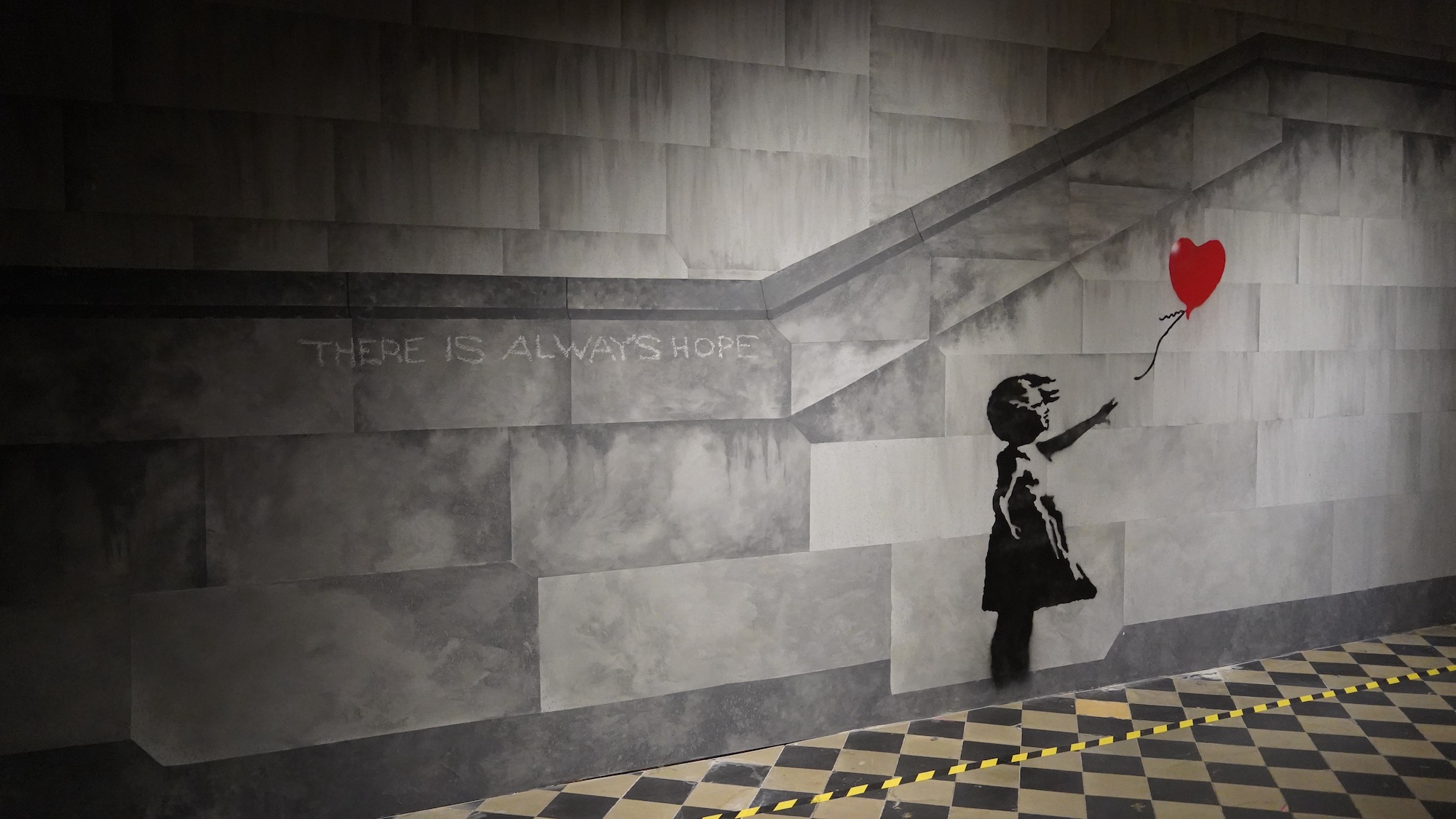
Like many artistic figures to emerge from the punkish antiestablishment swagger of the late 1990s, Banksy has grown up to encapsulate a particular brand of punkish antiestablishment swagger, giving visual shape to the restless, discontented mix of idealism and cynicism that characterised the worldview of Generation X: sentimentally anti-capitalist, disgusted by consumerism and enamoured of environmentalism, suspicious of authority, anti-war and romantically committed to a Manichaean vision of oppressor and oppressed. While Early Banksy balanced this with humour, visual inventiveness and the upbeat side of the cheerful nihilism of the 1990s and 2000s, Late Banksy has become an increasingly un-fun mouthpiece for select political causes, positions that by now have all the edgy, underground minority status of a Guardian op-ed.
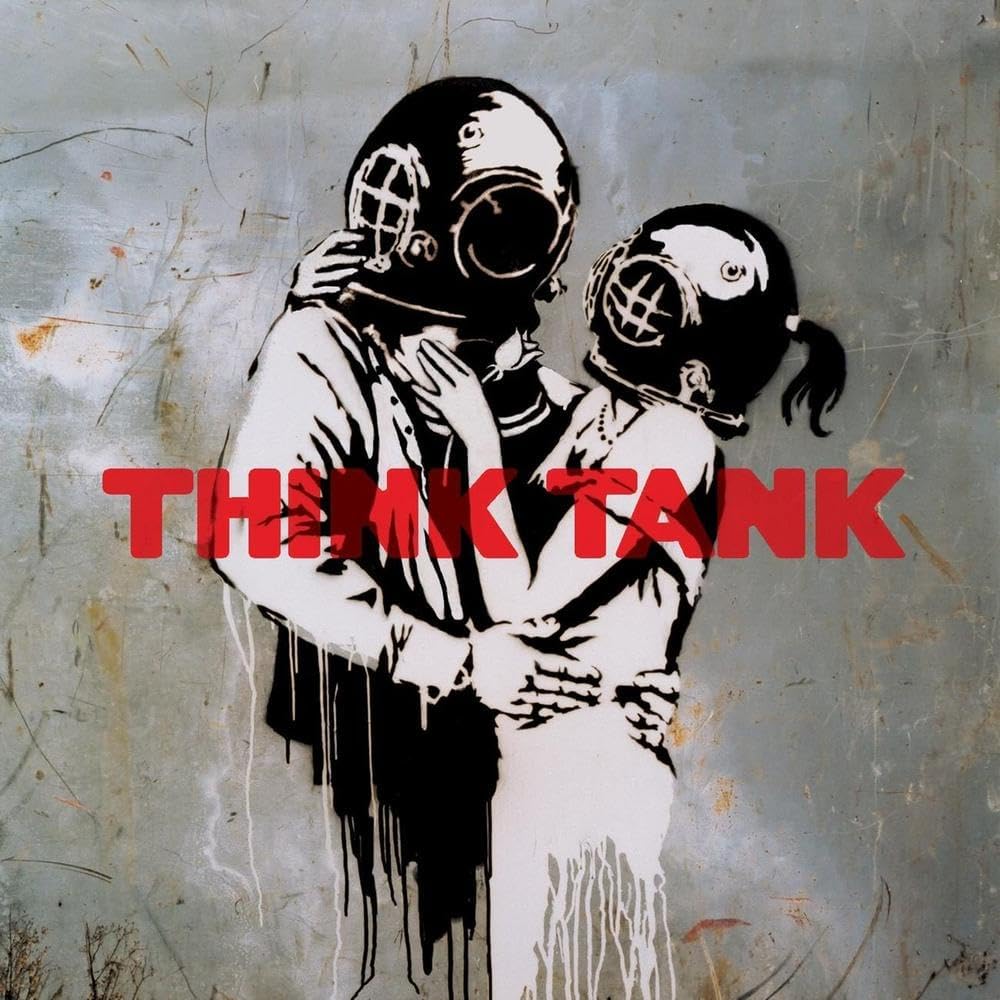
Early Banksy traded in an adolescent mockery of figures of authority – all those British coppers snogging. Early Banksy sketched out a cynical view of a doomed culture we could nevertheless (in the breezy boom years of the 2000s) have a chuckle about. Early Banksy produced that couple in romantic embrace, their heads encased in deep-sea-divers’ helmets, which became the cover for the 2003 album Think Tank, by middle-class indie moaners Blur, and cemented Early Banksy’s position in the pop-cultural zeitgeist. In its own terms, it was a good image (even if the idea was appropriated, or pilfered, from René Magritte’s 1928 painting The Lovers), articulating an idle complaint about social atomisation and the loss of intimacy, along with perhaps an extra dose of eco-anxiety about toxic environments. But it was the early sign of an artist whose imagination existed only to make visual the cultural prejudices and received ideas of a particular section of generational opinion. Banksy was good at isolating the dominant tropes of the liberal-minded post-Britpop mums and dads, those earning good top salaries in the culture industry and partying in the glamping reservation at Glasto while fretting about war and the environment.
As the 2000s wore into the 2010s, Early Banksy’s image-world became the opposite of oppositional, turning increasingly to the visual catechism of banal progressive truisms. Global warming is bad? Check. That consumer lifestyle of yours is empty of meaning? Yep. War is terrible and peace is nice? Absolutely. And after a while the imagery began to be less fun too. The politics became more insistent, and Early-to-Late (let’s say Mid) Banksy’s ego and accruing wealth turned him increasingly into a figure lecturing the public. In 2014, Mid Banksy went to UKIP-voting Clacton-on-Sea (now the parliamentary seat of Reform UK leader Nigel Farage), to paint his ‘anti-immigration birds’, a depiction of ugly, stupid-looking grey pigeons holding up ‘migrants not welcome’ placards against a lone, colourfully plumed ‘migrant’ bird. When, in 2016, British voters voted for the UK to leave the European Union, Mid Banksy headed for leave-voting Dover, occupying the side of a house with a 7m-high mural of the EU flag, and the image of an overalled workman blithely chipping away at one of the 12 stars. To mark ‘Brexit Day’, Mid Banksy made a point of a special display of his 2009 Devolved Parliament, a painting of the House of Commons in which all the human MPs are replaced by chimps. (It sold for £9.9m at Sotheby’s in October 2019; how’s that for antiestablishment?) Those politicians, in case you didn’t get it, are just shit-throwing monkeys.
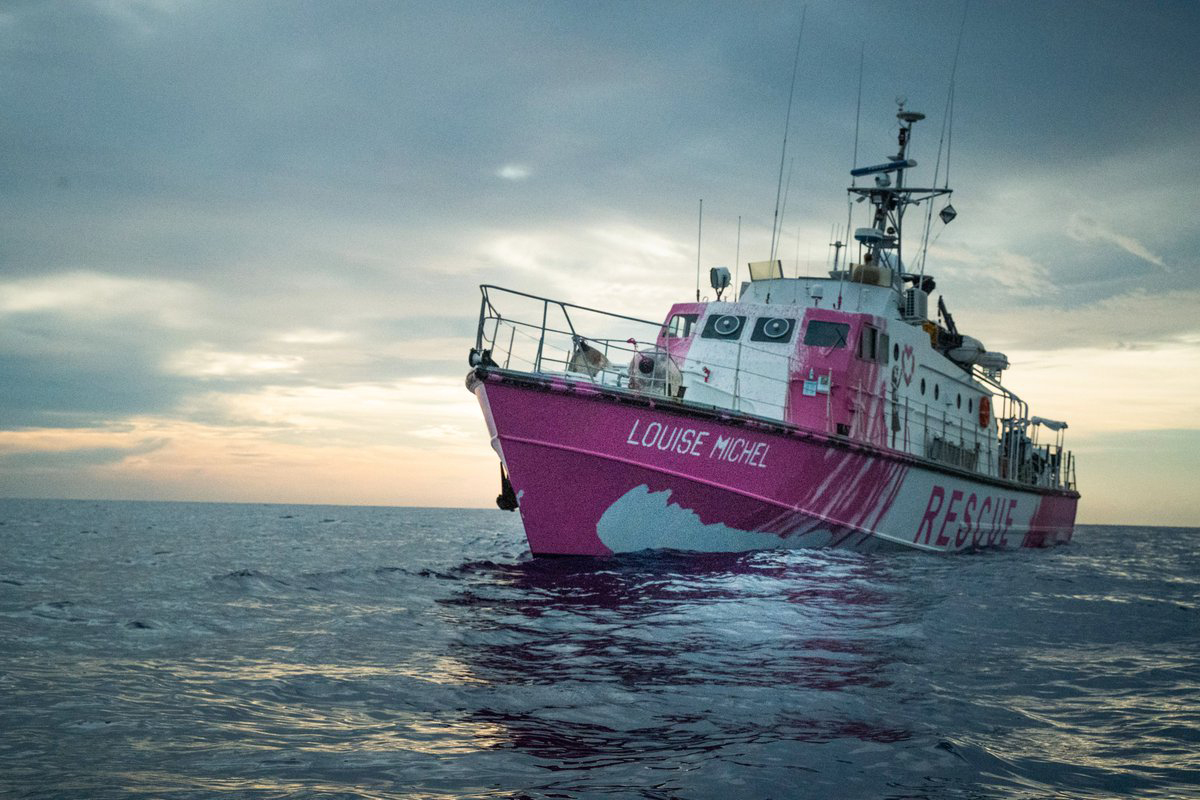
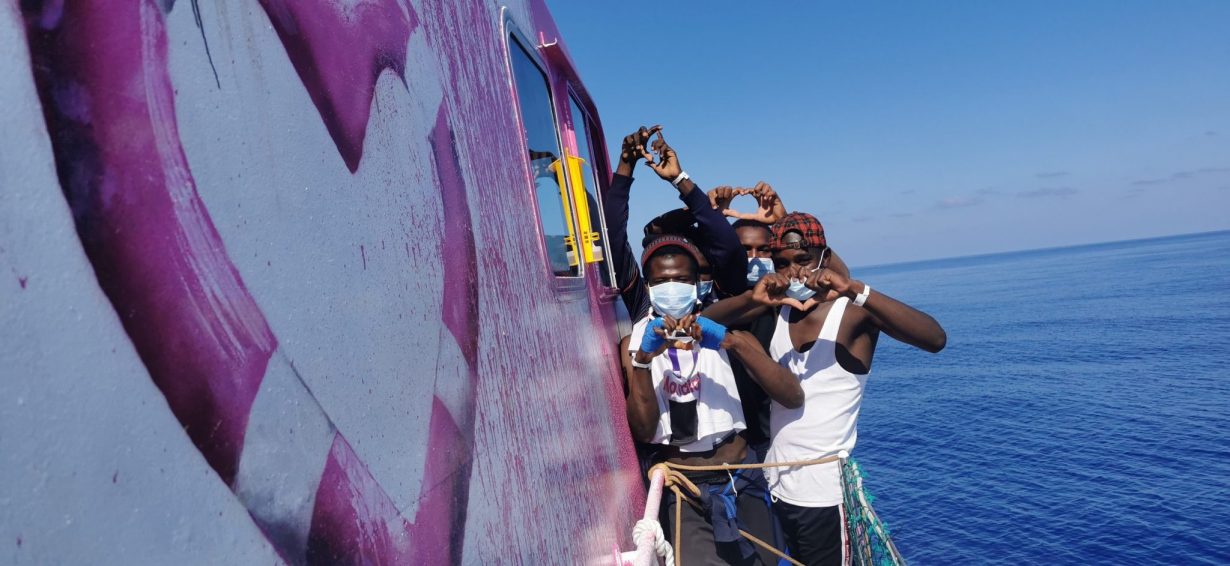
So as Late Banksy has become increasingly frustrated with his fellow Brits and their stupid opinions, his attention has turned elsewhere, bringing his Bono-level saviourism to the oppressed abroad. In 2017, to signal his support of the Palestinians and his dislike of Israeli policy, he opened his popup Walled Off Hotel in East Jerusalem. In 2020, by which time migrants making the perilous crossing from the North African coast to Southern Europe had become a major story, Late Banksy financed a rescue ship to patrol the Mediterranean. With each of these increasingly grandiose stunts, a model became clear: reduce major political and social problems to simplistic good-versus-bad moralising. His latest high-profile adventure sought to highlight the plight of the people of Ukraine, with such standout works as a bearded man in his bathtub overlooking the now floorless ruin of his collapsed home. (It was this creative effort that allowed Reuters’s journalists to identify him, tracing checkpoint records of passport entries.) No doubt the people of Ukraine thank Late Banksy for his concern, but what they probably want is weapons, munitions and air defence systems to eject the Russian forces that threaten and kill them daily. Anti-war? Nothing is ever that simple.
What does anonymity matter in all this? Early Banksy’s mystery identity played to the mythology of the scrappy, truth-telling street artist covering his tracks to avoid the strong arm of the law. As the local authorities gave up fretting about whether it was vandalism and instead started preserving Early Banksy’s oeuvre under Perspex, the anonymity shtick morphed into a useful vehicle for Mid Banksy’s turn to targeting the artworld, the mystique apparently irresistible to the buzzy cohort of millennial collectors who saw in Banky’s assault on artworld etiquette the reflection of their own disruptor, anti-elitist attitudes. By now, though, why should anyone care very much for the anonymity of a wealthy, self-important tourist whose simpleminded opinions impose themselves – tediously and unaccountably – on the public, cosplaying ‘street art’? If we still have to put up with this, we should at least know who we can blame.