During the mid-2010s this Rotterdam-based philosopher organised a symposium at Germany’s Leuphana University of Lüneburg with curator Andreas Broeckmann. 30 Years After Les Immatériaux: Art, Science and Theory invited contributions from philosophers, art historians and artists reflecting on Jean-François Lyotard’s 1985 exhibition at the Centre Pompidou in Paris, which had proposed the idea that telecommunication technologies were altering the human condition. Since then, Hui has written, among other books, Art and Cosmotechnics (2021), which uses Chinese landscape painting as a vehicle for grappling with AI and robotics. His name has appeared increasingly in texts about artists experimenting with emergent technologies, and his notion of ‘cosmotechnics’ – that various cosmologies, including those besides rationalism, have the power to shape the development of technology – was credited by the curators of this year’s Seoul Mediacity Biennale as an influence on their exhibition. Hui’s latest books, Post-Europe and Machine and Sovereignty: For a Planetary Thinking, were published back-to-back in October 2024.
Advertisement
Power 100
Most influential people in 2025 in the contemporary artworld
40
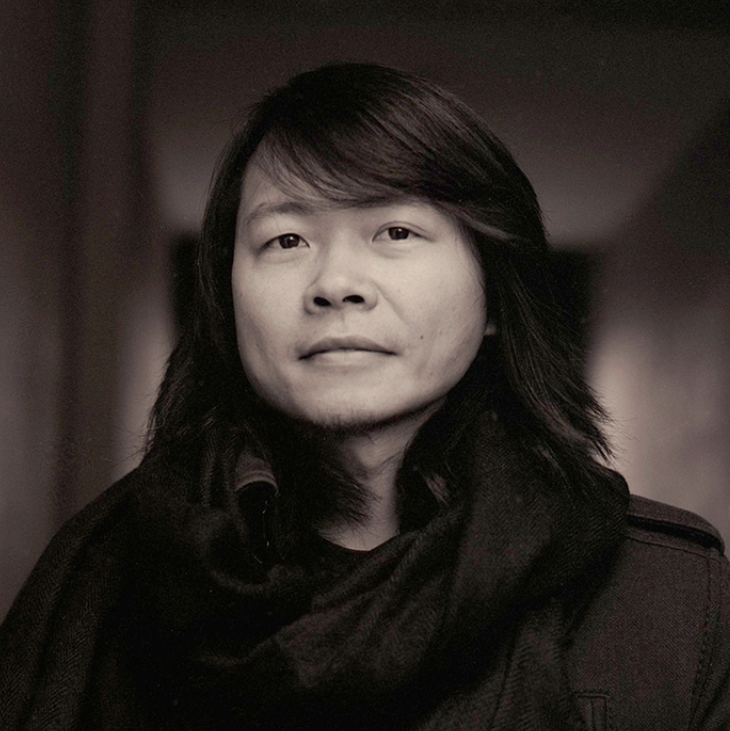
Yuk Hui
Thinker - Key thinker on art and technology
40 in 2025
- 202540
- 2024
- 2023
- 2022
- 2021
- 2020
- 2019
- 2018
- 2017
- 2016
- 2015
- 2014
- 2013
- 2012
- 2011
- 2010
- 2009
- 2008
Related articles


Advertisement


Advertisement