The year in film: 2025 was the year of the social-politics drama. Did any of them have much to say?
Hollywood, a studio writer once told me, moves slowly. It can be a stubborn, immoveable, conservative thing: fearful of risk; disinclined to change. In 2013, after internal documents leaked from Sony film studios, I was struck by its marketing PowerPoint about the thriller Elysium. The now largely forgotten film is set in a dystopian future in which the wealthy elite have fled for a gilded existence in space, while the masses suffer on a burning Earth. In it, Matt Damon (of course) plays a working man’s hero who shoots for the stars, a narrative embraced by the marketing slide: ‘heroic underdog story’, observes one text box approvingly. But then, next to it: ‘Avoid sociopolitical themes’. But times – and even seemingly immoveable institutions – change. Movements including MeToo and #OscarsSoWhite; the furore that followed the 2019 Oscar winner Green Book; the joy of the crowning of Parasite the following year, have since reopened the studio door for films about our increasingly unstable public mood.
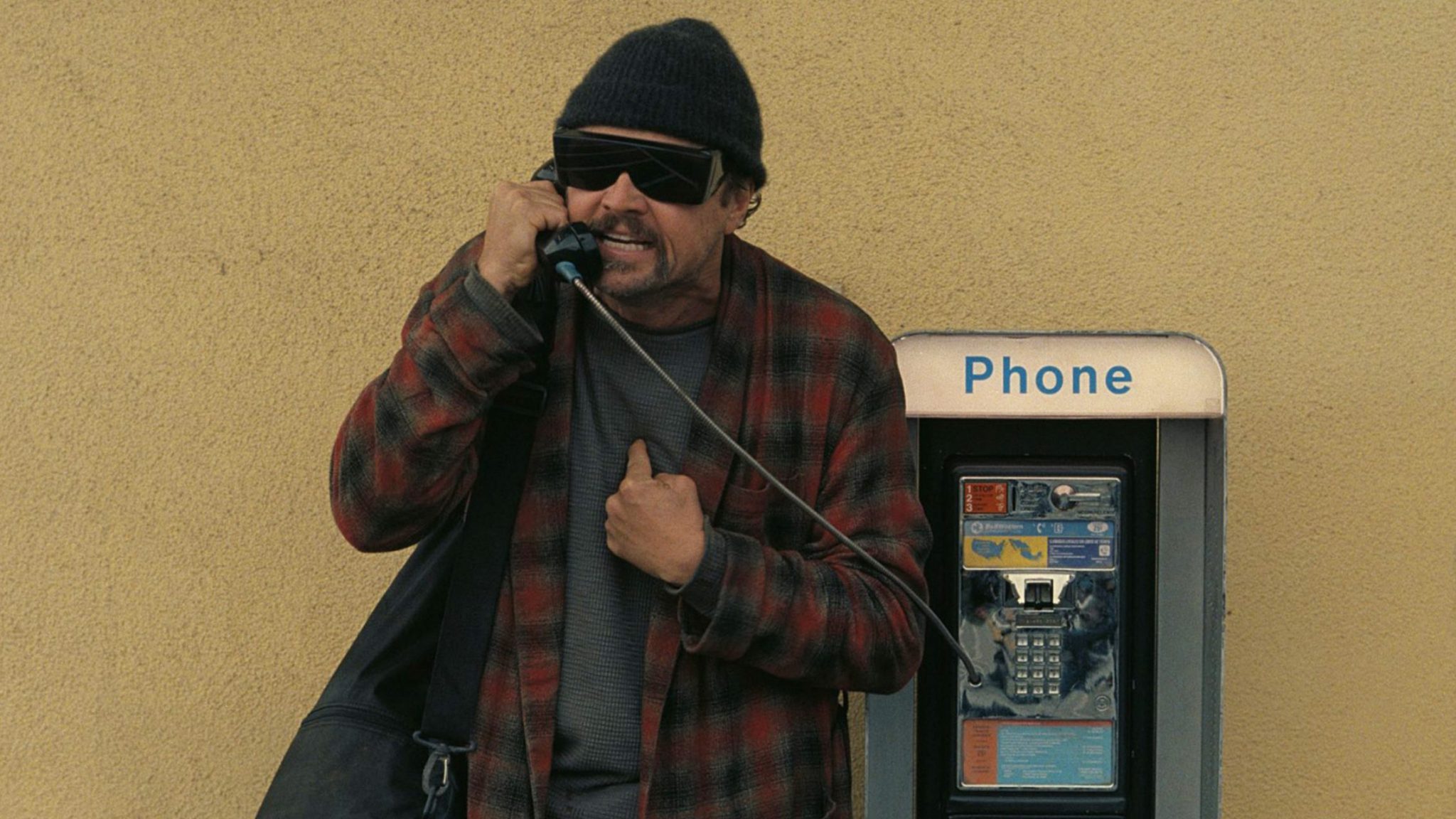
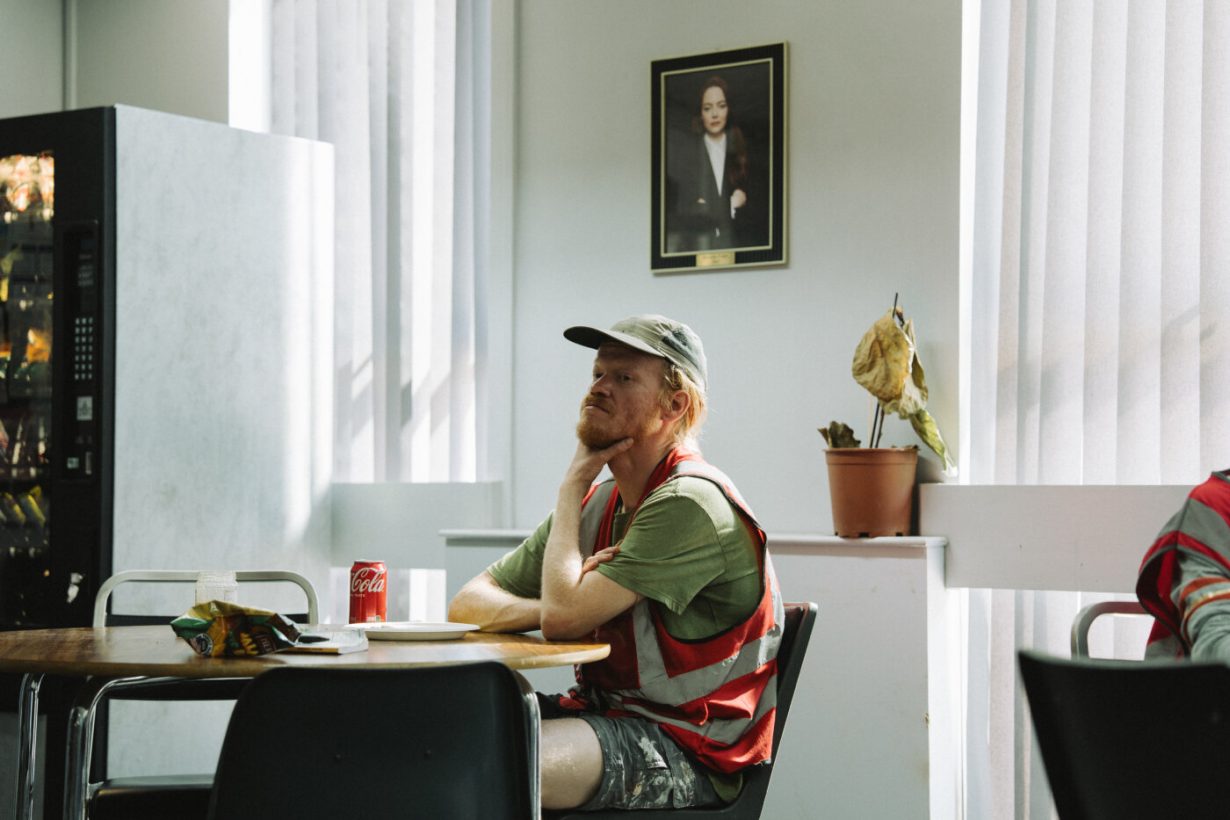
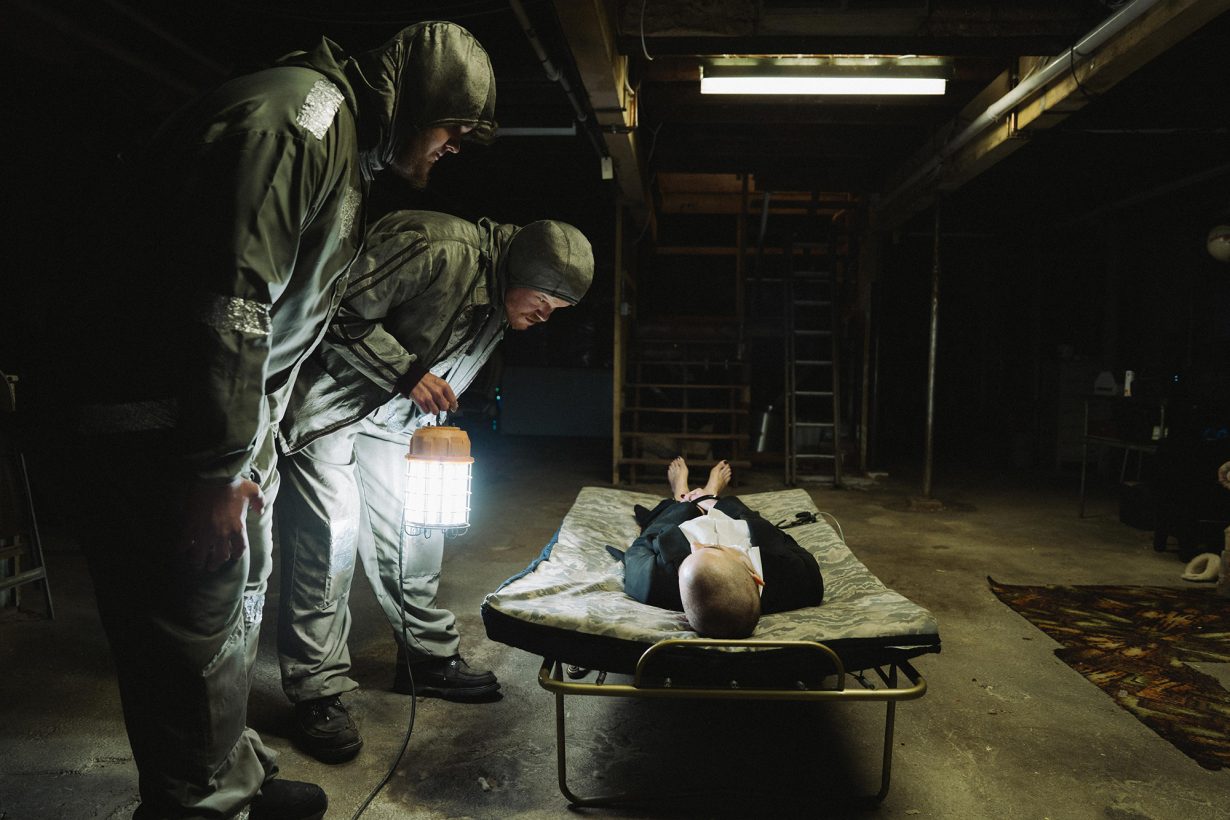
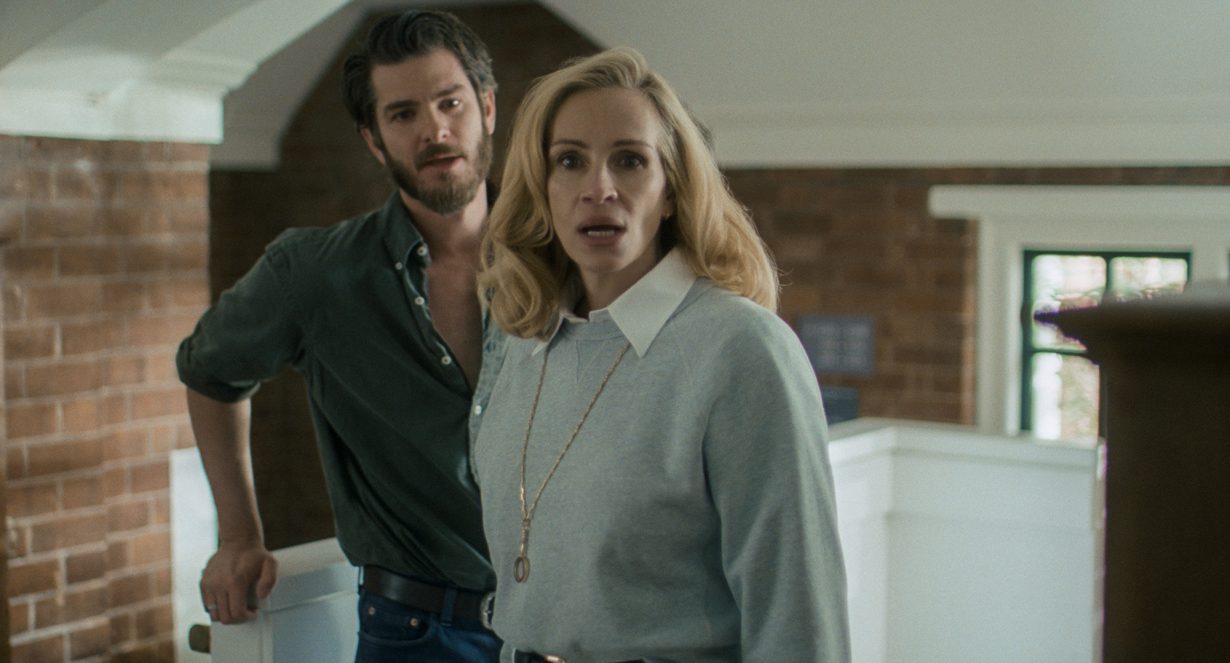
A spate of films this year have addressed the paranoia of our culture wars; the inescapability of identity politics; the feeling that we are careening towards the end times. Ari Aster’s Eddington captures to the febrile days of COVID-19, with the divides over mask-wearing and the flourishing of online conspiracy. Luca Guadagnino’s After the Hunt examines the fallout between Maggie (Ayo Edibiri), a Black lesbian PhD student, and her mentor, the white, wealthy philosophy professor Alma (Julia Roberts), after Maggie accuses Alma’s friend of sexual assault. Paul Thomas Anderson’s One Battle After Another follows the afterlives of an insurrectionary American left-wing movement. In Yorgos Lanthimos’s Bugonia, Michelle (Emma Stone), a high-flying female pharmaceutical company CEO, gets kidnapped by a lonely, working-class white male conspiracist who sorts parcels for her company. Teddy (Jesse Plemons) has cycled through all the political systems, he tells her, but has finally landed at the truth: she is a representative of the dominating alien race that has come to end humanity.
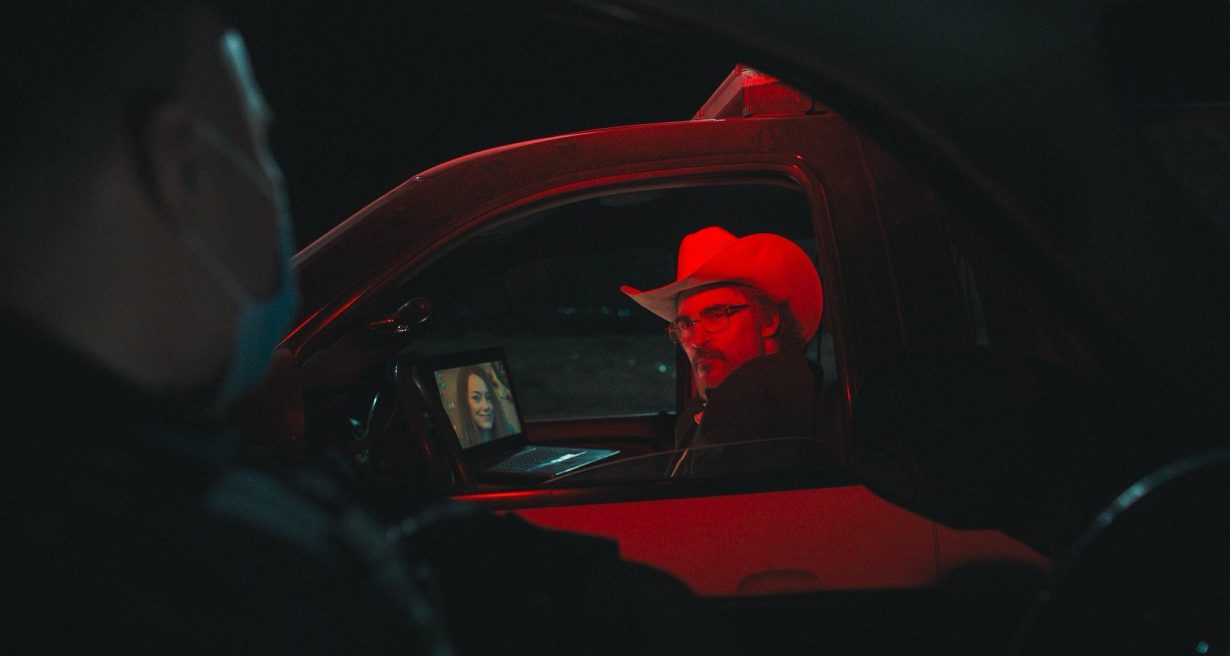
These characters are easily identifiable by their political commitments, which map onto their demographic status: young or old; white or nonwhite; queer or straight; poor or rich. Behind the metaphorical armour of their algorithmically-honed selves, they struggle to communicate with one another. In Eddington, Joaquin Phoenix is Joe Cross, a town sheriff cut in the mould of a libertarian lone wolf, who spars with the woke lib mayor Ted Garcia (Pedro Pascal). In their first scene together, the sheriff literally cannot – or so he says – hear what the mayor is saying, because the guy is wearing a mask. In One Battle After Another, the paranoid former revolutionary Bob (Leonardo DiCaprio) has an agonising dispute with an old comrade over a seemingly anodyne question – what time is it? – which turns into a shouting match. In Bugonia, Michelle (Emma Stone) is chained to a bed in Teddy’s basement. She asks her captor if he’s after money. He tells her that he knows she is an alien intent on destroying the human race. She tells him he’s fallen down an internet rabbit hole that reinforces “a warped, subjective idea of reality”. He tells her he isn’t going to fall for her alien distraction tactics. She counters uselessly with words we’ve all heard before: how about we have a dialogue, a good faith discussion, let’s continue the conversation. ‘Every scene where Plemons and Stone try to ‘debate’ captures what it’s like to get into a pointless argument on Reddit’, says the highest-rated comment in a discussion about the film… on Reddit.
When I watch films from the twentieth century, I’m struck by the richness, even wackiness of the dialogue, as seen in the fast-talking screwball heroines of the 1930s and the delightful camp of 1980s action capers. Now our presiding aesthetic is laconic world-weariness set against thumping techno and droning ambience. ‘Dialogue’ is over; music has rushed in to do the work of words. Many of this year’s ‘culture war’ films have anxiety-inducing sonic flourishes and statement needle drops: from the sparse ticking of the clock in After the Hunt, to the jittery percussive beat that thrums during the climactic scene of One Battle After Another. In Eddington, the decisive stand-off between the sheriff and the mayor, during the latter’s fundraising party, is set to Katy Perry’s Firework. It’s sublime: no song best exemplifies the toothless, ladies-start-your-engines optimism of 2010s-esque centrist liberalism, which has proved so impotent against the populist anger that followed.
“I’ve found myself in the business of optics, rather than substance” laments a weary university dean in After the Hunt (in Bugonia, too, Michelle urges Teddy to think about the “politicised optics” of kidnapping a high-profile woman executive.) I laughed at this. Guadagnino has famously embraced the business of optics, which then informs substance: the lush, heady interiors of Call Me By Your Name (2017) evoke the film’s themes of sensual summer love; in After the Hunt, the rarefied, picture-perfect clothes and homes of the senior philosophy professor Alma act as a foil to the rivers of repression that run underneath (the film doesn’t have anything interesting to say about sexual abuse, gender, race or class, but has some notional interest in the idea of repressed guilt.) You could even say cinema itself is the business of optics – a business that these films have an increasing desire to question and even undermine. Just seconds before After the Hunt ends, you hear Guadagnino yell “cut!”, a common trick to emphasise the fictionality of the entire thing. A similar, more playful lifting of the veil is made in One Battle After Another: Gil Scott-Heron’s ‘The Revolution Will Not be Televised’ rings in the credits. The song, about the limits of mass entertainment, acts as a cold shower after the three hours of engrossing revolutionary zeal that preceded it. Smartphone cameras, meanwhile, are everywhere in Eddington as the means by which its characters see their fracturing reality. Toward the end, a teenage boy records a man being shot, then films himself walking up to the body – front camera on, speaking in the animated ‘holy-shit-you-guys’ register of many a streamer. The sheer profusion of mindless and cruel small-screen videos made me wonder if I was witnessing the director having a crisis about his own form. I get it: imagine growing up idolising the camera, rhapsodising about how Hitchcock and Bergman and Kurosawa wielded it to produce art that speaks to beauty and to truth, only to see that same tool appropriated en masse to flog energy drinks with a side of conspiracy, in videos that are not only false and callous, but aesthetically ugly.
This ambivalence about form, however, seems to have led the way to an ambivalence about meaning. Guadagnino decided to break the fourth wall in After the Hunt, he has said, as a way to “tell the audience: ‘This is our story. We said it this way. Make up your mind.’” Given that, as Rosanna McLaughlin has written in this magazine, the film seems unsure what it wants its characters to do, this decision reads less like a bold artistic choice, and more like it’s passing the buck of meaning-making to the audience. Some of these films failed most when they gave the sense that beyond their characters barely indistinguishable from archetype, and their plots rehearsing truths that we all know (that the world is complicated and overwhelming and divided, that people can be petty, mean and monstrous) there was no real worldview behind it all, nothing but a shrug into the hellish, looming unknown. There is topicality without depth; provocation without intelligence; a pasted-together series of schlocky scenes made to be clipped for TikTok in the place of a coherent and immersive story with a heart and stakes (a problem I have with Emerald Fennell’s films, now becoming an emergent genre.) As Eddington nears its third act, it adopts the pose and form of the contemptuous sensationalism it satirises, as cruelty piles on cruelty, horror on horror. For all of Bugonia’s playful provocations, its ending – a silent photomontage of scenes of humanity forsaken to hell, too busy fighting with one another and sunbathing on the beach to fend off the apocalypse – seemed too predictable and easy, even safe. So many conversations everywhere proselytise about the apocalypse. It feels braver, even exciting, to assert that there is something left to fight for, a future to believe in. One Battle After Another’s Bob may be bitter and melancholic about his failed past in the revolutionary left, but Bob’s life – and the film – finds meaning in his love for his daughter, Willa. I also thought of Kelly Reichardt’s The Mastermind, in which Josh O’Connor’s art thief doggedly pursues self-enrichment, ignoring the flourishing American anti-war movement to his own peril. It’s set in the 1970s, but the film offers a proposition that feels more contemporary and radical today: that we still owe a responsibility to our world, and to other people.
‘No-one believes in the future anymore,’ Aster said in a promotional interview for Eddington. Not least young people, who are often shown as broad, indistinct crowds of a well-intentioned, if annoying and ineffective, new generation. There’s the students who ambush After the Hunt’s Alma, jostling around her as she falls to the floor; the self-flagellating rich white teenagers of Eddington, kneeling in support of Black Lives Matter to an audience of no-one. For all the films’ welcome interest in unsettling audience assumptions and generating unexpected sympathies, there’s a marked lack of curiosity about these characters – their inner lives are left unplumbed in favour of examining the spikier Gen X counterpoints After the Hunt’s Maggie remains a mystery, a vague archetype of young privilege, while the film is all about Alma: her repression, her survival instinct, her bad faith.
Yet, while cinema may struggle to imagine a viable future, we can’t escape it in the real world. “There’s no wishing tech away” the mayor of Eddington says, when quizzed about supporting plans to build an AI data centre. “These guys are bringing infrastructure for a real future. A real future.” I had tapped out of Eddington by the third act; the despair had grown too much to bear. But thinking about the film days after, I thought about the mayor’s exchange, and how the film begins and ends with shots of the data centre: first as a portentous construction site, then finally glittering menacingly in its hulking glory. I had thought the film gleefully nihilistic; later I saw what it was trying to say. Our petty human vanities and differences and quibbles, the film suggests, pale against the world-dominating visions of our titans of capital – a warning that rings true again this week, as news of Netflix’s proposed acquisition of Warner Brothers has renewed fears about Hollywood becoming increasingly consolidated and boring. It’s a useful reminder to believe in something – the other guys certainly do.