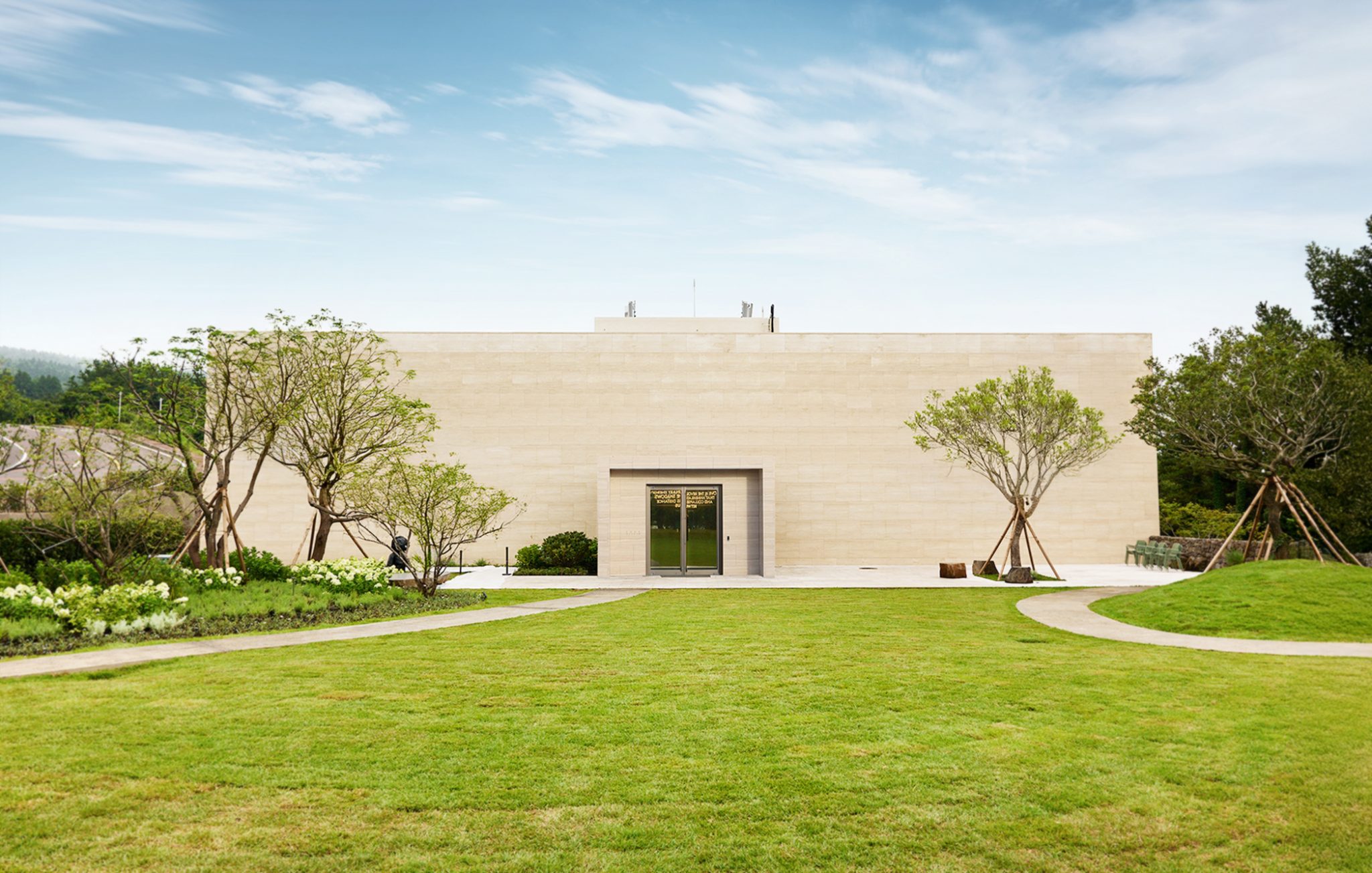
Set within the mountainous landscape of Hallasan, PODO Museum has become one of Jeju Island’s most distinctive cultural sites – a place where social enquiry, ecological awareness and artistic experimentation intersect. Since opening in 2021, the museum has carved out a role unlike any other on the island: a space committed to expanding empathy across social differences and rethinking the fragile relationship between human beings and the environments that sustain them. From its landscaped gardens to its carefully staged exhibitions, PODO Museum operates with a conviction that art can be both a site of reflection and a vehicle for mutual care.
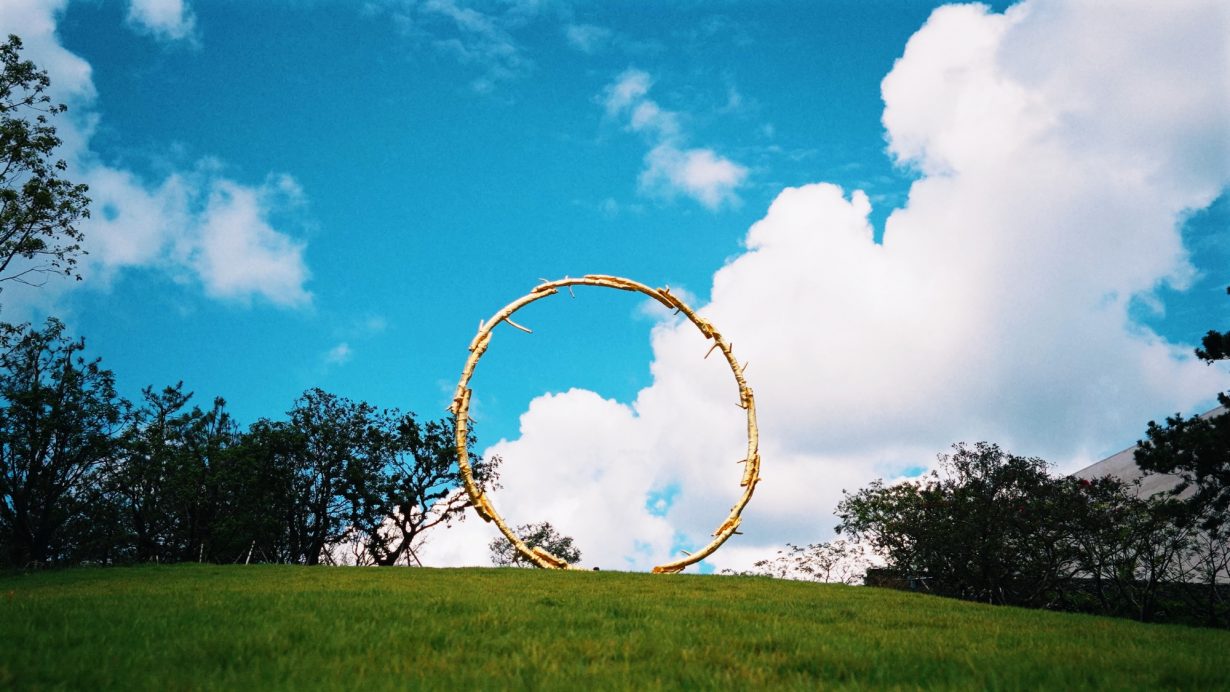
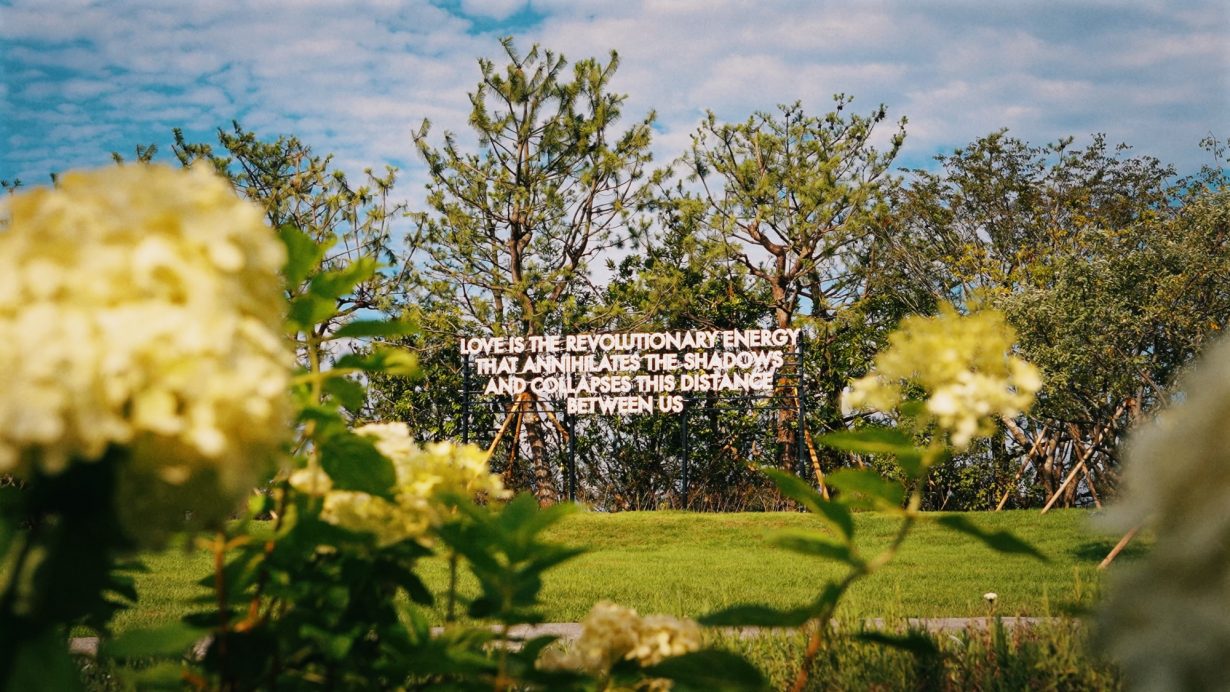
The island of Jeju itself is central to this ethos. Shaped by volcanic terrain, strong winds, migration, labour histories and a local culture dedicated to tradition, the island is a place where survival has always depended on forms of coexistence – between people, between species, between the island’s rugged ecology and its human inhabitants. PODO Museum’s mission (which is guided by its executive director Chloe H. Kim) builds directly on these conditions, positioning the museum as a mediator between nature and society. Its grounds, for example, have recently been renewed to deepen this connection: walking paths, outdoor performance areas and sculptural installations by artists such as Ugo Rondinone, Robert Montgomery, Gimhongsok and SUPERFLEX are integrated into the coastal forest around the museum, introducing a dialogue between body, landscape and play.
Within its galleries, PODO Museum uses storytelling as a curatorial method – inviting visitors to consider weighty topics not through didactic instruction but through shared narratives, sensory experiences and poetic forms of encounter. The museum’s exhibitions often begin with a question: what does it mean to live together on this planet? How might art help us imagine forms of solidarity amid increasing social fragmentation? Its programming, including the annual Salon de PODO, brings artists, audiences and local communities into conversation through performances, concerts, talks, readings and screenings, all echoing and extending the themes of each exhibition.
The museum’s current exhibition, We, Such Fragile Beings (2025–26), encapsulates this approach. Drawing inspiration from the Voyager 1 photograph of Earth as a ‘pale blue dot’, the exhibition asks why, given our profound smallness in the cosmos, humans persist in creating conflict – and how art might gesture toward empathy, understanding and coexistence. Spread across three galleries and two thematic spaces, the exhibition unfolds as a journey from violence to repair.
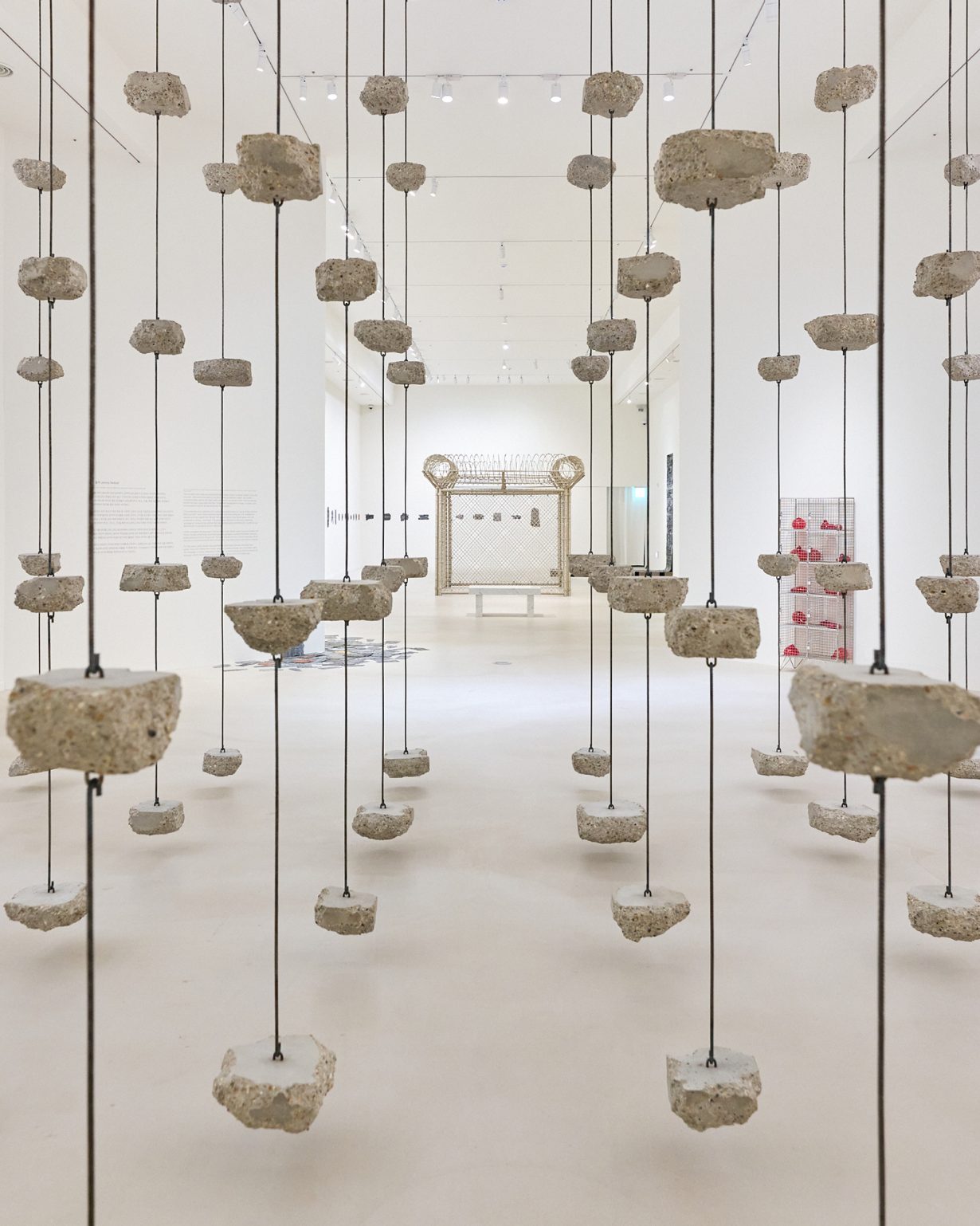
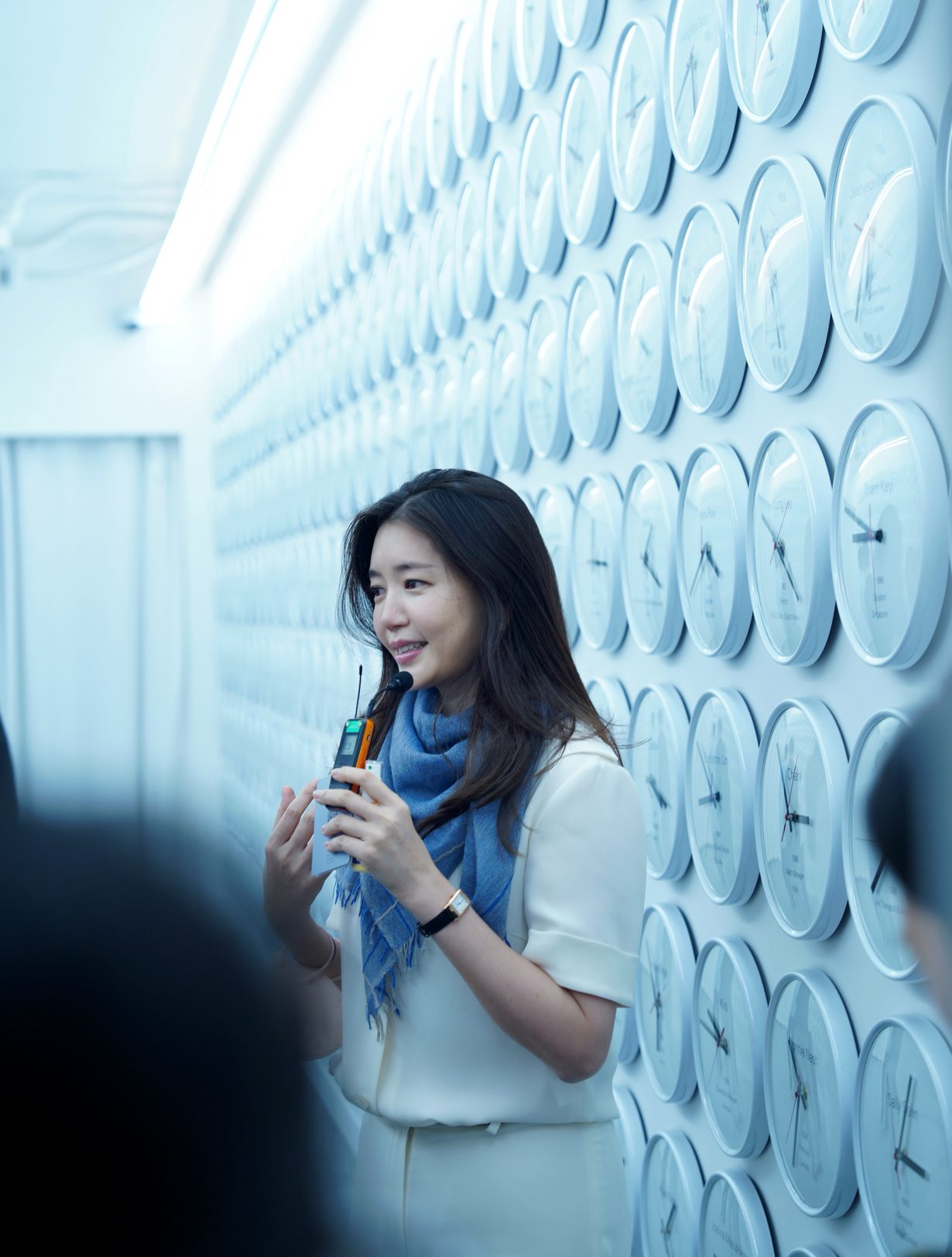
In the first gallery, Temple of Oblivion, works by Mona Hatoum, Jenny Holzer, Liza Lou and Annabel Daou confront the cyclical nature of conflict and its resulting erasures. Suspended masses of concrete, engraved metal plates bearing language scraped from digital hostility, beaded barbed wire and text-based gestures of everyday speech collectively expose the fractures that shape contemporary life. The second gallery, Portrait of Time, shifts the exhibition’s register toward temporality – its unrelenting movement, its elasticity and its psychological weight. Here, works by Sumi Kanazawa, Maarten Baas, Sarah Sze and Lee Wan materialise time’s texture via works that address accumulation, labour, dream logic. Wan’s installation of 560 clocks, for example, asks us to consider the many ways in which time is perceived; each clock moving to its own rhythm, the effect is a reminder that though time structures our days, each of us inhabits it differently.
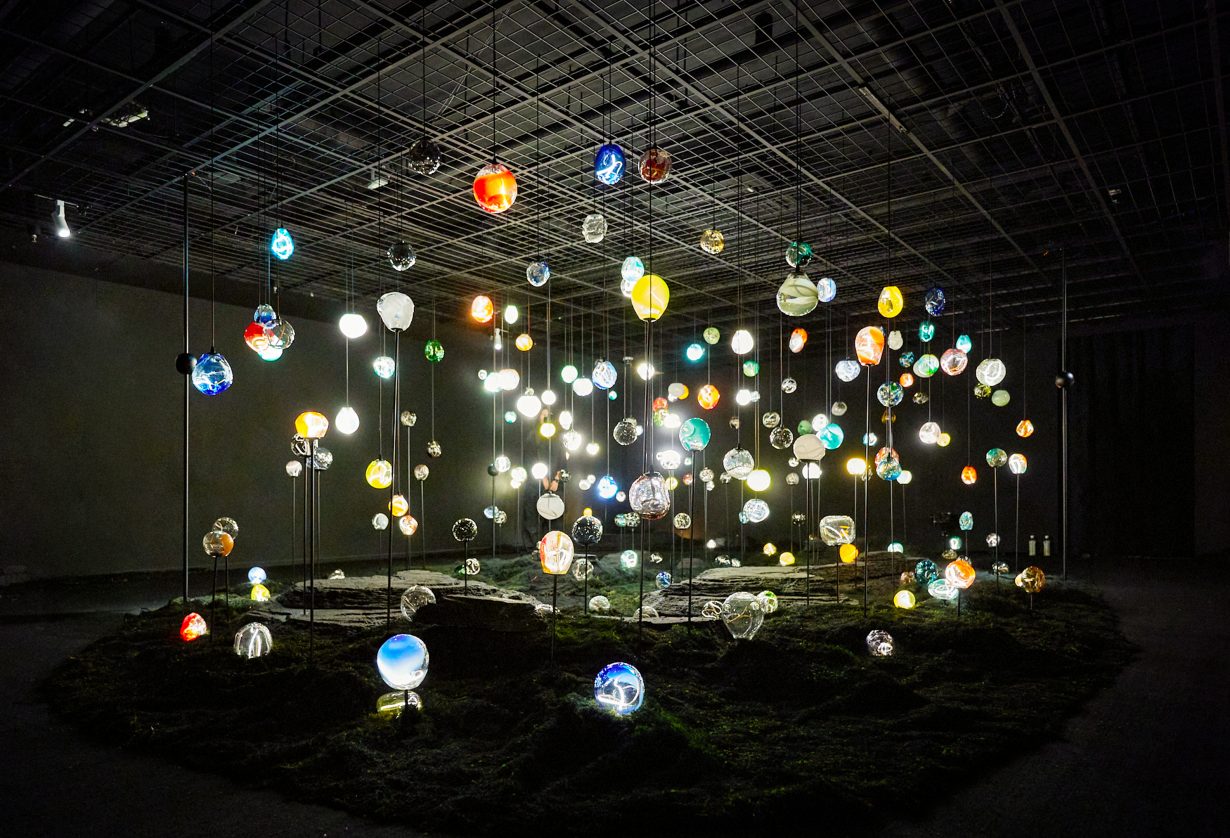
The exhibition culminates in the third gallery, Mirror of Memory, part of PODO Museum’s ACA in PODO initiative supporting contemporary Asian artists. Works by Boo Jihyun, Kim Hanyoung, Song Dong and Sho Shibuya examine how individual recollections sit within wider historical and environmental contexts – through discarded fishing lamps, meditative brushwork, salvaged doors from demolition sites in Beijing and delicate skies painted over newspaper front pages. These quiet gestures return viewers to a basic truth: human fragility is shared, and beauty can emerge from the everyday.

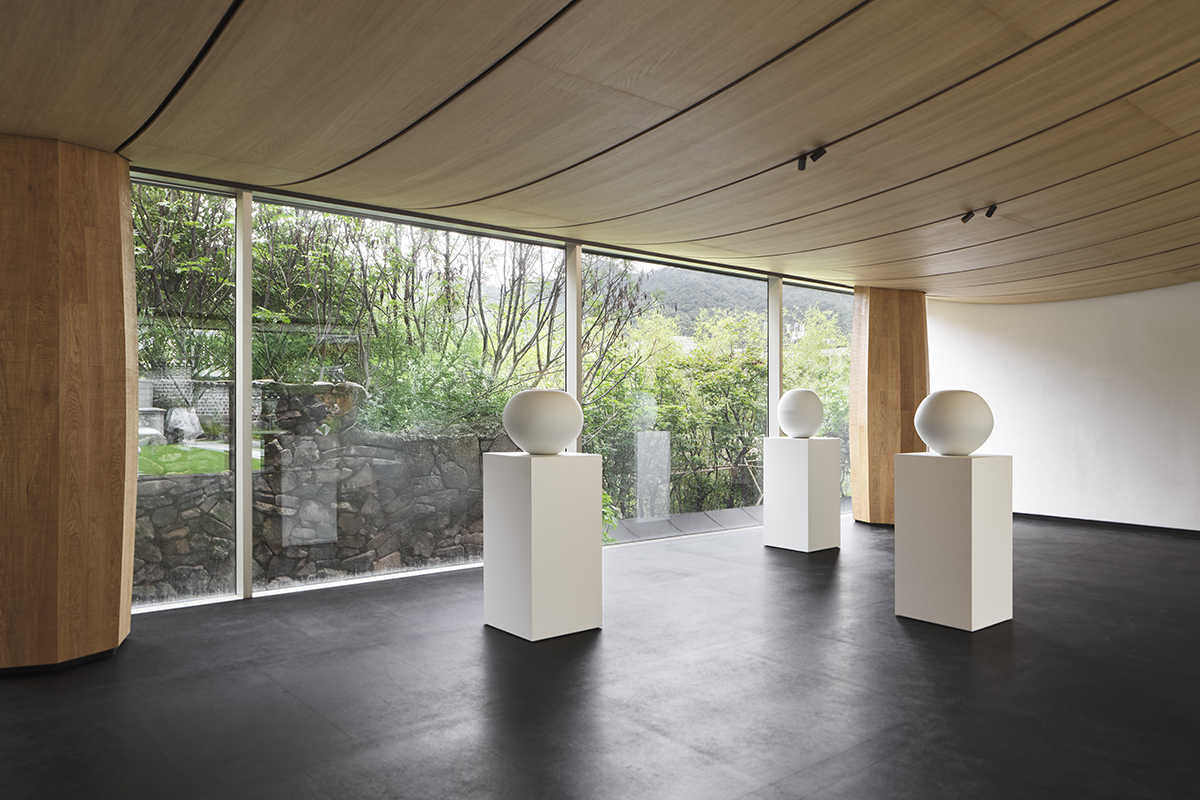
This year also saw the inauguration of another of PODO Museum’s key projects: Sunhyewon Art Project 1.0, a new cultural programme presented in Seoul. The project more generally signals PODO Museum’s growing ambition to expand its reach beyond Jeju, extending its curatorial vision and ethos into national and international contexts. In doing so, the museum positions itself not only as a regional cultural anchor but as an institution increasingly engaged with global artistic discourse and exchange.
This edition of Sunhyewon Art Project 1.0 presents Kimsooja’s To Breathe – Sunhyewon, part of which transforms a hanok (traditional Korean house) into an immersive installation that collapses boundaries between viewer, architecture and light. By covering the floor with mirrors, the artist turns the building’s interior into a shifting field of reflection: the hanok appears to inhale and exhale as light moves through it, and visitors encounter their own bodies as part of the architecture’s unfolding. As the first presentation of Kimsooja’s To Breathe series in a hanok, the work presents a new dialogue between Korean tradition and contemporary conceptual art practice.
Alongside this central installation, the exhibition includes Kimsooja’s well-known Bottari works – bundles made from bedding and hanbok fabrics that weave together histories of labour, femininity, migration and memory – along with porcelain objects and perforated panels that continue her long-standing investigation into the needle as a conceptual tool that can suture space, selfhood and human relation.
Together, PODO Museum’s exhibitions highlight the institution’s distinctive curatorial philosophy: one grounded in ecological sensitivity and sustained reflection on the subject of human existence. Whether on Jeju Island or in urban Seoul, the museum creates environments where viewers can pause, breathe and reorient themselves – toward one another and toward the world they share.
Executive Director of PODO Museum, Chloe H. Kim, warmly shares the following: “PODO Museum explores pressing issues in contemporary society through an artistic lens, creating exhibitions where diverse perspectives and voices coexist. By transforming complex themes into narrative-driven presentations, the museum provides accessible pathways for empathy and dialogue. We hope that art can serve as a catalyst for social change, bringing the values of empathy and diversity to all who visit.”
Find out more about PODO Museum’s programme here.