The collective reaction to the actor’s ‘new’ face is a symptom of the internet’s erosion of our ability to distinguish fact from fiction
No sentence sums up the contemporary digital experience quite like ‘I can’t handle any more stress right now. I need to know if this is real.’ Those words, the desperate plea not of a poet or philosopher, but of Megan Fox, were typed in reaction to Jim Carrey’s ‘new’ face, unveiled as he received a lifetime achievement award at the 51st Cesar Awards in Paris last week. The Canadian-American actor didn’t look like himself. With hollow eyes and taut, glistening skin, his famously rubbery features appeared to be set in stone. What happened to the malleable, twisting plasticity of the face that so easily became the Grinch, the Mask and Count Olaf?
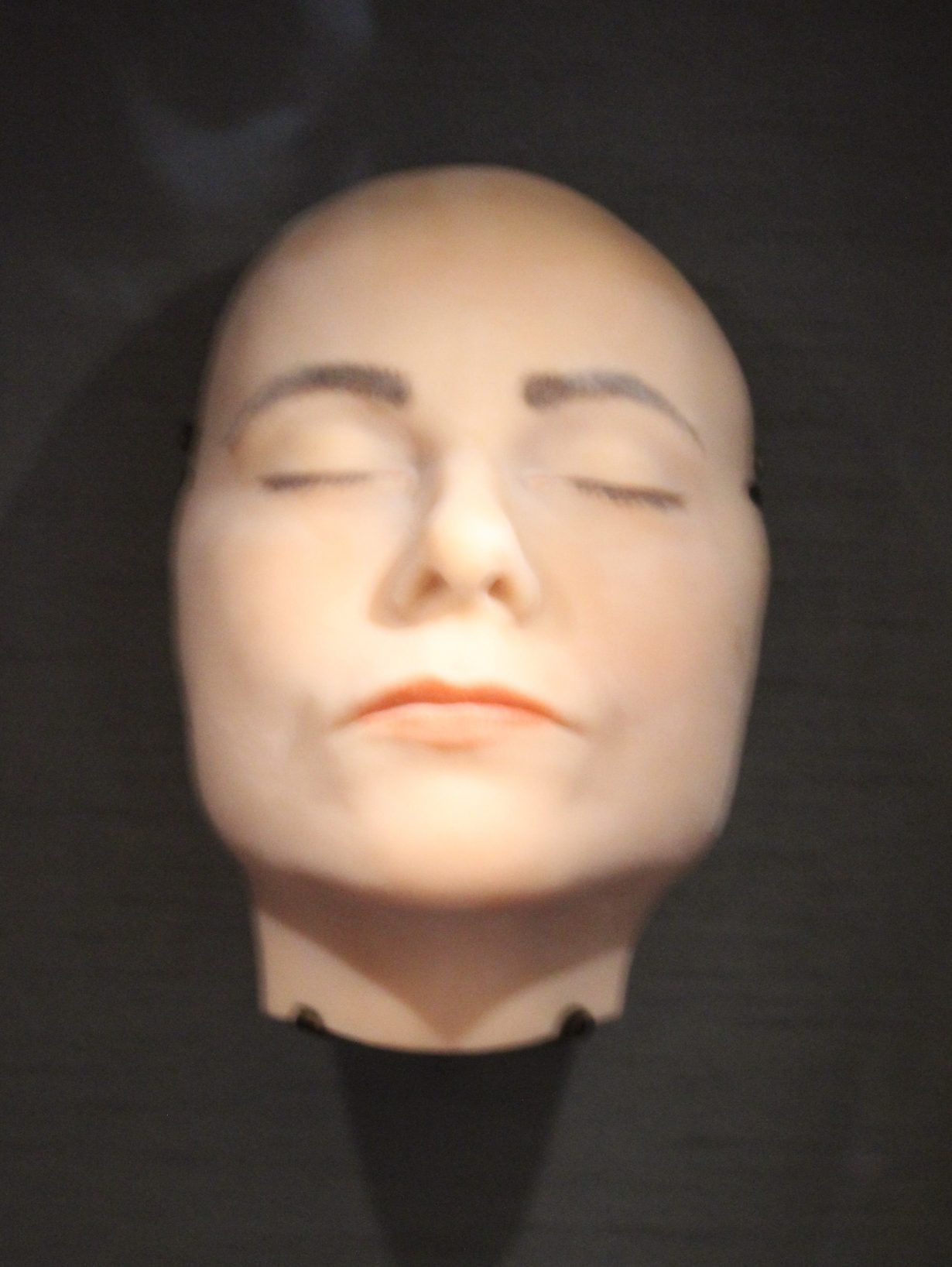
Once the images surfaced, the people of the internet, deeply unsettled, plunged into a mania of conspiracy theories: Carrey had been cloned, Carrey was dead, Carrey sent an imposter. To make matters more confusing, VFX performance artist Alexis Stone appeared to suggest on Instagram that he had impersonated Carrey at the Cesar Awards. Then, a video emerged of Carrey on the red carpet apparently being asked what his favourite ‘funny face’ is, to which he replied ‘the one I’m wearing right now’. Suddenly, the rest of us are acting all Megan Fox, desperate to know what is real and what is fantasy.
14GTR/CC0 1.0 Universal
Was the man on the red carpet an impersonator? Was it a performance, in the vein of Gillian Wearing or Cindy Sherman, two artists who have spent decades playing with the slipperiness of identity, the fragility of how we present ourselves? Sherman has long inhabited unrecognisable characters as part of her photographic work, while Wearing’s mask-based series see her playing the role of her brother, or her own younger self, allowing her to embody figures that have been lost to time and memory – images not unlike Carrey’s surreal, plumped-up visage. His ‘new’ face, then, could be interpreted as an artistic intervention, an attempt to play a role and undermine the idea of celebrity. Would it be that much of a stretch to imagine that the guy who lost himself so completely in the starring role of ‘Man on the Moon’ that he thought he actually was Andy Kauffman could make a turn towards contemporary performance art? Or, more plausibly, did Carrey get a face full of botox – and is the ensuing reaction merely a symptom of the internet’s steady erosion of our ability to distinguish fact from fiction?
Between TikTok filters, AI-generated visuals and the magic of Photoshop, every image consumed online is now impossible to take at face value. While the White House is spewing out absolute slop – from Trump as Jedi to Trump walking with a penguin towards a Greenland flag in an icy landscape – real estate agents are manipulating photos to make houses look less gross, and online forums are filled with deepfake nudes of celebrities. Most of us have become at least semi-accustomed to it; we’re almost used to doubting digital imagery. Photography once prided itself on being closer to some kind of representational ‘truth’ than painting or sculpture, what Ansel Adams described as a ‘poetry of the real’. Now, every photo we encounter online is approached, by most sensible people, with scepticism, because the idea of photographic truth has been rendered totally impossible.

What’s so uncomfortable about the Jim Carrey saga is that, now, it’s not only the image we’re doubting, it’s the people in the image. We’re not asking if the photo is real, we’re asking if the person is real. We’re desperate for authenticity because our digital experiences have become so saturated with the unreal that everything else is rendered suspect. So when a celebrity like Jim Carrey shows up with what many assume is cosmetic work, we don’t just see a megastar trying to hold onto a semblance of youth and beauty – we see reality being undermined. It’s as though all of the illusions of Photoshop, TikTok filters and AI have been made flesh, almost like brain rot is infiltrating our reality. Our ability to read images has been poisoned, and with it our ability to read the world itself. Perhaps, the real transhumanist future – the melding of man, technology and AI like some Nik Kosmas cyborg or HR Giger robo-orgy – won’t arrive as brains filled with microchips so we can use Apple Pay by headbutting a card machine; it will take the form of people who increasingly resemble walking AI nightmares. The internet has addled our brains so badly that we now have to twist ourselves in knots trying to parse the authenticity of an image, instead of accepting that – shock – a celebrity has most likely had some work done.
Celebrity as a phenomenon is personality as entertainment: its fakeness is implicit, ingrained in its essence. The difference here is that the construction has faltered and we are being shown the cracks in the foundations. There’s no conspiracy here, there’s just a broader collapse of visual literacy born out of widespread internet malaise. As one comment on a Diet Prada Instagram post about Carrey’s face summed it up: ‘I fear we are becoming collectively unwell.’
Read next AI Is Nothing Without Its Theatre