The history of Nintendo is like a proxy for a wider cultural pattern where childlike emotions feed hyperconsumerism
For fans of Nintendo’s video games – from the ever-super Mario’s bounding adventures in candy-coloured lands to the creature-collecting whimsy of the Pokémon franchise – there is hardly a more reverential site than the Nintendo Museum. The exterior of the building just south of Kyoto is nondescript, like an Amazon fulfillment centre, blending in with the grey, bland offices which surround it. Inside, as Keza MacDonald relays in her new book, Super Nintendo: How One Japanese Company Helped The World Have Fun, the space compresses 137 years of corporate history with playful verve. One can attempt to play the madcap platformer Donkey Kong (1981) using a comically gigantic controller before peering at the pristinely preserved toys the company made before it got into video games. As you enter the museum, an escalator up the second floor is soundtracked by the successive start-up sounds of all Nintendo’s consoles – a chiming cavalcade of finely calibrated nostalgia.
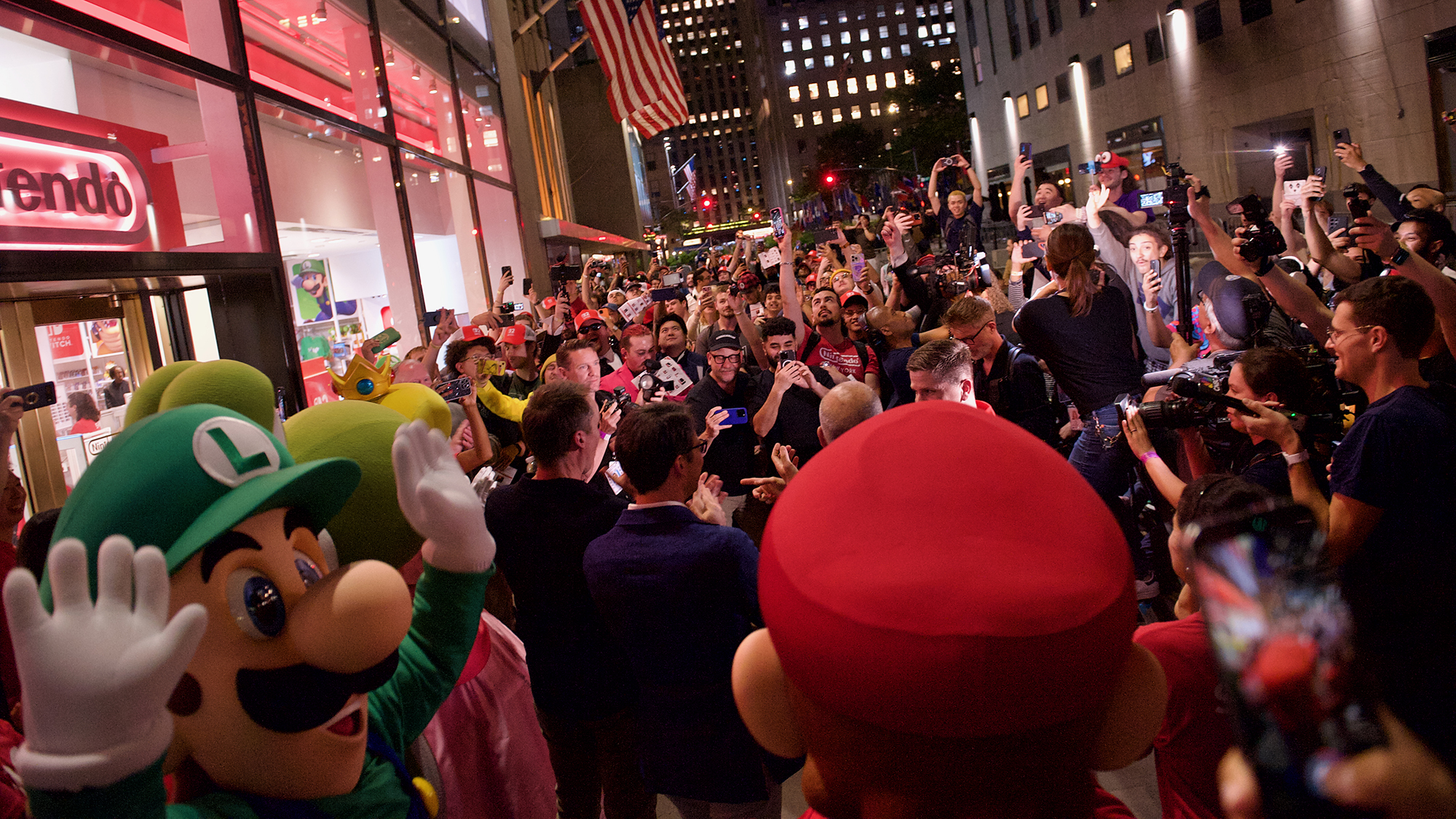
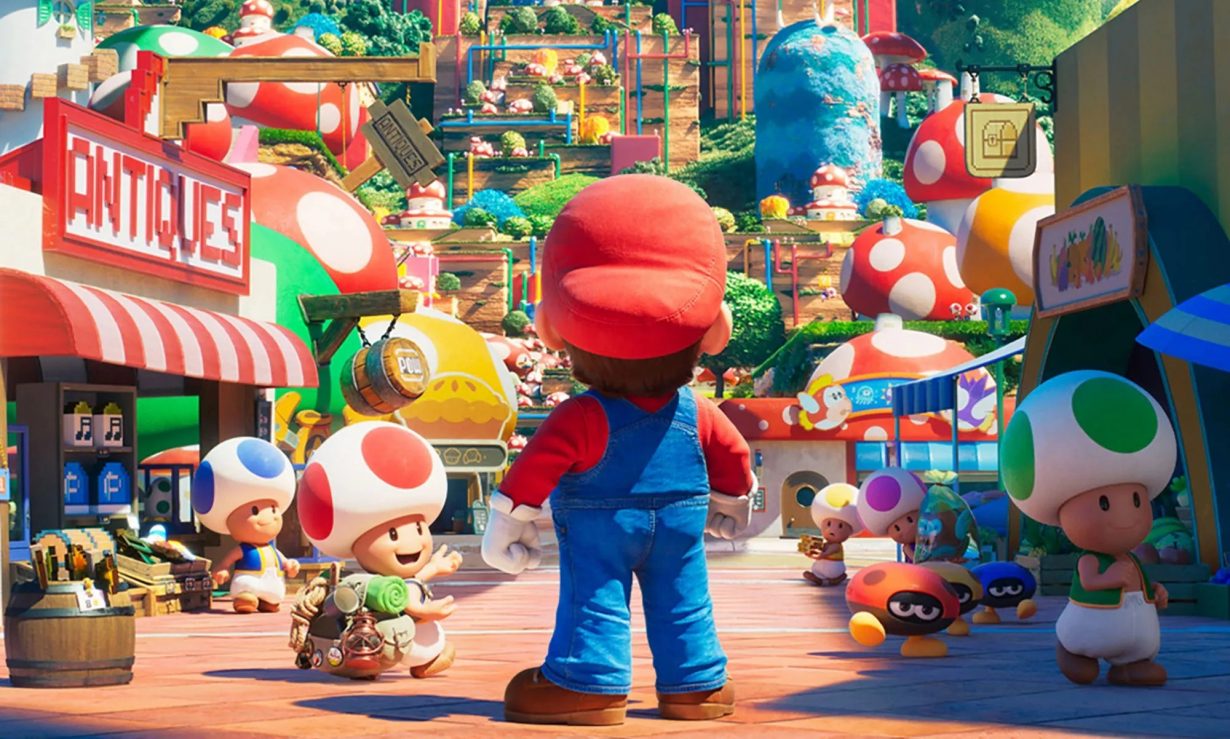
This history of Nintendo is many things. As MacDonald (disclosure: my editor at The Guardian) writes, it is a ‘long sequence of ideas about how to apply technology to have fun’ (and, by extension, how to apply technology to make eye-watering sums of money). Nintendo began manufacturing and selling flower-adorned hanafuda playing cards in 1889; these were closely associated with gambling, and therefore organised crime. It started making toys in the 1960s before getting into the nascent video game business a decade later. From there, the company’s fortunes skyrocketed: Mario, Luigi, and Princess Peach arrived; ‘Pokémania’ hit in the late 1990s. More recently, The Super Mario Bros. Movie (2023) grossed over a billion dollars; Nintendo theme parks are now scattered across the globe. Disney may have a stranglehold on pop culture’s imagination yet the wider landscape is increasingly one of Nintendo’s making.
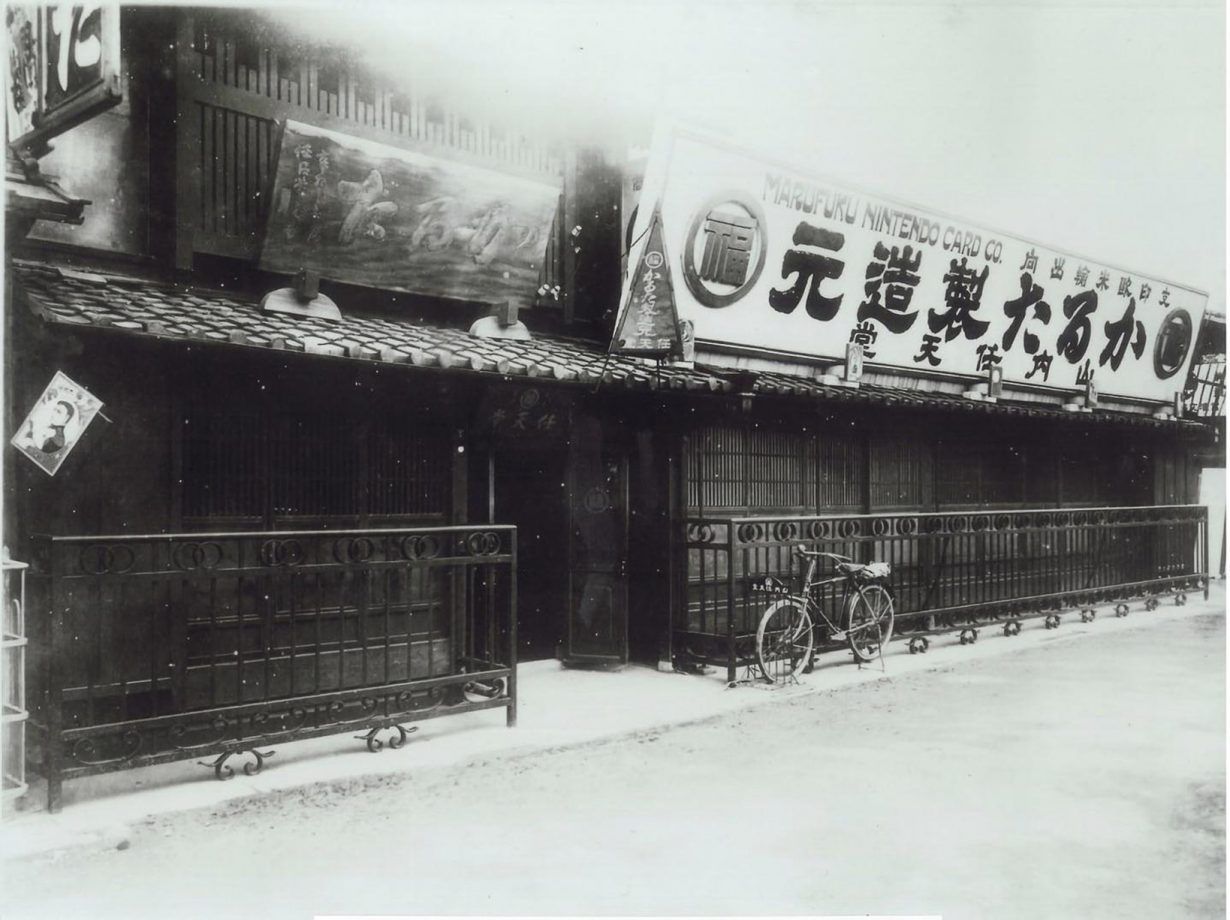
From the beautifully decorated hanafuda playing cards to the modern era of Pokémon cards and games, Nintendo has long sold the idea of accumulation (indeed, ‘GOTTA CATCH ‘EM ALL’ goes the latter franchise’s famous slogan). Excited children step out into virtual worlds to capture pokémon; they step into bricks-and-mortar shops doing the same with trading cards, prickling with anticipation about what resides in each shiny plastic Pokémon wrapper just as grown-ups do when pulling on the slot machine lever in a casino. Modern, Skinner Box-esque video games owe much to the ideas that Nintendo mainstreamed with its creature-collecting franchise: every locker and draw the player rummages through in online looter shooter, Arc Raiders (2025), for example, crackles with a thrilling sense of unknowing; so does the act of blindly paying for a new character in ‘gacha’ role-playing game, Genshin Impact (2020). It is hard to imagine the kawaii-cute Labubus taking off, also primarily purchased in blind boxes, without Pokémon normalising either these aesthetics or method of consumption.
Nintendo’s characters are born accumulators: ever since Mario’s very first outing on arcade machines in Mario Bros. (1983), the mustachioed Mario has sprung with child-like joy to gather coins suspended magically in mid-air; every successful capture is accompanied by a digitised kerching. So is Link who collects gemlike ‘rupees’ on earthier adventures in The Legend of Zelda series (1986 – present). Nintendo designers have spent decades fine-tuning this acquisitive philosophy, embedding treasure within their maps and ensuring almost every minute offers some kind of serotonin-inducing reward for the player’s ongoing attention (much like the notifications of modern social media) – chests behind waterfalls, caverns hidden underneath bushes.
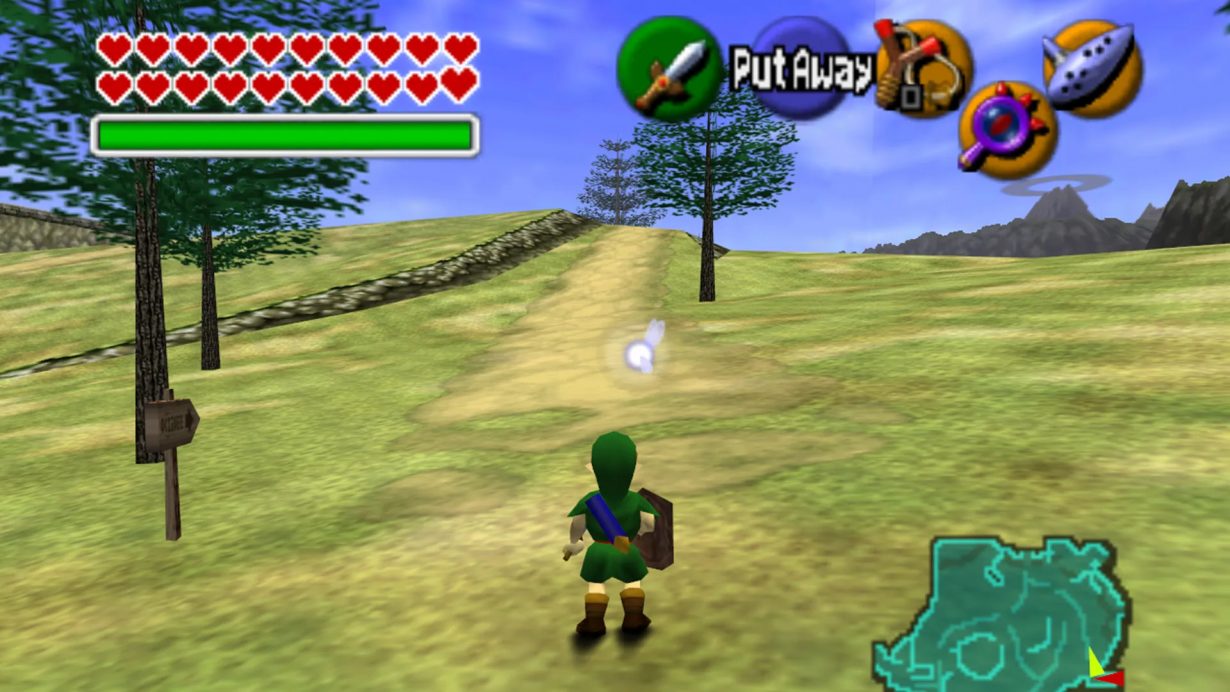
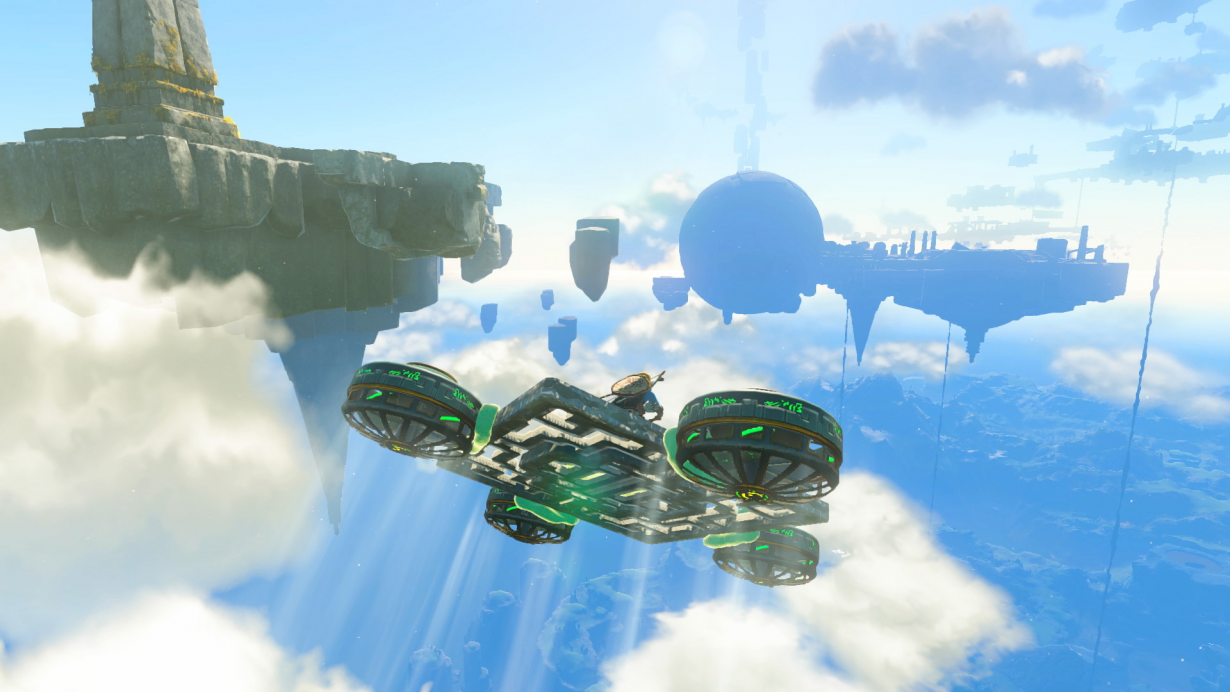
Nintendo’s genius, if you will, lies in merging hyper-consumerism with virtual worlds that ache with pre-industrial, pastoral nostalgia. The Legend of Zelda was inspired by designer Shigeru Miyamoto’s childhood memories of exploring the forests and caves surrounding postwar Kyoto; Pokémon’s inspiration came from the love its creator Satoshi Tajiri had for collecting bugs on the rural outskirts of Tokyo in the 1960s; the anthropomorphised townsfolk in the idyllic life simulator Animal Crossing (2001-present) are inspired by Japanese folklore (like the tanuki Tom Nook who is the player’s longtime mortgage lender). Urbanisation and industrialisation have carpeted Japan and many parts of the globe with asphalt, yet Nintendo, like Studio Ghibli, provides a way for players to interact with rapidly vanishing nature, if only through polygons on a screen.
We are encouraged to luxuriate in these bucolic worlds – catch butterflies, pull up weeds, and even mine geologic formations in Animal Crossing: New Horizons (2020). Yet despite the game’s ostensibly blissful premise of tending a smallholding, it possesses something of a sinister edge. Every action is tracked and recorded through your avatar’s cell phone, counting towards the accrual of Nook Miles which must be used to purchase vital in-game items – a kind of cheerful, ‘good life’ take on company scrips. The Legend of Zelda: Ocarina of Time (1998) pioneered this kind of hang-out experience, letting you fish, bowl, and even make music in quiet moments between swashbuckling quests. Even in the ‘90s, Nintendo’s pastoralism, though evocative and lovely, harboured dynamics we now associate with the modern attention economy.
Time breeds intimacy; bonds deepen with characters, worlds, and IP, just as they do in modern STAN culture (though no current pop star or even movie franchise can ever hope to rival the sheer mass of content that Nintendo has accrued over its years of operating). Nintendo, in turn, occupies a cosily intimate space in the lives of players. Devotees can express their affection in numerous ways: through collectible Amiibo toys, limited edition consoles, and more (in addition to the regular consoles and games).
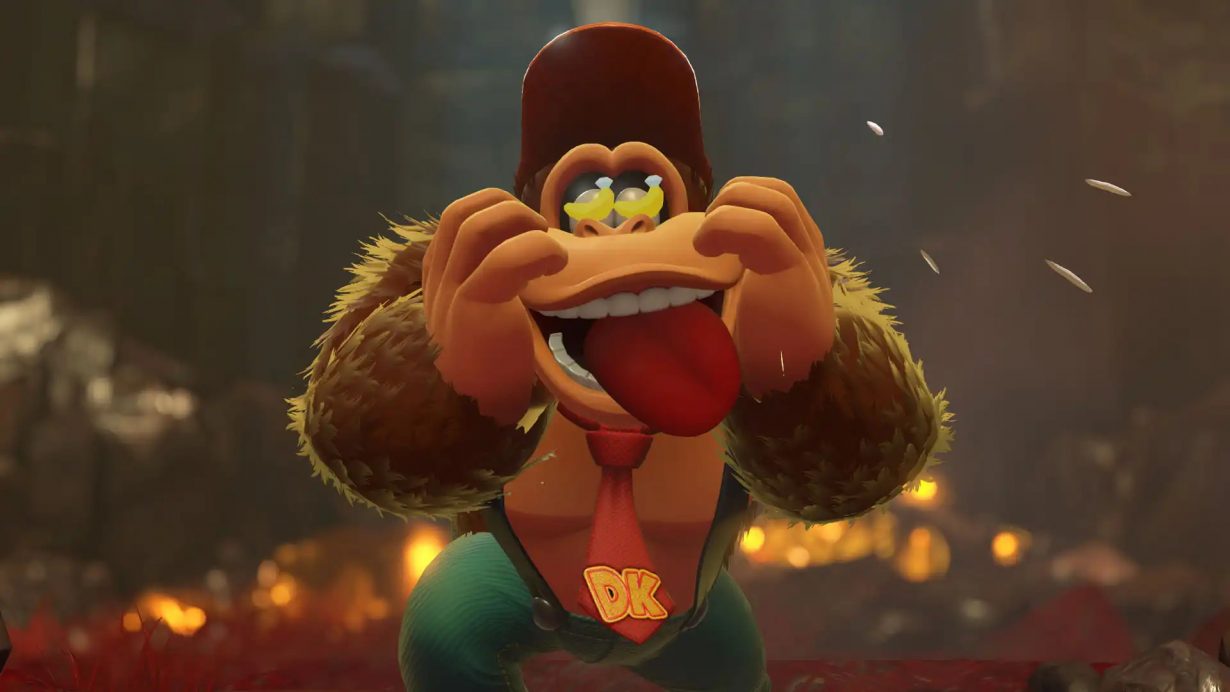
Yet here’s another sign of the times: Nintendo is no longer a manufacturer – it has outsourced this aspect of its business to nearby China and Vietnam where labour costs are much lower. Nintendo is now in the business of IP which moves fluidly across international borders, both serving (as) capital and vectors of digital intimacy. The spirit of play is still alive and kicking in Nintendo’s frequently delightful work. Yet play, widely considered a sacrosanct aspect of childhood, has been firmly coupled with capitalism. The recent Donkey Kong Bananza (2025) delivers a perfect visual metaphor. In one bonus level, the simian hero careens through pure gold as a blur of coin-clinking abandon – money-grabbing magic on the eyes, ears, and brain. One video of it on YouTube Shorts is accompanied with the caption, ‘I wish it was this easy to get gold in real life :)’ Here, then, the smashing ape represents both an aspirational fantasy for the player and Nintendo itself, as if mining the company’s mythic past with manic, thoroughly modern intensity.