The Year in Mental Health: From the datafication of therapy to the ‘crisis’ of overdiagnosis, it seemed everyone in 2025 was doing just fine
A month before I started writing this I tried to take a note of all the references to mental health that I came across. A pundit claimed that Prince William was concerned that the removal of Andrew Mountbatten-Windsor’s royal titles due to his ties to convicted sex offender Jeffrey Epstein would be detrimental to his mental health. The man responsible for stabbing people on a train in Huntingdon was reported to have suffered from severe mental health issues and had potentially been let down by service providers. Singer Lewis Capaldi, who has spoken candidly about his struggles with anxiety and Tourette Syndrome, explained that he was donating money to the online therapy provider BetterHelp to pay for therapy sessions for people who couldn’t afford them, a company whose name I’d already encountered having heard Sigmund Freud’s great-granddaughter, fashion designer Bella Freud, reading out advertisements for the platform on her celebrity interview podcast Fashion Neurosis. My list kept growing longer and stranger. Did I really need to read that J.M.W. Turner may have been neurodivergent? Were regular trips to the sauna really the key to inner peace?
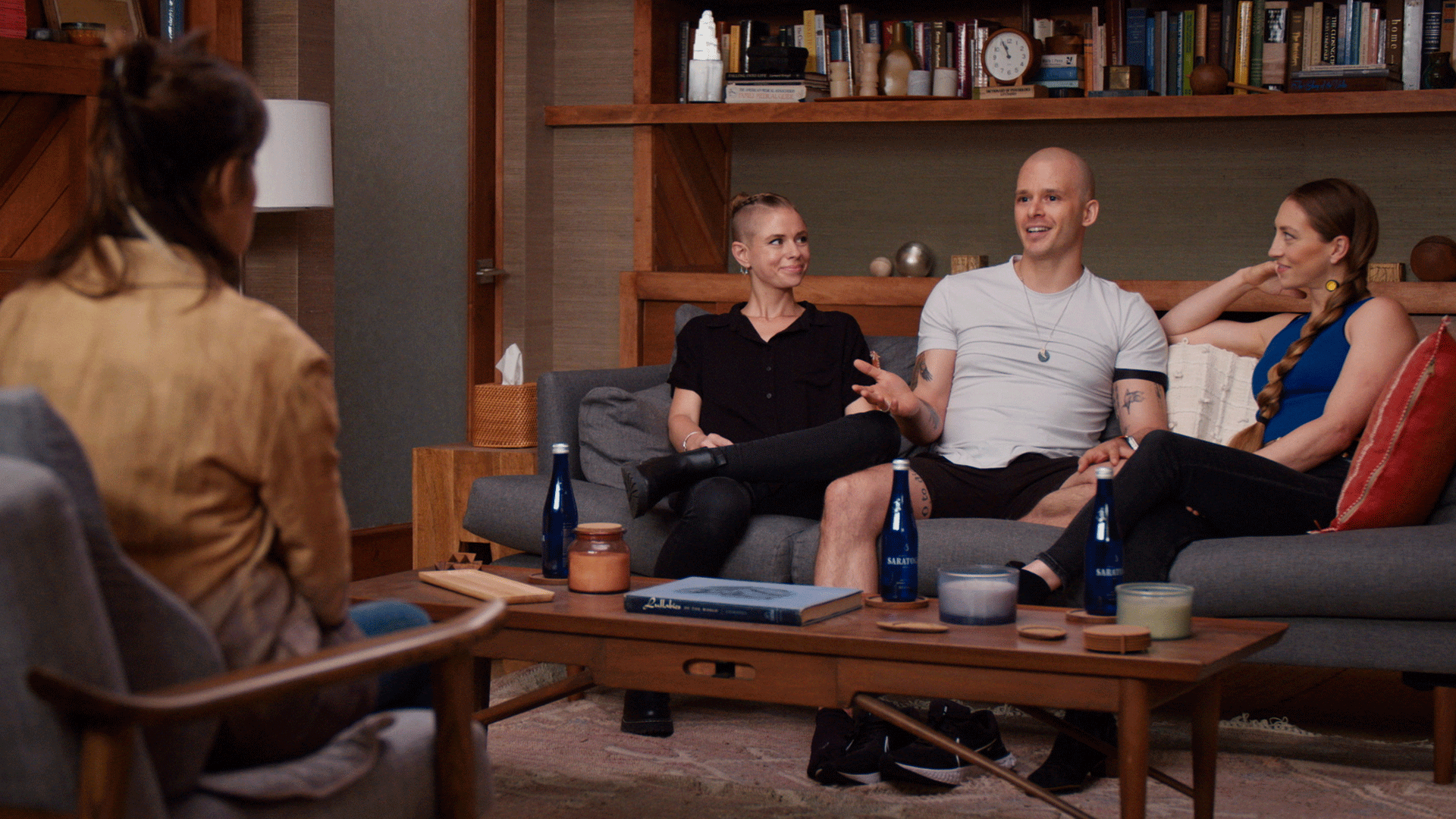
Psychological distress and therapeutic themes also repeatedly surfaced in artworks and cultural objects, from Lynne Ramsay’s film Die My Love, with its spiralling postpartum protagonist (played by Jennifer Lawrence) who ends up in a psychiatric hospital, to Rosalía’s album LUX, with her song La Perla addressed to a dishonest lover who has finally started seeing a psychologist. Couples Therapy, the addictive TV show in which psychoanalyst Orna Guralnik empathetically nods as relationship dynamics unravel on her couch, is now in its fourth season. The fact that the most recent outing of Steve Coogan’s Alan Partridge takes the form of a satirical mockumentary about ‘the invisible monster they call mental health’ indicates the ubiquity, absurdity and increasing hollowness of the term.

If there now seems to be a broad cultural consensus that everybody hurts, that everybody ‘has’ mental health – even men! – and that it is very important to acknowledge this, there is little agreement on where the misery comes from or how to make it stop. The UK health secretary Wes Streeting this year claimed there is an ‘overdiagnosis’ of mental health conditions in the UK. Reform UK deputy leader Richard Tice has similarly argued that too many children are receiving ADHD diagnoses, despite the fact that hundreds of thousands of people are stuck waiting years for an NHS assessment. Tice’s comments echo RFK Jr’s remarks on mental health in the US and are also chillingly reminiscent of anti-disability positions articulated by the AfD in Germany, recently analysed by historian Dagmar Herzog in her incisive essay The New Fascist Body (Wirklichkeit Books, 2025), in which she identifies in the contemporary and historical far-right an aversion to dependence, ‘empathy and solidarity’, in favour of a cruel obsession with being ‘self-sufficient, competitive and invulnerable’.
In Psycho Politics (1982) Peter Sedgwick argued that although psychiatric hospitals had long been the target of criticism from radicals concerned about their cruelty, the person in Britain most responsible for deinstitutionalisation was the politician Enoch Powell, for whom ‘care in the community’ was a cheaper option (Powell served as Conservative minister of health during the early 1960s, prior to his infamously racist 1968 ‘rivers of blood’ speech, but, as Herzog argues, racism and ableism have historically often gone hand in hand). Similarly today there may be plenty of reasons people on the left might be sceptical about the limits of mainstream psychiatric diagnoses and treatments, but in a climate in which arguments about ‘overdiagnosis’ are being used as a pretext to threaten cuts to benefits and provisions, the more urgent political argument is to defend people’s access to mental healthcare and support.

Last week I took a photo of a poster on a pub toilet door depicting a listless-looking man lying under blankets with his head on a pillow. ‘Feeling overwhelmed?’ the poster asks before linking to an NHS website with advice on ‘mental well-being’. I visited the site, which suggests that people volunteer or do more exercise, and provides links to various therapy and sleep apps: SilverCloud, Daylight, Sleepio.
Talking therapies are infamously hard to access on the cheap or for free. ‘Evidence-based’, time-limited and frequently oriented towards returning people to work, cognitive behavioural therapy (CBT), for example, has been dominant in the NHS since New Labour’s ‘New Deal for Mental Health’ in 2007; it is also favoured by private health insurers in the US. CBT chatbots – which both SilverCloud and Daylight offer – are even more cost-effective. SilverCloud was developed by an Irish tech company that was acquired by the US telehealth platform Amwell in 2021. Daylight – slogan: ‘worry less’ – was developed by a company called Big Health (yes, really). BetterHelp, the US-based company Capaldi partnered with, connects users with humans rather than robots, but they work as low-paid gig-economy freelancers in an unregulated sector.
Elizabeth Cotton’s new book, UberTherapy: The New Business of Mental Health – soon to be joined by Eoin Fullam’s forthcoming Chatbot Therapy: A Critical Analysis of AI Mental Health Treatment – discusses the expanding global online therapy industry and what she describes as the ‘datafication of despair’. Given the difficulty and expense of accessing other forms of therapeutic support, it is understandable people seek solace via their phones, but Cotton discusses how profit-driven, data-gleaning tech companies have developed ‘short-term, solution-focused and standardised’ AI-powered therapies to automate and commodify mental healthcare.
In October 2023, BetterHelp, which was founded by an Israeli entrepreneur based in Silicon Valley, announced it was offering therapy ‘at no cost to those affected by the war in Israel’, which was shared by the government of Israel’s official X account. On a page that also addresses concerns around the company’s licensing and vetting of therapists and the sharing of data with third parties, the BetterHelp website currently states: ‘We offered free mental health support to any individuals affected by the conflict in Israel and Palestine – not to one side or another. We frequently offer this kind of neutral support during global crises because therapy can make a big difference.’ But what does ‘neutral support’ mean in this context?
Among the list of references to mental health that I amassed was a story about IDF soldiers diagnosed with post-traumatic stress disorder. The article mentioned a therapeutic farm for veterans, which I looked up. ‘Spread across nine lush, tranquil acres’, its website describes its many rescue animals, a woodworking studio, a ‘therapeutic vegetable garden’ and a yoga studio. What is illuminated by neutrally observing that IDF soldiers playing with donkeys and practising tai chi on land from which Palestinians were forcibly displaced ‘have’ mental health, while just over 100km away 94 percent of the hospitals in Gaza have been damaged or destroyed by the Israeli military in which they served, where 93 percent of young adults report symptoms of depression? Joelle M. Abi-Rached argues that the Lacanian term ‘psychic foreclosure’ could be applied to Gaza, which has seen ‘the erasure of the conditions (including symbolic ones) necessary for mental health, foreclosing the possibility of psychic well-being entirely’.
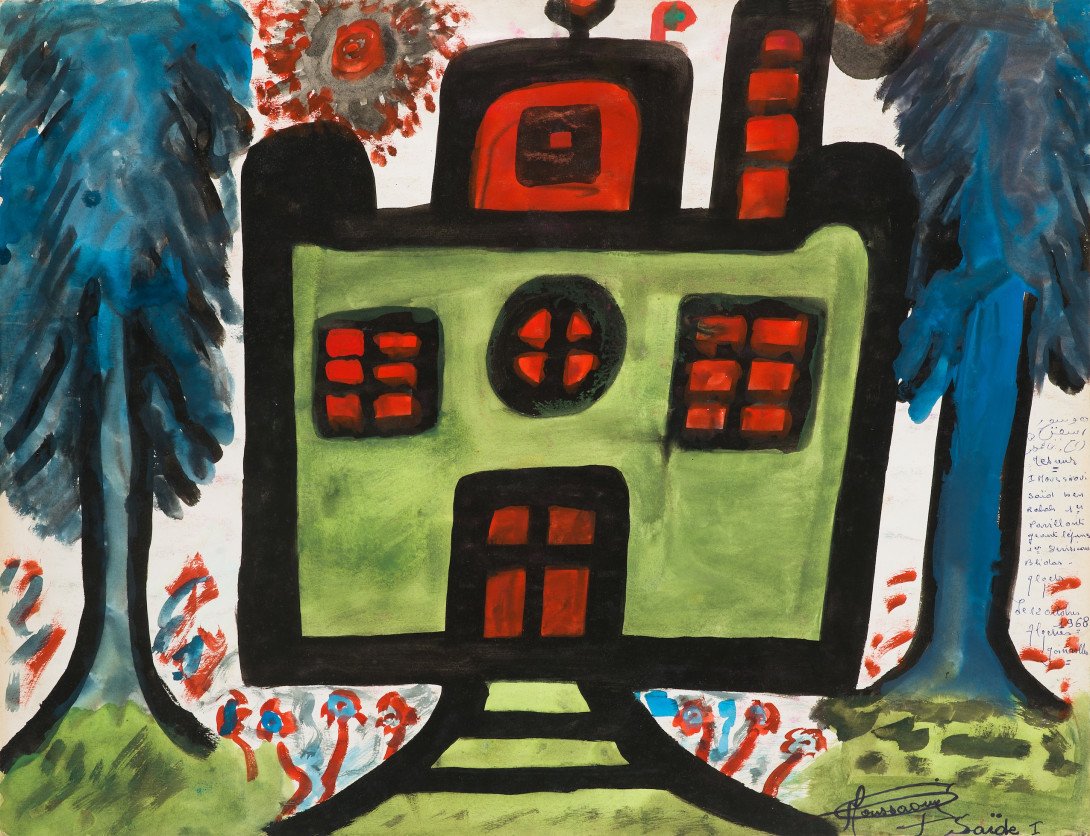
The year 2025 also saw a continued flourishing of interest in radical approaches to psychotherapy and mental healthcare that provide an alternative to the pernicious ideology of neutrality: initiatives like The Red Clinic and Albatross Clinic offered accessible anti-racist, feminist and class-conscious psychotherapy; Parapraxis magazine and the Psychosocial Foundation published and delivered seminars on psychoanalysis from a leftwing perspective; an exhibition of art by patients from the hospital Frantz Fanon worked at in Algeria opened in Paris; podcasts like Red Medicine and Ordinary Unhappiness discussed radical approaches to psychic life; and many exciting books that engage with histories and theories of radical psychiatry and psychoanalysis were published. Stephen Frosh’s How to Be Real: A Survival Guide in Challenging Times asked how to live authentically in a scary and uncertain world; Florent Gabarron-Garcia’s A People’s History of Psychoanalysis provided an introduction to radical clinical experiments in psychoanalysis from Buenos Aires to Berlin; Samah Jabr’s Radiance in Pain and Resilience: The Global Reverberations of Palestinian Historical Trauma discussed the specificities of trauma in the Palestinian context where the ‘post’ in post-traumatic stress disorder has no meaning because violence is ongoing; Akshi Singh’s In Defence of Leisure: Experiments in Living with Marion Milner beautifully described how the work of British psychoanalyst Marion Milner (1900–98) inspired the author to explore new ways of living her own life; Healing Institutions gathered newly translated writings by Catalan psychiatrist Francesc Tosquelles (1912–94) edited by Joana Masó.
Therapy chatbot apps might be new, but the tendency to detach psychic symptoms from their social causes to downplay the systemic causes of mental distress is probably as old as capitalism. Hopefully, vital engagements with internationalist histories of practical and intellectual resistance to hegemonic approaches to psychological distress will continue in 2026. Maybe then we can start talking about something more specific than the ‘mental health’ we all ‘have’.