Did anyone expect Emerald Fennell’s much-hyped Brontë adaptation to be… boring?
Before you see Emerald Fennell’s Wuthering Heights remake, you hear it. Specifically, you hear grunting and what sounds like creaking bedsprings. This, it turns out, is a little trick played on the viewer. Because once the Warner Bros logo has come and gone, the film doesn’t open with Heathcliff and Cathy having sex, but on a scene of a public hanging. That creaking is a rope straining around a man’s neck, the grunting his doomed struggle for survival. Much to the merriment of the baying crowd, the dying man has a ‘stiffy’. The camera moves between the hole his gasping mouth makes in the sack placed over his head and the bulge in his groin.
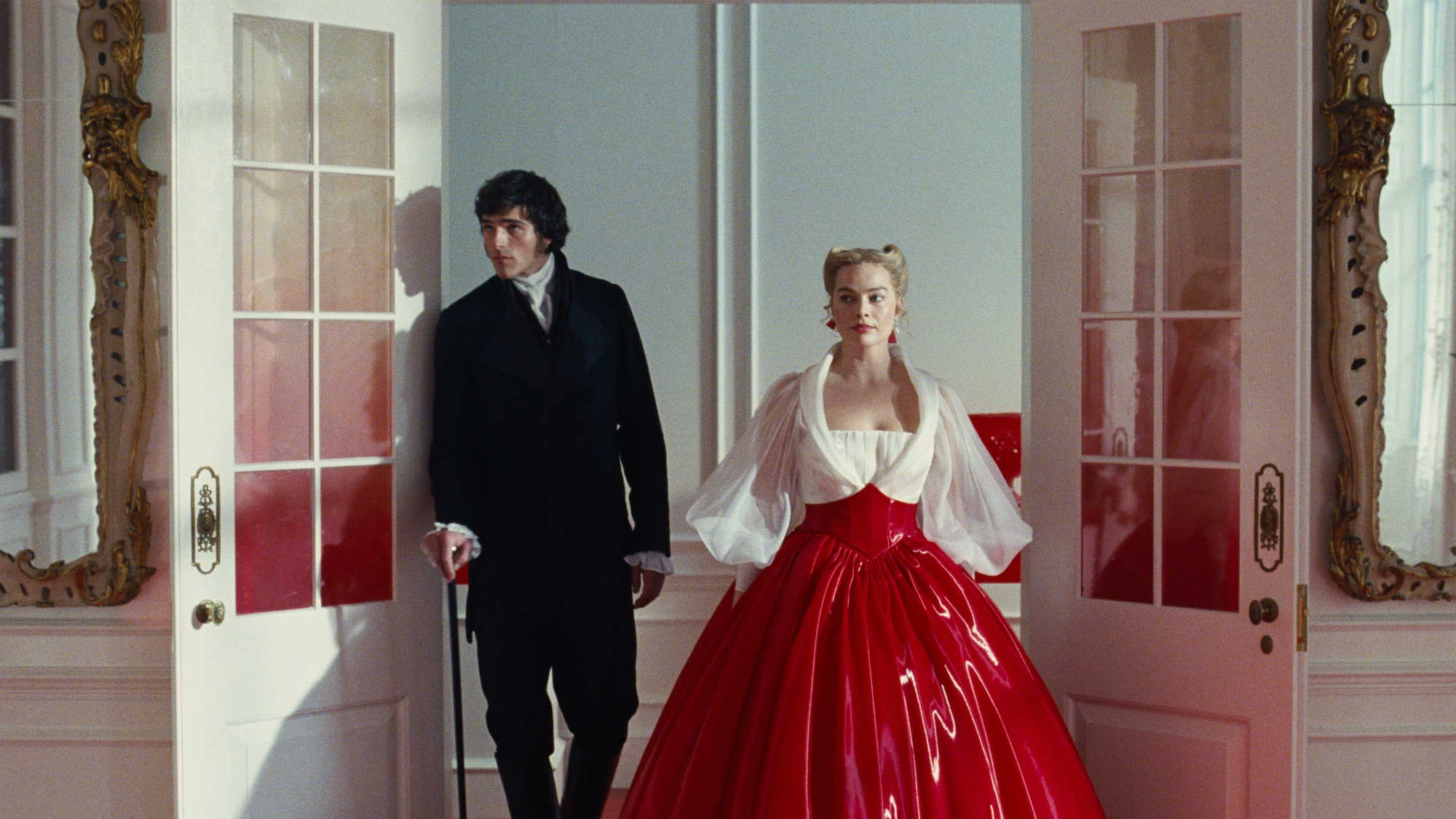
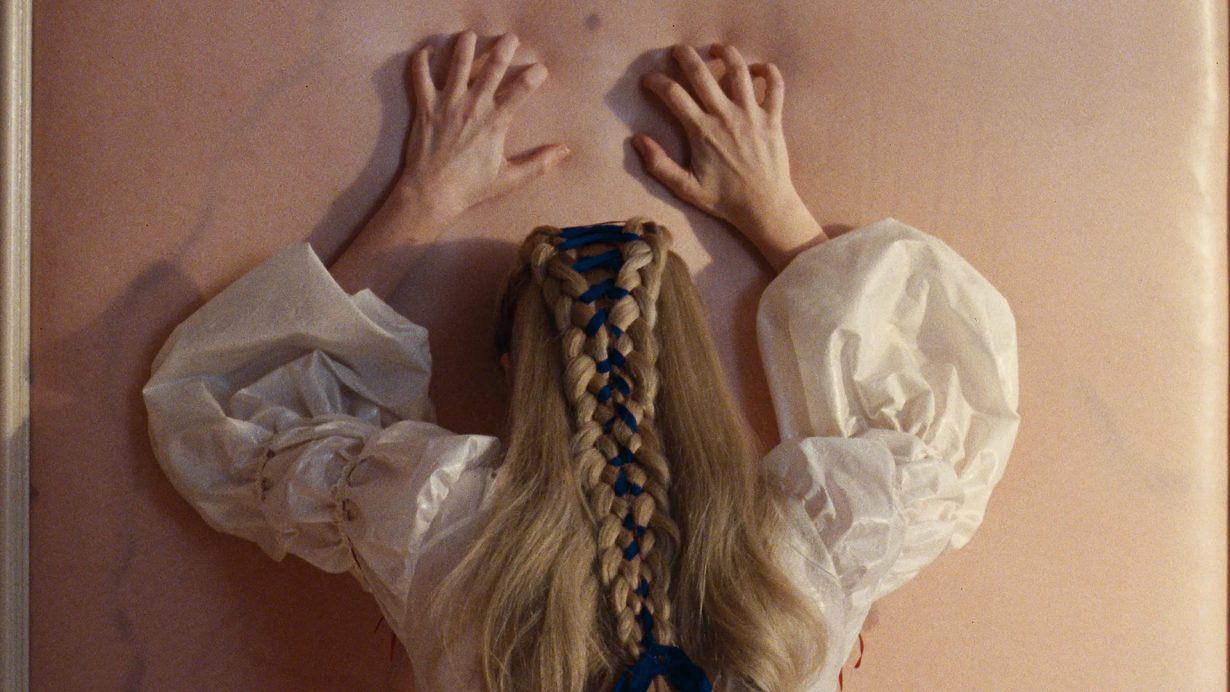
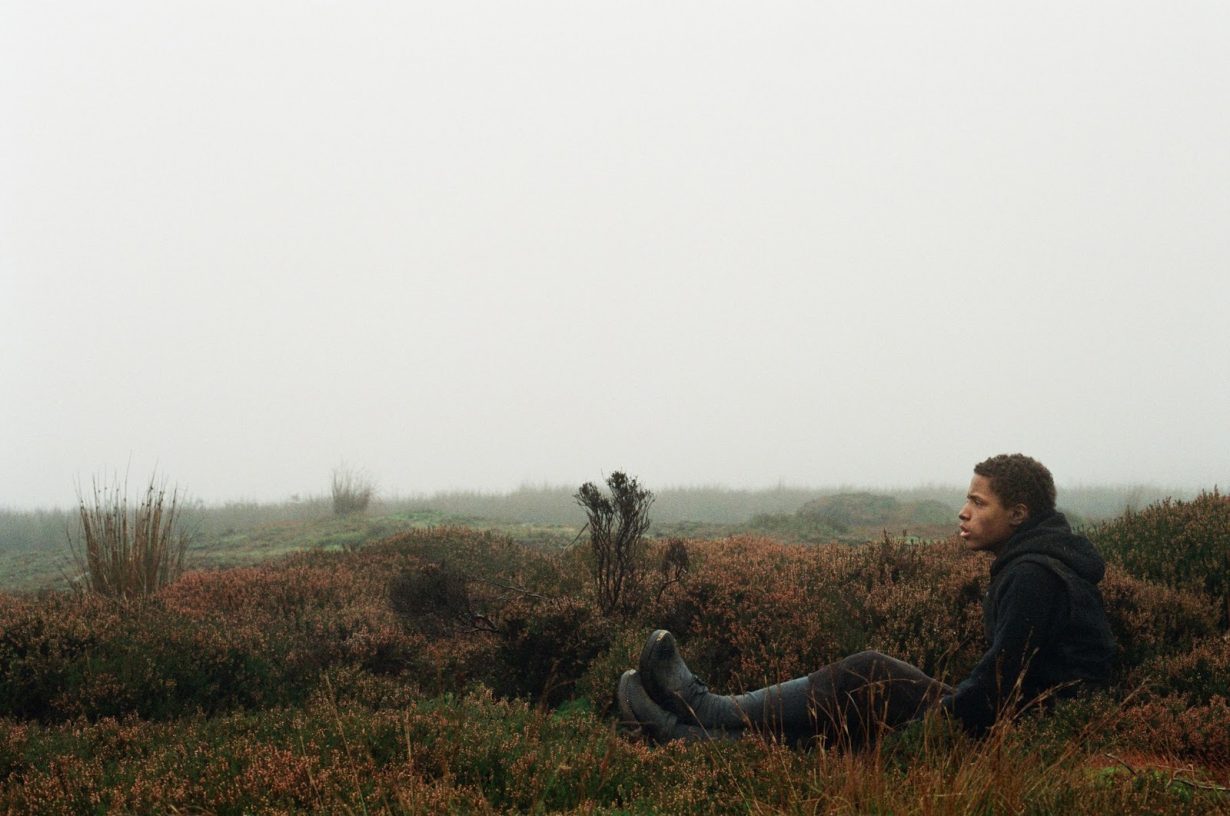
This opening scene is particularly worthy of mention because it’s the most visceral of the entire film. What follows is a rather glossy and vacant version of Emily Brönte’s novel, in which a seething tale of possessiveness is transformed into a fashion-forward mood board of Gothic moorland inspo. Fennell’s surprisingly clean Heathcliff spends much of the film with the sort of soft mullet and earring favoured by men today, in hopes of signifying the ‘edgy’ side of normativity. Misty shots of craggy rock and moss are accompanied by a crunching Charli xcx soundtrack, and the film is punctuated by contemporary twists on decor and costume that dominated the film’s extensive promotion. The wardrobe of Catherine Earnshaw, played by Margot Robbie, is in many ways the film’s main character. Her sheer pearlescent dress, and the enormous veil that billows over the landscape as she walks to marry a man she doesn’t love, are certified scene-stealers. See also sequined walls, a polished blood-red floor, and a chimney breast covered in casts of hands that recalls the kinds of attempts at artistic flair native to self-consciously kooky boutique hotels.
There certainly is pleasure to be taken in the details. The problem is they remain just that: a collection of visual moments, the sort of thing suited to an ambitious music video, a high-concept fashion shoot, or indeed an extensive promotional campaign, but which are not, on their own, enough to convincingly hold together a film. Because what happens between these moments is stodgy and prosaic, not helped by the almost complete absence of depth from one of literature’s most famously tortured protagonists.
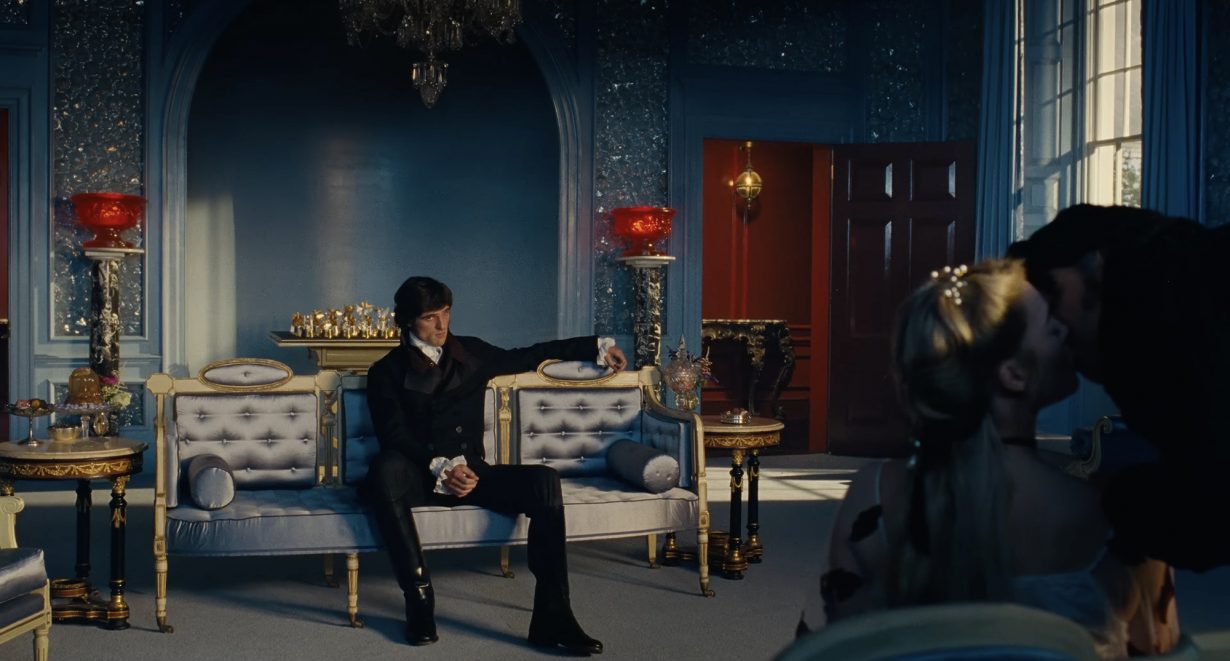
Brönte’s Heathcliff is a ‘gypsy’ plucked from the streets as a child and brought into a dysfunctional household. When his childhood love, Cathy, marries another man to improve her fortunes, he transforms into a tooth-gnashing devil, setting off on a diabolical downward spiral that only ceases when he dies. A few years ago you might have expected an adaptation to push Heathcliff’s origin story, and the question of his ethnicity, as part of an explanation of how structural inequality made him so wretched – as Andrea Arnold did in her 2011 remake. Perhaps sensing a changing cultural mood, Fennell does away with this aspect of the book altogether, along with anything else that could convey his infernally tormented soul, placing the film’s title in scare quotes to justify the departure from Brönte’s plot. Played by the remarkably wooden Jacob Elordi, Fennell’s Heathcliff is merely horny rather than viciously hot, his profound amorality translated into a milquetoast penchant for sub-50 Shades BDSM. He lumbers around with his shoulders up by his ears and his mouth gaping – a look meant to convey a permanent state of arousal, which instead makes him seem lost and confused.
Pop culture often excels when the sublime is approached through extremes of basicness. Take the abrasive simplicity of Charli xcx’s Brat, or indeed David Lynch’s Twin Peaks, where the corniness of the actors is used to create a shlocky and seedy ambience. Rather than producing a psychologically nuanced portrait of doomed love, Fennell could have pushed at the seams of romantic cliché to break through to genuinely surreal and interesting terrain, turning Elordi’s limitations into a virtue. Indeed, his Heathcliff makes most sense when he’s shown on horseback against a corny tequila-sunrise sky or shirtless in the stable. But the film ends up being neither here nor there, too risk-adverse to be innovative, too banal to be moving, too slow to maintain excitement. When the tension breaks and the ill-fated lovers finally have sex (departing from the novel), the atmosphere slackens, and there is little to do but wait and see what Cathy wears next.
Until now, Fennell’s strength has been an ability to put her finger on what’s hot: the timeliness of Promising Young Woman’s #MeToo revenge fantasy (in 2020, which ensured more plaudits than it deserved), and Saltburn’s 2023 paean to 2000s fashion, made them perfect vessels for hype. In contrast, Wuthering Heights is a little late to the party. The mix of contemporary culture and period drama on which it relies has become an established trope, from the appearance of a Converse trainer in Sophia Copolla’s Marie Antoinette back in 2006 to orchestras playing Ariana Grande in the more recent Bridgerton (2020–). Perhaps in time, Fennell’s oeuvre will be appreciated for its encapsulation of our present, an era in which the distinction between a film and its promotion has all but evaporated, both transformed into tools for creating a blitz of images designed to dominate social media feeds. But for now, as pleasant as it is to see Margot Robbie in a bodice and a pair of red sunglasses à la late 90s Britney Spears, this is not, on its own, enough to own the moment – or to fill more than two hours of cinema.
Read next The Interview: Aidan Zamiri