The filmmaker speaks to ArtReview about his new film Peter Hujar’s Day
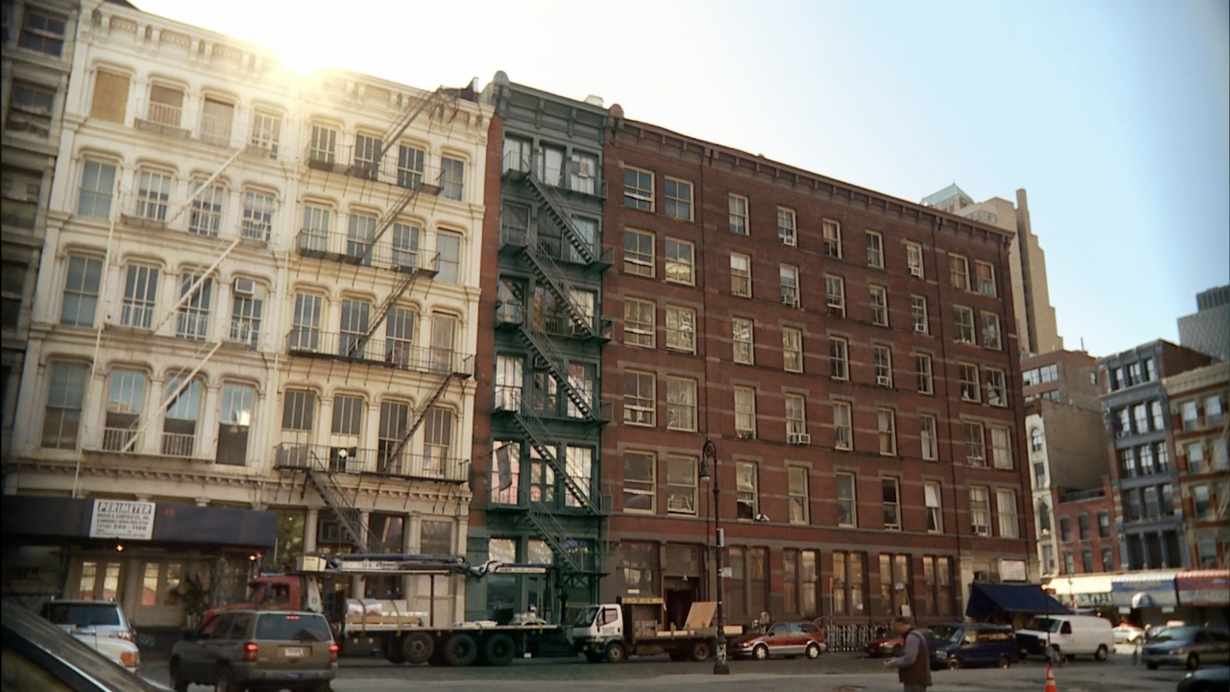
In Last Address (2010), the camera records a New York day via the facades of various buildings around the city, starting as the sun comes up outside 542 LaGuardia Place, concluding after nightfall, some eight minutes later, at 142 West 44th Street. Made by the American writer-director Ira Sachs, the dialogue-free short is an elegiac portrait of an artist community decimated by AIDS: the buildings featured are all former, final, residences of figures lost between 1983 and 2007. Keith Haring lived at LaGuardia Place, Reza Abdoh at West 44th Street. At 189 2nd Avenue, which appears on screen surrounded by scaffolding, lived Peter Hujar (and eventually, David Wojnarowicz). It was at this address, on 18 December 1974, that the photographer took a call from Susan Sontag, agonised over a disappointing shoot with Allen Ginsberg, and finally, after the writer had used his shower, ate Chinese food with Vince Aletti. We know this because Hujar relayed it all to his friend Linda Rosenkrantz the following day, for a book project that was never realised.
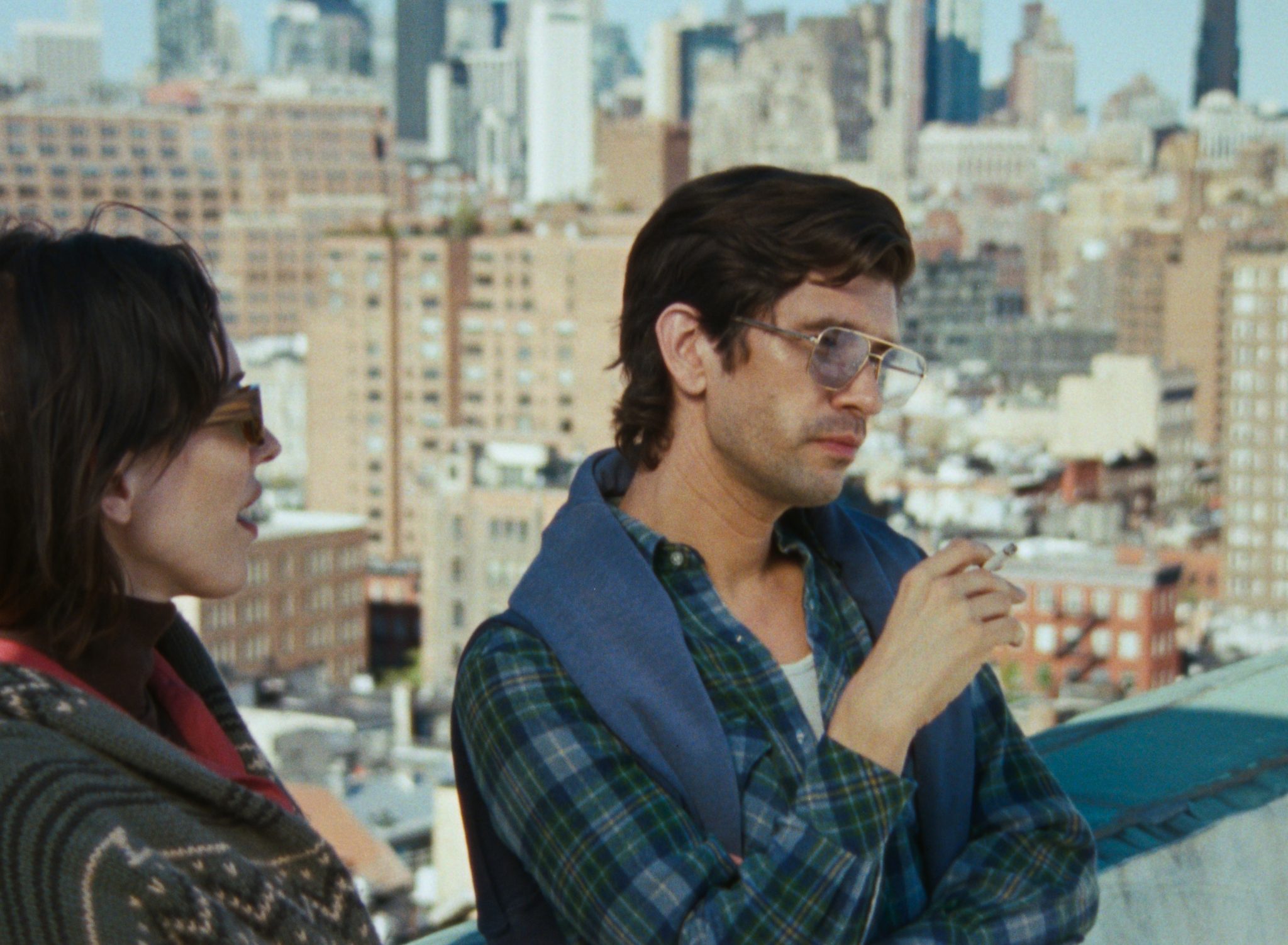
In his latest film, Peter Hujar’s Day, Sachs revisits 18 December 1974, constructing a visually rich accompaniment to Rosenkrantz’s original transcript (assumed lost until 2019, it was subsequently donated to the Morgan Library & Museum, where Hujar’s wider archive is held, and was published as a book in 2021). As in the short, light performs a central role: early on, bright sunshine infiltrates Rosenkrantz’s apartment, highlighting the glass tableware that neighbours the seemingly more quotidian details of Hujar’s narration (little of which, in the context of his profession, subsequent prestige, and the names he mentions – which include Fran Lebowitz and William Burroughs, as well as Sontag and Ginsberg – are actually all that ordinary). Meanwhile, candlelight accompanies a discussion about ageing and its effect on the body (both parties were forty at the time). Unlike Last Address, dialogue (typically monologic, though Rosenkrantz’s reactions are peppered throughout) fills its 76-minute runtime, with Hujar, played by Ben Whishaw, moving around the apartment – chair to wall to window to record player – as he recounts the previous day’s events. This choreography provides some distance from the original text (which was more centralised), and speaks to the world Sachs has created which, like Hujar’s own narration, leans into the synthetic while being deeply affecting and frequently joyful. The film succeeds in restoring a human presence to an art-historical figure, allowing Hujar to emerge as someone living and speaking, shaped by memory, routine and voice.
When he arrives for our conversation, on a wet Thursday at a central London hotel, Sachs is carrying a copy of Stay Away from Nothing (2025), a new volume of correspondence between Hujar and Paul Thek, his close friend and former lover, edited by Francis Schichel (a present for Whishaw, he clarifies). Indeed, though Hujar released just one monograph during his lifetime – 1976’s Portraits in Life and Death arrived 11 years before he died, aged fifty-three on 26 November 1987 – recent decades have seen something of a renewed, and more widespread, interest in his work. Radical in his own time and still now, his photographs offer an unflinching record of queer life and desire that ran counter to dominant cultural norms, finding beauty in the everyday, in bodies, intimacies and subcultures long stigmatised or rendered invisible.
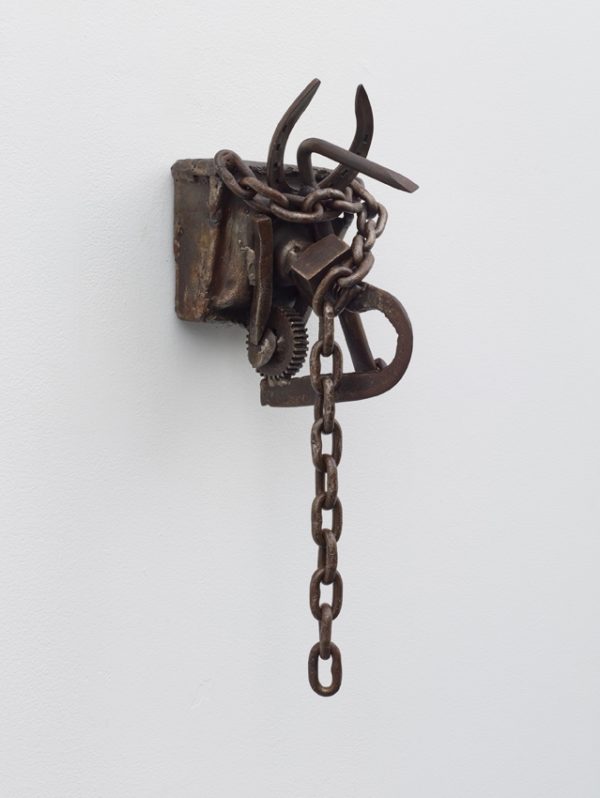
In April, Granta will publish Andrew Durbin’s The Wonderful World that Almost Was, also exploring Hujar and Thek’s relationship, while John Douglas Millar, co-curator of last year’s wildly popular Raven Row show, Eyes Open in the Dark, is currently working on a biography, set for 2029 (the show too, is continuing, traveling to Germany’s Bundeskunsthalle in February). In pop culture also, the quiet majesty of Hujar’s photographs has been amplified: in 2015, Orgasmic Man (1969) was used for the cover of Hanya Yanagihara’s controversial novel A Little Life, while Anthony and the Johnsons employed Candy Darling on her Deathbed (1973) for I Am a Bird Now’s artwork in 2005 (both Whishaw and Rebecca Hall, who plays Rosenkrantz, have noted previously that the album cover was their introduction to Hujar).
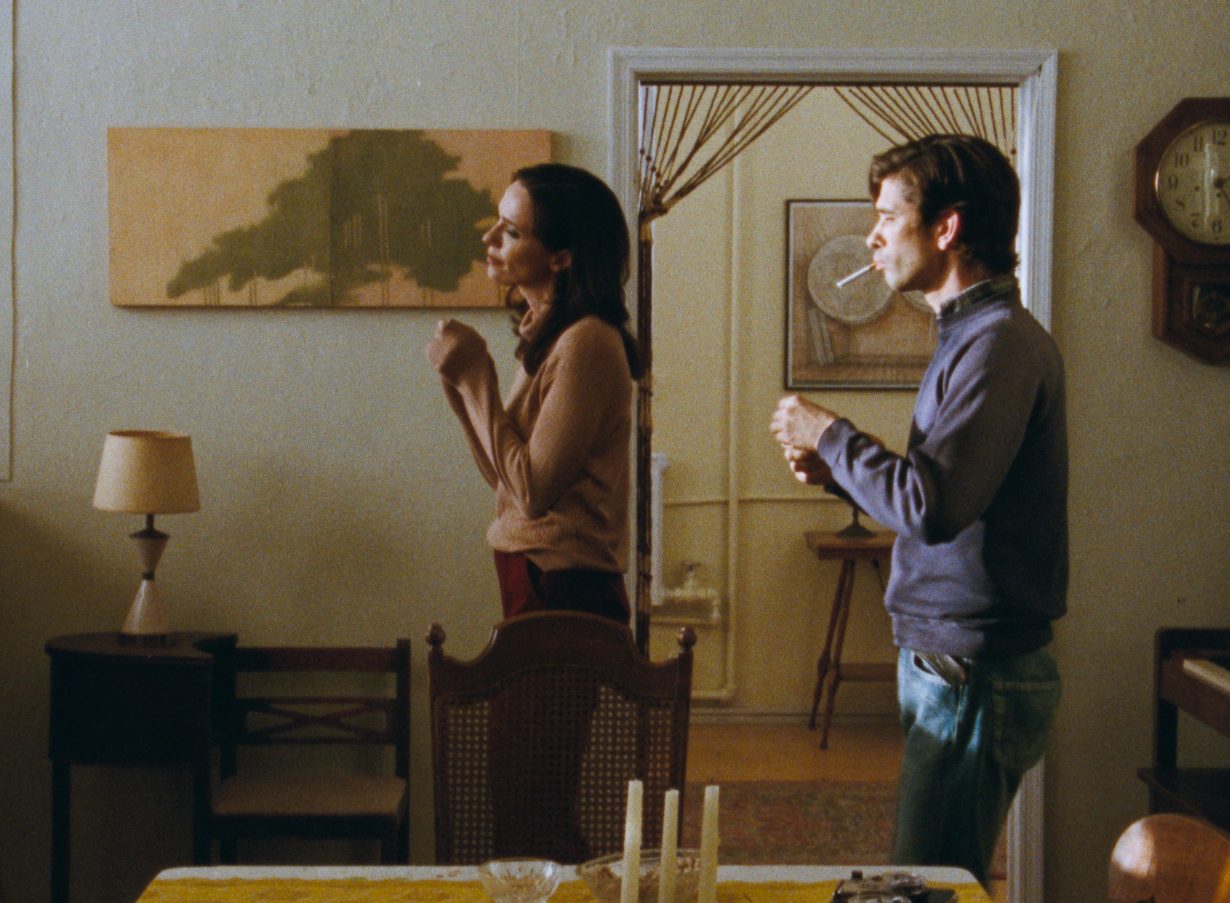
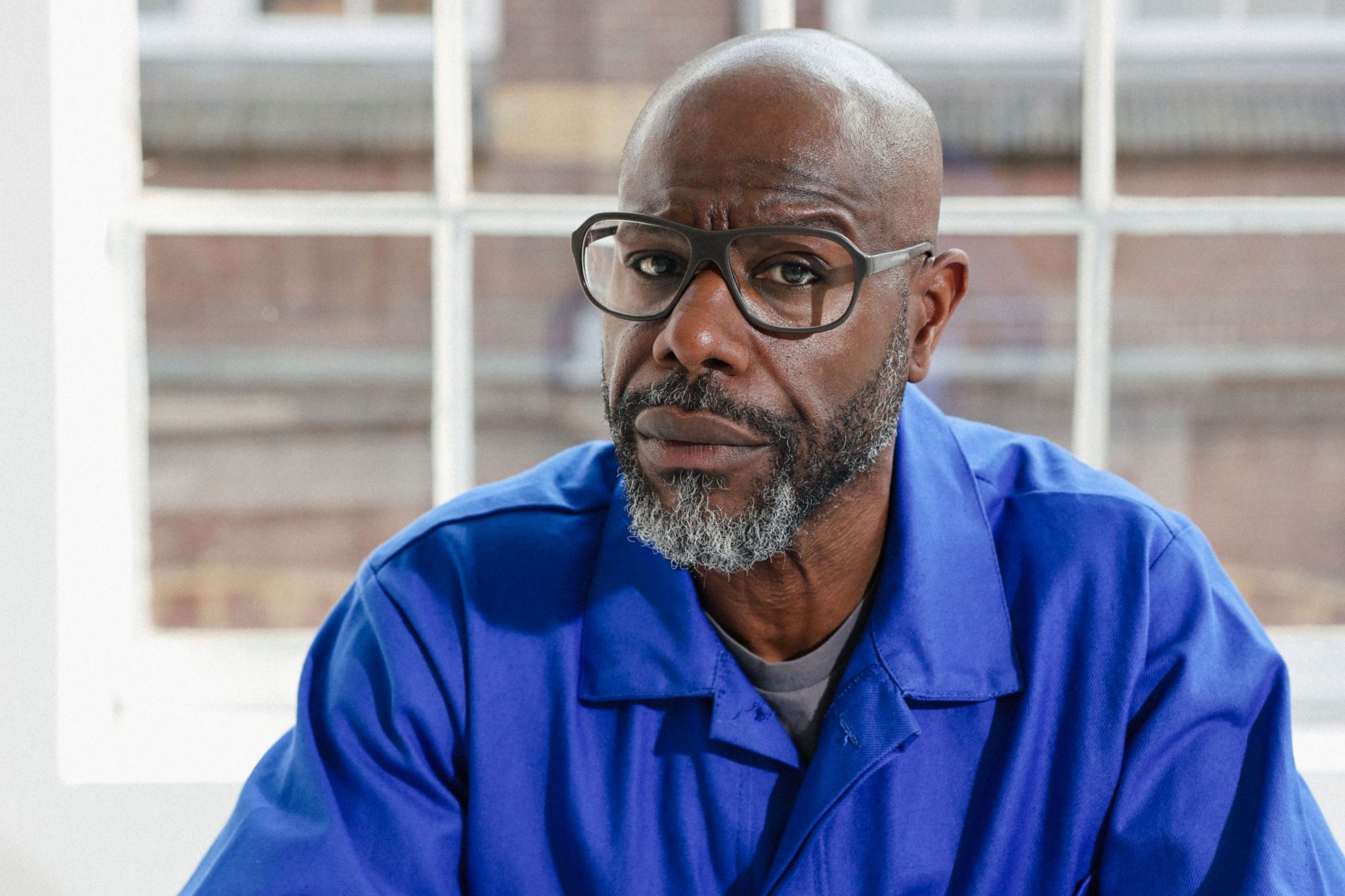
“I don’t have any intention of broadening the audience of Peter Hujar,” Sachs tells me, recalling his initial objectives for the film. Already engrossed in the photographer’s story when he came across the original transcript, also titled Peter Hujar’s Day, at Les Mots à la Bouche bookshop in Paris – during the making of Passages, his 2023 feature in which Whishaw also stars – he instinctively sensed that “there was a film there based on the power of the final images.” He reached out to Rosenkrantz, now ninety-one, on Instagram, and the pair have since built an intimate working relationship; Sachs calls her Imogene, after the actress Imogene Coca, and she refers to him as Sid, after Sid Caesar, whom Coca starred alongside in the Saturday night variety programme, Show of Shows, which ran on American TV from 1950 to 1954. With Whishaw there was a similar ease. “We share an interest in queer history, but also the danger of making art and having a creative life, and you need comrades to do that,” says Sachs. “I sensed Ben was a comrade, and was also struck by the purity of his performance in Passages.”
Sachs, who was born and grew up in Memphis, arrived in New York in 1988, less than a year after Hujar had died. He says he initially learned about the photographer in the context of Wojnarowicz, Hujar’s one-time lover and firm friend, who moved into his 2nd Avenue apartment after his death. “Specifically, it was the Village Voice profile of David by Cynthia Carr – it mentioned Peter’s role in his life,’’ Sachs says. ‘‘He was already dead at that point, so he was just like a shadow for me.” A few years later during the early 1990s, the then twenty-something aspiring director went to a show of Hujar’s work at Matthew Marks Gallery. “The exhibit was like a window opened into a world that I would want to be a part of, and had just missed. New York in the late 1970s and early 80s seemed so radical and also enveloping, to me, as a queer artist. The arts then felt like one – filmmakers were talking to poets who were involved with musicians – it was more classic in terms of building community.”
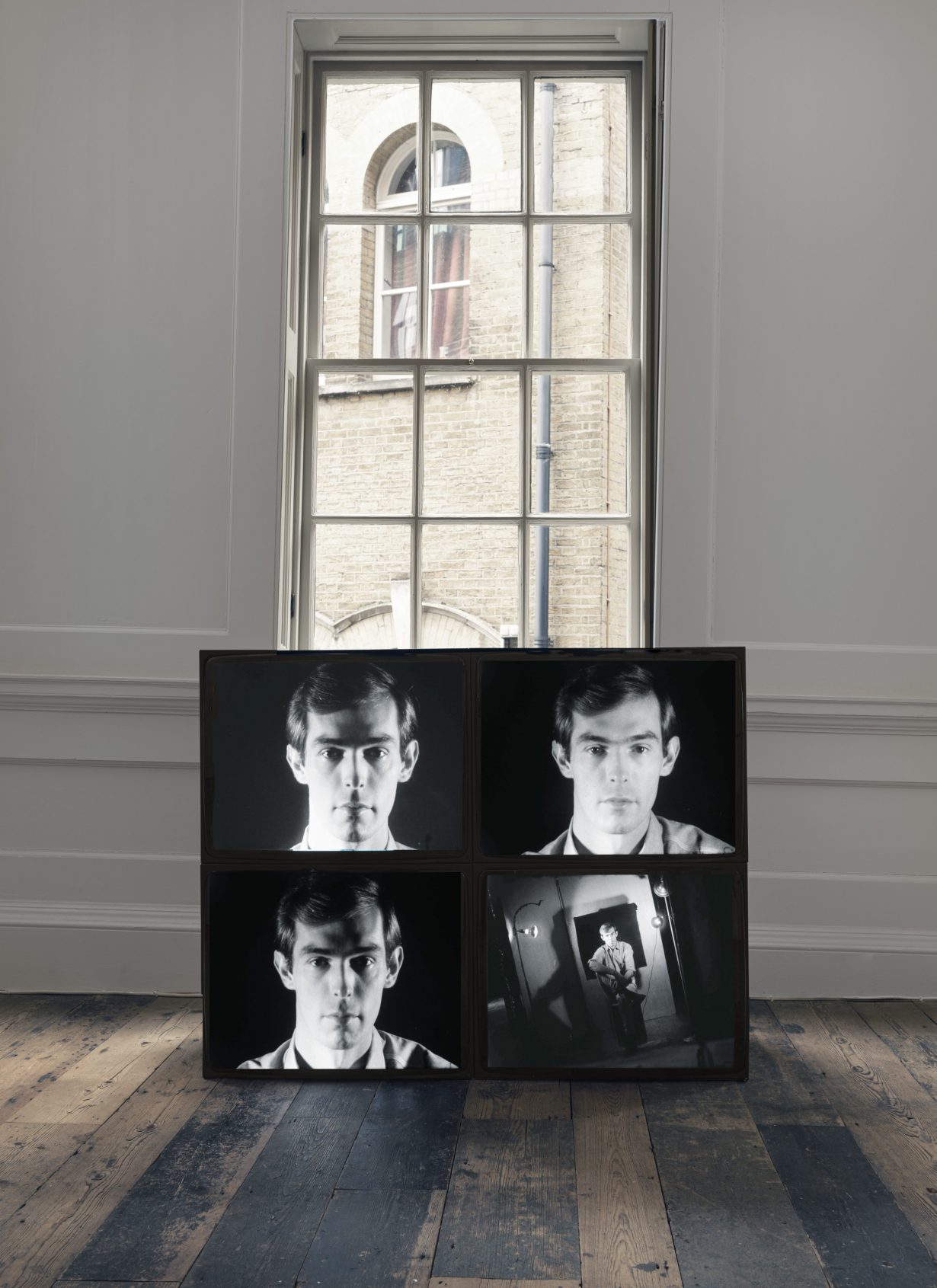
Nearly four decades after discovering the photographer himself, why does he think Hujar’s work continues to resonate? “The work is so good, simply put,’’ says Sachs. ‘‘There are few photographers of the late twentieth century who achieve such rich and resonant images as Peter. His work is precise. It’s both welcoming and distancing. There is also a consistency, which I think is important for an artist’s profile. He was rigorous in his selection. It’s a body of work which is monumental, and it makes visible a world that disappeared with the AIDs epidemic; like uncovering a circus under the ground.”
This last observation, coupled with ongoing efforts in the cultural sectors to champion the visibility of artists previously disregarded by the traditional cannon, is no doubt part of the Hujar equation, however it’s far from solely responsible – for example, Amsterdam’s Stedelijk Museum hosted a significant Hujar retrospective in 1994. Meanwhile, as Sachs asserts, writer Stephen Koch, to whom Hujar left his estate, has played a significant part in shaping the story. “Koch spent 40 years developing Peter’s reputation,’’ Sachs says. ‘‘And then there’s the market, which tends to identify and grow certain voices and make them valuable – valuable being a very complex word of both cultural and economic meaning.”
For his part, the filmmaker appears wholly disinterested in using his practice as any kind of tool for activism (in 2009, he mentions, he founded the non-profit Queer | Art, presumably in some way to mark this distinction and continue making films informed by personal desire rather than political need). In the case of Peter Hujar’s Day, Sachs speaks tenderly of the moments that make the artist – this shadow by which he has long been captivated – most human. “The thing that most moves me is the consistency of doubt that Peter shares in his storytelling about his own work,” he shares. “What most bothers him, and what he keeps coming back to, is whether he made a good photograph of Allen Ginsberg or not. That is so touching and so hidden from the photographs themselves, the fact that they were made by a person who had a vulnerable side. I find that very comforting.”
Read next Jenny Wu re-reads Peter Hujar’s Day