The book shows us that language is an evolving matter
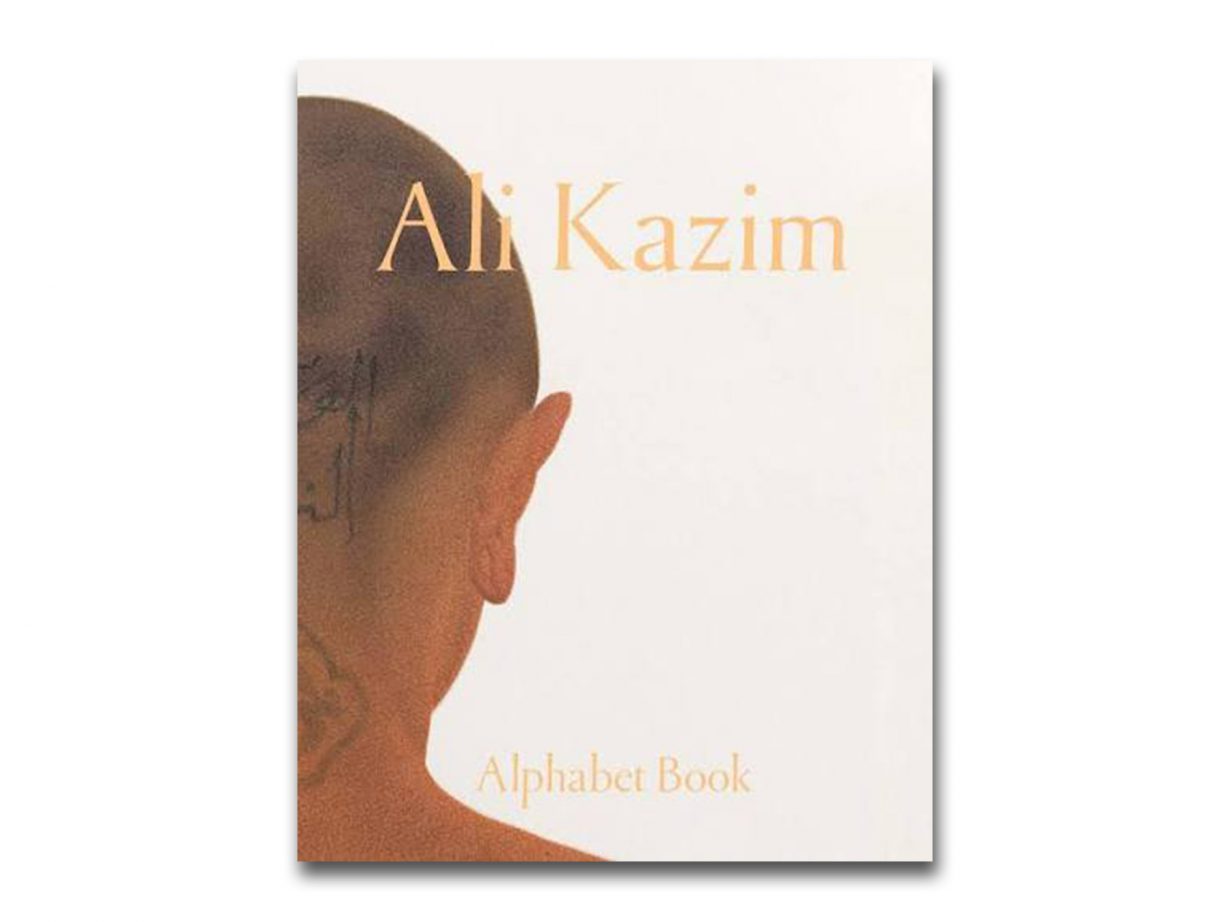
Combining words and pictures, a qaida or alphabet book is a basic tool for learning language (Urdu in this case). In a qaida, objects become letters, letters become words, words and letters become objects: you slip between one and the other until language interbreeds with perception in the generation of thought. But as with all such tools, some are better than others.
This one begins with curator Hammad Nasar bemoaning the poverty of the selected words and images in the qaidas upon which he hoped to rely when it came to teaching his expatriate children Urdu (they learned to speak but not to read or write, apparently). Presumably it’s with that audience in mind that the Urdu in the qaida Nasar has produced with Lahore-based painter Ali Kazim is rendered in transliterated Roman as well as Urdu script. As much as that also reflects the more basic fact that English is the supreme language of art. Nasar’s introductory text is also in English, necessitating an awkward flip from the book’s front to its back for the right-to-left reading of the qaida proper. But games of form and function are partly what this book is all about. There’s no doubt that Kazim and Nasar plan to do the qaida better. Whether that be down to the choice of words, the construction of the images, or the choice of paper.
Featuring figures presented against flat monotone backgrounds, Kazim’s aesthetic, Nasar points out, combines influences from East Asian wash paintings, South Asian miniatures and European etching. We get to see how some of that works in the entry for ‘Khaaka – Sketch’, which shows four stages of the same work (a topless, middle-aged man holding a parrot) as it moves from outline to solid form, one layer at a time. In the process, the word ‘Sketch’ becomes richer: a study of change, contingency, evolution and incompleteness. The finished print appears in the entry for ‘Tota – Parrot’.
For Nasar, language is similarly evolving: he notes the Urdu words (among them pyjama, coolie and loot, included here) that have migrated into the English language, and English words that have travelled the other way. As well as the many other ‘linguistic rivers’ that flow into Urdu (such as Hindi, Arabic, Turkish and Persian). In parallel, Kazim’s illustrations reference the artist’s precedents and contemporaries, multiple faiths and histories. Where this book really succeeds, however, is in its suggestion that language is a similarly many sided thing.
Alphabet Book by Ali Kazim and Hammad Nasar. Ochre Books, £39 (softcover)