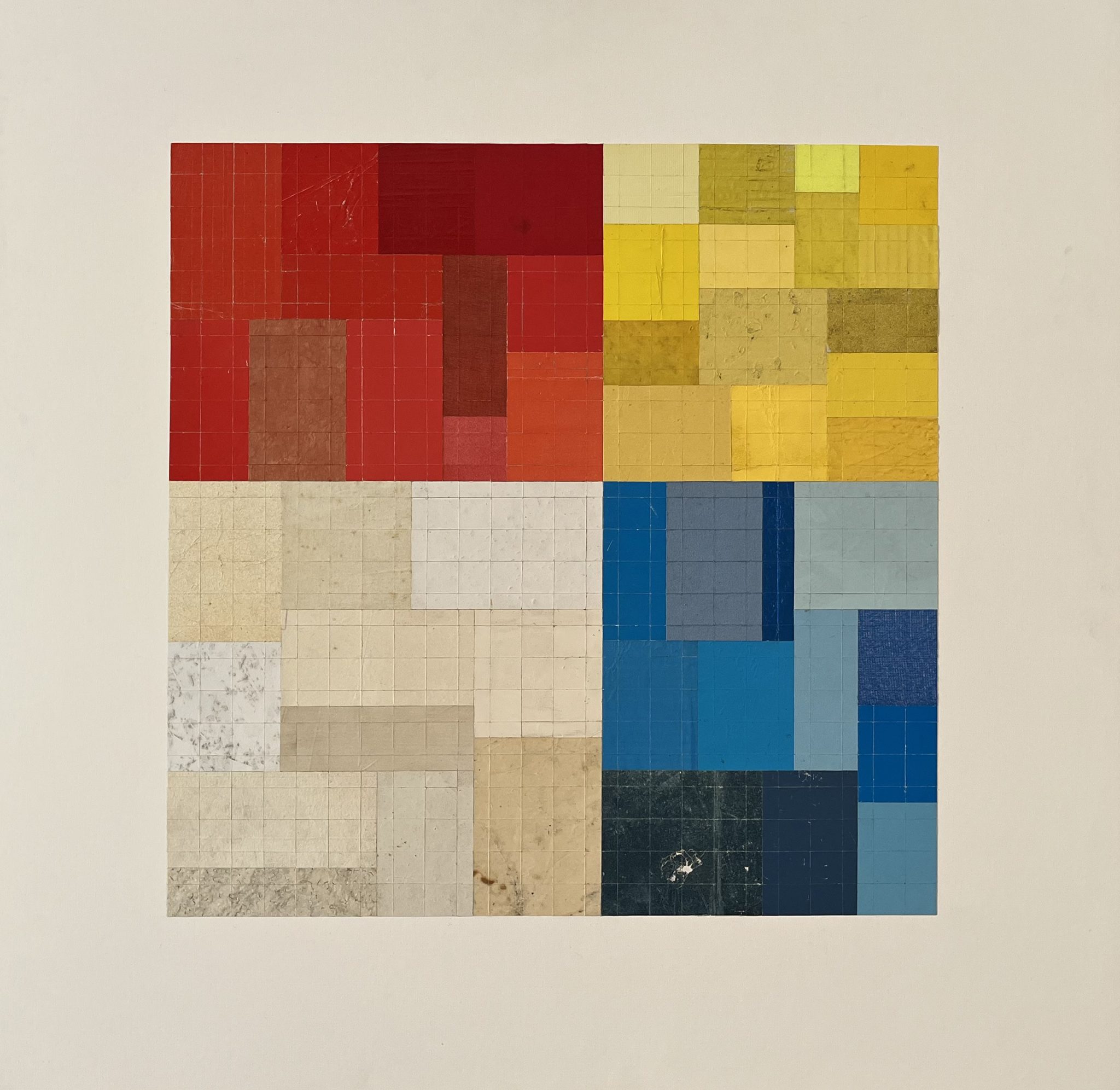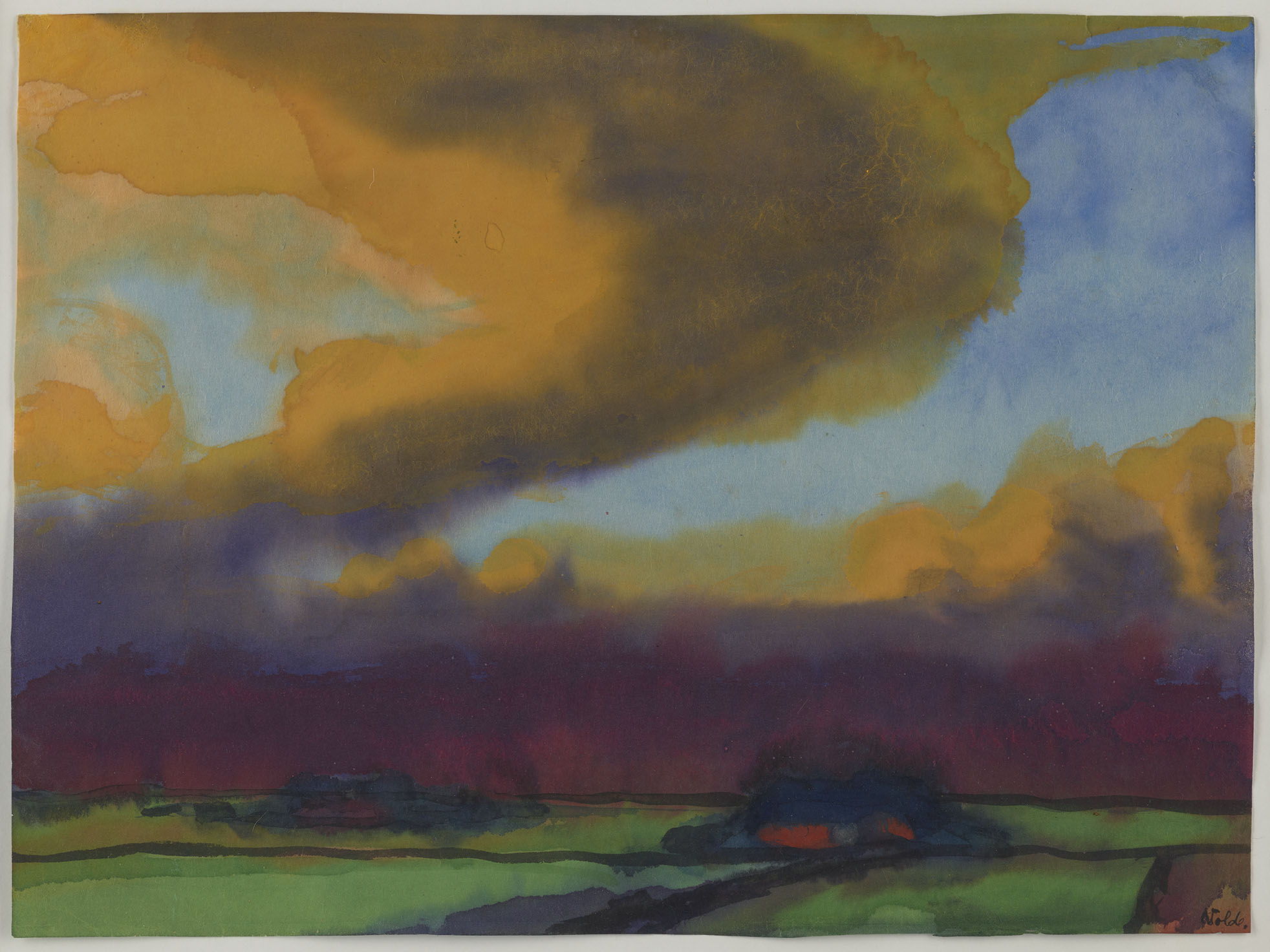
The founder of Kocerova Fine Art talks to ArtReview about Old Masters, Bergsonian duration and art-historical distance
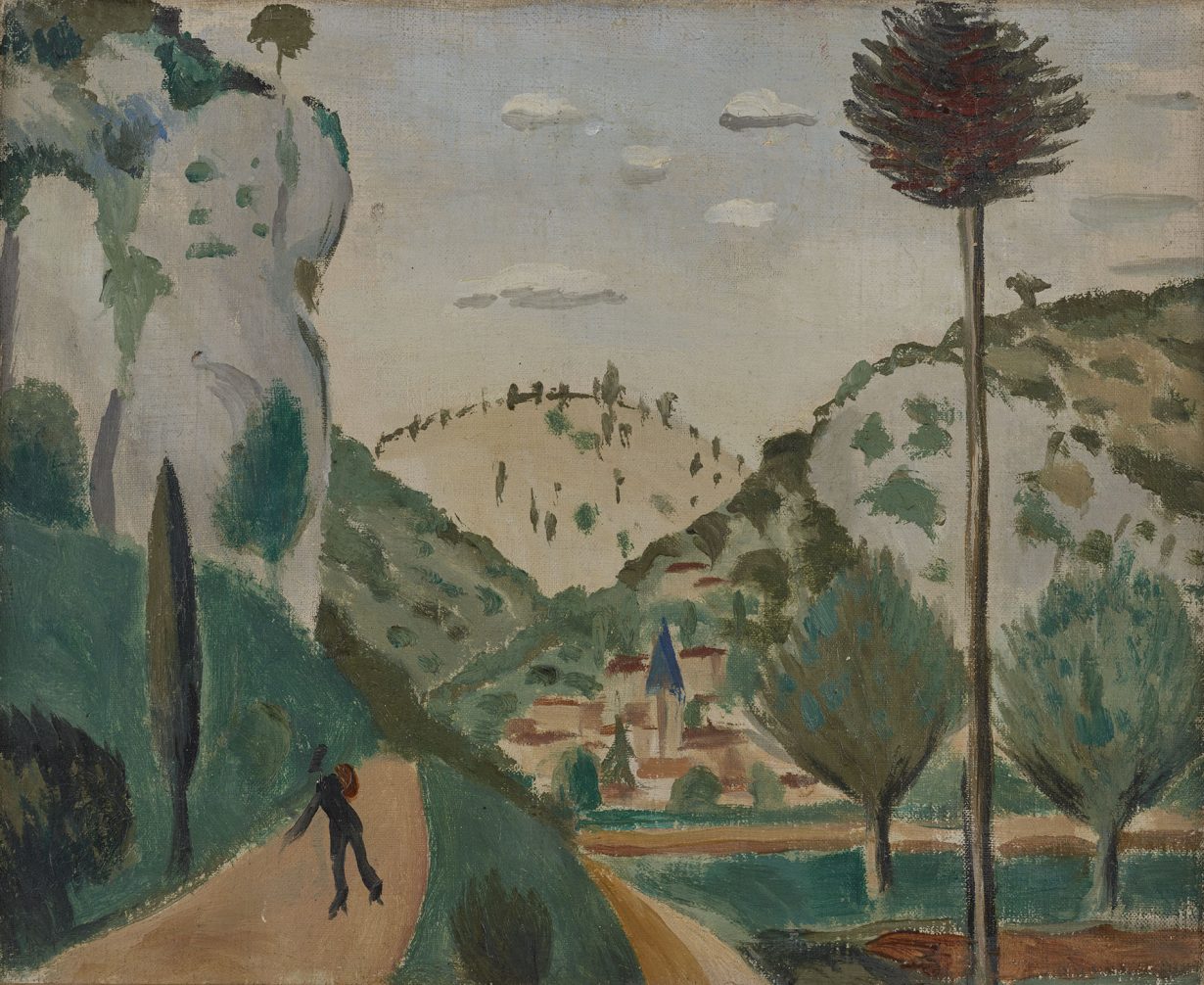
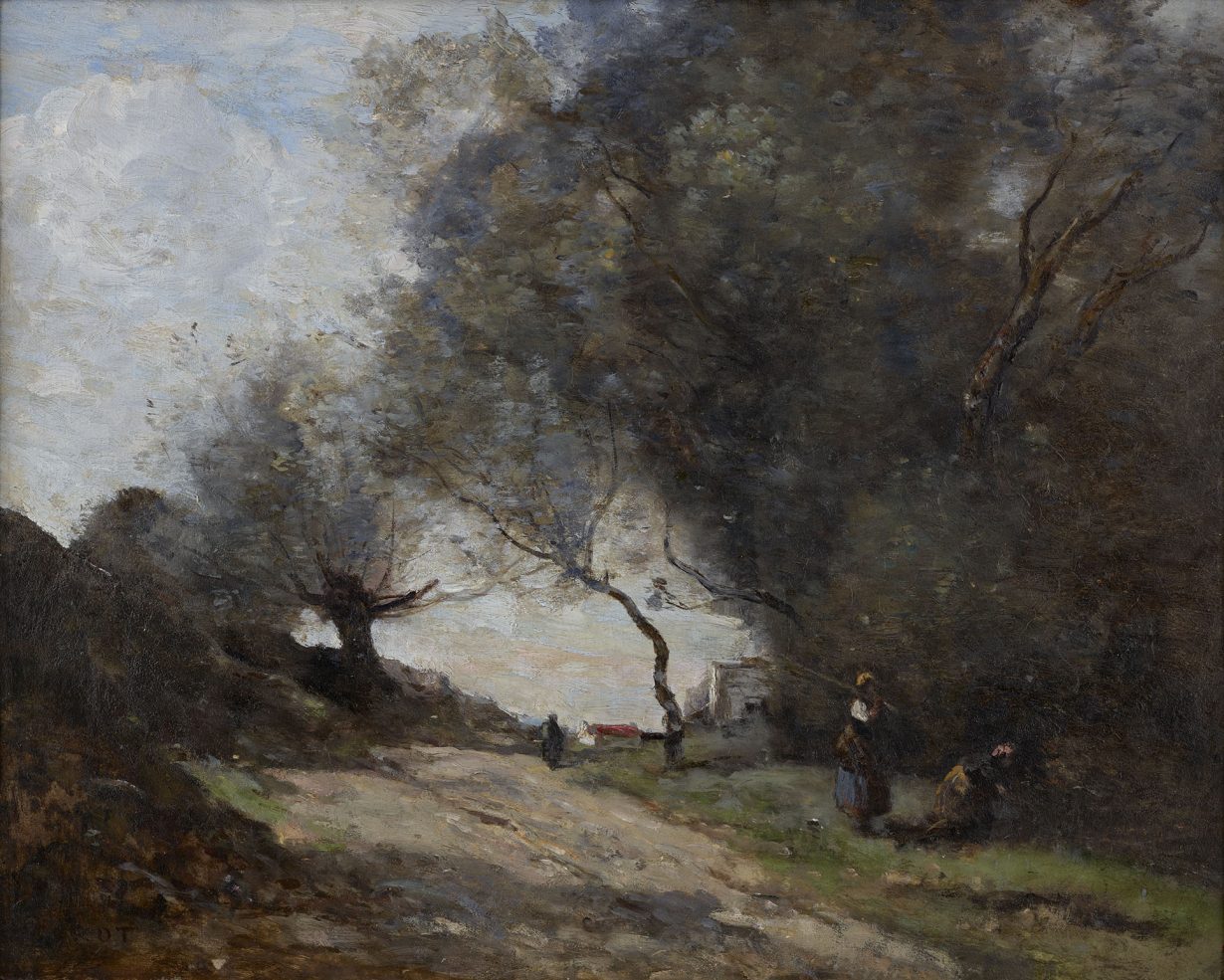
For its debut exhibition Kocerova Fine Art presents more than four centuries of painting in Echoes Across Time (showing at Simon C Dickinson during Frieze Week). The gallery’s founder, Darja Kocerova, is an art historian and art advisor whose professional experience spans galleries, auction houses and private collections, including Christie’s, Bonhams and Colnaghi. She is also the curator of Echoes Across Time, which brings together historical, modern and contemporary works in dialogue across centuries. The exhibition ranges from Pieter Brueghel the Younger and landscapes by Corot and Salvator Rosa to works by Emil Nolde, André Derain and Adolphe Monticelli, set alongside contemporary works. A collaboration with the 105-year-old jewellery house Allison Quaid sees a new collection on show beside the artworks, extending the conversation across materials and traditions of collecting.

ArtReview What first drew you towards art? Was there a particular artist, artwork or encounter that shaped the way you now look at and collect art?
Darja Kocerova Art was always deeply rooted in my life. I grew up immersed among paintings and collectors, so living alongside art became second nature. From an early age, I became fascinated not only by an object’s beauty, but by its history including where it had been, who had owned it, and how its interpretation evolves across generations.
Studying art history eventually gave me a more rigorous way of approaching that instinctive fascination. I was particularly drawn to the Old Masters, captivated by how a work made several centuries ago can still feel remarkably immediate. That combination of scholarship and emotional response continues to shape my approach to art and my practice as a collector.
AR You’ve previously worked as an art adviser within an auction-house context, and Echoes Across Time marks your debut as a dealer. What prompted that shift and what do you want to be able to do differently by establishing Kocerova Fine Art?
DK Working across auction houses, galleries and advisories gave me an invaluable perspective on the art market’s different facets. Over time, however, I felt the urge to build something with a more personal identity and a defined curatorial voice.
Establishing Kocerova Fine Art allows me to work across periods and categories rather than remain confined by the traditional market divisions. I can place an Old Master beside a twentieth-century work or contemporary piece because there is a genuine visual or intellectual relationship between them.
Scholarship, trust and long-term relationships form the foundation of my work. For me, dealing is never merely transactional; it is about guiding collectors to build bodies of work with true coherence and character.
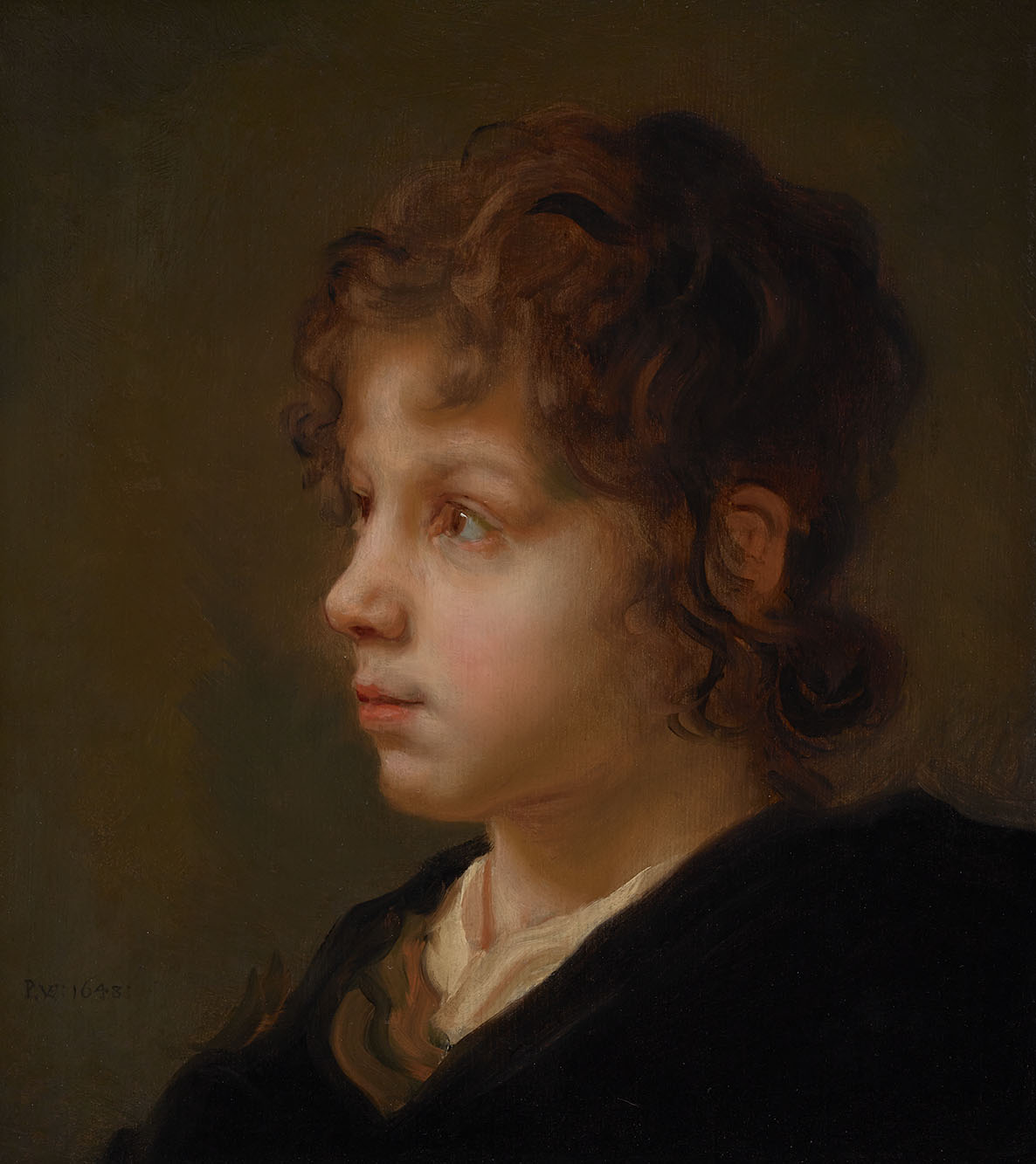
AR What do you think a new generation of collectors wants from the art market that the more traditional model hasn’t provided?
DK Many younger collectors are far less interested in rigid categories. They move fluidly between Old Masters, contemporary painting, photography and design, seeing no contradiction in bringing them into the same space.
Context is equally crucial. While provenance, scholarship and connoisseurship remain fundamental, collectors increasingly seek to understand why a work resonates today and how it interacts with the pieces around it.
There is a growing desire for greater openness and a more direct relationship with galleries and dealers. Collecting can be intellectually serious without being intimidating.
AR How did the idea for Echoes Across Time begin?
DK It began with a very simple question: what happens when we stop looking at art history purely chronologically?
When I started bringing these works together, I noticed that paintings separated by centuries were often engaging with remarkably similar ideas, from landscape and atmosphere to movement, memory and our experience of time.
Rather than presenting art history as a succession of movements where one period replaces another, I wanted to explore continuity. I became interested in how certain ways of seeing disappear only to return, and how artists continually reinterpret ideas inherited from the past. That became the foundation of Echoes Across Time.
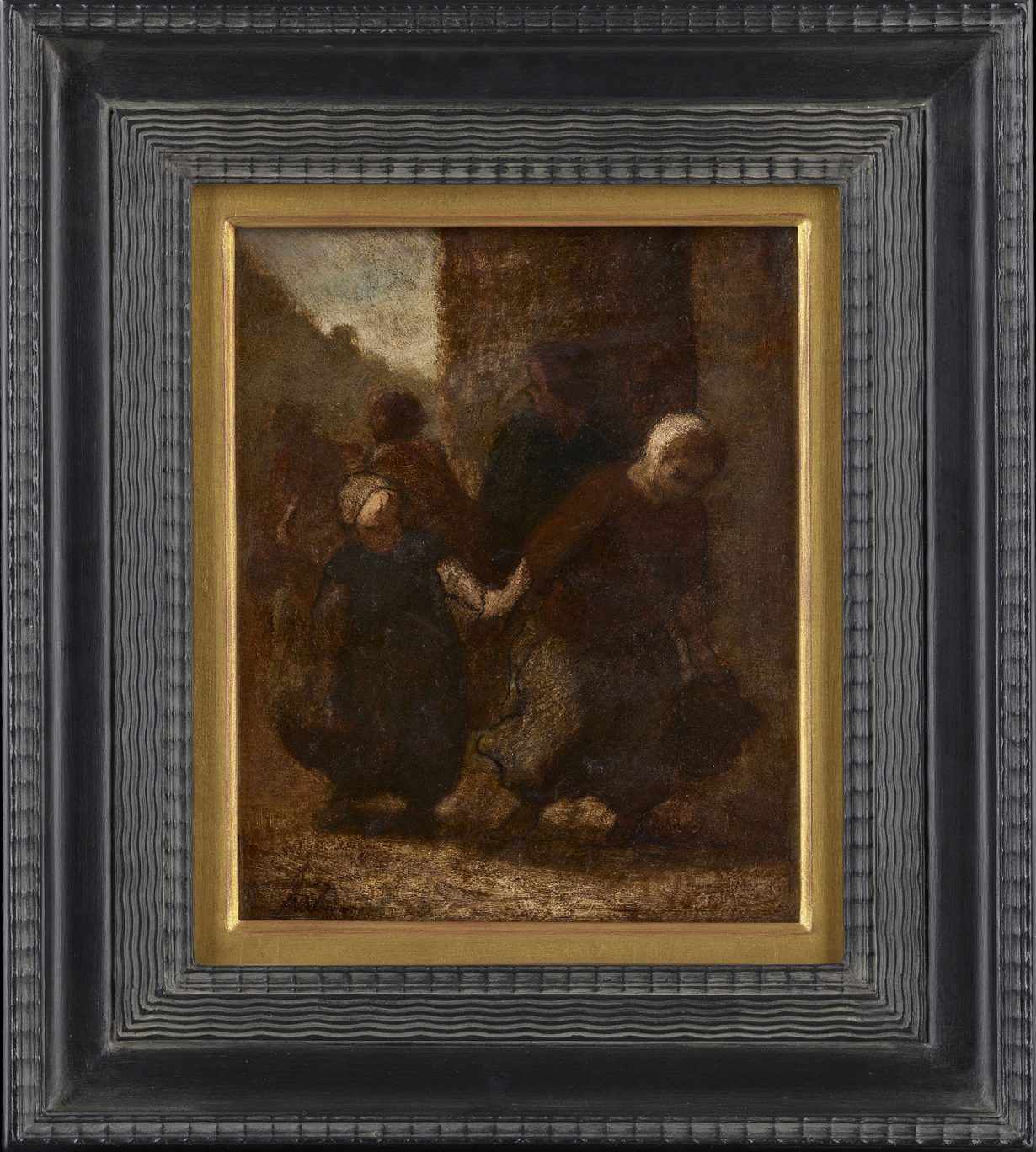
AR Why did you want to bring Old Masters into conversation with modern and contemporary painting?
DK Because I have never experienced them as separate worlds.
The historical circumstances in which a seventeenth-century painter worked are profoundly different from those of a modern or contemporary artist, and that specificity must be respected. Yet when you look closely, recurring artistic questions emerge: how to represent nature, capture a fleeting moment, create atmosphere through colour, or communicate an experience of time.
Placing works from different periods together brings both continuities and differences into a much clearer focus. It invites someone who normally focuses on contemporary art to encounter an Old Master in a new light and vice versa.
AR You’ve divided the exhibition into five sections: ‘Duration’, ‘Pause’, ‘Cycle’, ‘Flash’ and ‘Infinity’. How did you arrive at those categories, and were there any works that felt challenging to place within any of those sections?
DK I wanted the structure to reflect distinct experiences of time rather than conventional art-historical periods.
Duration considers time as something accumulated and continuous; Pause focuses on stillness and suspension; Cycle explores repetition and recurrence; Flash captures immediacy and intense presence; and Infinity addresses the immeasurable – an experience that extends beyond chronological time.
The categories emerged directly from looking at the works themselves, rather than imposing a theoretical structure on them from the beginning. Inevitably, certain paintings could inhabit more than one section, and I welcome that ambiguity. The categories are intended as entry points into the works rather than rigid definitions.
AR The exhibition draws on the ideas of Henri Bergson, Hans Belting and Gilles Deleuze. How did their thinking shape the way you selected and arranged the works?
DK Bergson was pivotal because of his understanding of duration, specifically that lived time differs fundamentally from mechanical clock time. Past and present are never entirely separate; they continually coexist in human experience.
That became a vital way of thinking about the exhibition itself. When we stand before a seventeenth-century painting today, it belongs simultaneously to its historical moment and to our present experience of it.
Belting’s work encouraged me to look beyond a strictly linear art history, while Deleuze offered another way to consider repetition and difference: the idea that something can return without ever recurring in the exact same form.
While these ideas informed the exhibition, I never wanted the philosophy to overshadow the paintings. The works had to function visually first; the theory simply offers another layer for understanding the relationships between them.
AR How do you think historical works become relevant to contemporary audiences without losing the specificity of their own time?
DK I don’t think we need to make historical works contemporary to make them relevant. Their distance from us is part of what makes them fascinating.
The key is creating points of access without erasing that distance. Placing an Old Master beside a modern or contemporary painting can suddenly reveal something new: a treatment of light, a compositional rhythm, a particular understanding of landscape.
The conversation between works should highlight both connections and differences. For me, relevance comes from allowing historical pieces to speak to the present while still honouring the world from which they emerged.
AR Do the contemporary works reinforce the exhibition’s ideas about time or challenge them in some way?
DK Both, which is precisely why I wanted them there.
The contemporary works demonstrate that many of the core questions explored throughout the exhibition have never gone away. Artists are still thinking about memory, repetition, landscape, temporality and our relationship with the natural world.
At the same time, contemporary works inevitably complicate those ideas because our experience of time has shifted. We live with unprecedented speed, constant imagery and instantaneous information. Placing contemporary painting in conversation with works created under completely different conditions makes that contrast particularly compelling.
AR Is there a pairing or group of works in the exhibition that surprised you as it came together?
DK One of the most rewarding aspects of developing the exhibition was discovering relationships that weren’t necessarily obvious at the beginning.
I was especially drawn to how the Northern landscape tradition interacted with the freer approach to colour and atmosphere found in Modernism. On paper, those works feel worlds apart. But seeing them side by side reveals a shared fascination with how landscape can communicate far beyond simple description.
That is ultimately what I hope happens throughout Echoes Across Time: that visitors discover connections between works separated by centuries – and begin looking at both differently.
Echoes Across Time is on view at Kocerova Fine Art, London, 12–17 October
Simon C Dickinson Ltd
58 Jermyn Street, London
SW1Y 6LX
Open 9am–6pm by appointment