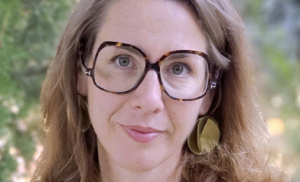
“Why should we change the world to suit ourselves, humans? We aren’t that intelligent or sensitive. Who do we think we are anyway”
ArtReview sent a questionnaire to artists and curators exhibiting in and curating the various national pavilions of the 2026 Venice Biennale, the responses to which will be published daily in the leadup to and during the Venice Biennale, which runs from 9 May through 22 November.
Nilbar Güreş is representing Turkey; the pavilion is in the Arsenale.
Celebrating Visions. Versace partners with ArtReview to share stories from the 2026 Venice Biennale.
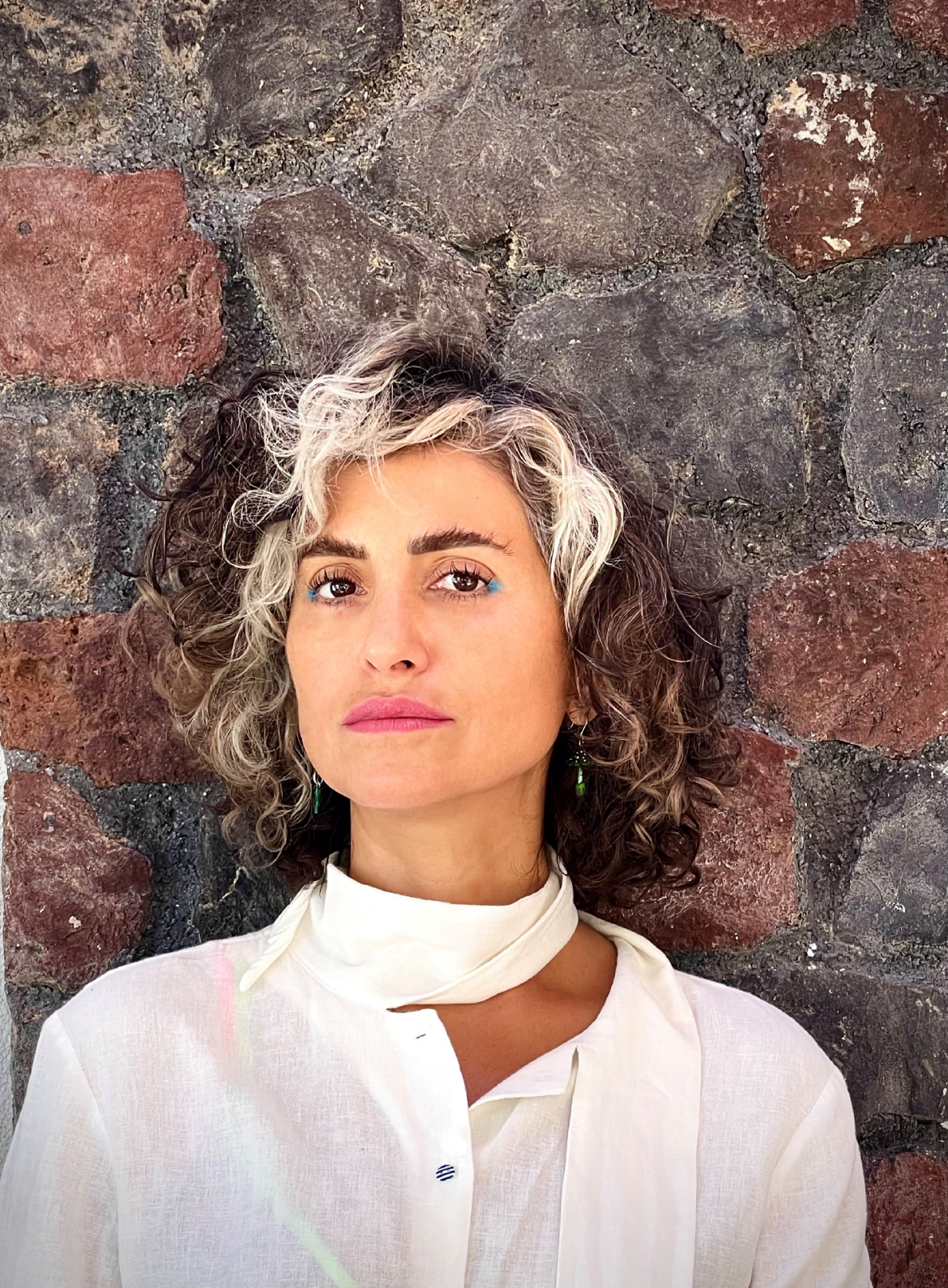
ArtReview Tell ArtReview what you plan to exhibit in Venice. What has influenced or inspired you?
Nilbar Güreş I haven’t done anything special for Venice; I’m simply following the emotions and themes that have been on my mind lately. After living outside my home country for 25 years, I’m tired of having to explain myself to other cultures. And I am weary of the imperialist and colonialist pressures that constantly demand that you adapt, learn their language, eat and drink like them, express yourself like them, and translate things into an expression they can understand, even if it doesn’t actually express oneself. I no longer wish to travel to places where people lack empathy and curiosity, and I’m not interested in collaborating with them, not even for money. I’m tired of explaining my colors, my forms, their origins, my misunderstood excitement and my sheeplike gaze eagerly searching for curious eyes to communicate with to the West. And I’m utterly fed up with the white, normative artworld dominated by men and Western rules. The inspiration for my exhibition lies here, in this disgust and exhaustion itself.
AR In what ways (if at all) does your work relate to the theme of the Biennale exhibition, In Minor Keys?
NG The theme In Minor Keys didn’t serve as a compass in preparing my exhibition. Firstly, I’m the selected artist for the Türkiye Pavilion, not specifically for the exhibition. Additionally, I believe that the way artworks relate to a curator’s concept isn’t always immediately apparent from the outside. Yet we all have sociopolitical expectations of prominent exhibitions like the Venice Biennale, which generate much anticipation. I think exhibitions that engage with these crucial sensitivities will speak for themselves, as In Minor Keys does.
AR Why is the Venice Biennale still important, if at all?
NG I believe many biennials have lost their previous significance. We are currently witnessing numerous wars and massacres, as well as very serious humanitarian crises. With hospitals and children having been bombed in Palestine while curators, galleries and museums remained silent, I honestly lack enthusiasm for art anymore.
AR What role does a national pavilion play at a time of increasing confrontational nationalisms? Is it about expressing difference or commonality?
NG The rise of nationalism primarily impacts domestic politics. However, I believe the real issue today is not nationalism itself, but the failure of countries to respond to regional or global crises that do not directly involve them, unless their financial interests are at stake. Not all countries show the same level of sensitivity. Some cultures and societies are more sensitive. In this case, I think discussing shared sensitivities is more constructive. Art, meanwhile, is going through very censored times. Artists who express opinions about Palestine are being excluded from exhibitions and curators are losing their jobs over these matters. All the while, I feel as if I’m swimming in a corrupt visual garbage dump.
AR Who, for you, is the most important artist (in any discipline) that your country has produced?
NG There isn’t just one single most important artist. Instead, there are many significant works of art. It’s challenging to pinpoint a single work because some works deal with deeply personal matters, while others tackle broader social issues. There are also works that hold significance in areas I’m not particularly drawn to, which could cloud my judgment. Since I believe all artists don’t work on the same issue, it’s impossible to name just one.
AR What is something you want people to know about your nation that they might not know already?
NG As someone with a multicultural background, I find this question less applicable to my experience. Besides, I believe that artists do not conform to such definitions.
AR Given that you are exhibiting in a national pavilion, is there something (a quality or an issue or attitude) that distinguishes the art of that nation from that of others? That makes it particular? Are there specific contexts that it responds to? Or do you think that art is a universal language that goes beyond social, political or geographic boundaries?
NG The fact that the artists were selected by a professional jury for this national representation does not change the fact that, in these exhibitions, they are essentially sharing only their personal feelings and thoughts with us. It is impossible for a single individual to fully feel and articulate the emotions of 88 million people. The only thing that unites us is our shared experience of being alive in the present moment. But cultural differences play a crucial role in how we understand, evaluate and react to various situations. Geographical issues and the art that comes from them are already global. At the Türkiye Pavilion, as someone who has lived in various European countries for the past 25 years, I will share my experiences and perspectives with the audience. The title of our exhibition is A Kiss on the Eyes. Cultures with a tradition of kissing the eyes will, of course, understand this title differently. So, I am also gently excluding those who do not share this culture, because I cannot translate or explain this gesture to those who do not know or feel it.
AR What, other than art, are you looking forward to seeing – or doing – while you are in Venice?
NG I’m not excited at all, but I’m very stressed because a social environment awaits me there. As someone who normally meets with no more than two people for three hours each week, I’m already looking for ways to hide in Venice and feeling the stress of it. As with every exhibition, I plan to get through the opening and then disappear. When an exhibition is up and running, the artist’s work is finished.
AR Could you give us a brief overview of your average working day while creating your presentation in Venice?
NG I don’t think the concept of an average production day is a very fitting description for artists. We are beings who try to find our own balance amid imbalance. I think the greatest advantage of being an artist is being able to work alone. However, in large exhibitions like this, we collaborate and dialogue with other artists who produce our works with us. For me, the most unusual thing this year was having the opportunity to work alongside amazing artists through this exhibition. In large exhibitions like this, the production team is more important than the artist. You’ll be watching a team effort. It’s not just about me.
AR Can art really change the world?
NG This is a very old and fundamental question, or perhaps a wish. But I don’t think artists can be trusted when it comes to the world. We are far too individualistic beings, and our personal needs often differ from those of the normative societies that dominate the world. On the other hand, why should we change the world to suit ourselves, humans? We aren’t that intelligent or sensitive. Who do we think we are anyway?
Maybe octopuses could change the world because they have not one but three hearts and sense the things they come into contact with better than we do.
The 61st Venice Biennale runs 9 May through 22 November 2026