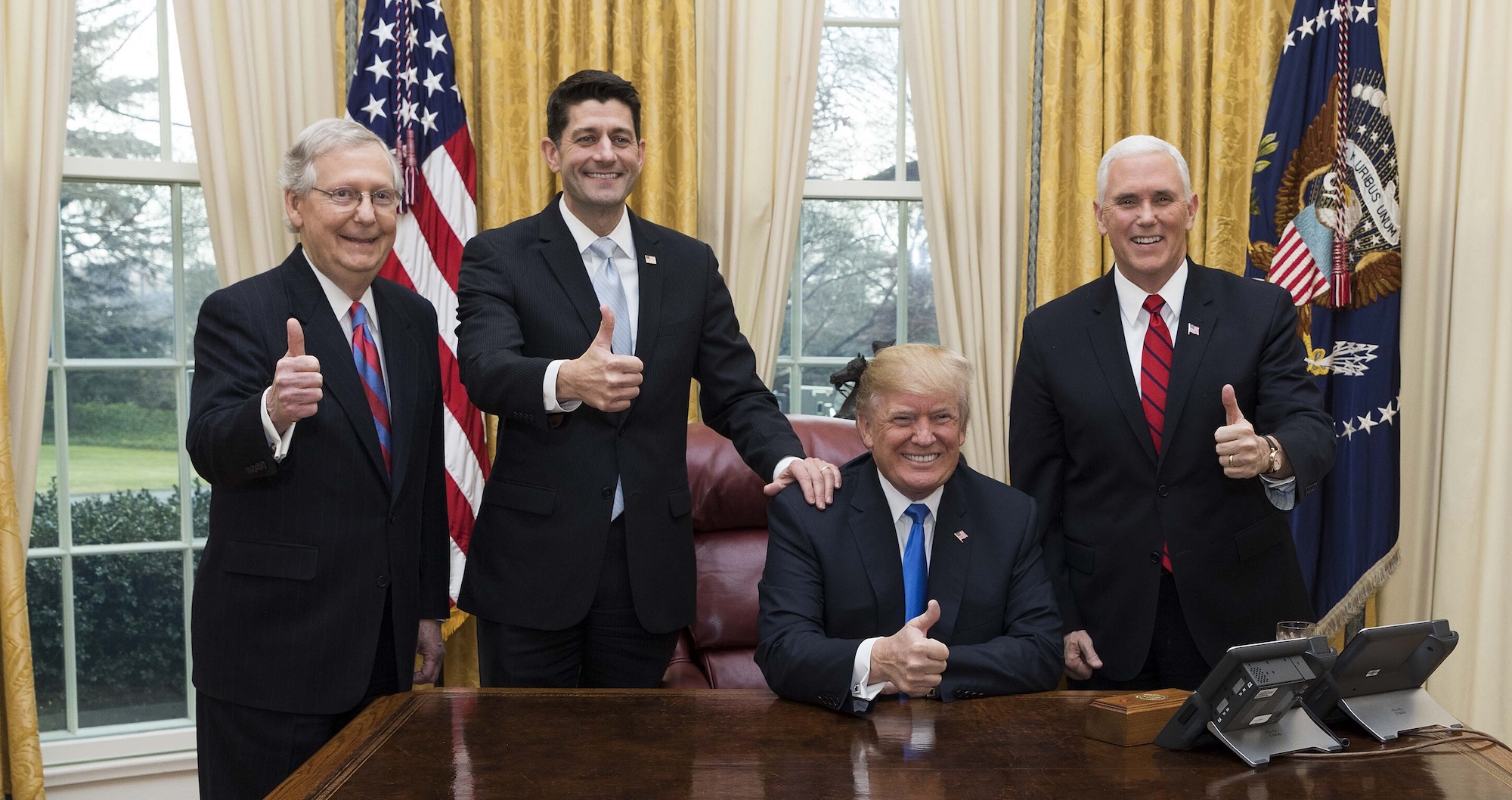
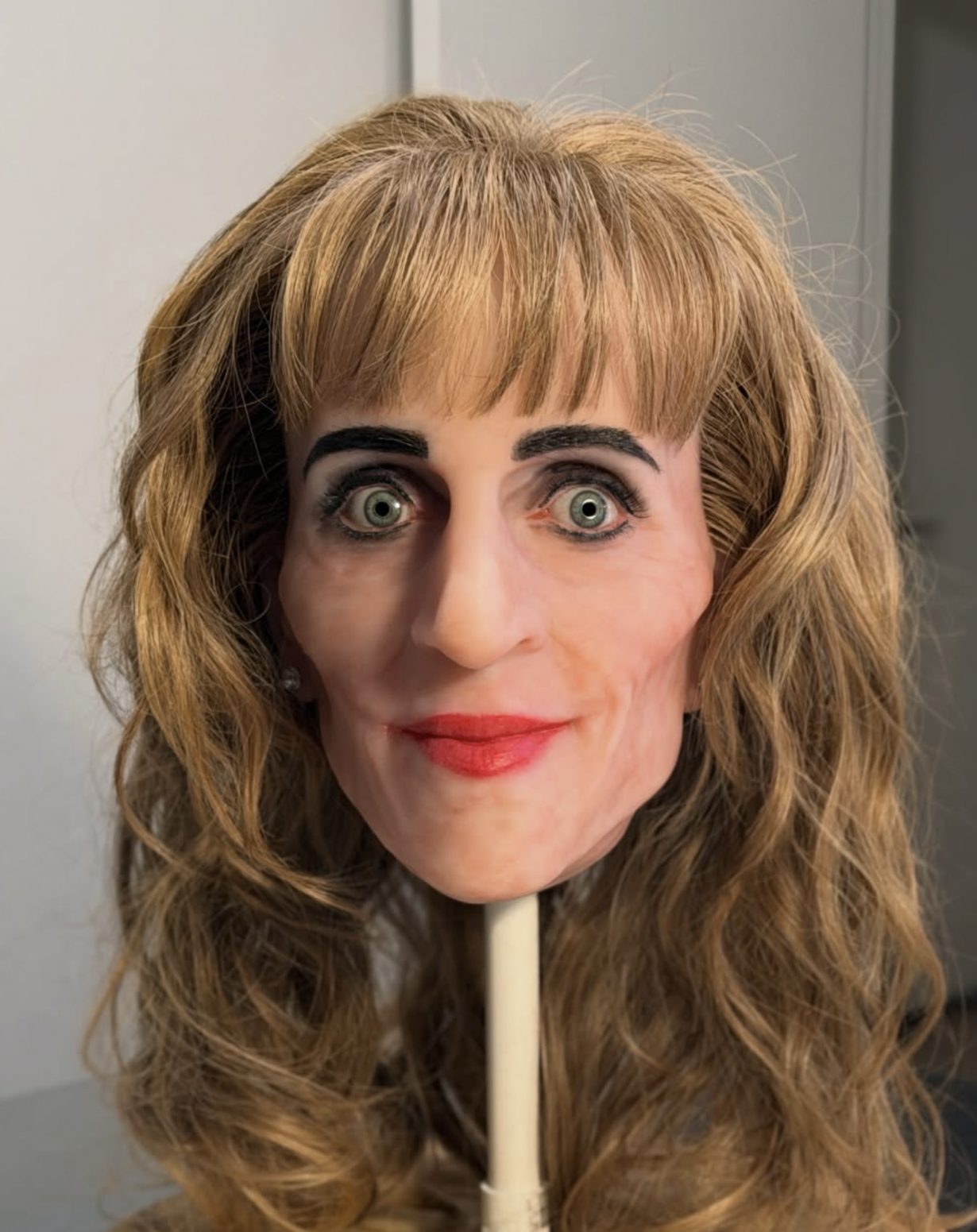
Scarier than reality, the widely circulated Mitch McConnell silicone mask whispers into Mia Stern’s ear about the turning political tides seen in both the US midterm elections and online life
‘They’re shooting Mitch McConnell out of a cannon tomorrow.’ Or at least, so claimed a viral tweet on the evening of 3 November as the results of the American midterm elections rolled in. A ‘blue tsunami’ was coming into view. And the eighty-four-year-old Republican senator from Kentucky, not even up for reelection, was now its unlikely mascot.
The signs were there. Last month, images of a silicone mask of McConnell started making the rounds online. An Instagram carousel published by Howard Senft Studios, whose account is otherwise filled with silicone masks and CGI renders of horror movie characters, showed the senator’s face propped up on a stick and seen from the front and in three-quarter profile with Oingo Boingo’s Dead Man’s Party (1985) playing in the background. Among the hundreds of comments were many iterations of the same idea: that the mask ‘looks too alive’ compared to the real thing. Glassy-eyed, mouth ajar, skin pale and mottled, and overall looking like a limp slice of hamwith some glasses and a combover, the copy does have more meat to it than the original.
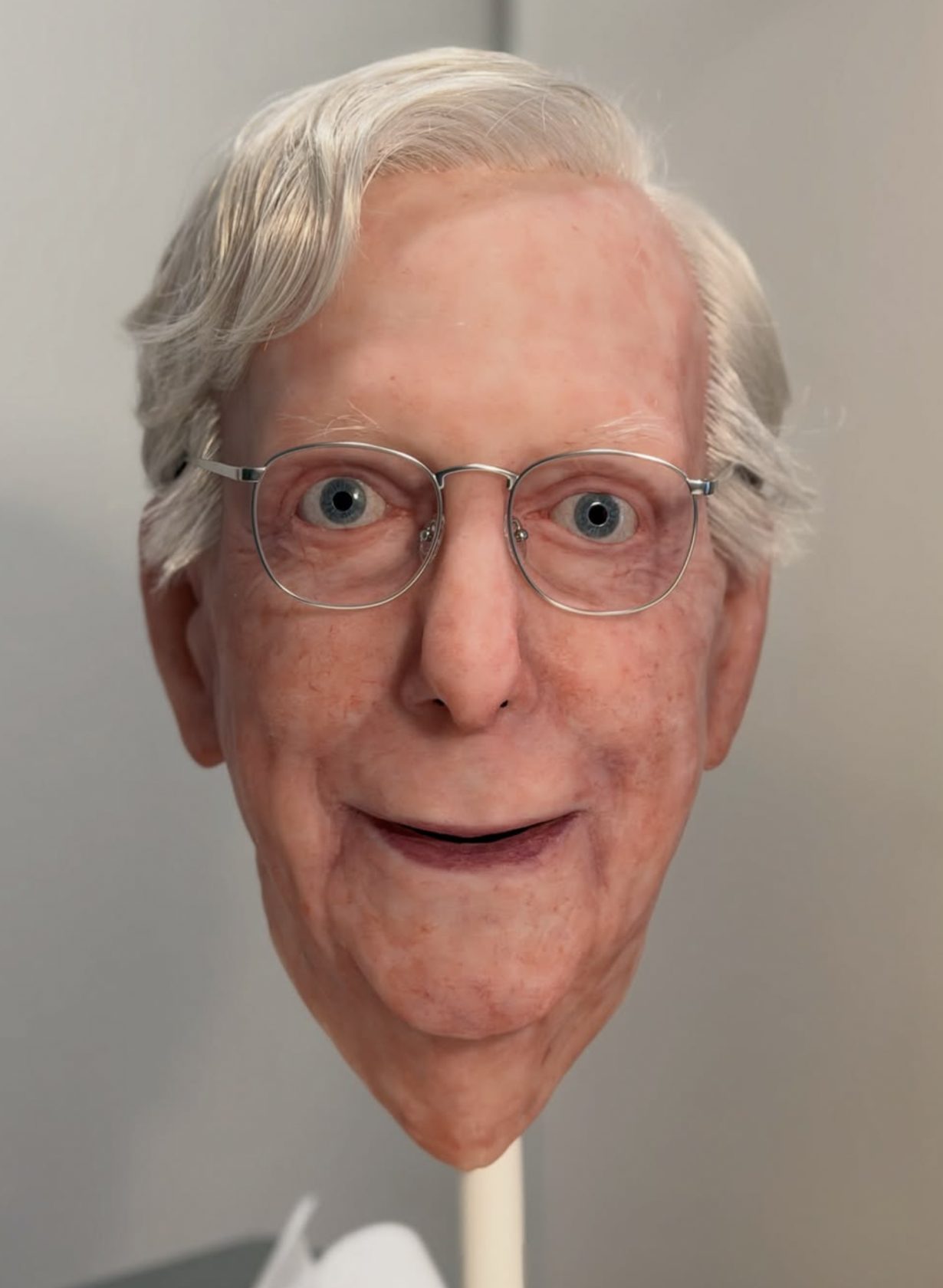
Listen, this guy is very old and, by my standards, very evil. First elected to the US Senate in 1984, McConnell is the second longest-serving senator currently in office (behind Chuck Grassley, the Republican from Iowa, who is also the oldest serving senator at the age of ninety-three) and was the longest-ever serving Senate party leader. The ‘World Wide Web’ was only invented five years into his first term. So McConnell is no stranger to online mockery, having been frequently compared to SpongeBob’s Baby Prunes for his signature tight-lipped smile and empty gaze, or to a turtle. Throughout his Senate career, spanning Reagan to Trump, McConnell became known as a sly tactician and a thorn in the side of Democrats. Nicknamed ‘Dr No’, he repeatedly opposed reforms for affordable healthcare, gun regulation and campaign-funding regulation, and he blocked the vote on Obama’s Supreme Court nominee. His easy yeses: a federal abortion ban and acquitting Trump in his two impeachment trials. What McConnell voted for, administration after administration, was instrumental in affirming hardline Republican policies and shaping the current conservative-majority Supreme Court that has, among others, overturned Roe v. Wade, expanded rights to carry firearms and clamped down on affirmative action.
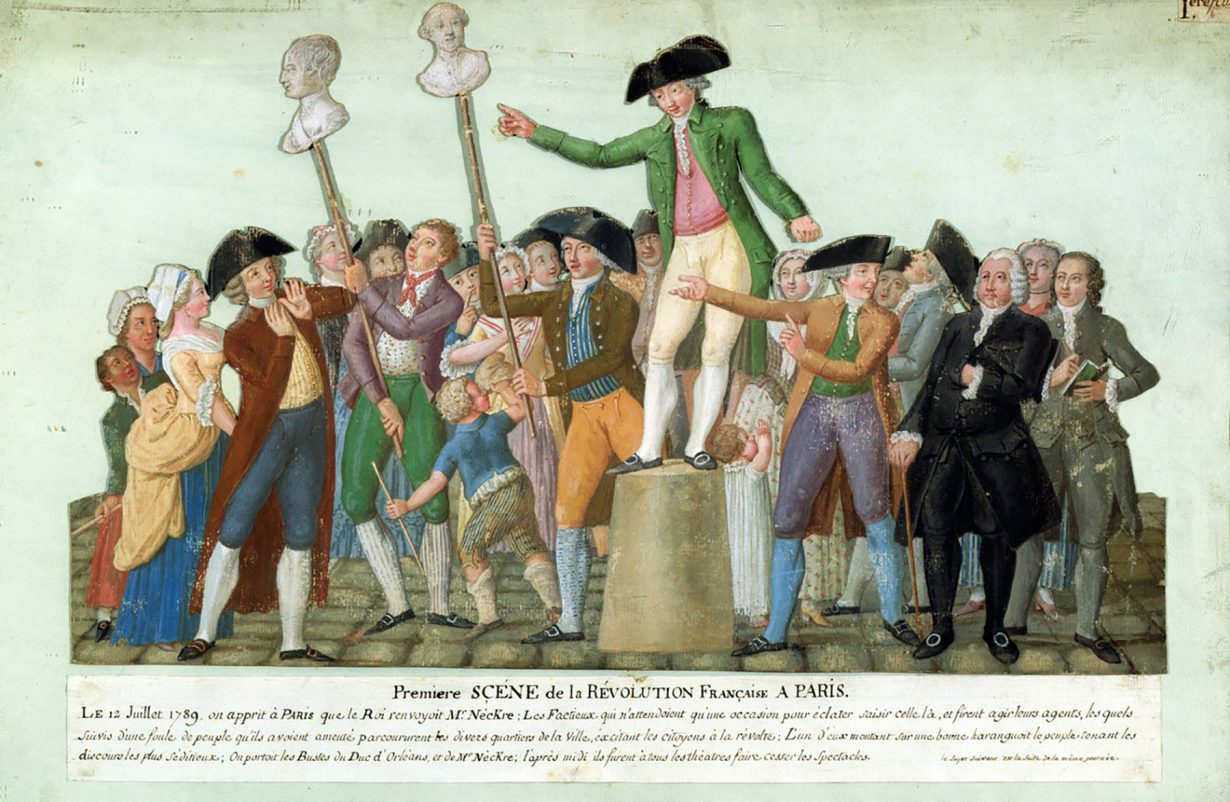
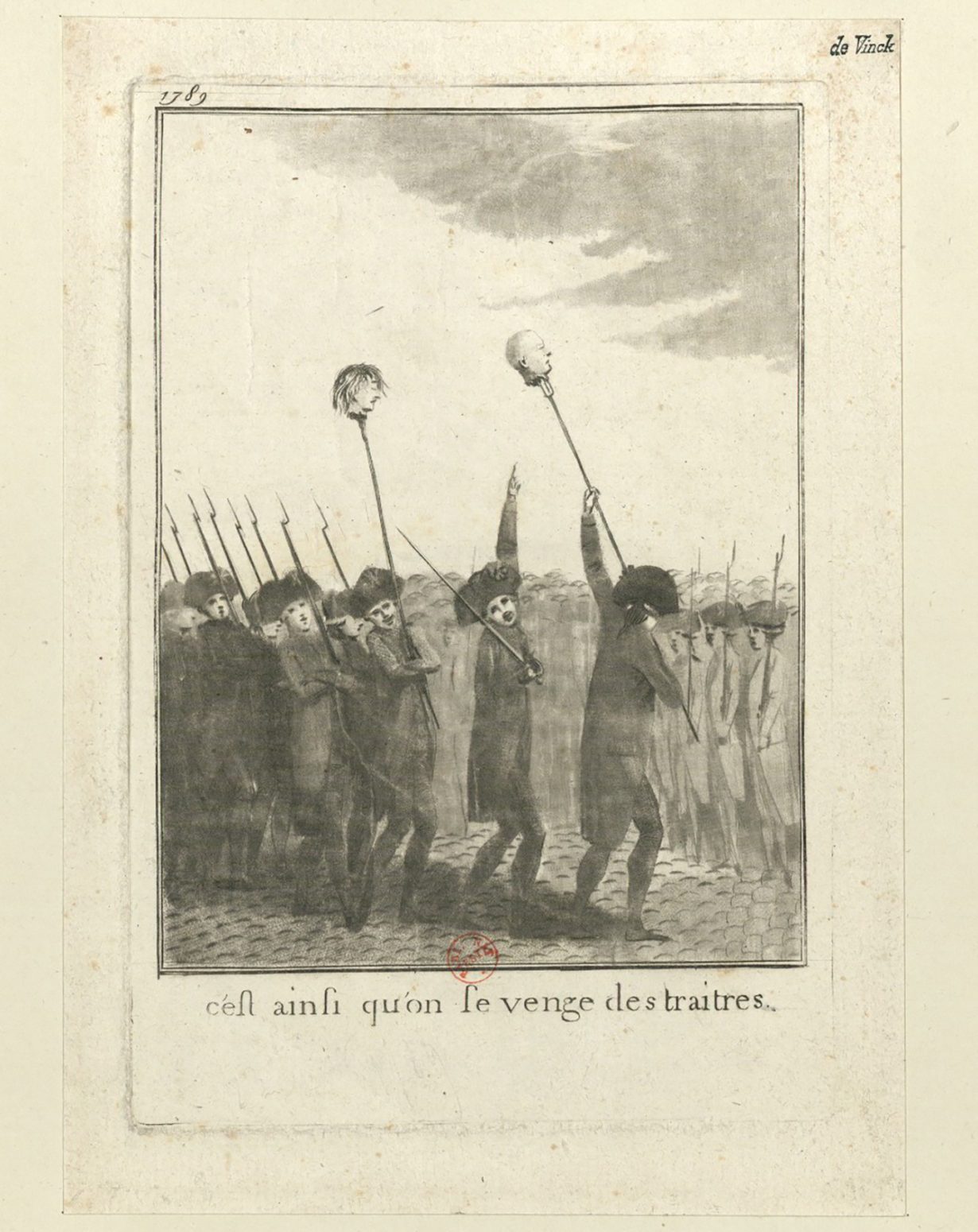
Posting the McConnell mask a couple of weeks before Halloween and the midterms on a horror-filled Instagram account is a pretty unsubtle way to call the Senator a monster. Where a political caricature might emphasise and deform traits to arrive to the same conclusion, the mask here relies on hyperrealism, the punchline being that reality is about as scary as it can get. Dressing up as a famous politician or character type for the sake of parody is nothing new – and belongs to a broader tradition of using costume to subvert ‘normality’ and social order. Historically, there’s a double nature to wearing a mask that both allows wearers to embody a new identity and to protect their own, making it an effective tool of critique. Hyperrealism, too, has its place in social critique. During the French Revolution, wax heads of Jacques Necker and the Duc d’Orléans were commissioned from Philippe Curtius and his pupil Marie Grosholtz (later and better known as Madame Tussaud) to parade around on spikes in protests years before they started decapitating politicians for real.
Lift the monster’s mask and what’s underneath is the lingering presence of white American conservative power. Following his hospitalisation for a fall earlier this year, McConnell was wheeled back to Congress, where he has been mostly nonverbal, as if, in a Weekend at Bernie’s-type stunt, the Senator’s dead body was being used as a dummy to enact Republican policies. That’s not too far from the truth: The New York Times counts 47 times in the leadup to the midterm elections that Trump asked voters to pretend he himself was on the ballot, as if each individual Republican candidate were mere meat puppets for the MAGA host.
A week before the elections, a mask of another Trump-adjacent figure, Susan Dell, cofounder and chair of the Michael & Susan Dell Foundation, appeared on Senft’s page. Dell had become an internet sensation after appearing at the White House for an event promoting the ‘Trump Accounts’ (‘tax-advantaged investment accounts for US citizens under 18’) towards which her foundation committed $6.25 billion. The reason for her sudden fame was her serious case of Mar-a-Lago face (similar to a mask except the silicone goes straight into the face), which drew comparisons to that of two Trump-nominated government officials, Barbera Thornhill and Kelly Loeffler. Pictures of the trio, their skin stretched impossibly thin across their skull, caught on. Was the current administration hiding aliens in plain sight?! Such cod-conspiratorial overtones speak to a broader irreverence. As trust in the truth of internet media collapses under the weight of ever-proliferating generative AI, good-old fake news and popular discrediting of traditional sources of information, the only way to react might be to lean so far into it as to turn it into a tragicomic joke. In the face of it all, Senft’s silicone masks are a refreshingly tactile nod to old school conspiracy: like a behind-the-scenes look at the skinsuit factory.
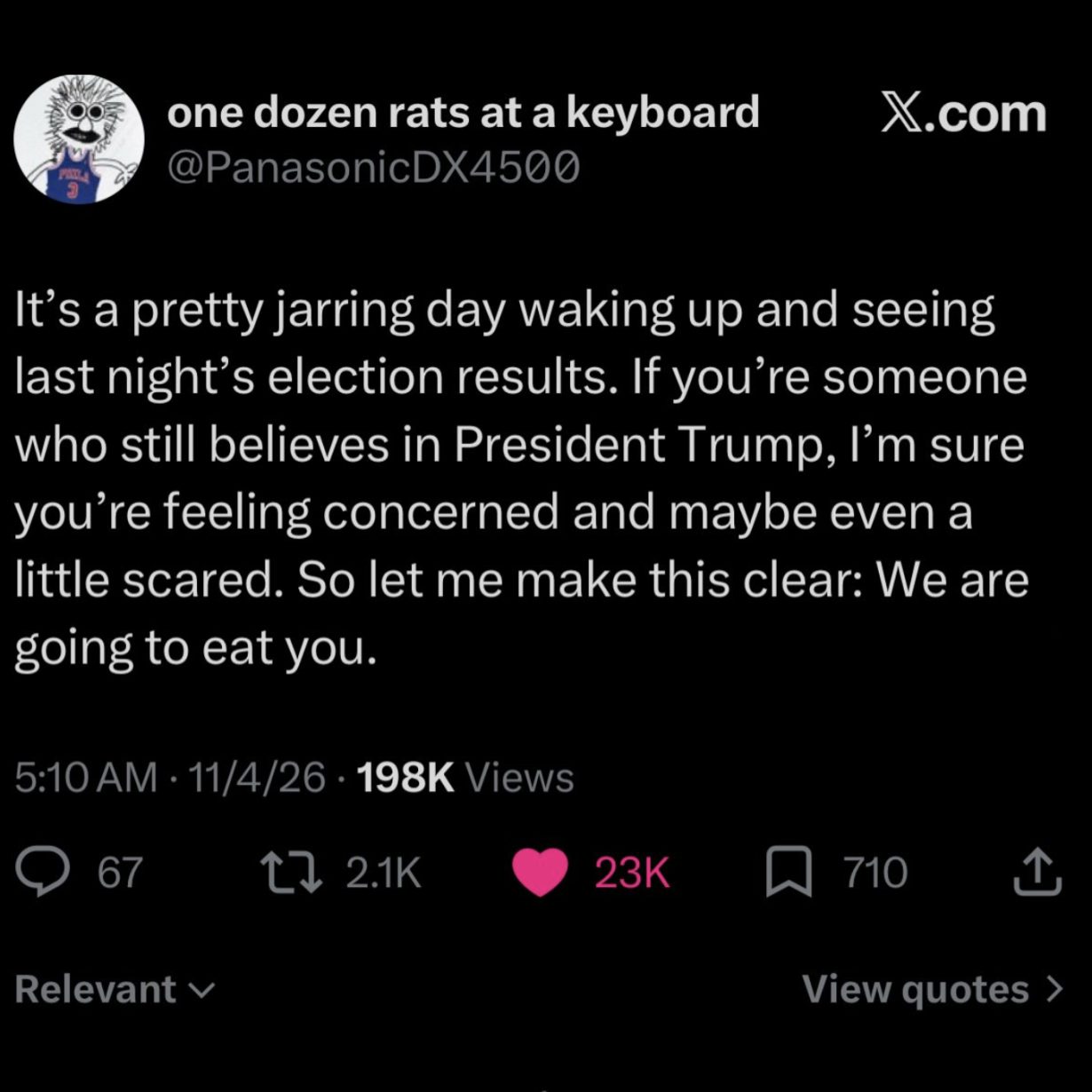
The dark humour that underpins the whole understanding of the McConnell mask is a strand of what is now called ‘dark woke’, a hardening up of the left’s style of communication that also coincides with, in the US, Democratic campaigns that have shifted their focus more clearly towards citizens’ material conditions. Democrats have a history of suffering from an off-putting condescending attitude. What works with the mask – this quasi-grotesque body, where the Rabelaisian ‘guiltless flesh’, as Julia Kristeva describes it, is instead fake and inscribed with moral guilt – is that everybody’s in on the joke. Tens of thousands of people coalesced around it in a carnivalesque act of derision of power. And the midterm results have spoken: the absurdity of the current administration can only be met with a programme that puts people first, sure – but also with brash and collective mockery. Pantagruelism is back; the kids will be alright.
Read next The Distended Forms of Grotesque Satire


