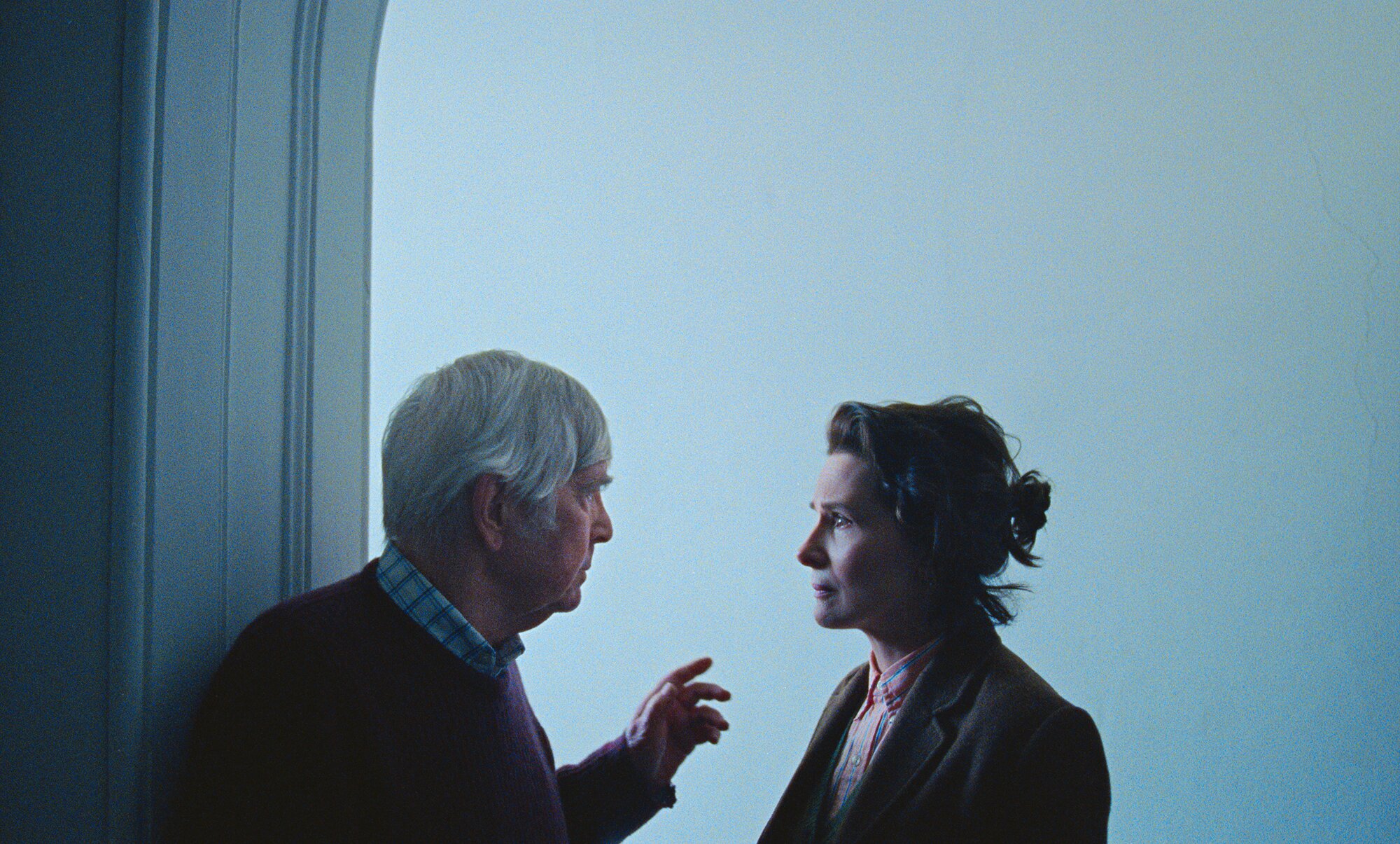
Lance Hammer’s Queen at Sea is the latest in a series of films to tackle the subjects of ageing, dementia and the right to control your own life
With whom does the responsibility lie for determining a person’s capacity to make critical decisions – with a partner, child or institution? – and what do the complex emotional experiences of those involved look like? These are the questions that have become increasingly present in films of the past decade, and that perhaps might become even more pressing in a world increasingly governed not by people, or emotions, but by the more dispassionate protocols of artificial intelligence. Not only relating to the inner workings of an individual’s mind, these considerations furthermore apply also to the general issues concerning the responsibility of care (and where it lies), questions of what makes a house a home and how the environment surrounding an individual expresses or shapes their selves.
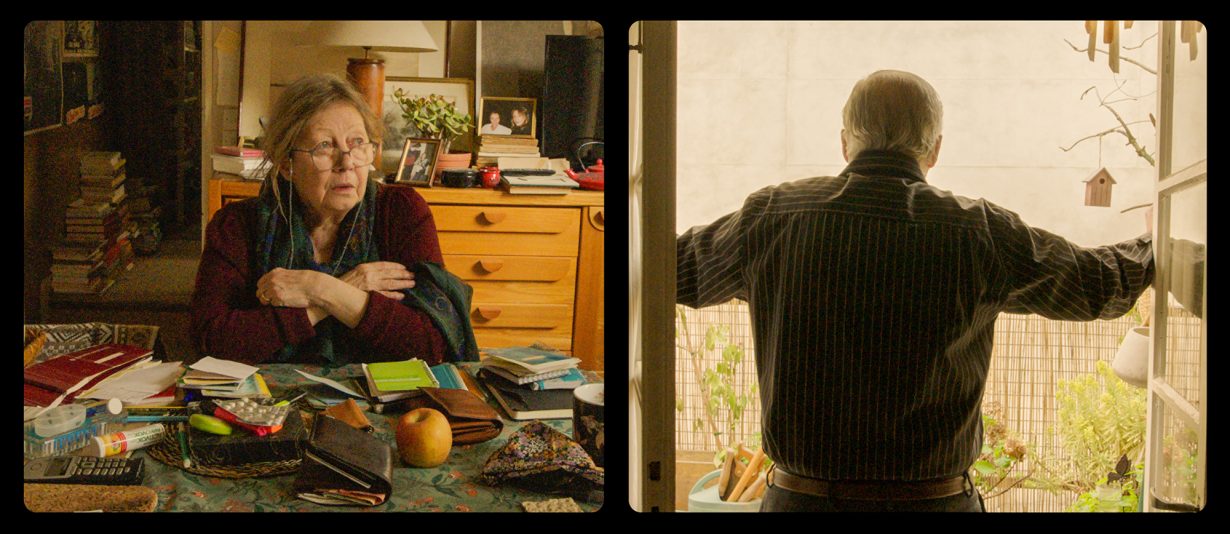
In Gaspar Noé’s Vortex (2021), an exasperated husband, played by the renowned Italian director Dario Argento, resents the ways ageing and ill health have reshaped his relationship with his immediate surroundings, angrily determining that his home has become ‘a real nightmare’. The character’s wife has dementia; he, issues with his heart. Together they navigate, largely alone, this sharp trajectory of decline in a Paris apartment overrun with books, papers and various other possessions a couple might acquire during a lifetime. Martin and Leslie, the elderly couple at the centre of American filmmaker Lance Hammer’s tender, oftentimes painful new drama, Queen at Sea, face a similarly arduous daily task with the staircases of their London home. Steep, noisy and numerous, the stairs are wholly at odds with the couple’s physical capabilities, yet it takes nearly an hour for someone onscreen to acknowledge this glaring obstacle. “The labour of those stairs says so much about the labour of the characters, and how the house that used to suit them now doesn’t,” says Hammer when we meet in London. “The house is their place of comfort, but it’s going to kill them.”
Played by Tom Courtenay and Anna Calder-Marshall (joint Silver Bear winners for their roles in the film at the Berlin International Film Festival earlier this year, where Hammer also took the Jury Prize), Martin and Leslie have been married for 18 years, having met at a classical concert after both were widowed. In the film’s opening, we find the couple in bed on a grey weekday morning, as Leslie’s daughter Amanda (an affecting performance by Juliette Binoche) and Amanda’s teenage daughter Sarah (Florence Hunt) walk in on them having sex. Leslie’s advanced dementia is already a contentious issue for the family and we learn that Martin has previously been advised by their doctor against having intercourse with her. Amanda, frustrated by his continued insistence that it’s beneficial (according to additional research he’s sought online), phones the police and he is arrested. Her mother, meanwhile, undergoes an intrusive rape exam she cannot comprehend, and subsequently spends time in a care facility (cut short following an incident with another patient).
Hammer says he arrived at the story via accounts, gleaned from his father’s circle of friends, of living with Alzheimer’s, and news items he read, like the 2015 case of Henry Rayhons, the former Iowa state representative who was charged with, and ultimately acquitted of, third degree felony sexual abuse after he had sex with his wife within days of staff at her care home asserting she was not mentally able to consent. “I was affected by the emotional toll it took on everybody, but I didn’t have a clear understanding of my moral position, and felt very unsettled about that,” recalls Hammer. (He has since adopted a position, he shares, but chose to withhold it from the project, instead approaching the film from a place of neutrality.) Separated from his debut, and only previous feature, by 18 years – the sobering 2008 Sundance winner Ballast, about the aftermath of a suicide in the Mississippi Delta – the writer-director was initially hostile to the idea of a new film. “But this thing was presenting itself and I couldn’t shake it,” offers Hammer, whose approach to both films is chiefly informed by compassion, which in turn feeds the care he takes establishing his protagonists. “I decided to write a screenplay, for my own sake, and the outline just came out of me.”
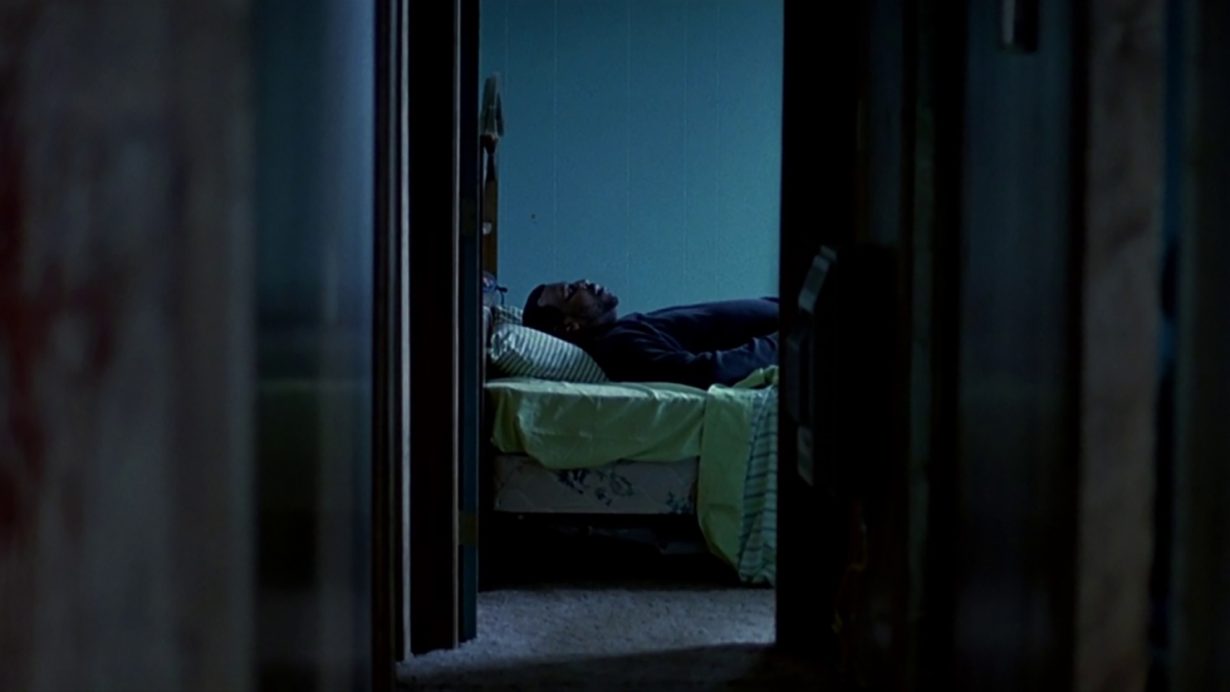
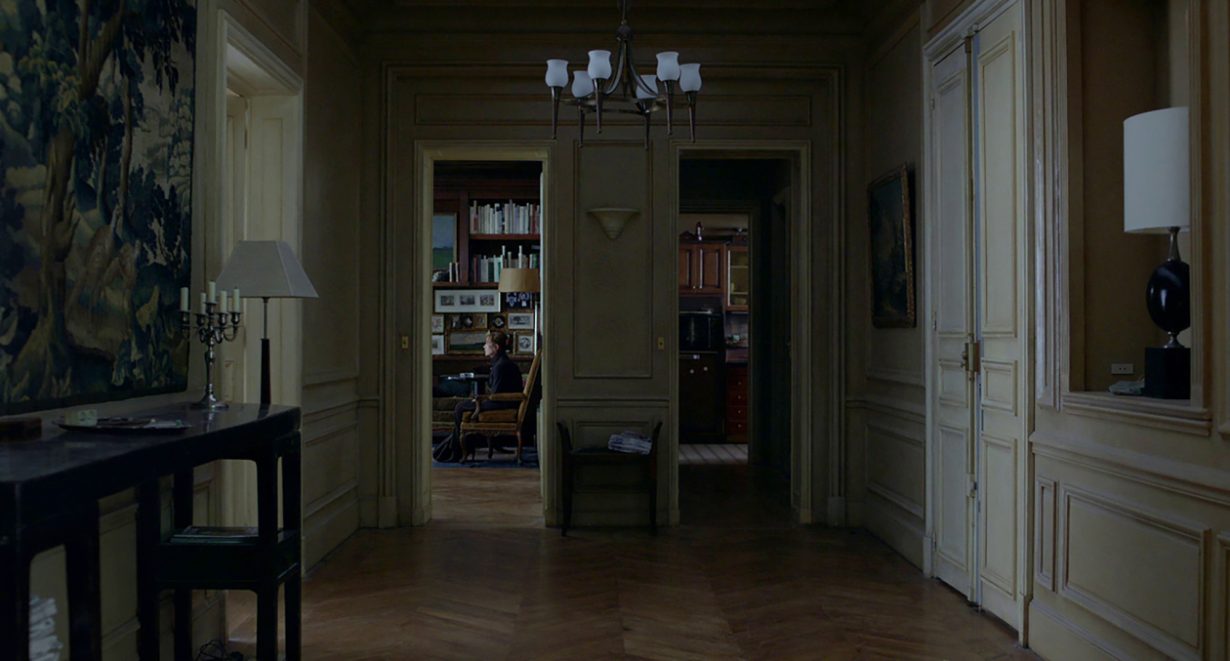
A trained architect, the filmmaker notes that as an outsider to London (he’s based in Los Angeles), the city’s distinctive landscape initially helped him find his way to the characters. His attention to London’s architecture additionally shaped the film’s visual language, particularly in domestic scenes where Hammer and cinematographer Adolpho Veloso employed architectural features as physical framing devices. “I engaged in the creative process in the same way I would for design – seeing three-dimensional space, and humans moving through it,” reflects Hammer. “Architecture is where meaning happens, and here it’s a very important conveyor of the emotional tone of the film.” While this sensitivity to design creates a rich texture onscreen, it also tethers Queen at Sea to other cinematic representations of dementia, and the significance of the home within the subgenre, where conversations about nursing homes are typically woven into the narrative, if not a key feature of the storytelling. In The Father (2020), for which Anthony Hopkins won his second Academy Award, his character furiously reiterates multiple times his intention not to leave his flat (despite the space becoming less and less familiar to him as his dementia progresses), while the female protagonist of Michael Haneke’s Amour (2012), played by the late Emmanuelle Riva, upon returning from hospital makes her husband promise she won’t have to go back (a vow he stringently upholds, locking the doors to their apartment when she later dies, and surrounding her body with flowers). In these instances, as for Martin and Leslie, the home is both a comforting space and tangible evidence of a former self, even when the physical, and potentially marital, components are cause for concern.
“There are really great films that deal with ageing, but there are some really terrible ones that are sentimental and attempting redemptive acrobatics,” continues Hammer. “This film had to be truthful, and the truth is ageing is really, really hard.” Collaborating with social and healthcare professionals, who he later cast, provided some legitimacy – bringing an authentic lexicon to scenes around safeguarding in particular – while the filmmaker’s decision to concentrate on the moral minefield of intimacy in the last chapter of life feels especially notable, and is further amplified by the introduction of Martin and Leslie in bed. “It’s that act that’s the problem, right? So, starting the film that way, everybody’s awake to the issue,” he asserts. “Part of that is the shock of seeing elderly people having sex – we glorify youthful bodies, but with an older body we see death. I’m not trying to provoke. It’s just two people in love having sex in a super banal way.” In a concurrent storyline that underscores this perspective, Sarah starts dating a boy from school. The pair make TikToks to Lola Young songs, sneak over to each other’s homes and, eventually, have sex for the first time. Their glaring youth provides a reminder of the harsh agony of Martin and Leslie’s situation.
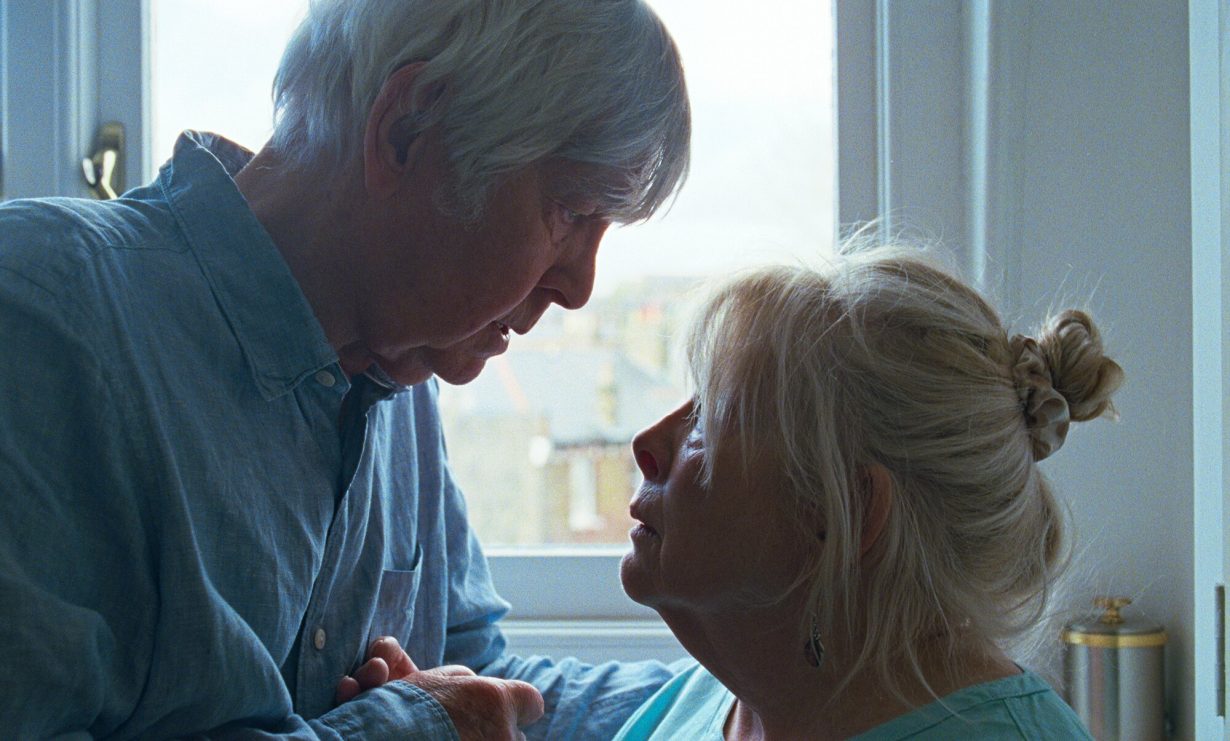
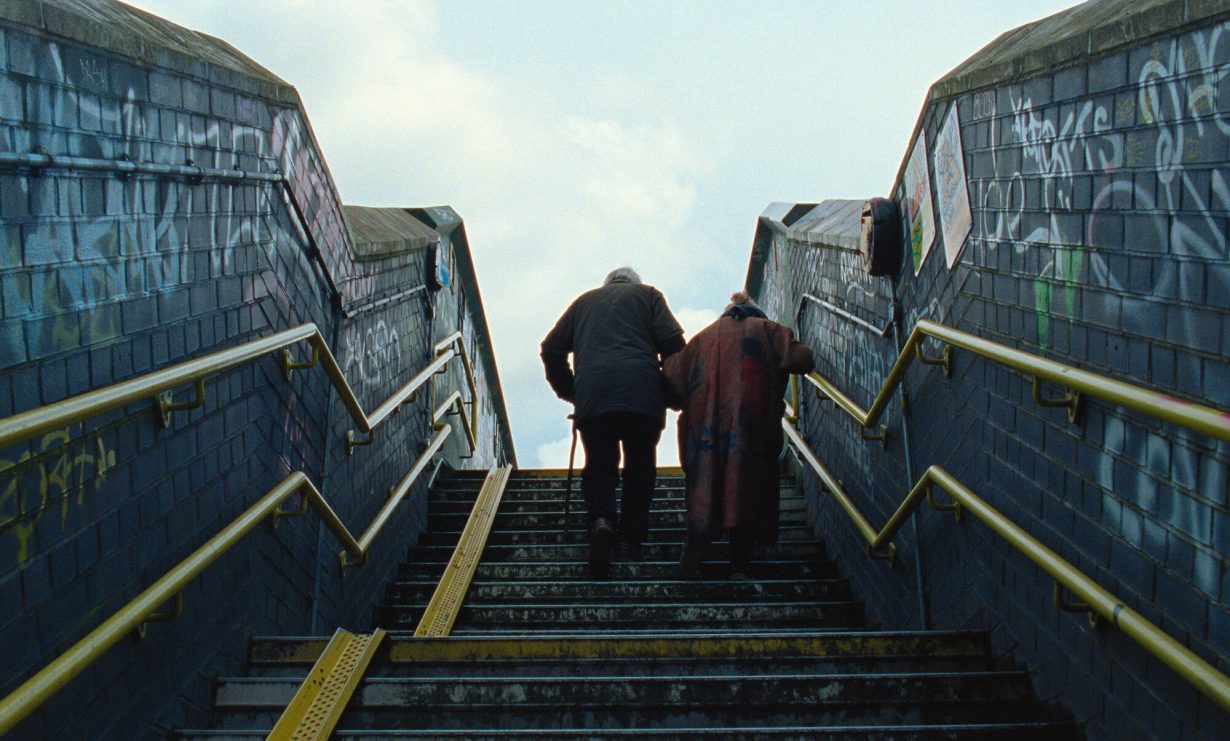
Of course, the couple’s circumstances are not theirs alone to negotiate – as per the film’s core line of inquiry – and during a tearful phone call with her ex-husband, Amanda relays her knotty position and protests the unfairness of it all from the front seat of her parked car. “I’m not the police, I don’t want to be this person,” she says, her visibly wet face filmed reflected in the rearview mirror. The line speaks to the collective emotional and psychological labour of Leslie’s illness, coupled with the question of Martin’s behaviour, and highlights Hammer’s intentional neutrality: without his inserting right and wrong, we’re invited to interrogate our own beliefs and feelings of discomfort, confronting what is to become an increasingly relatable situation (indeed, during press for the film Binoche has shared her own experiences of having a parent with dementia). “If you don’t make a choice, that’s damaging, so you’re forced to do something, but in doing that, you’re also harming,” observes Hammer. “Amanda’s position [like Martin’s] comes with a lot of heartache.” In the film’s third act a relative compromise is reached between Amanda and her stepfather, with Leslie at home and a care worker visiting regularly. However nothing is truly resolved, and by the film’s devastating final moments the full extent of the couple’s vulnerabilities are revealed when the house that brought them so much joy exposes a further, fatal obstacle.
From the October 2026 issue of ArtReview – get your copy.