At its best, the latest edition encapsulates a humanistic focus – on art in service to the community that surrounds it
A large quilt hangs high on the wall of the third-floor atrium in Kinning Park Complex, a community centre on Glasgow’s Southside. In it, protesting women march under an Edenic tree, the sky populated, in fablelike magic-realism, by a moon and a sun in either corner, as if to pull the action through to eternity. This is the Complex’s origin story: local mothers staged a 55-day occupation of the former school when it closed, demanding childcare provision from the council and eventually achieving community ownership of the building. This isn’t part of the biennial Glasgow International (GI), for which dozens of art spaces across the city show work (sometimes under a theme; this year without one) in tandem over two weeks, but it says much about what a work of art might itself want to say about a city, a community and a version of a common ideal.
What is on show at Kinning Park as part of GI is The Subtle Body, an exhibition uniting the works of the late Scots artist Katy Dove (1970–2015), whose abstract and performance work explored a rather hippyish nexus between free-association and meditation, and Lygia Clark (1920–88), the Brazilian figurehead of the Neo-Concrete movement, which looked to connect abstraction with a by turns gendered and sensuous experience. Clark is represented by documentation of performances such as Living Structures (1969), in which participants would find ways to move around and between each other while connected to those others via a messy web of elastic bands. The physical contortion required to do that is both comedic and exhausting to witness, but also evidence of the artist’s interest in the practice of ‘cathexis’ – a psychoanalytic term for the investment and expulsion of emotional and physical energy. Dove is represented by abstract paintings, diaries and video documentation including Make a Shape (2008), in which children from a local primary school in Wellhouse play in the light of abstract watercolour animations projected onto a white wall. It’s all asking you to think about what art might do for – rather than show to – its audiences.
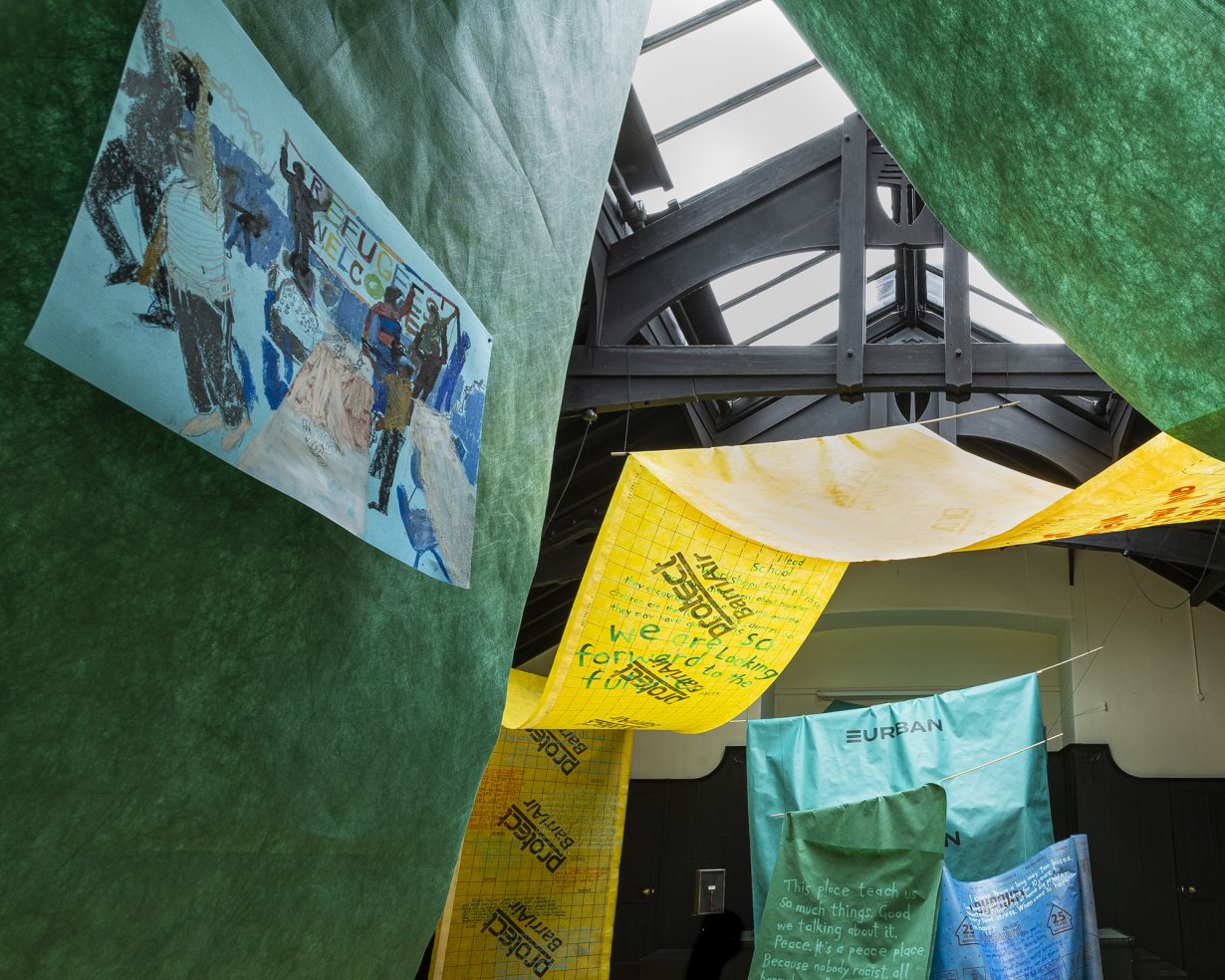
In This Home, This Voice at Mackintosh Queen’s Cross, a church-turned-event-space, artists Helen McCrorie and Annabel Wright have constructed a multimedia portrait of the Maryhill Integration Network, which works with refugees, migrants and people seeking asylum in Glasgow. Strips of insulation material hang throughout the vestry space, written onto with testimonies from the network’s members. A film by McCrorie, sequestered in a corner but audible throughout the room, shows the people Mayhill cares for, depicting their social events and language lessons in a documentarian style. It’s art that takes its subject matter more seriously than its artifice, asking you to look elsewhere than at it alone. ‘It takes a lot of the background to make sure people are feeling okay’, a small scrawl on one banner reads. The suggestion is quiet but striking: art needs to help, because people need help.
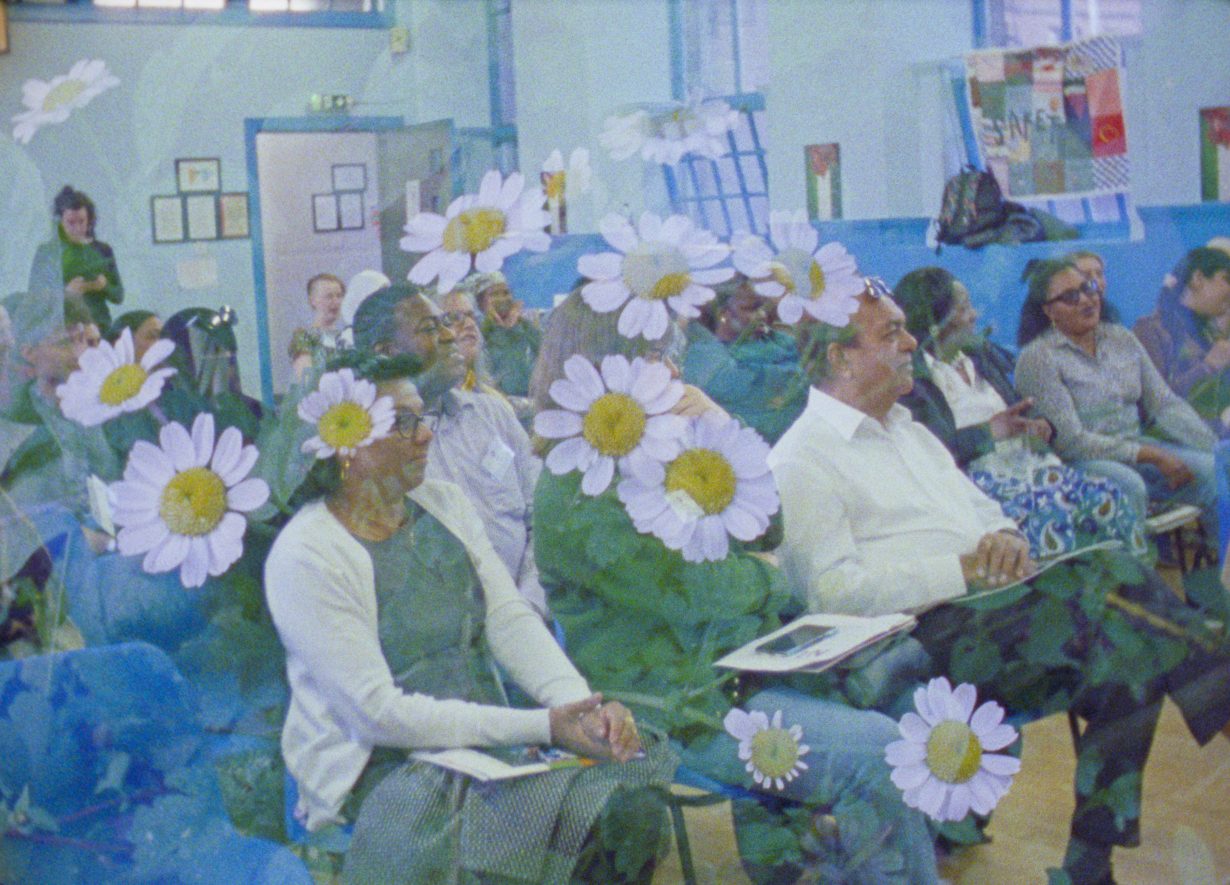
This humanistic focus – on art in service to the community that surrounds it – feels salient for a city’s much-mythologised and recently embattled art scene: surging rent and material living costs are aggravating existing inequalities; a slew of art-space closures has added to a feverish distrust in Glasgow Life and Creative Scotland, the funding bodies on which the majority of the city’s cultural spaces rely. It serves as a reminder of the work that happens away from the eyes of the artworld, what you might call the ‘margins’ or the ‘periphery’, which constitutes the locus of GI’s strongest showings.
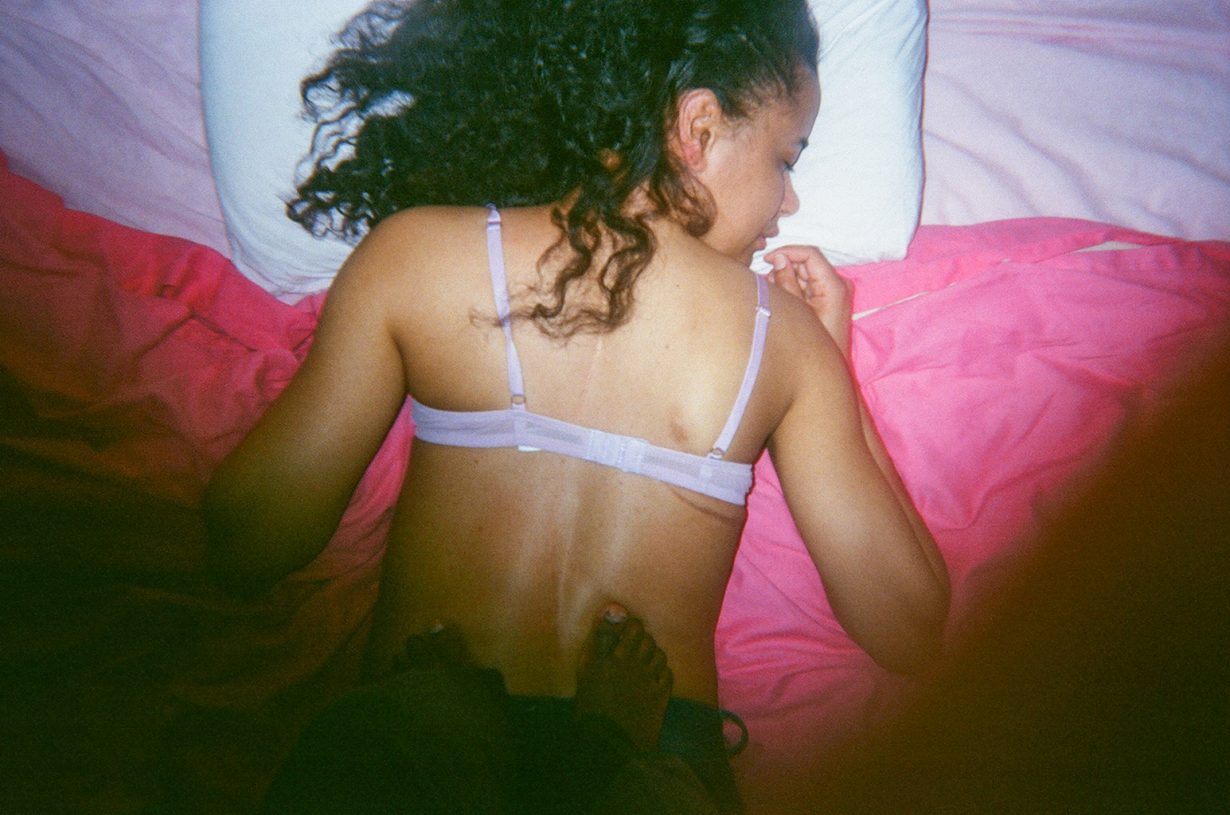
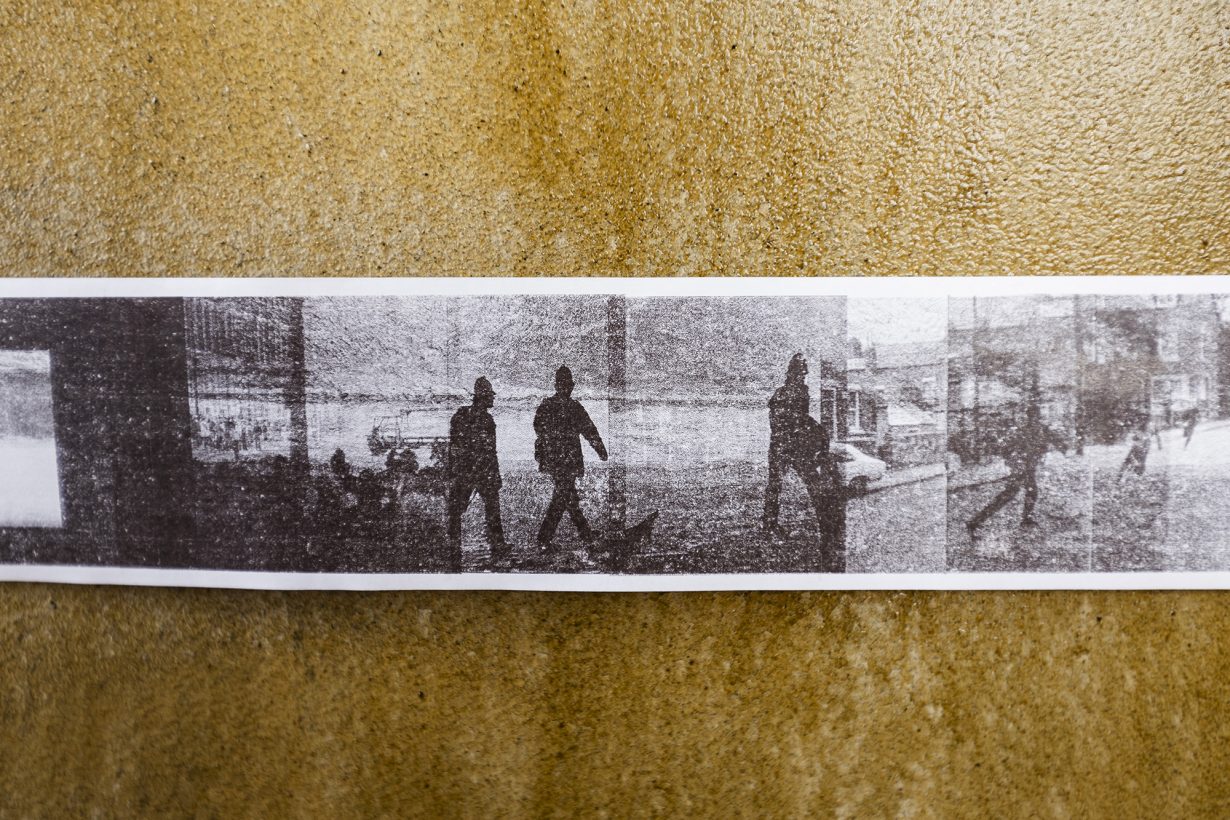
At Street Level Photoworks, Ayesha Jones’s photographs depict her experience of treatment for idiopathic scoliosis in medical institutions: the works on one wall document the various processes and procedures experienced during her time on the hospital ward with Nan Goldin-esque, soft-focus intimacy; on another, conversely, is a single, largescale photograph of a pair of rubber-gloved hands clasped together, in the manner that one might when delivering uncomfortable news, in cold detail, centre frame. The former identifies the human experience of the institution, like a storybook of the systems and ‘airless spaces’ (as Shulamith Firestone puts in her book of the same name) Jones experienced in an inequitable healthcare system; the latter portrays, in synecdoche, the institution for which people become actors. Across the Clyde you’ll find River is/as, a group show exploring the pasts, present and imagined futures of the city’s river, at 16 Collective’s space in the Gorbals. In it, Glaswegian artist Camara Taylor has coated an entire wall in sticky molasses residue, the rust-toned brown like an exposed seabreak, and pasted on top a line of tickertape the size of a receipt – get it? – with disambiguated images depicting (we can infer, but are also informed in the accompanying pamphlet) acts of racialised violence committed along the Clyde throughout history. It’s both monumental and tinged with a degree of bathos – the water comes and goes in tides; lives are lived and suffered, history gathers like litter in the retreating silt.
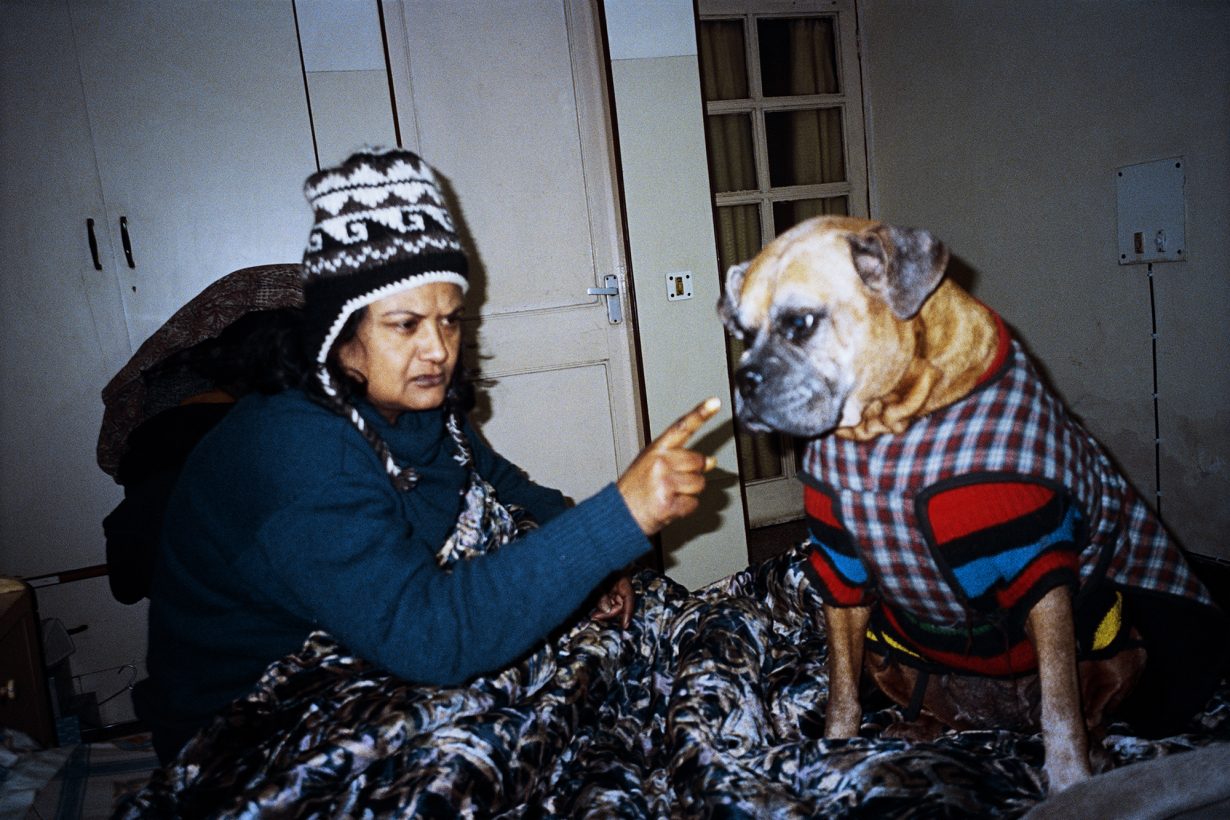
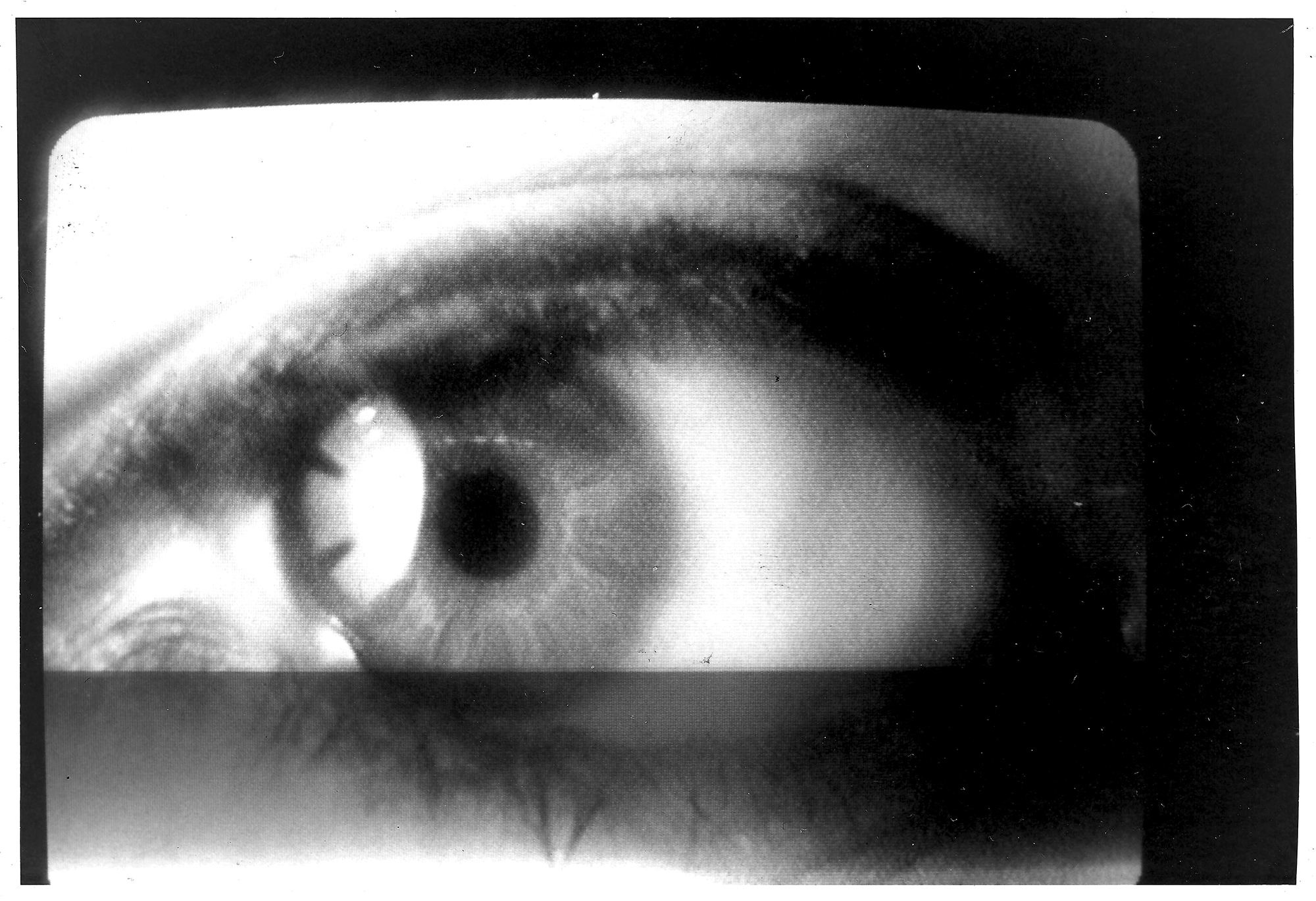
Best of all is Protect Me From What I Know at David Dale Gallery, combining works by Indian artist Sohrab Hura and British artists Adam Lewis Jacob and Jill Westwood, which evoke the conditions of abjection identified by Julia Kristeva’s Powers of Horror (1980): perversion; absurd jouissance; the corpse. Lewis Jacob’s Arte povera-like sculptures made from folded and desoled high-heeled shoes are a metonym for exhausted desire – you can almost hear the leather squeak. Hura’s video Bittersweet (2019) presents gruesome footage of his mother caring for her dying dog, while herself isolating to see out a schizophrenia diagnosis. “Over all these years I realise she never stopped loving me,” he narrates as a slideshow flicks by – his bedbound mother; blood smeared beneath a canine paw; shrubbery in a courtyard under flashlight. Then there’s Westwood’s The Wound (1984), stitching together extended black-and-white close-ups of eyes and mouths opening orgasmically; a gleaming scalpel scoring through skin like butter; sticky stretching terrains look like internal organs (they might be); accompanied by voice recordings of men gasping and begging “Jill” – their dominatrix – for orders, pledging their devotion: “Without you there is nothing, only death, Jill”; “Give me something, give me meaning”. It’s an entirely arresting examination of ecstasy and violence as twin effects of penetration – of the body and of the self. It’s also an existential one, emanating, as all the best works of GI have, from those margins, asking: why are we here? What do we need? What, if anything, can make us whole again?
Glasgow International 2026, Various venues, Glasgow, 5–21 June