“Venetians are hardworking and tough people”
ArtReview sent a questionnaire to artists and curators exhibiting in and curating the various national pavilions of the 2026 Venice Biennale, the responses to which will be published daily in the leadup to and during the Venice Biennale, which runs from 9 May through 22 November.
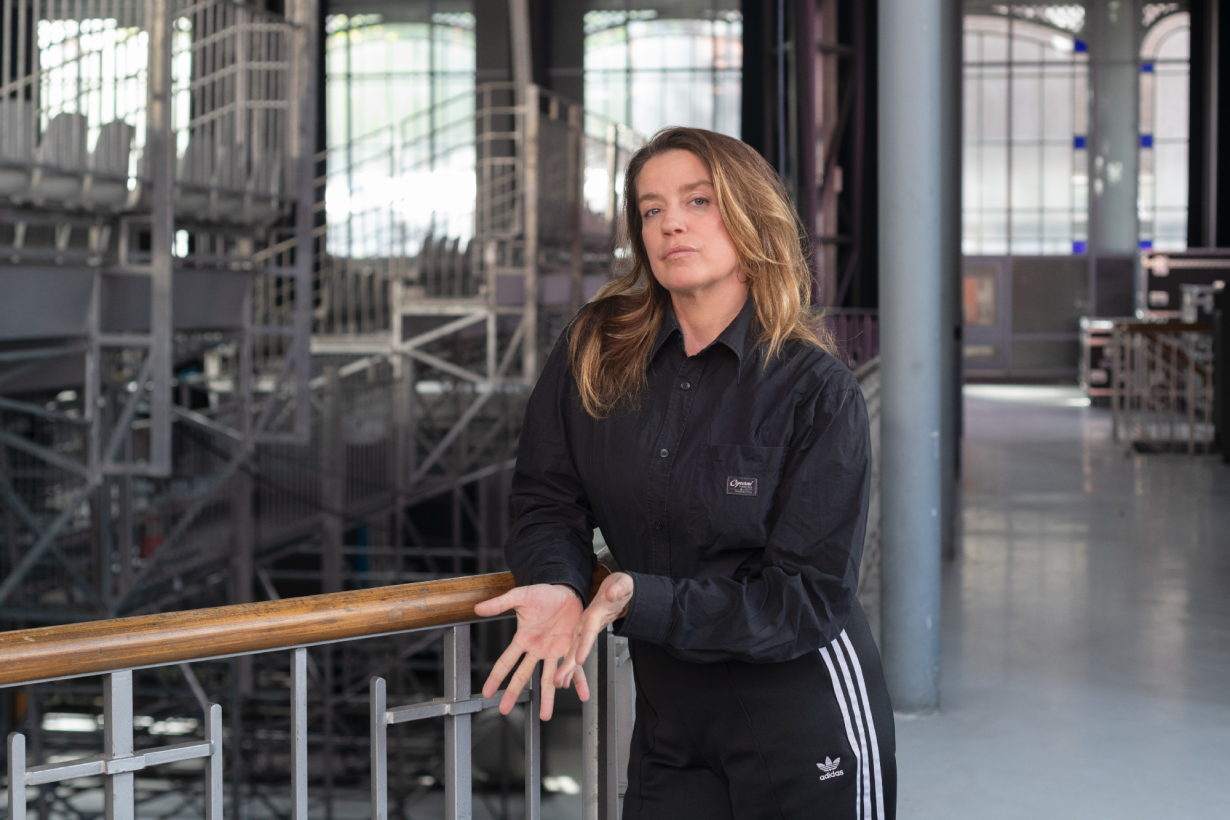
Miet Warlop is representing Belgium; the pavilion is in the Giardini.
Celebrating Visions. Versace partners with ArtReview to share stories from the 2026 Venice Biennale.
ArtReview Tell ArtReview what you plan to exhibit in Venice. What has influenced or inspired you?
Miet Warlop Above the entrance to the Belgian Pavilion is the slogan of Belgium ‘L’union fait la force’, which means ‘unity makes strength’. I think this slogan suits the work I am creating, as I want to create a space which can bring people together in introspection. I want to create an attractive environment that people want to join and become involved in – somewhere between a workspace, exhibition and performance. My aim is to create ways through which people can find each other.
I have also been very inspired by spending time in areas of Venice that exist beyond the touristic surface. Since being here, I have spent time mingling with Venice’s artistic communities, for example speaking with the dance and sculpture students at the Accademia. Venetians are hardworking and tough people.
AR In what ways (if at all) does your work relate to the theme of the Biennale exhibition, In Minor Keys?
MW Music in a minor key often evokes introspection and vulnerability, yet it can also be powerful, sensual and hopeful. I also interpret In Minor Keys as a reference to that which is not dominant in society, those who exist in the minority.
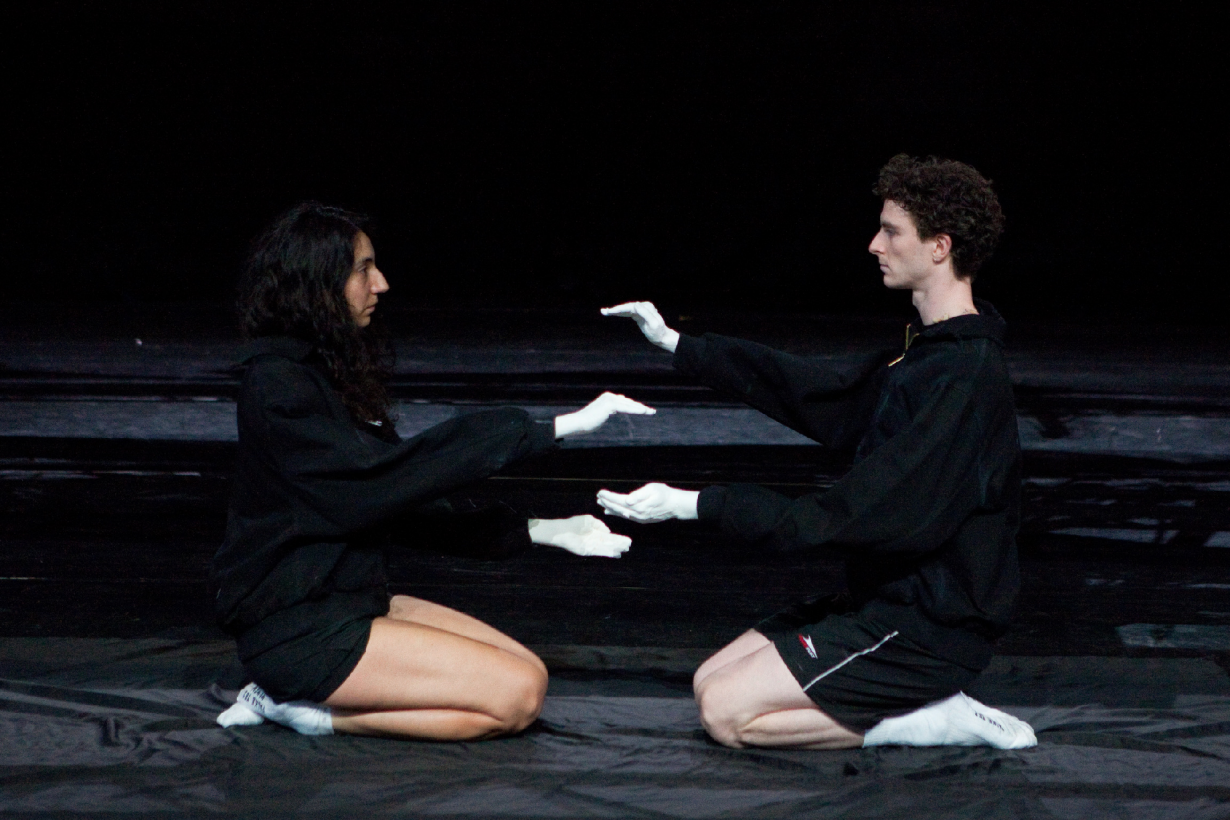
In the music my collaborators and I have created for the Belgian Pavilion, which is largely straightforward and percussive, we have included a section for the minor keys. With this section, I hope to create space for nuanced, introspective emotions that cannot be expressed through words.
AR Why is the Venice Biennale still important, if at all?
MW It’s important to have a collective dialogue with the world and to create spaces for that to happen. This is something I also try to do in my work.
AR What role does a national pavilion play at a time of increasing confrontational nationalisms? Is it about expressing difference or commonality?
MW National pavilions offer opportunities for collective dialogues and understandings across nations and peoples.
AR Who, for you, is the most important artist (in any discipline) that your country has produced?
MW Belgium is a young country without the same long artistic traditions and history as our neighbours. I believe this allows for greater artistic freedom by removing the weight of legacy or expectations. Therefore, I don’t feel it is important to focus on individual contributions to Belgian art, but want to focus instead on the wider context of Belgium’s support for artists and the artistic freedom and achievements that exist as a result.
AR What is something you want people to know about your nation that they might not know already?
MW That there is a fertile ground for an unrestrained and free way of creating performance in Belgium. The performance work coming out of Belgium has been and continues to be outstanding.
AR Given that you are exhibiting in a national pavilion, is there something (a quality or an issue or attitude) that distinguishes the art of that nation from that of others? That makes it particular? Are there specific contexts that it responds to? Or do you think that art is a universal language that goes beyond social, political or geographic boundaries?
MW Of course. As an artist, you feel that you come out of your own context. I think the fact that Belgium doesn’t have a long national history and that it still supports artists really makes it possible for us to have the freedom to create the work that we do. But I also see art as its own language with which we can have collective conversations across different contexts. In my practice, I try to focus on what’s missing in the world and then make it, rather than just mirroring the world as it is.
AR What, other than art, are you looking forward to seeing – or doing – while you are in Venice?
MW While in Venice I have plans to go to Murano and see if I can make some glass work. During the Biennale, I am looking forward to seeing my friend Florentina Holzinger shine at the Austrian Pavilion. Most of all, I am looking forward to seeing all of my family and friends who are coming to visit and experience my work.
AR Could you give us a brief overview of your average working day while creating your presentation in Venice?
MW All the ingredients have already been prepared separately. Now my work is to bring everything together: from the text to the music, movement and sculpture. And of course, we are building the space itself. There’s lots of variation each day. A big part of it is also motivating the team – and keeping myself calm!
AR Can art really change the world?
MW If the term ‘art’ can be interpreted expansively, then yes.
The 61st Venice Biennale runs 9 May through 22 November 2026