“I walk my children to school every morning. I flinch at my own reflection. And then I get to work”
ArtReview sent a questionnaire to artists and curators exhibiting in and curating the various national pavilions of the 2026 Venice Biennale, the responses to which will be published daily in the leadup to and during the Venice Biennale, which runs from 9 May through 22 November.
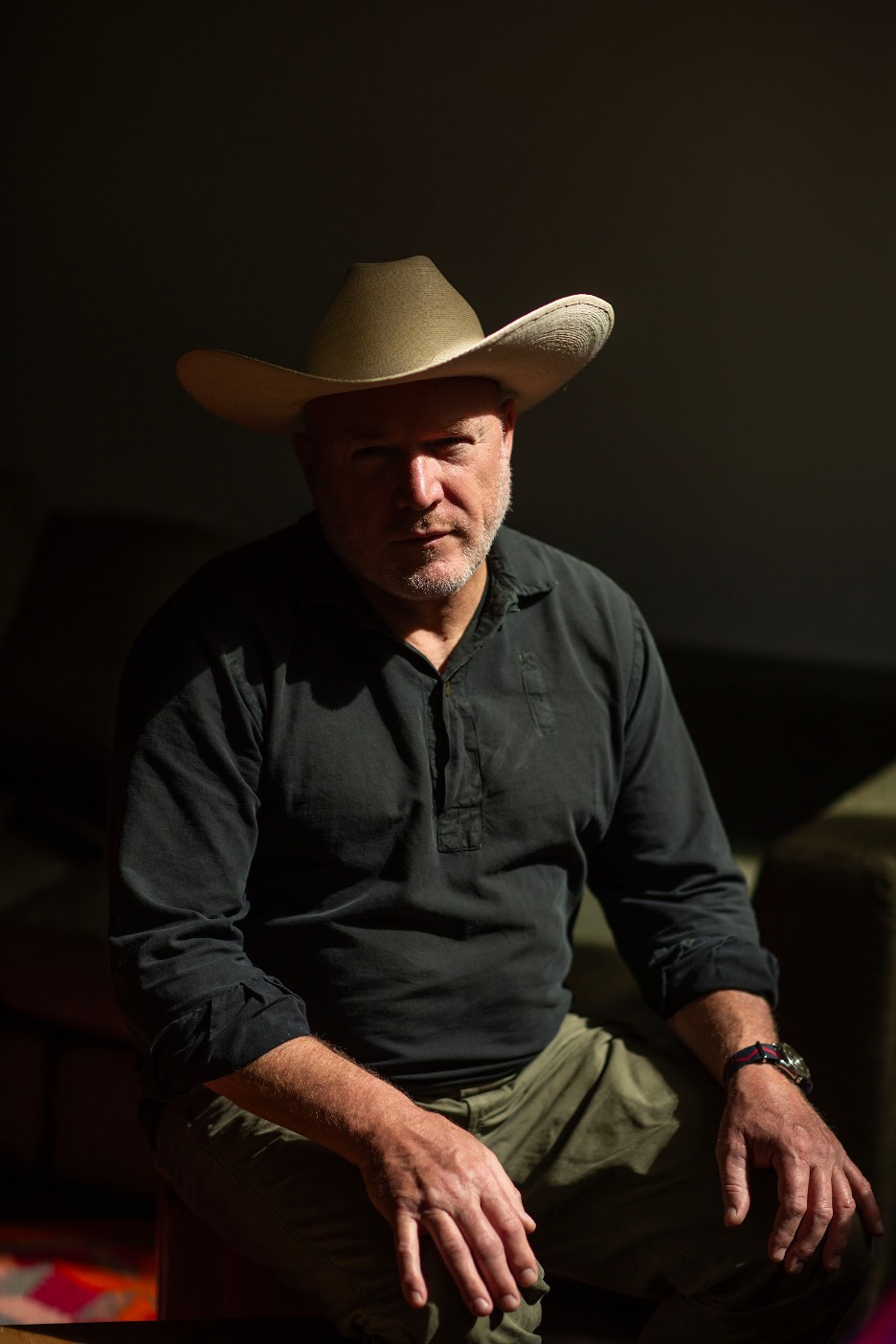
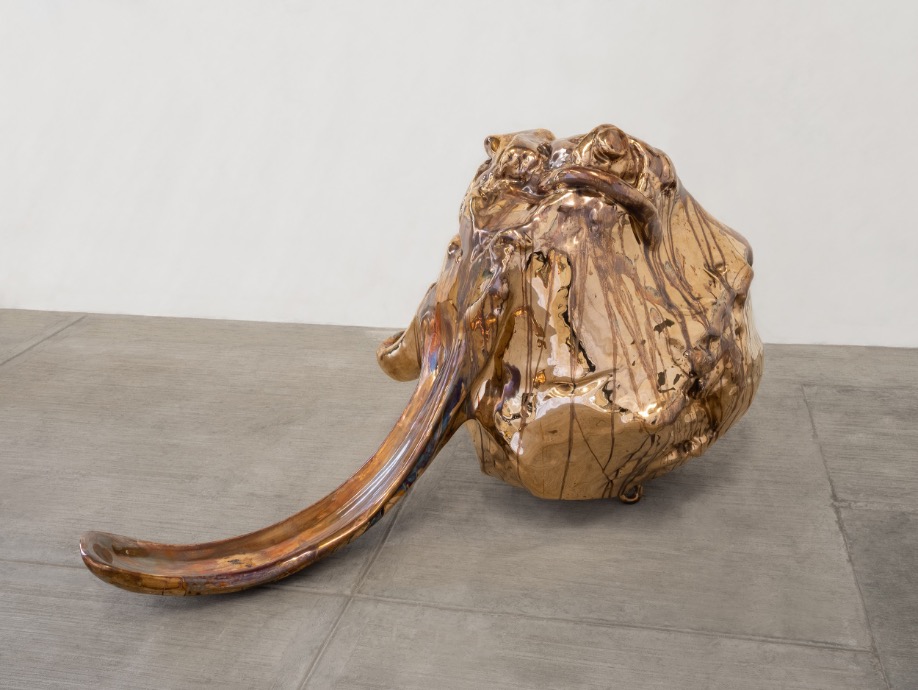
Alma Allen is representing the US; the pavilion is in the Giardini.
Celebrating Visions. Versace partners with ArtReview to share stories from the 2026 Venice Biennale.
ArtReview Tell ArtReview what you plan to exhibit in Venice. What has influenced or inspired you?
Allen did not answer.
AR In what ways (if at all) does your work relate to the theme of the Biennale exhibition, In Minor Keys?
AA In the frequency of lament and in the refusal of bombast.
AR Why is the Venice Biennale still important, if at all?
AA I don’t know, I’ve never been. There is nothing that kills your ability to see, like, a sense of what is important. But I want to communicate through ‘all portals of improvisation to the elsewhere and the otherwise,’ as Koyo Kouoh wrote, and definitely not through this questionnaire.
AR What role does a national pavilion play at a time of increasing confrontational nationalisms? Is it about expressing difference or commonality?
Allen did not answer.
AR Who, for you, is the most important artist (in any discipline) that your country has produced?
AA The most important artists are the hundreds and thousands of outsider artists – or whatever is left of this idea. Those who work at any point without institutional validation and curatorial and critical approbation – and often without the expectation of ever making a living – the uncompromising difficult weirdos that we all once were, but that you forgot about when you woke up one day and liked your little fiefdom and became a professional inflated with authority – an art world insider! – and traded beliefs for belonging (or some cash).
AR What is something you want people to know about your nation that they might not know already?
AA The United States is built on foolhardiness and grift, on lives used in sacrifice for others, on persistence against better evidence and on trying to be better even as we continually fall short of our ideals.
AR Given that you are exhibiting in a national pavilion, is there something (a quality or an issue or attitude) that distinguishes the art of that nation from that of others? That makes it particular? Are there specific contexts that it responds to? Or do you think that art is a universal language that goes beyond social, political or geographic boundaries?
AA I don’t think my bad ideas, much less my better ones, comprise some sort of universal language. Nothing I make is abstract to me; but I am not going to give you a framework for what to think. If you are looking for specifics you will have to sit with the work itself and respond to it from your own discomfort with lack of certainty and clarity. Perhaps this is a particularly US attitude, a foundational invention that we are being distracted away from: think for yourself. Trust your inclination for inquiry and your meandering ideas enough to test them and be wrong. I am making the work in the context of certain violence, of living in a modern bureaucratic government that decides whether you get to live or die, and from within the basic violence of having a body and thus never being absolved of change. But the rest is up to you.
AR What, other than art, are you looking forward to seeing – or doing – while you are in Venice?
Allen did not answer.
AR Could you give us a brief overview of your average working day while creating your presentation in Venice?
AA I only had three months since being selected but also an entire lifetime to make the solo presentation for the US Pavilion. I pray to every single god and goddess of mercy for a luck I did not earn through infallibility and do not deserve more than any other artist, whose drive and reasons are the same as mine. I walk my children to school every morning. I flinch at my own reflection. And then I get to work.
AR Can art really change the world?
Allen did not answer.
The 61st Venice Biennale runs 9 May through 22 November 2026