You could be cleaning out storage units, taking inventory, digitising papers and creating databases – or just seducing their landlord
Before he died in 1989, the queer experimental filmmaker Jack Smith had turned his downtown apartment into the set of a feature film he never made, titled ‘Sinbad in a Rented World’. Judging by footage from 1990, Smith liked to write on walls; he’d painted his ceiling blue and left behind campy murals of goddesses with plaster cones for breasts. The performance artist Penny Arcade, intent on turning the mise-en-scène into a museum, stalled Smith’s landlord – who apparently “got a buzz from [her] voice” over the phone and requested a face-to-face meeting, then a date – by asking him to “explain football” to her whenever the apartment was mentioned. Or so she said during a talk in mid-August at the non-profit art space Participant Inc.
So how do you manage an artist’s estate? Seduce their landlord. (Though Smith’s place was eventually gutted, Arcade and her friends were able to carve out and save pieces of the walls.) Alternatively – and more conventionally – you could be cleaning out storage units, taking inventory of the artist’s assets, transferring everything into folders and boxes, digitising papers and creating databases, formalising protocols around the exhibition and sale of their works and the creation of posthumous editions, and so on. That’s what the New York-based legacy work non-profit Soft Network has been doing for various estates since 2021. Over the summer, Arcade and Soft Network joined forces with curator Marcelo Gabriel Yáñez to open Horizontal Thinking, a show at Participant Inc devoted to the late Sheyla Baykal. Around two dozen black-and-white portraits, from 1979 up until her death of cervical cancer in 1996, depict a host of downtown artists, actors and poets during the AIDS crisis, to whom the Turkish-American photographer, who fell in with artistic circles as soon as she moved to the city in 1962 – and befriended Arcade circa 1981 – became known as a kind of ‘vital fringe figure’ and de facto documentarian. As Arcade recalls, when she visited Baykal in the hospital, Baykal looked up from her bed and asked Arcade to be her ‘Death Mother’. And so the two “were fused with the purpose of preparing for her death and preparing for her work to go into the future.” According to the exhibition’s press release, Baykal made this request after seeing how Arcade had stewarded Smith’s archive.
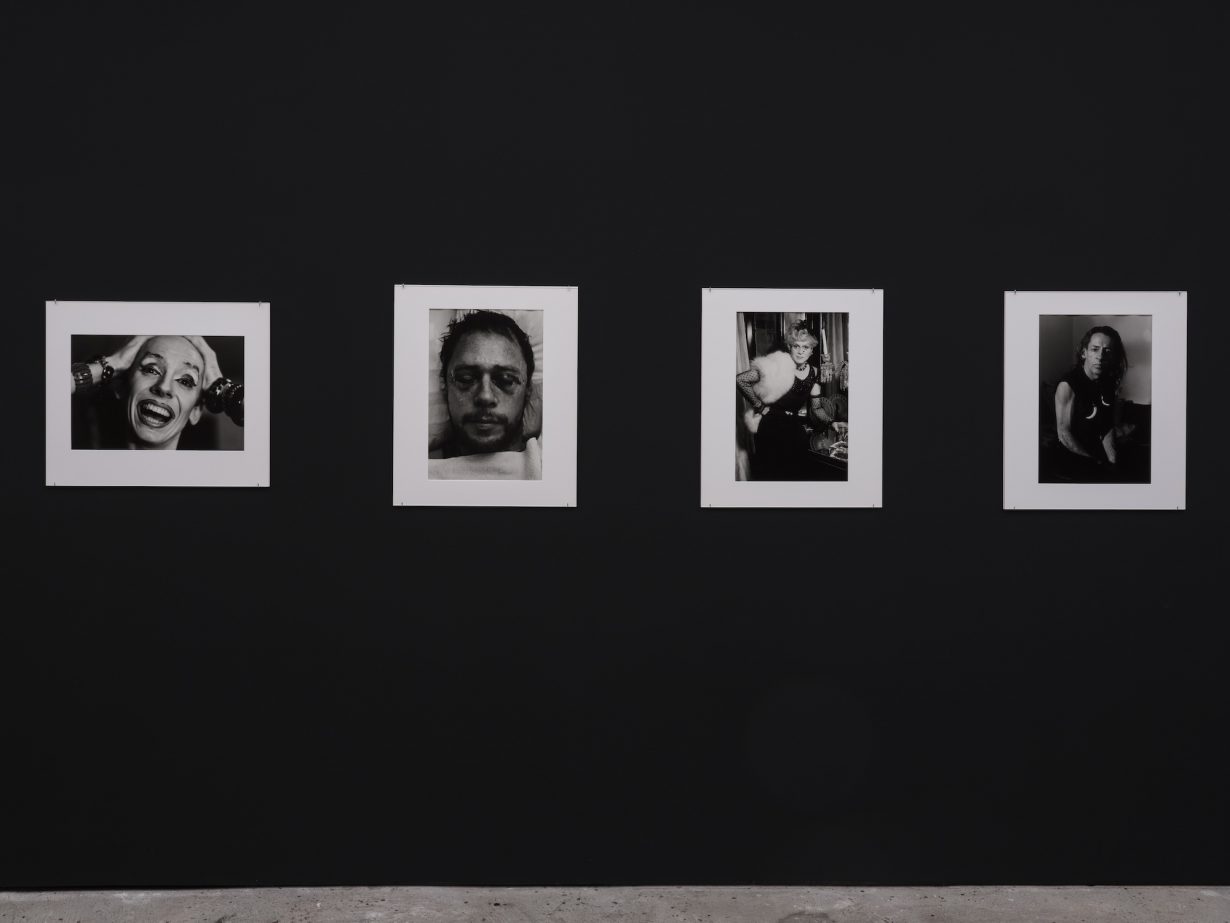
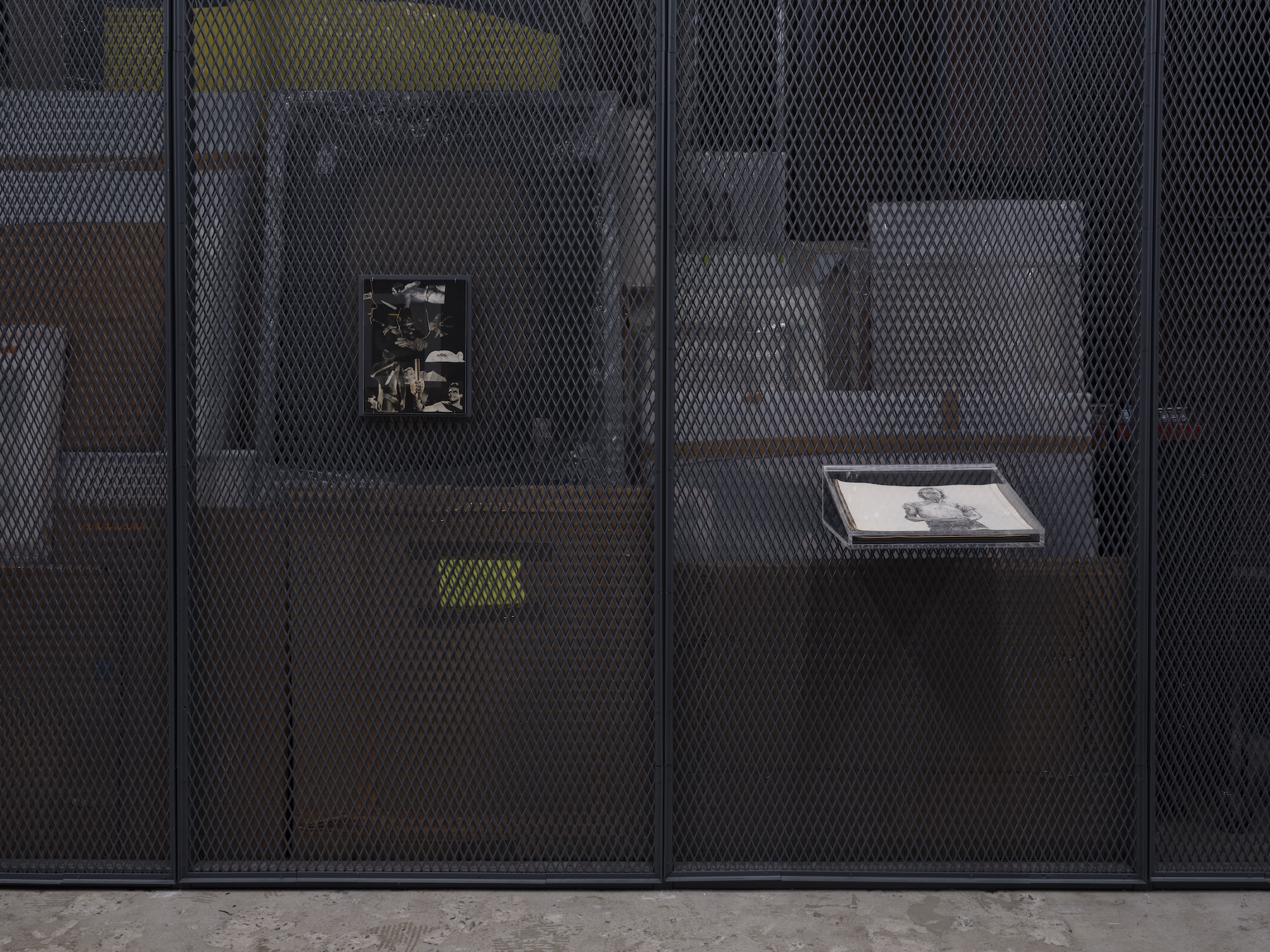
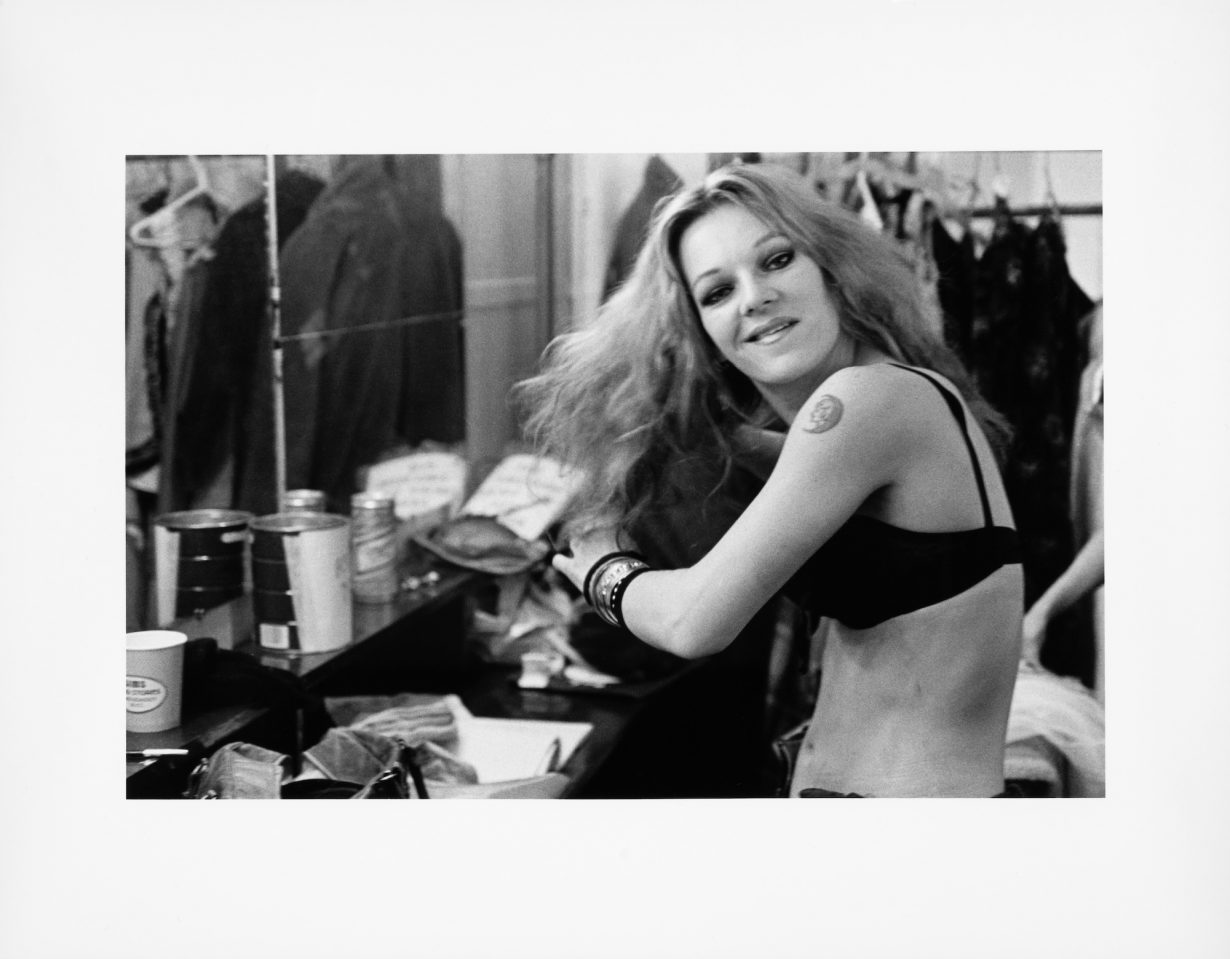
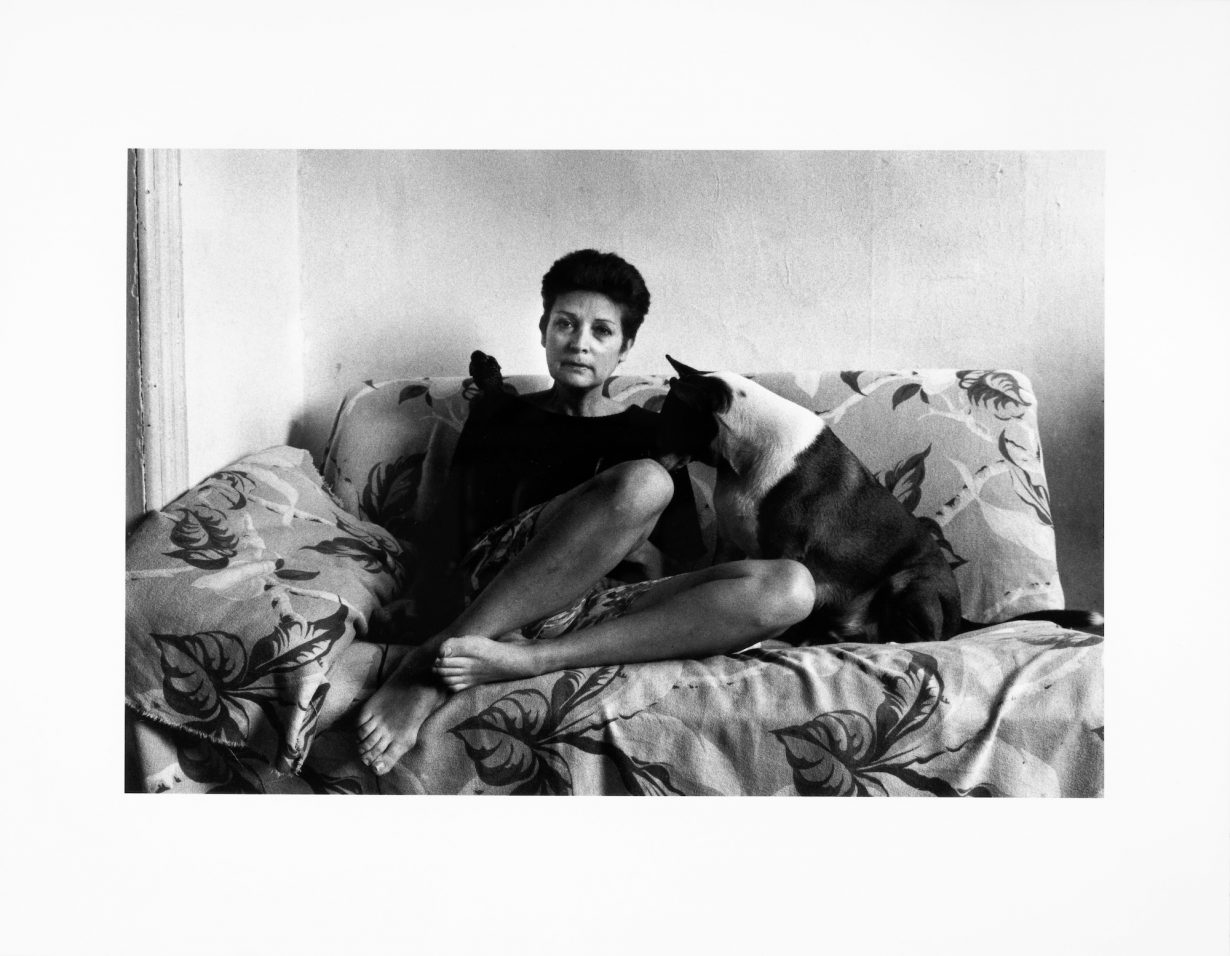
What does the job of a Death Mother entail? The term calls to mind psychopomps, shamans and death doulas. For Arcade, the role had much to do with Baykal’s artistic ambitions: the photographer had wanted her negatives printed after her death, since she could never afford to do so, and for the prints to be presented in an exhibition akin to Nan Goldin’s mid-career survey at the Whitney Museum of American Art, I’ll be Your Mirror, which Baykal had visited in 1996. Horizontal Thinking, a room of 50-by-40-centimetre gelatin silver prints hanging in a neat row, punctuated with theatre props, drawings and collages by some of the subjects in the photographs, is no Whitney retrospective, but it’s not nothing. Smith is there, his lined face from 1988 captured in a print dated 2026. So are, among others, the late performance artist Agosto Machado, seated with clasped hands in front of a mantel covered in snapshots and statuettes; the late actress Cookie Mueller brushing her blond hair in a dressing room; and the late sculptor and painter Paul Thek, his head on a pillow, eyes closed, bruised and stitched following a cosmetic procedure during a time when, according to Arcade, “he wanted to recreate his face and body”. In a 1984 portrait, Arcade gazes into Baykal’s lens wearing an arch yet timid smile, her hands raised, as if about to adjust the collar of her all-too-plain-and-sensible blouse. Baykal shows up too, in a self-portrait taken in the 1980s, barefoot on a couch, with cropped hair, a bird on her shoulder and a dog by her side.
Horizontal Thinking exists because Baykal made arrangements for her archive ahead of time with people she trusted. But often, legacy planning falls to the wayside during an artist’s lifetime. “It’s something a lot of people don’t want to think about, or don’t have the time or resources to do,” Soft Network’s cofounder Chelsea Spengemann told me over the phone. When artist estates are neglected, they, like anything else, fall into disrepair. I spoke to several death doulas based in the city to see whether they encountered similar problems with their clients. Susan Reis, who came to death care through meditation teaching, developmental coaching and hospice volunteering, observed that patients (or their families) often choose to extend treatment instead of entering hospice when they are eligible. “It’s very culturally specific,” she said, “the way that we [in the US] handle or, rather, don’t handle the dying process,” the way we dismiss it rather than face it and frankly “speak about death.” Adam Jenkins, who also works as a registered nurse, made a similar assessment: the American healthcare system does not manage death well, nor does American society, which frames it as a moment of “judgment” to be feared.
Alexa Foote, a doula with a background in social impact and health equity, wrote me saying, ‘The inequities people experience while they’re alive don’t just disappear at the end of life… Who has access to good care? Who has money, resources, family support and choices?’ Why, then, should it be any different for artists? Death is no great equaliser, and estate work for under-resourced and marginalised artists without gallery representation or institutional support often falls on their friends and chosen family, who might themselves be under-resourced and marginalised. As Arcade put it, “I’m an obscure artist representing an obscure artist… [I] do the shit-work”: that is, small-scale infrastructural and administrative work, which is neither ‘sexy’ enough to fund nor immediately monetisable – and yet which makes the thought of artistic immortality possible, even when life itself is not.