In Chinatown, a new ‘jailscraper’ project includes retail space and art galleries for the general public, accomplishing – as farce – the abolitionist goal of making carcerality disappear
In this city, it’s taken for granted that construction is happening all the time everywhere. Hunter-green plywood walls with diamond-shaped apertures – the standard modesty screen for building works – are so ubiquitous as to become overlooked; in New York, their colour is for the street what blue is for the sky. Around one building site on White Street in Chinatown, Manhattan, are pharmacies, bakeries, an insurance office, a shuttered noodle-shop, two small parks, the New York County Civil Court and the Criminal Courts Building. Here once stood the Manhattan Detention Complex, colloquially known as the Tombs, which is being replaced by a $3.9 billion HOK-designed, 16-storey structure that, upon its projected completion in 2032, will stand as the tallest jail on earth.
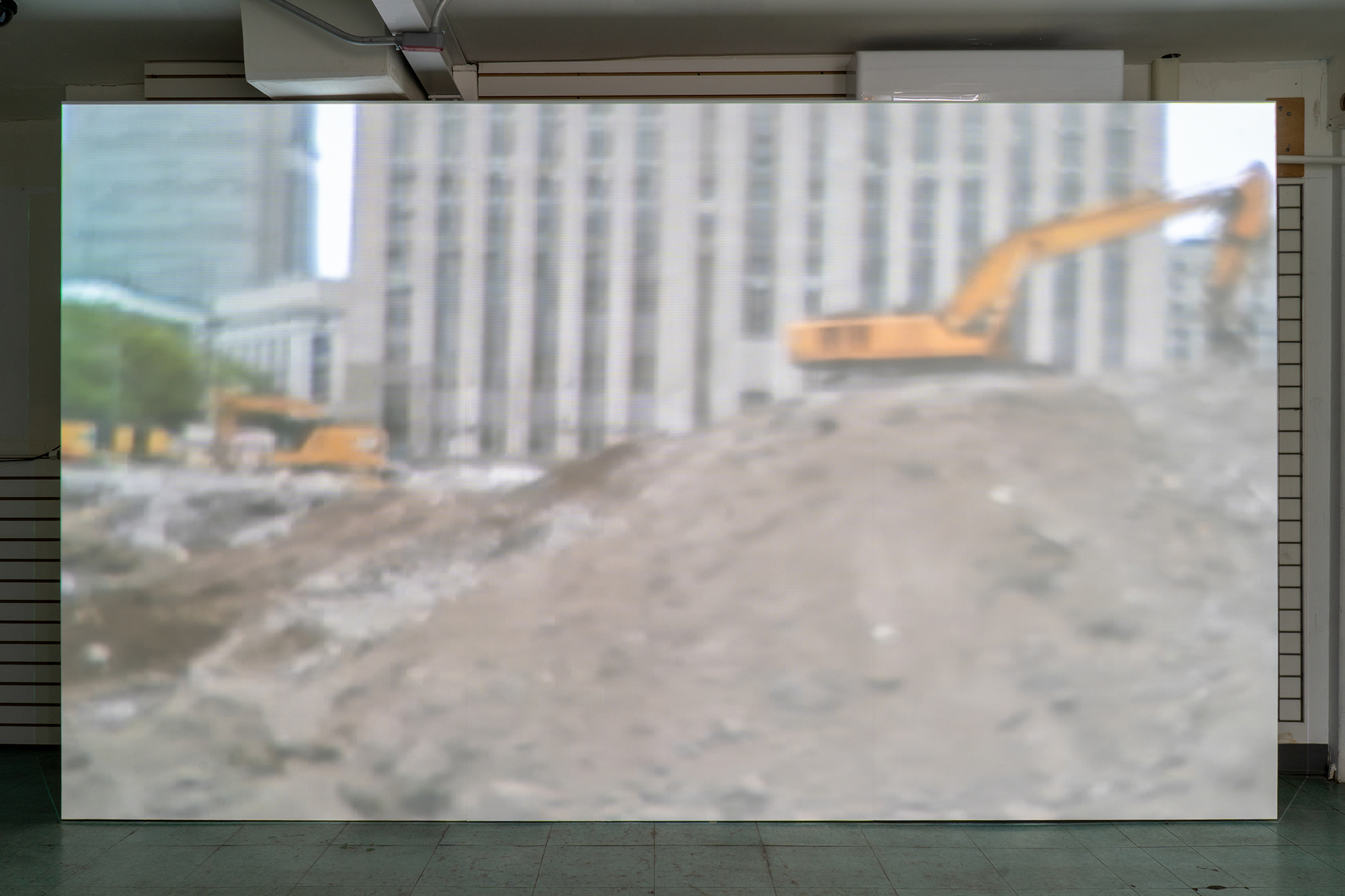
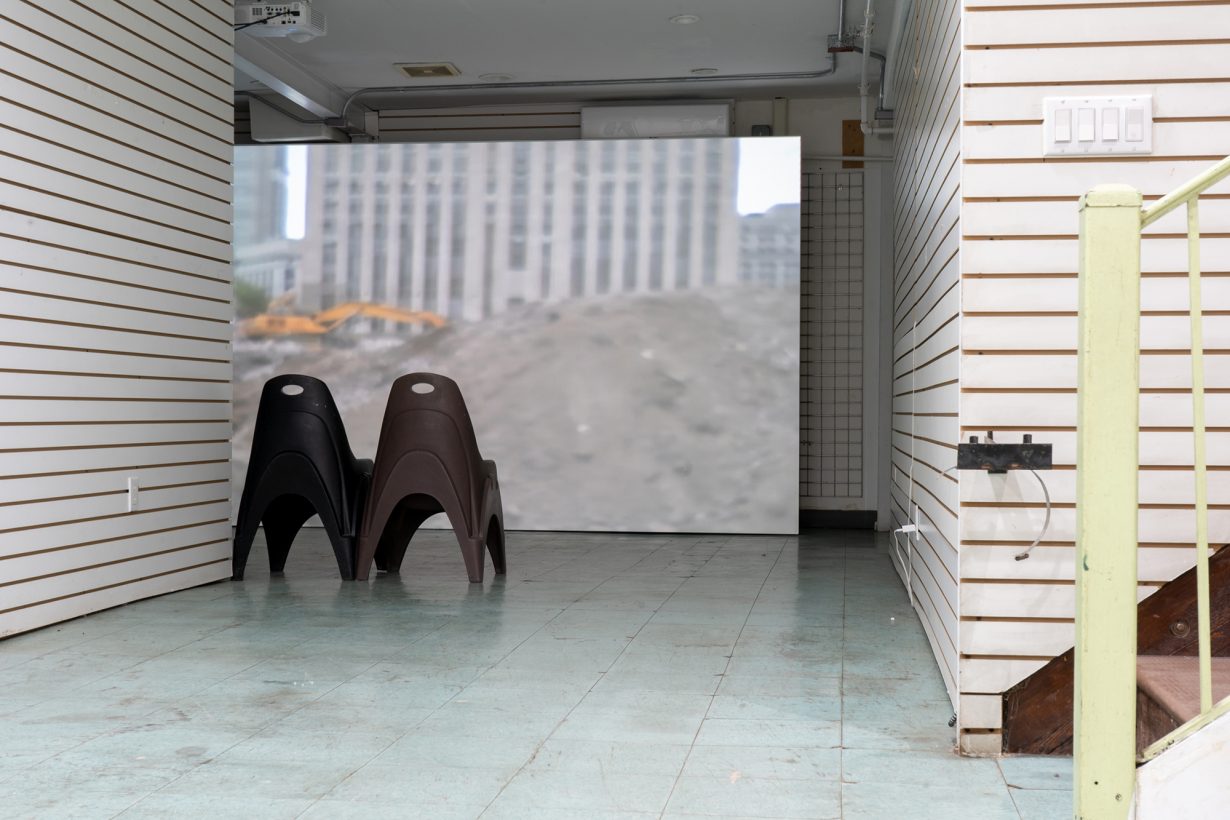
The gate opened to let out a truck, and I caught a glimpse of the lot: a flat bed of gravel dotted with equipment and barricades, traversed by a handful of workers in reflective vests. The ground had been levelled since Paul Pfeiffer recently showed Perspective Study (2026) – a work comprising a livestream of this very construction site, in which excavators clawed at hills of rubble, and plastic chairs taken from the former Manhattan Detention Complex’s waiting room – at Immigration Social Services (ISS) Storefront for Ideas, in a group exhibition about current struggles facing Manhattan’s Chinatown community. According to a project schedule published by the city, the four corners of the site were being excavated to remove remnants of the old detention centre’s foundation. This phase of work was expected to continue through the summer.
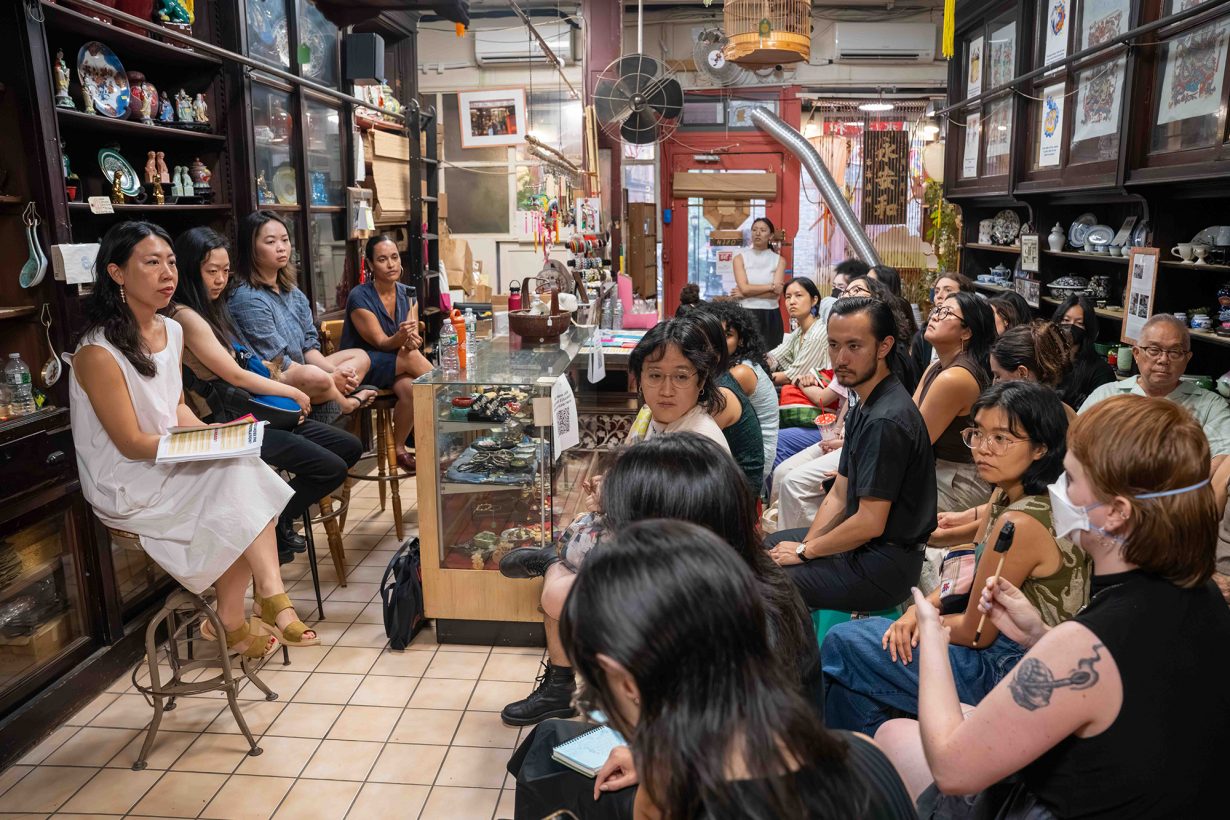
The Chinatown ‘jailscraper’, as it’s been dubbed, is a part of one of New York City’s largest construction projects to date: a network of four detention facilities being built in Manhattan, Brooklyn, the Bronx and Queens. They’re key components of the city’s planned closure of the infamous Rikers Island correctional institution, where, just this May, two people died within 24 hours of each other.The proposal has triggered numerous concerns; for instance, years of dust-raising construction on this scale will indirectly exacerbate the displacement of what small businesses in Chinatown survived the COVID pandemic and the onset of cardiovascular disease and dementia in the neighbourhood’s elderly population. Thus, the project has faced resistance from nonprofit groups and arts organisations like the Chinatown Art Brigade, Art Against Displacement and the W.O.W. Project, which presented a panel on the topic in mid-July, in a family-run porcelain shop near the White Street lot.
The architects of the Manhattan mega-jail, on the other hand, have touted its airy glass facades, windowed cells, its law library, horticulture space, classrooms and therapeutic dayrooms for detainees and its plans for retail space and art galleries for the general public. Their task had been to envision, per the city’s recommendation, modern facilities that ‘promote dignity for those who are held, visit, and work there’. They’d also purportedly taken to heart some feedback from a public design workshop, in which a community member implored them to ‘create a space that feels less like a jail’. Renderings shared last year by the contractor, Tutor Perini Corporation, depict a slate-coloured corporate-modernist behemoth with a rain-soaked sheen on its walls and pavement. In March, during a design workshop at the Surrogate’s Courthouse in Lower Manhattan, HOK representatives presented concepts for its outdoor walkways and green spaces. The typical cell, meanwhile, ‘provides a generous window to support a humanized experience in this space’. In the words of criminal justice advocate Vidal Guzman, ‘I don’t think people are going to notice that it’s even a jail.’ Taken to the extreme, this neoliberal decor would accomplish – as farce – the abolitionist goal of making carcerality disappear.
Of course, nothing ever disappears. The function of the Manhattan Borough-Based Jail haunts its progressive blueprint the way, in César Aira’s surrealist novella Ghosts (1990), naked poltergeists hang around a construction site ‘covered in fine cement dust’, ‘bursting continually into fierce, raucous laughter’. Yet in the same book, Aira also writes, during a long dream sequence in which his teenage protagonist alights in different regions of the world and surveys local edifices and customs, ‘It is possible to imagine an art’ – architecture – ‘in which the limitations of reality would be minimized, in which the made and unmade would be indistinct’. His roguish apparitions provide proof of a world beyond our strictly tangible, all-too-human one, and through them Aira attunes us to slippages between presence and absence throughout the built environment. ‘There are societies’, he writes, ‘in which the unbuilt dominates almost entirely.’
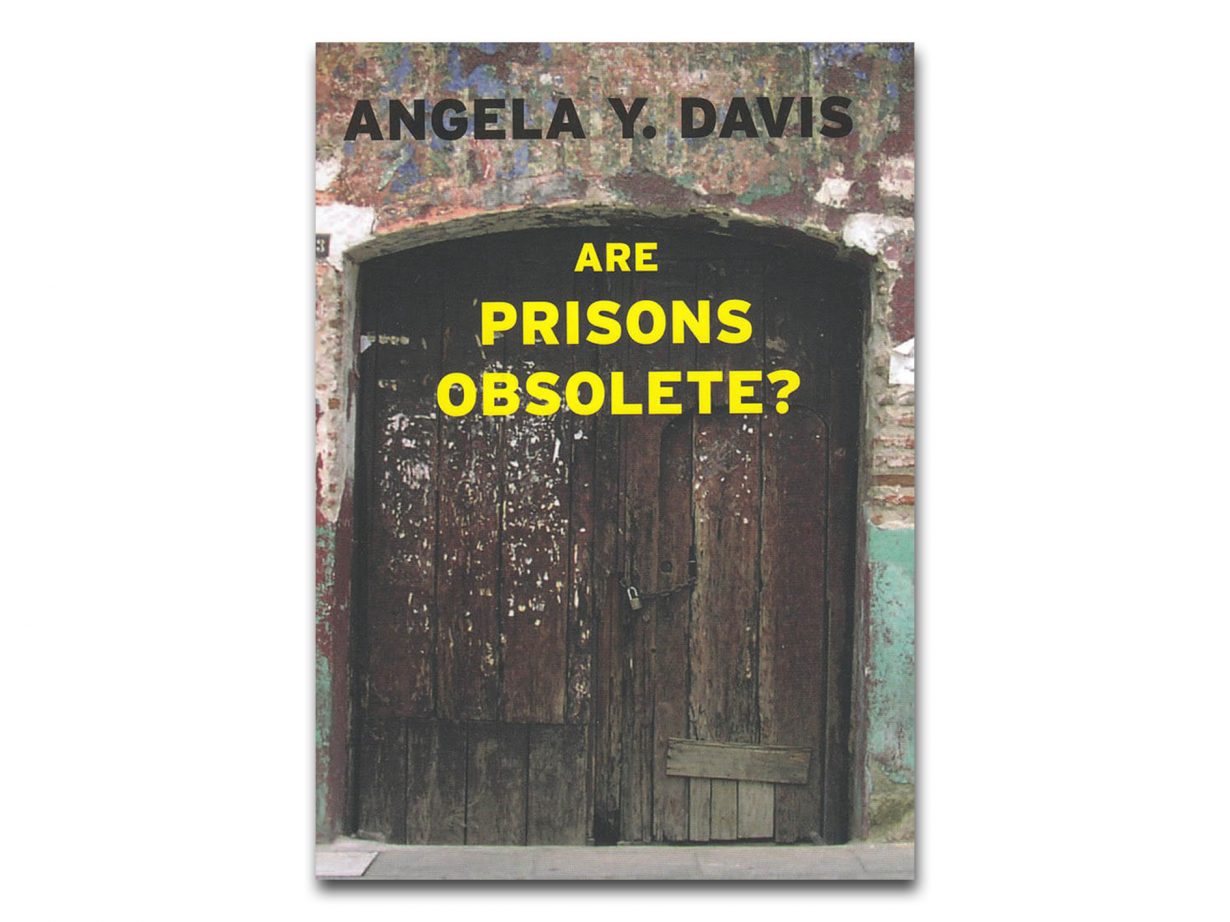
While the levelled lot on White Street evokes one such potent, unbuilt presence, it should also remind us that the identity of the institution poised to fill it – or any temporary vacuum in a socio-ideological landscape – is not a fait accompli. Angela Davis proposes in Are Prisons Obsolete? (2003) that we imagine a landscape without prison architecture, one where, instead of building more jails – and subsequently filling them with more people – we would construct affordable housing, career centres and harm-reduction facilities. To that end, in their book Prison by Any Other Name (2020), Maya Schenwar and Victoria Law describe the ‘slow build’ of new and genuinely transformative institutions that would make jails and prisons obsolete: slow because it would involve individuals incrementally expanding their social circles by, say, greeting their neighbours en route to the subway, making small talk over the course of weeks before working up to longer, deeper conversations in which needs are expressed and assistance is offered. In Chinatown, where prison reformists insist they are building something ‘new’, this may look like rebuilding something old: kinship networks and ways of life that have been disrupted by the city’s carceral ambitions, turned into something like a spectral institution – not a haunted building but one that’s pure potential.