What is there to like about Tapponi’s depicition of the 2020s London artworld?
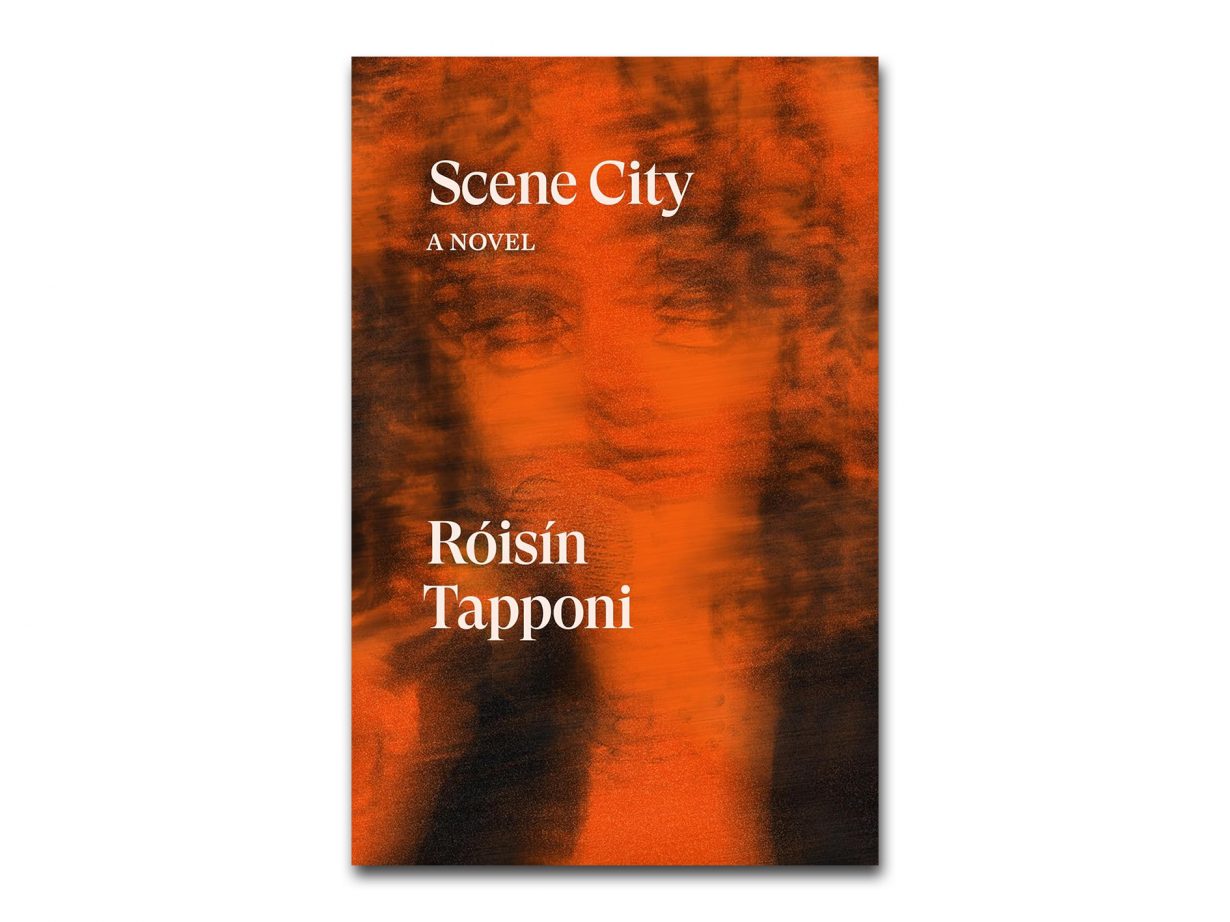
There are plenty of reasons to dislike Róisín Tapponi’s debut novel, which takes the form of a self-conscious rampage through the London artworld. It combines bits of metafiction, identity politics, musings on the attention economy, theory, fashion, beauty tips, psychogeography and art-historical references (that will pass many nonspecialists by) into a breathless, dizzying whole, punctuated by clumsy punning (‘Creating content that makes them content’). On the flipside, Tapponi’s artworld is, on one level, an accurate portrait of the real thing: populated by wannabes, influencers, celebrities and wealthy patrons who are generally devoted to creating something, representing something, anything really, while trying to work out who they actually are.
Our host through the novel is Romy, an art-history student and emerging writer who, alongside her circle of young friends, is trying to find a place in a world dominated by parties, drugs, sex and self-pleasure. It’s a scene that is largely vapid, superficial and at a total remove from the reality around it, which everyone in this artworld seems to think they are documenting or reflecting. While Tapponi’s narrator references Laurence Sterne’s Tristram Shandy (1759–67) as an inspiration, her descriptions of constant debauchery and apparently stream-of-consciousness narrative style, combined with elements of masking true selves (‘Having a character is important for an author to hide behind, even if these days readers tend to vilify the author for creating fictional characters who have problematic beliefs’), make the 2020s London artworld seem akin to the narcissistic 1980s New York finance world of Bret Easton Ellis’s American Psycho (1991). But the former never manages to blend delusion and reality into such a problematically seamless whole. Romy’s artworld is, in the end, one that most of us will never see, experience or feel. It’s just someplace else.
Scene City by Róisín Tapponi. Verso, £12.99 (softcover)
From the October 2026 issue of ArtReview – get your copy.
Read next What Happened to Hackney Wick?