Through an existing legal case, Izabella Scott questions how much you should know about who you’re having sex with
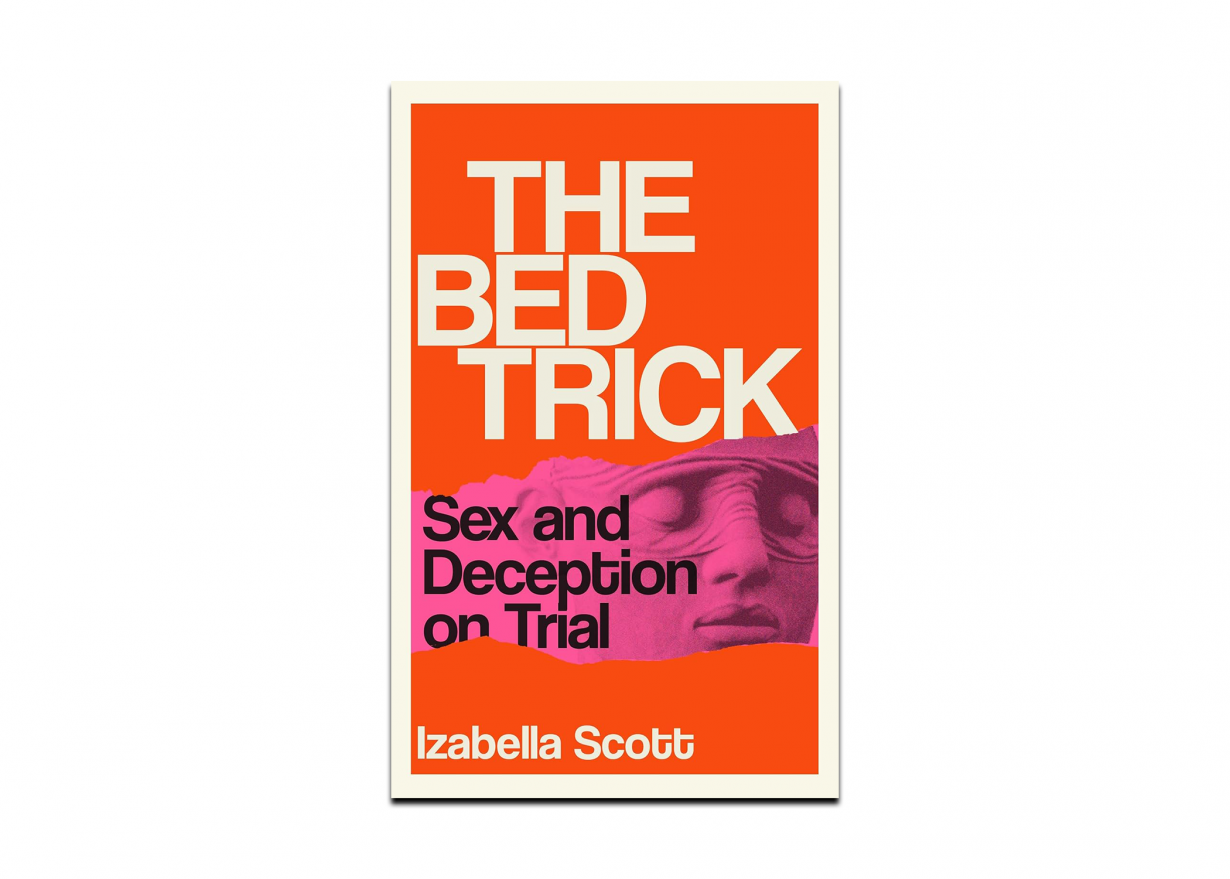
Do you know who you are having sex with? Not just their name, but everything about them? Would you want to? Or would that kill the vibe? What information should you be supplied if you are to give consent? These are the questions posed by Izabella Scott’s The Bed Trick, a gripping but sensitive report of a British rape case. In a 2017 retrial (following an earlier conviction that was overturned), the court again ruled against Gayle Newland, accused by her former partner, only identified as Miss X, of pretending to be a man named Kai throughout their two-year relationship.
Miss X claimed that Gayle required her to be blindfolded whenever they met – including at times when they were just hanging out, watching TV, and Gayle used a prosthetic penis when that hanging out progressed to intercourse. Gayle’s defence countered that Miss X was aware her male alter ego was a character, there was no blindfold and the prosthetic penis was a sex toy used consensually between two lesbian lovers.
Written from the court transcripts, Scott, a critic and former editor of The White Review, takes diversions into iterations of the so-called bed-trick plot device – when someone (usually a woman) is tricked into sex because she thinks she’s bedding someone she’s not – from medieval folktales to The Rocky Horror Picture Show (1975). The idea that ‘fraud vitiates consent’ came into the lexicon of English law during the late nineteenth century to counter a spate of cases of predatory doctors to whom female patients (Victorian women little versed in the details of intercourse) had given consent for invasive medical procedures, which then turned out simply to be penetrative sex. Limits, however, were put on what lies would invalidate consent, to allow for ‘normal’ seductions (perhaps claims to be wealthier than you really are, to be single, to really like long romantic walks along the beach and candlelit dinners).
Scott notes that neither Newland or Miss X identified as trans or queer, but evidently the legal precedent set by Newland’s conviction has consequences for those communities: failure to disclose one’s sex at birth is now established as possibly invalidating consent. For the rest of us it has more subtle consequences, ones that Scott expertly teases out in a book that tests our assumptions about identity, about the masks we put on for each other and about whether personas should be absolute or allowed to slip and slide through context.
The Bed Trick: Sex and Deception on Trial by Izabella Scott. Atlantic Books, £16.99 (softcover)
From the April & May 2026 issue of ArtReview – get your copy.