As debates around national identity continue to shape museums globally, a nation’s history is shaped by interconnected as well as local narratives
Zayed National Museum, which opened in Abu Dhabi’s Saadiyat Cultural District on 3 December 2025, positions itself not only as a museum about the United Arab Emirates (UAE), but also as a museum about movement of people, objects and ideas across centuries. While its galleries trace the story of the UAE from prehistory to the present day, one of the institution’s most compelling throughlines is the extent to which the region and its people have long been connected to the rest of Asia through trade, diplomacy and cultural exchange.
Guided by the values and legacy of the UAE’s Founding Father, the late Sheikh Zayed bin Sultan Al Nahyan, the museum explores how the United Arab Emirates developed not in isolation, but through sustained relationships with neighbouring regions and cultures. Its collection reflects centuries of exchange across the Indian Ocean, from China and Southeast Asia to India and East Africa.
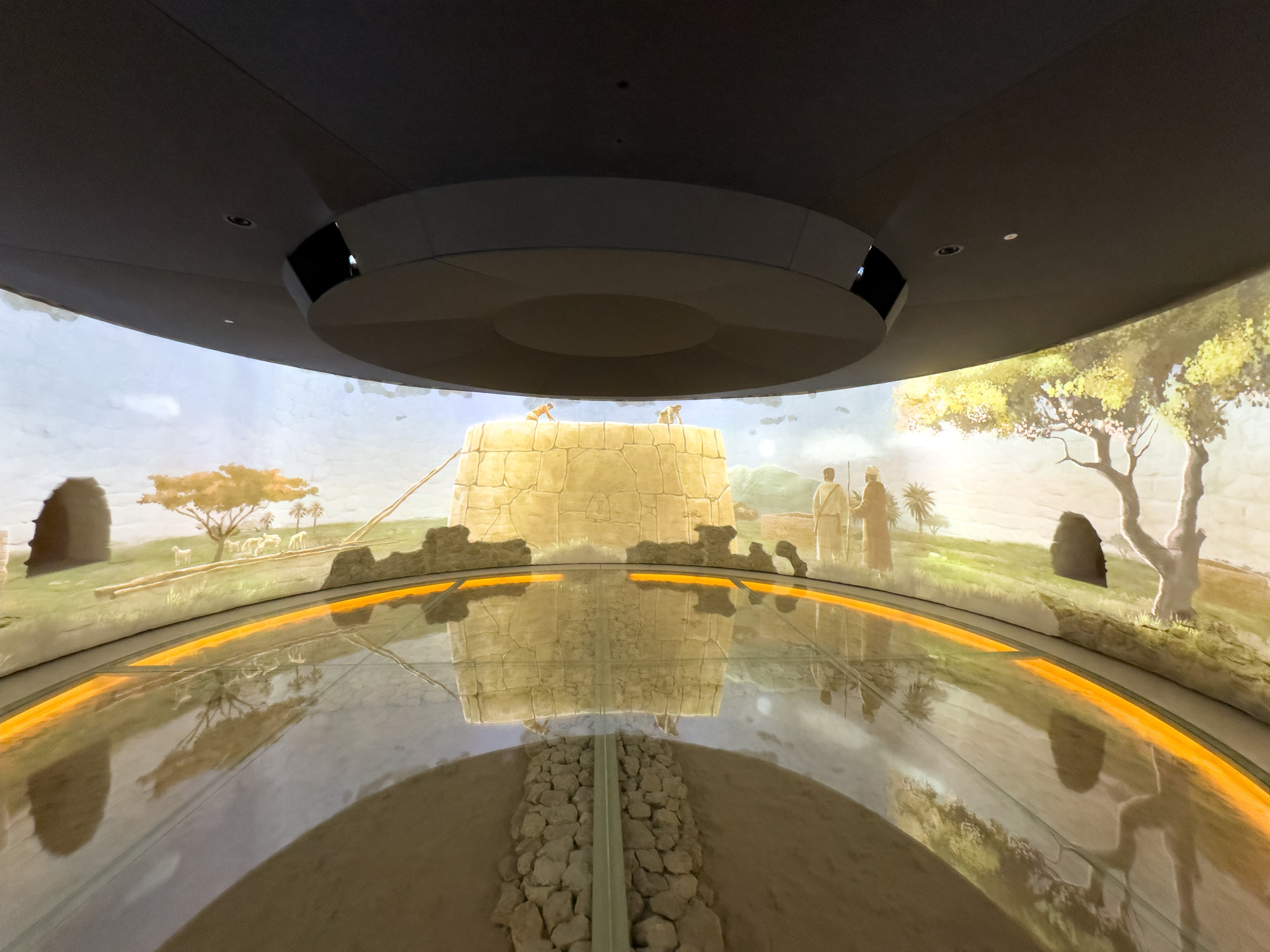
This focus comes through most clearly in the museum’s ‘Through Our Connections’ and ‘By Our Coasts’ galleries, which examine the maritime trade networks that linked the UAE to the rest of Asia from the Bronze Age onwards. By the tenth century, commercial routes across the Indian Ocean had intensified, with ships carrying dates, pearls and pottery between the Arabian Gulf, India, Africa and Asia. Arab sailors, such as Ibn Majid, born in what is today’s Ras al Khaimah, navigated these journeys using detailed knowledge of stars, currents and weather systems long before European maritime expansion reshaped global trade routes.
The museum’s collection offers tangible evidence of these exchanges. Archaeological finds discovered across the UAE include ceramics from China, Vietnam and Thailand that entered everyday life across the region over the course of more than a thousand years. Bowls from Thailand, Chinese ewers and Qing Dynasty ceramics demonstrate how imported goods circulated as functional domestic objects embedded within daily Emirati life.
Among the most significant objects are fragments of Ming Dynasty imperial ceramic dish from China’s Xuande period (1426–35), which were discovered in Julfar, present-day Ras Al Khaimah. The ceramics are believed to have been diplomatic gifts from the Ming court, signalling the strategic importance of Julfar as a trading hub controlling access to the Arabian Gulf.
The relationship between the Arabian Gulf and China can be observed through a thread of the museum’s displays. One of the earliest recorded mentions of Arab traders in China appears in a Chinese manuscript from the 600s, while the Chinese traveller Du Huan described Arab communities in the 700s as ‘gentle and elegant’. The museum also references the voyages of Chinese admiral Zheng He, whose naval expeditions between 1409 and 1433 helped establish diplomatic and commercial links across the Indian Ocean. His navigational charts became some of the earliest Chinese maps to accurately represent Arabia.
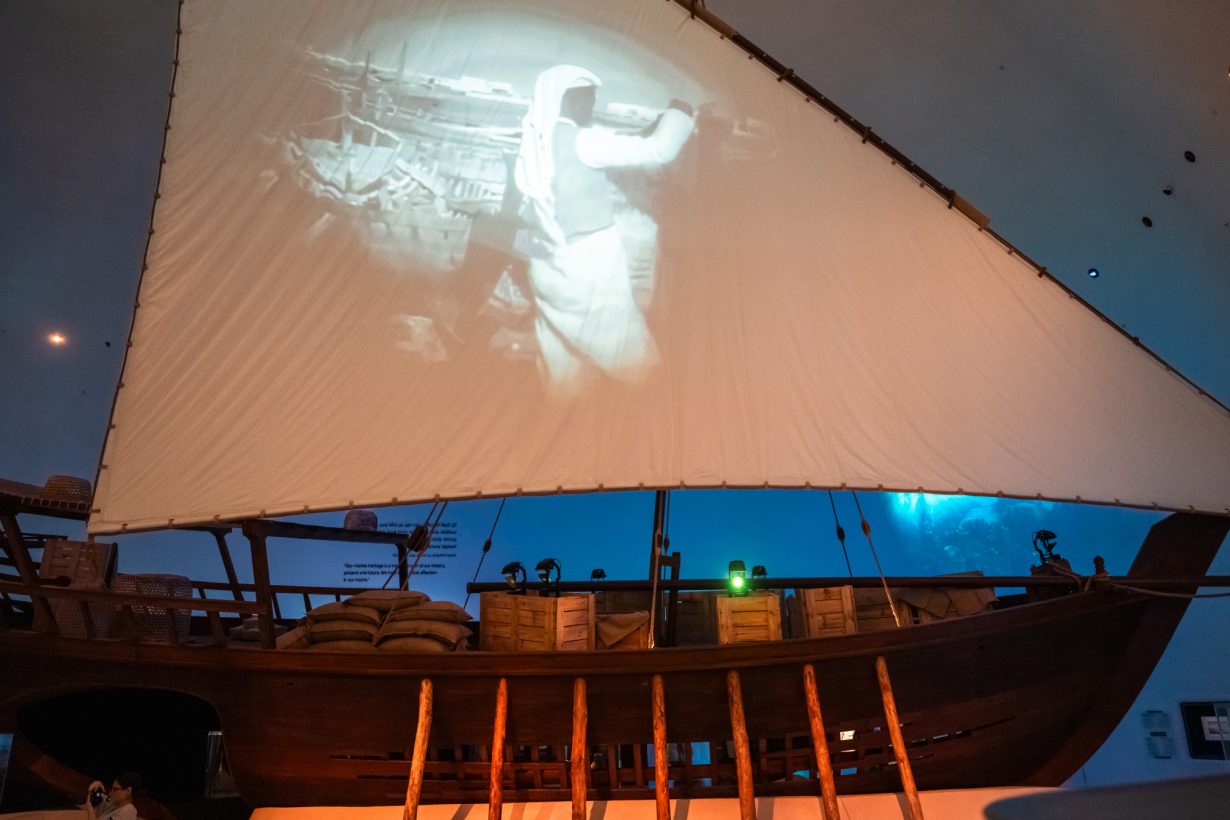
Elsewhere, the museum highlights how these historical trade routes shaped food, architecture and cultural practices within the UAE. The ninth-century Belitung shipwreck, discovered off the coast of Indonesia, is discussed in this section. Built in southeast Arabia using timber from Africa, the Arabian dhow was carrying thousands of Chinese ceramics westwards when it sank in the Java Sea. Jars of star anise – a popular ingredient in Emirati cooking today – were also recovered from the wreck, offering a reminder that cultural exchange often takes place through ordinary rituals and materials as much as through grand political histories.
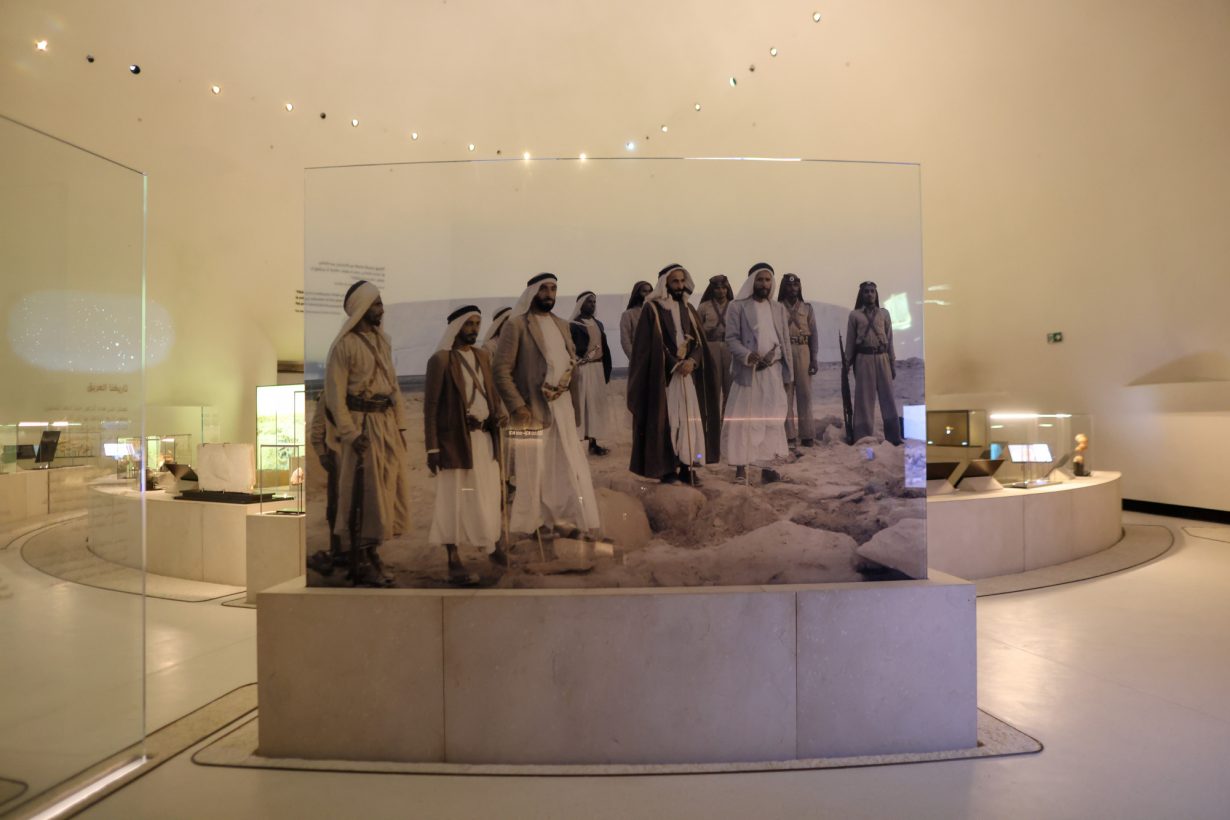
The museum’s broader narrative reflects Sheikh Zayed’s long-standing interest in archaeology and cultural preservation. He and his brother, Sheikh Shakhbut bin Sultan Al Nahyan, the then Ruler of Abu Dhabi, invited a team of Danish archaeologists to excavate sites on Umm an-Nar Island and around Al Ain, uncovering evidence of sophisticated societies that existed in the region more than 5000 years ago. These discoveries helped shape a national understanding of the UAE not simply as a modern state formed in 1971, but as a place with deep historical ties to surrounding civilisations.
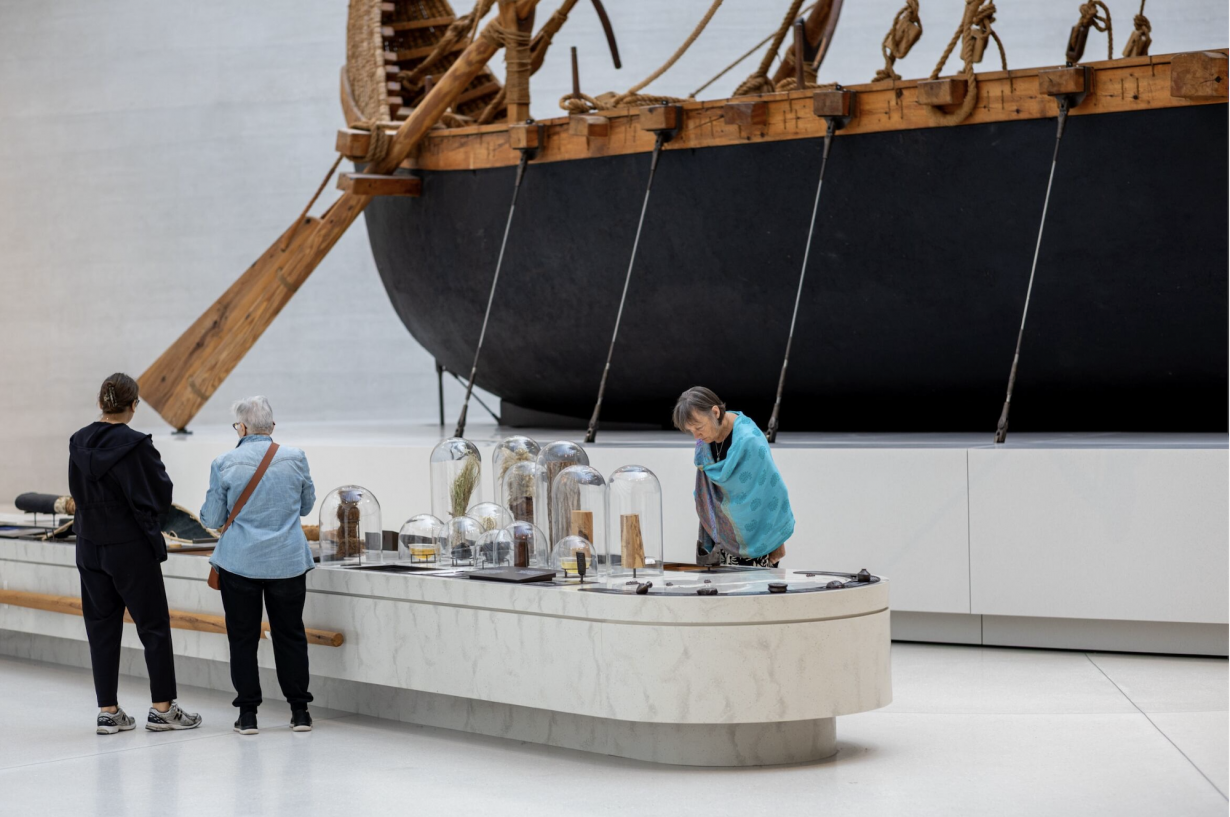
Today, that international outlook continues through the museum’s research initiatives and partnerships with institutions and scholars around the world. Since launching its Research Fund in 2023, Zayed National Museum has supported researchers working across archaeology, heritage and cultural history, reinforcing its ambition to function as a repository of objects, as well as a platform for ongoing dialogue between the UAE and the wider world.
As debates around national identity continue to shape museums globally, a nation’s history is shaped by interconnected as well as local narratives, a perspective reflected in Zayed National Museum’s presentation of the UAE’s history within broader regional and global contexts, including its long-standing connections with Asia and beyond. Its collections suggest that cultural identity in the Arabian Gulf has always been shaped through exchange – through objects carried across oceans, knowledge passed between travellers and merchants, and centuries of contact between communities positioned along one of the world’s most important maritime crossroads.