SoundCloud’s recently announced acquisition of NFT music platform Nina Protocol sounds the death knell for the illusion of tech’s utopianism in the arts, says Robert Barry
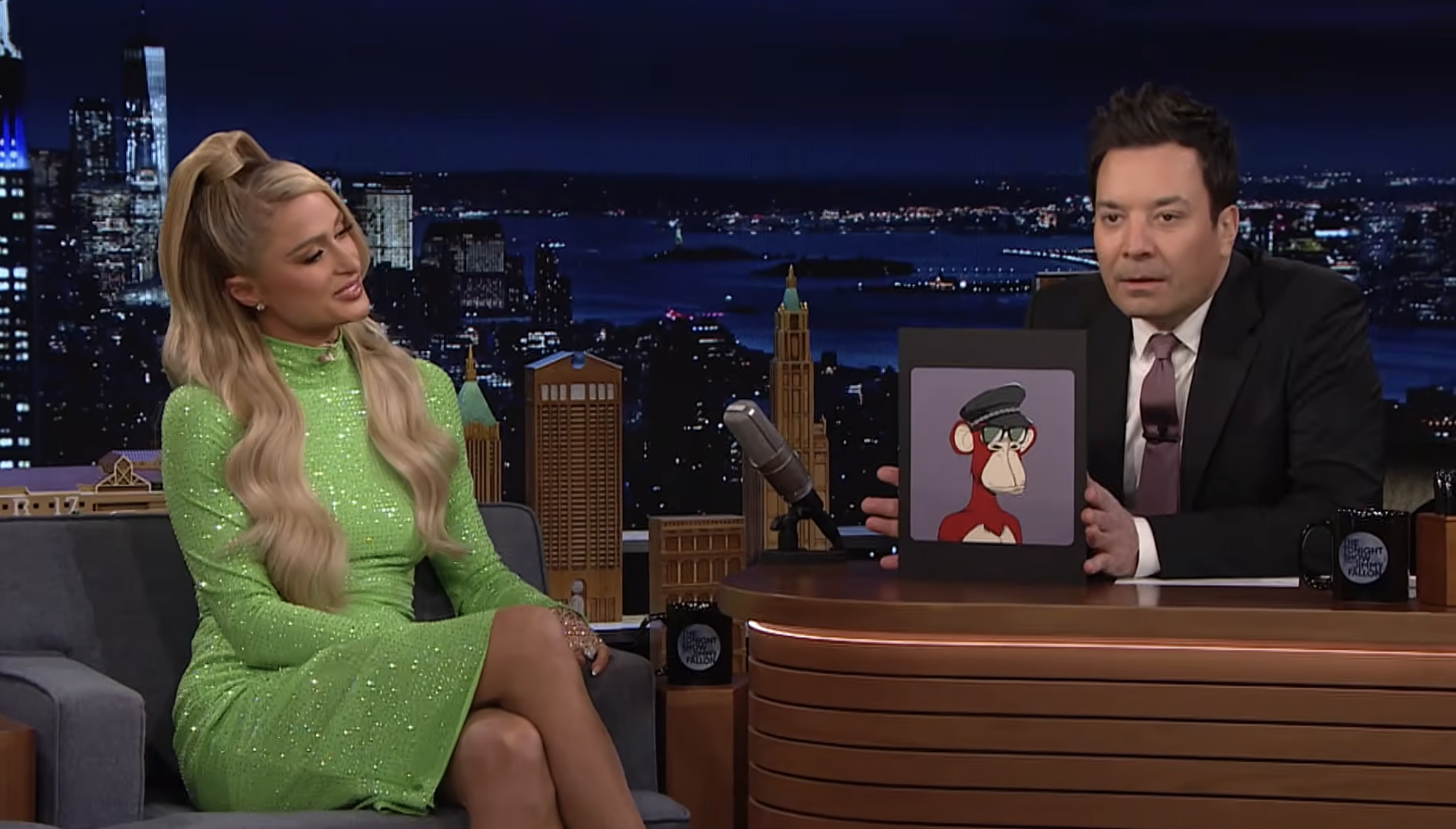
The NFT died today. Or yesterday maybe. I don’t know. It seems like only yesterday that an artist named ‘Beeple’ was breaking auctioneers’ records with the sale of an image file bearing no physical existence beyond an impossibly complex alphanumeric glyph stored on a virtual ledger distributed across an unknowable myriad of hardware servers from Svalbard to Singapore – an NFT. And yet what could be more foreign, more jarringly anachronistic than the doleful sight of Jimmy Fallon and Paris Hilton holding up overpriced images of cartoon monkeys on late-night television? A once much-shared social media post by a user named ‘toddkramer1’ lamenting ‘I been hacked. all my apes gone’ now resembles some terracotta tablet engraved in Linear B (that was a joke about Ancient Greek, by the way; not the AI productivity company).
We seem to be experiencing an especially high turnover of futures lately. In fact, the hype carousel of Next Big Things may well be approaching terminal velocity. Musicians of a mind to keep an eye on such things will recall, in that hazy postpandemic interregnum, a great deal of media noise anointing nonfungible tokens as The Answer. Here, we were told, was the much-longed-for solution to the collapse of the traditional music industry at the end of the last century. In December 2021, mere weeks before toddkramer1 mislaid his virtual primates, Time magazine touted the NFT marketplace as a ‘new model’ with the potential to offer musicians ‘financial stability, creative freedom and community all in one go’. The article, which followed similar panegyrics in Forbes, Rolling Stone and the BBC, cited a handful of case studies in which individual artists made thousands of dollars in cryptocurrencies selling selected tracks or shares in future royalties to fans and investors. ‘Time will tell’, the author Andrew R. Chow hedged, ‘whether music NFTs are a mere byproduct of a bullish crypto market or a transformative force destined to upend the music industry.’
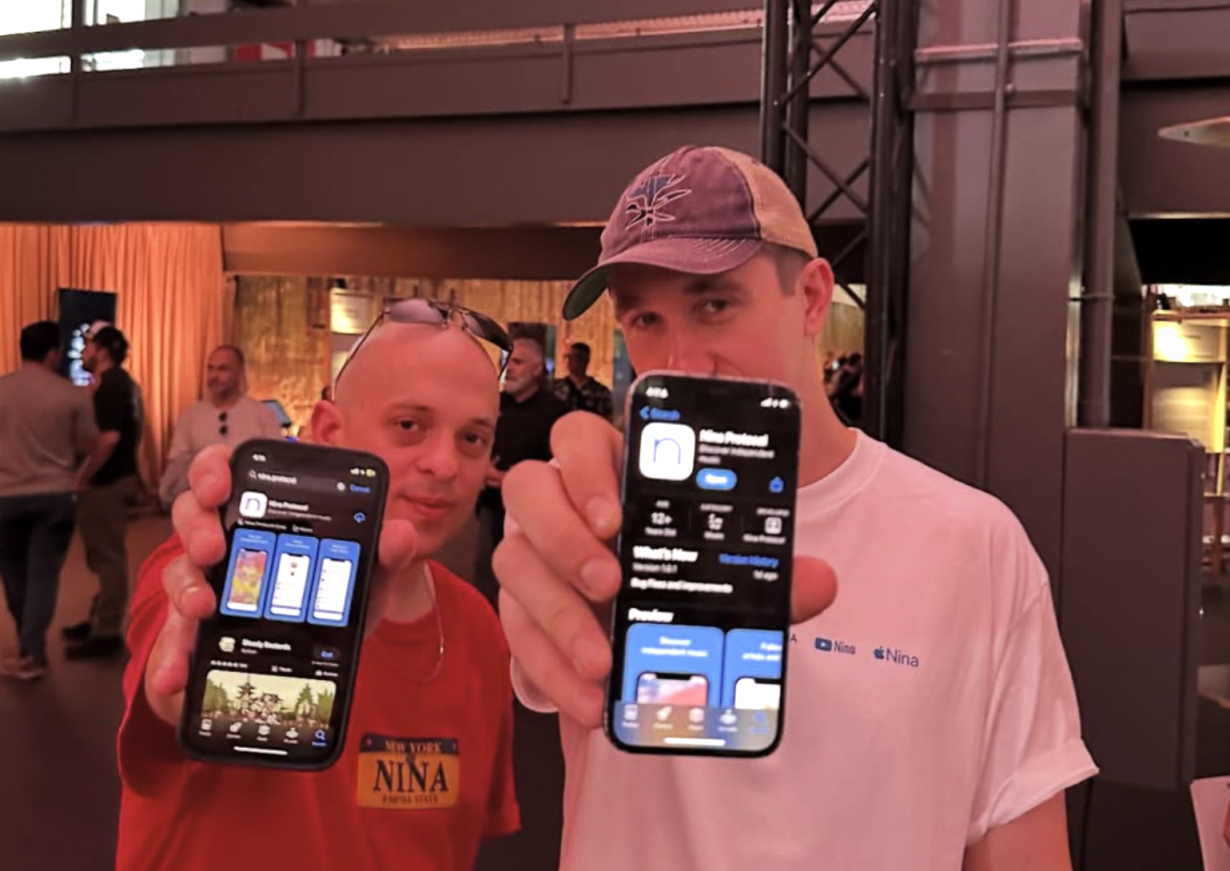
With the recently announced sale of NFT music platform Nina Protocol to SoundCloud, that conundrum may finally be resolved. Launched in New York, also in 2021, Nina Protocol promised to provide ‘infrastructure for the next 50 years of music’. It was variously touted as ‘a revolution in streaming’ (Rolling Stone) and an opportunity ‘to cut out the middle man of private profit-oriented companies’ (Dazed). Artists were able to upload their music for listeners either to stream for free or use a cryptocurrency called Solana to purchase digital ‘tokens’ promising ‘ownership’, alongside various sorts of perks and bonus materials. The founders tended to avoid any mention of the initialism ‘NFT’, but to all intents and purposes Nina Protocol was an NFT platform. It stored its transactions on the blockchain. It dealt tokens. Those tokens were in no way fungible (they could be sold and exchanged, but not substituted or subdivided).
It was never entirely clear why Nina Protocol – or any of the other various schemes promising to democratise the digital music marketplace around that time – had to use blockchain technology. On the site’s own FAQs, the decision is explained as an opportunity to ‘free [artist communities] from depending on the policies of private companies’. Nina Protocol tended to position itself as if it were something like a musician’s cooperative, altruistically sharing the wealth among its members, but it remained a privately owned company with funding from American venture capital firms and European crypto investment funds. The schtick is familiar from the original music industry disruptors, Napster, who were all proud pirates and thorns in the side of the major labels – until they took $85 million in private loans and had a later sale blocked by a US bankruptcy judge. Nina Protocol’s actual sale price to SoundCloud has not so far been disclosed, but none of the artists whose work populated the site will be seeing a penny of it. When pushed, the company’s founders expressed their desire to avoid what went down with the sale and migration of MySpace, when millions of songs disappeared from the web more or less overnight. Nina Protocol’s Arweave blockchain, they claimed, was ‘designed around permanent data storage’. At the time of writing, there is no way to access any songs via Nina Protocol; users are encouraged to migrate their artists’ catalogues to SoundCloud.
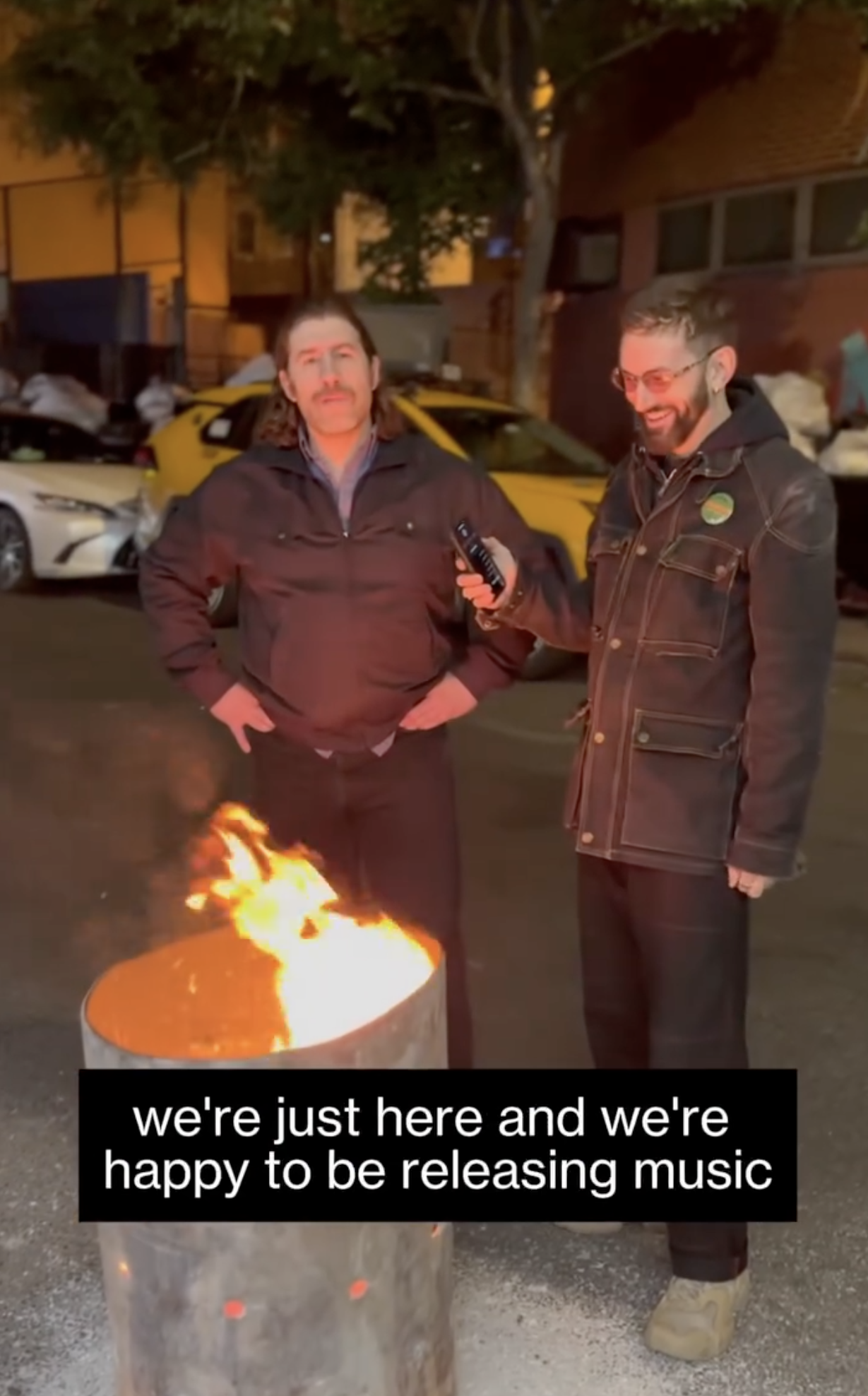
Because, despite all the hype, Nina Protocol shuttered its service in July this year. Its fire sale to SoundCloud should sound the death knell for the fantasy of democratising music via blockchain. Nina Protocol always felt like an attempt to tag a music streaming service onto the end of the NFT hype cycle. But even in their heyday, some blockchain boosters doubted that the tech would ever be a great fit for music. Now, with 95 percent of all NFTs apparently worthless, that fervour has dissipated – less a bubble than a hot air balloon. But tokenisation is just one in an ongoing succession of flash-in-the-pan technologies dangled with the promise to ‘save’ music through one neat technological trick. For over a quarter-century now, music has been presented as a problem to be solved and software as the solution to whatever that problem might be.
Let’s take the UK as a case study. While consumers now spend more on music annually than they did at the height of the CD era and the UK’s music industry contributes some £8 billion to the national economy, the connection between fan purchase and artist payment has been all but severed. The Musician’s Union reports nearly half of working musicians make less than £14,000 a year. By comparison, a fulltime employee on the UK living wage could expect a salary of nearly twice that, at £24,784. Add to that grassroots music venues in the UK and US closing in their droves – and it all paints a pretty stark picture. But I can think of no dire situation, historically, which was improved by the addition of baroque speculative financial instruments, whether that’s the broader art market’s erstwhile embrace of NFTs or disastrous blockchain-financed movie thrillers (one of which Variety called a ‘steaming pile of nada’). The tech bros got us into this mess, privatising and sacking our cultural media. Why on earth should we trust them to get us out of it?