The Singaporean artist turns everyday gestures into feminist acts that reclaim the body, labour and relationships as sites of personal autonomy
Cleaning mung bean sprouts, removing the black husks and breaking off the roots, is a humble domestic chore. A mechanical food prep task, it could be done in groups over idle chitchat, when such informal gatherings were more prevalent in Singapore’s old kampungs, or small villages. (In urbanised Singapore, the task is mostly confined within the household; in fact, my late grandmother used to outsource it to me when I was little.) Having a relaxed conversation while cleaning a pile of bean sprouts has become one of the iconic performance works by Singaporean artist Amanda Heng, who has staged various iterations of this work for the past 30 years.
Performed in malls and museums, Let’s Chat (1996–) has become a calling card of sorts for Heng. Its popularity and longevity, I would argue, is due to how charmingly inviting yet unforced it is, designing a situation that allows conversation to unfold unselfconsciously over a pleasantly distracting task. Dialogue is free-flowing – or in Heng’s words, “there is no leader”. Her art, which spans performance, video and photography, has an easygoing relationship with these mediums. During the late 1990s, she worked mostly in performance, and was part of the pioneer, male-dominated generation of contemporary artists in Singapore, including the late Lee Wen and Tang Da Wu. They were all part of The Artists Village, an influential collective known for its critical engagement with societal issues during the late-1980s and 1990s in Singapore, and for new modes of communicating local contemporary art, especially in performance, installation and process-based work. Unlike the heroic, grand-gesture works of her male contemporaries – Lee used to slather himself in yellow paint for his Yellow Man persona, for example – Heng tended to make quieter works that engaged with the position of women in society. The installation She and Her Dishcover (1991) featured the dishcover, associated with domestic work in the kitchen, placed on a table with a tablecloth printed with words celebrating autonomy, such as ‘choice’, ‘feels’, ‘joy’ and ‘speaks’. Playing on the similarities in sound between ‘dishcover’ and ‘discover’, the work acknowledges female labour and its spaces while emphasising art as a way of freedom and independence for women. She later left The Artists Village because of its hierarchical, male-led structure, to pursue other collaborations with women artists and to further her studies.
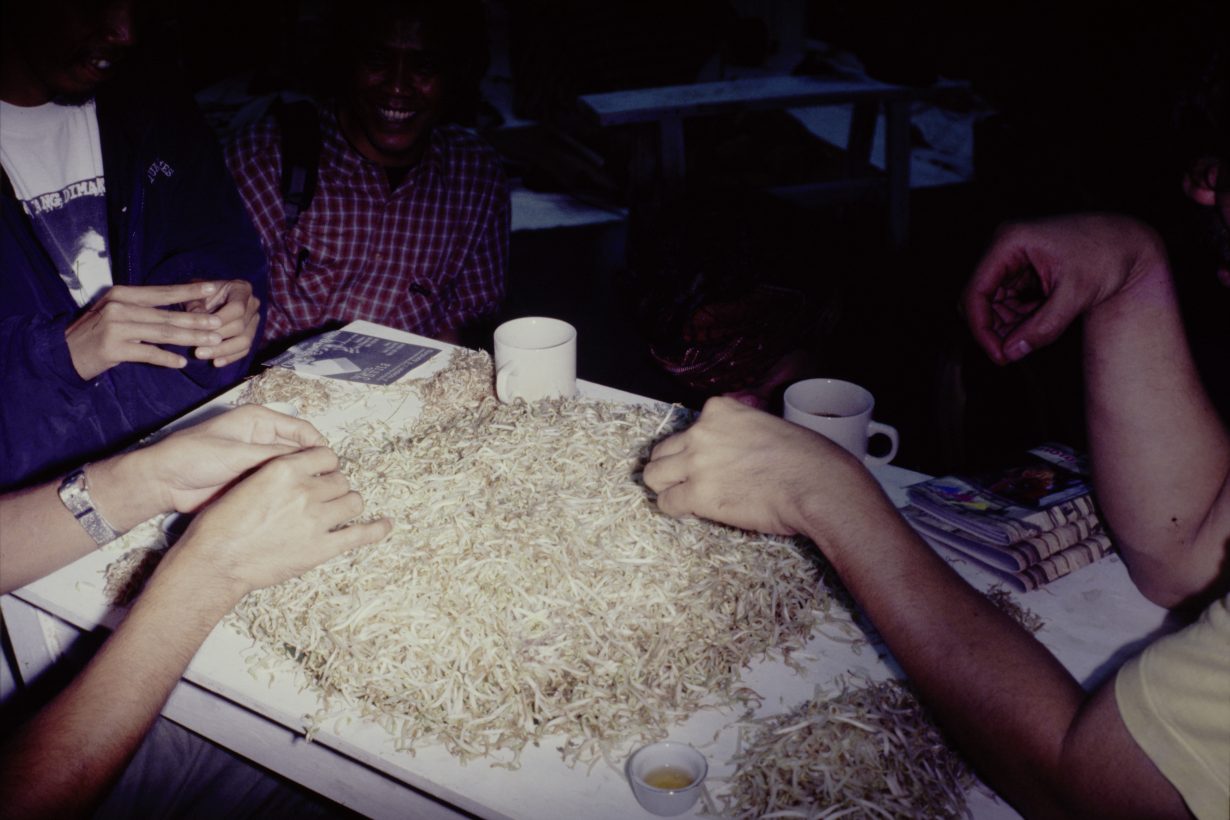
Singapore). Courtesy the artist and National Gallery Singapore Library & Archive
Heng, now seventy-four, is Singapore’s representative at this year’s Venice Biennale. Her exhibition’s title is A Pause, which Heng describes as a “site-specific installation and a durational performance” in which the viewer is invited to take part. “The space has an inviting mood and the audience is welcome to find a moment for themselves there,” she adds. Heng reveals that there will be a newly commissioned video titled A Pause (2025–26), filmed in collaboration with Venetian participants as they go about activities that provide a pause from the hecticness of daily life, such as watering plants, preparing breakfast, walking and looking up at the sky. Heng says that this continues her interest in “ways of rest in different contexts”, which she also explored in an earlier videowork, Best Time (2023–24), which follows the everyday rituals undertaken by Heng and two women living in Naoshima, Japan, as they farm, walk and perform household chores.
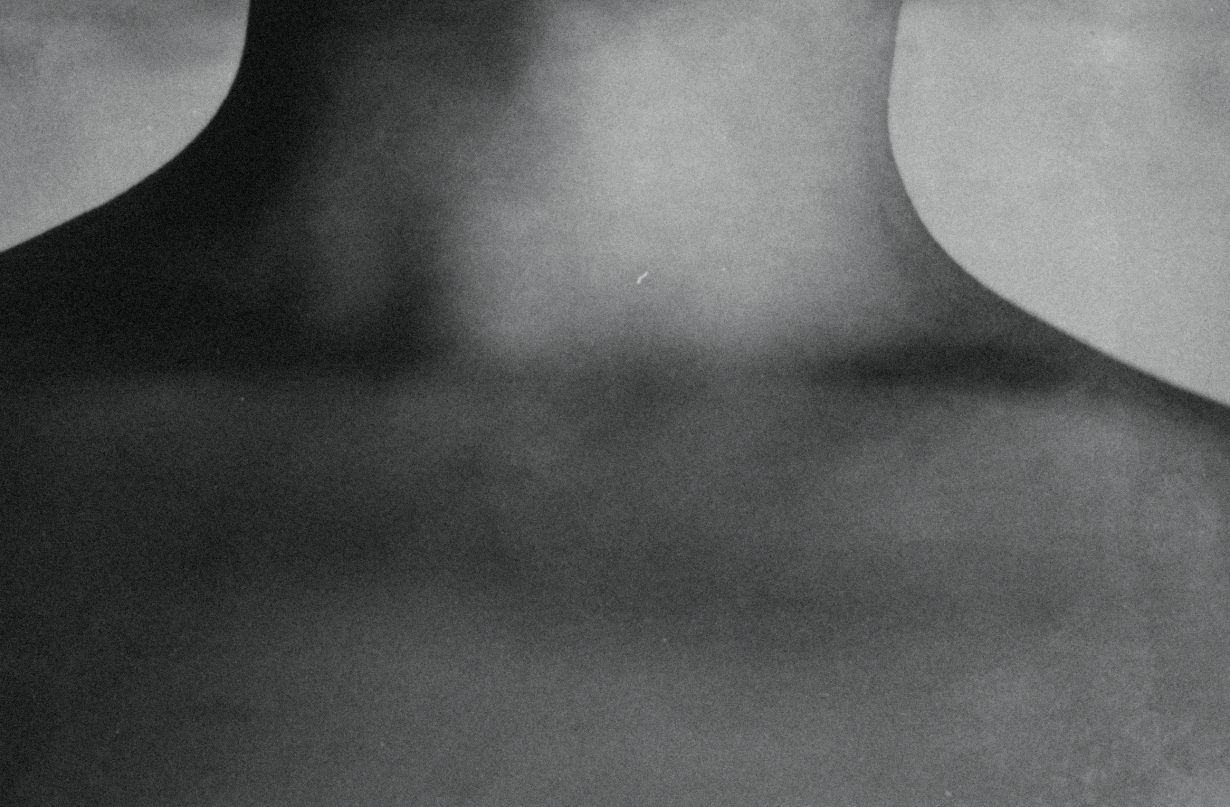
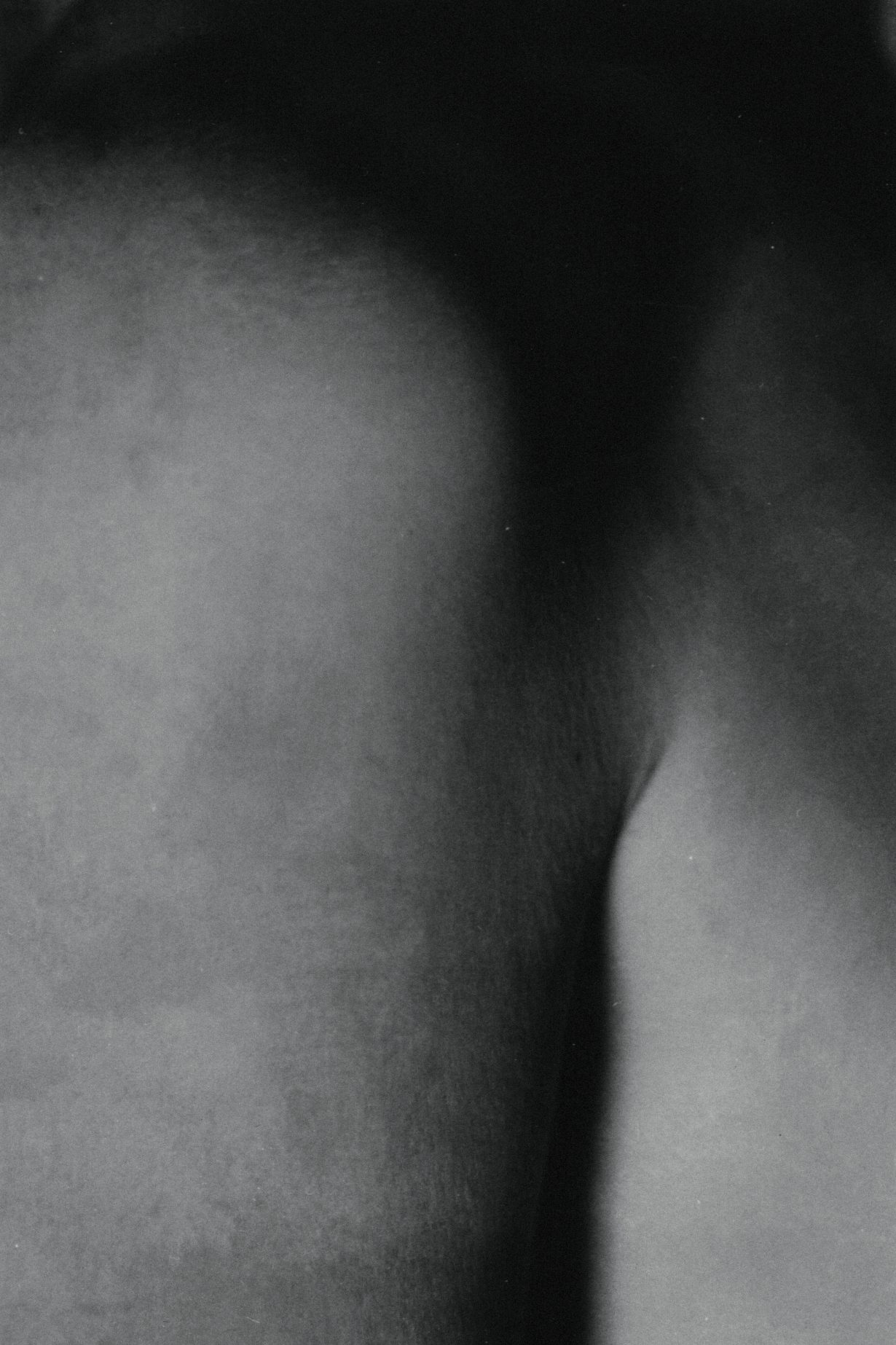
Also to be shown at the pavilion is an early series of photographs that illustrate the artist’s longstanding interest in embodiment. Parts of My Body (1990) features black-and-white closeups of Heng; detached and almost scientific in their treatment of the subject, these images of her clavicles, a dip in her hip or a crease in an unspecified joint convey the sense of a woman’s neutral self-regard and curiosity about her physical body. These works trace the beginnings of Heng’s career, which is inseparable from the feminist discourse developing in contemporary art in Singapore during the 1990s. After leaving her position as a tax officer in her mid-thirties, she studied artmaking in her hometown and then in Australia. In 1999 she founded the first artist-run women’s collective in Singapore, Women In The Arts (WITA), which ran women-focused forums, workshops and exhibitions out of Heng’s studio in Telok Kurau.
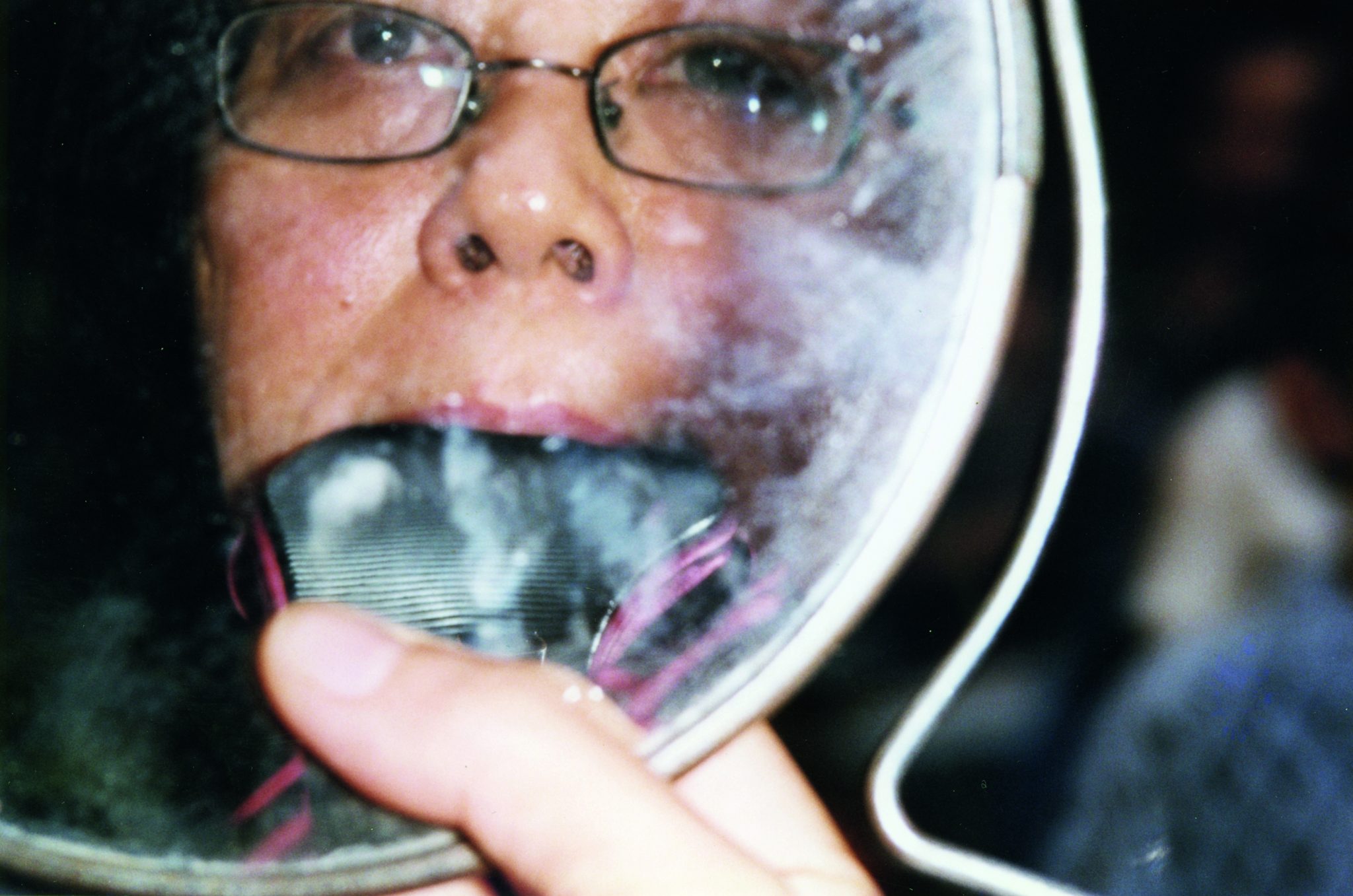
Before she began exploring the body’s potential for rest and renewal, Heng’s early practice focused on the constraints around the female body, in how it is perceived and disciplined. The longrunning performance series Let’s Walk (1999) was originally inspired by the news of female workers being the first to be fired in Asia during the 1997 Asian financial crisis, as well as a newspaper report that said women were getting beauty treatments and plastic surgery in order to keep their jobs. The combination of misogynist labour policies and women’s crippling beauty standards translated to a performance involving Heng and other participants walking backwards with a high-heeled shoe held in their mouths, with only a handheld mirror to navigate the streets.
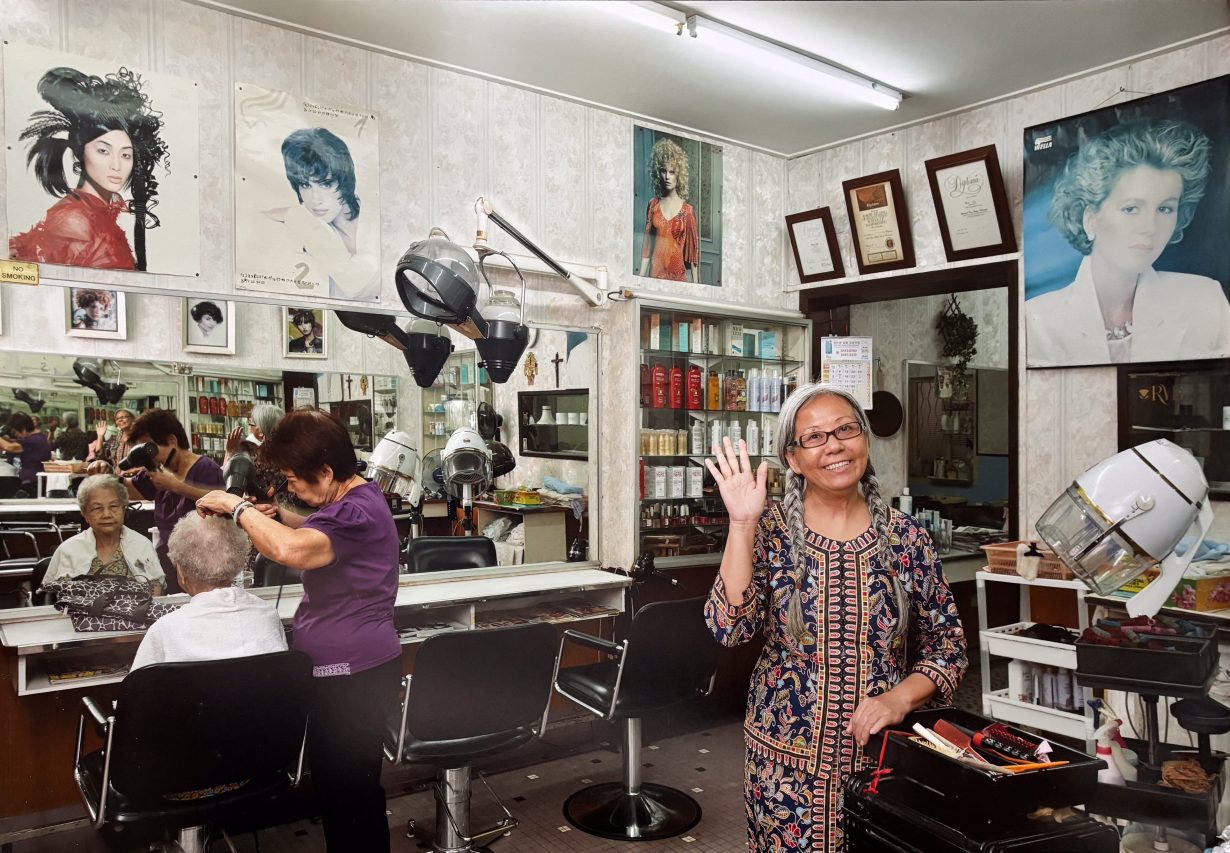
In her Singirl series of projects, begun in 2000, Heng appropriates the image of Singapore Girl, the flight-attendant figure that Singapore Airlines has been using as an advertising image since the 1970s. Dressed in a skintight Malay kebaya, this demure-sexy figure has been criticised for reinforcing stereotypes of subservient Asian women. In the photographic series Singirl Revisits (2011), Heng subverts the problematic image of the Singapore Girl by dressing up in the Singapore Airlines uniform, without makeup and with her grey hair woven into two braids; she is pictured against decidedly untouristy backdrops such as a coffee shop at Joo Chiat and the last kampung at Lorong Buangkok. Around the same time, Heng continued to assert a woman’s self-authorship and ownership over her body with the Singirl Online Project (2009–), in which she invited women over the age of eighteen to submit photographs of their bare buttocks to be uploaded to the website singirl.online, creating a body-positive wall of anonymous backsides of all shapes and sizes. Later iterations of the project included a photobooth for female visitors to submit their contributions on the spot.
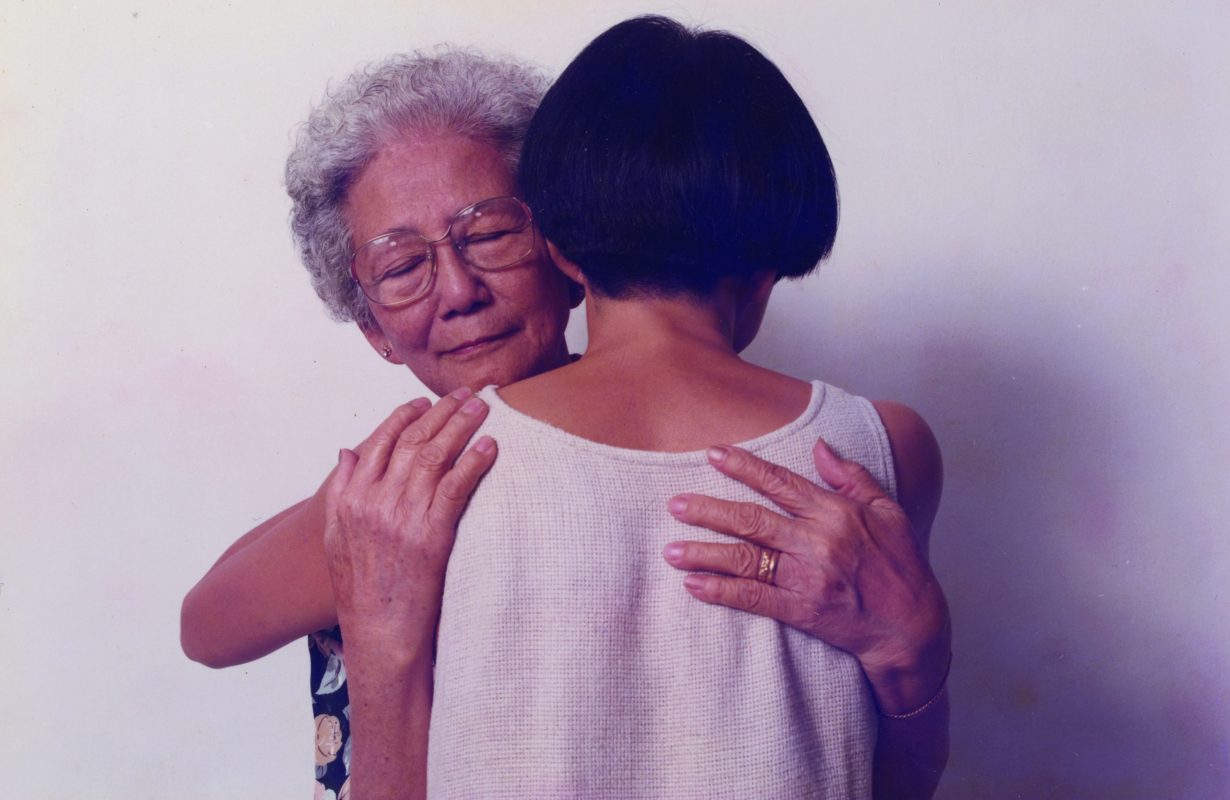
Her explorations of female relationships tap into a more intimate and emotionally nuanced vein. During the 1990s, her mother asked her to take her funeral portrait. Heng took the opportunity to collaborate with her mother on a series of photographs to explain her newfound calling. (“I gave up a job with a regular salary, I couldn’t explain to her in her dialect, so I thought making art with me was the best way to share what I was doing,” she explains.) Their experimentations resulted in Another Woman (1996–97), a tender-awkward photo series depicting both the closeness and distance between the two women. Whether embracing or simply facing each other naked, their contrast is stark: chic black bob juxtaposed with the older-Asian-lady short white-haired perm, serious artist versus gently amused, forbearing participant.
What they have in common, though, is the inevitable process of ageing. Over the next three decades, Heng continued to document the changes in both of their bodies, and the portraits became an acknowledgement of their shared mortality. The series Always By My Side (2023) shows both women with snowy white hair; Heng’s mother looks frailer. They embrace, pull funny faces, hold hands, sleep together, and in one image Heng kneels and puts her seated mother’s feet on her shoulders, a pose inspired by the physio exercises they practised together. Heng’s mother died in 2023 at the age of ninetyeight, a few months before Heng opened an exhibition at Naoshima’s Benesse House Museum, where she showed these images for the first time as part of a presentation that marked her winning the Benesse Prize in 2020.
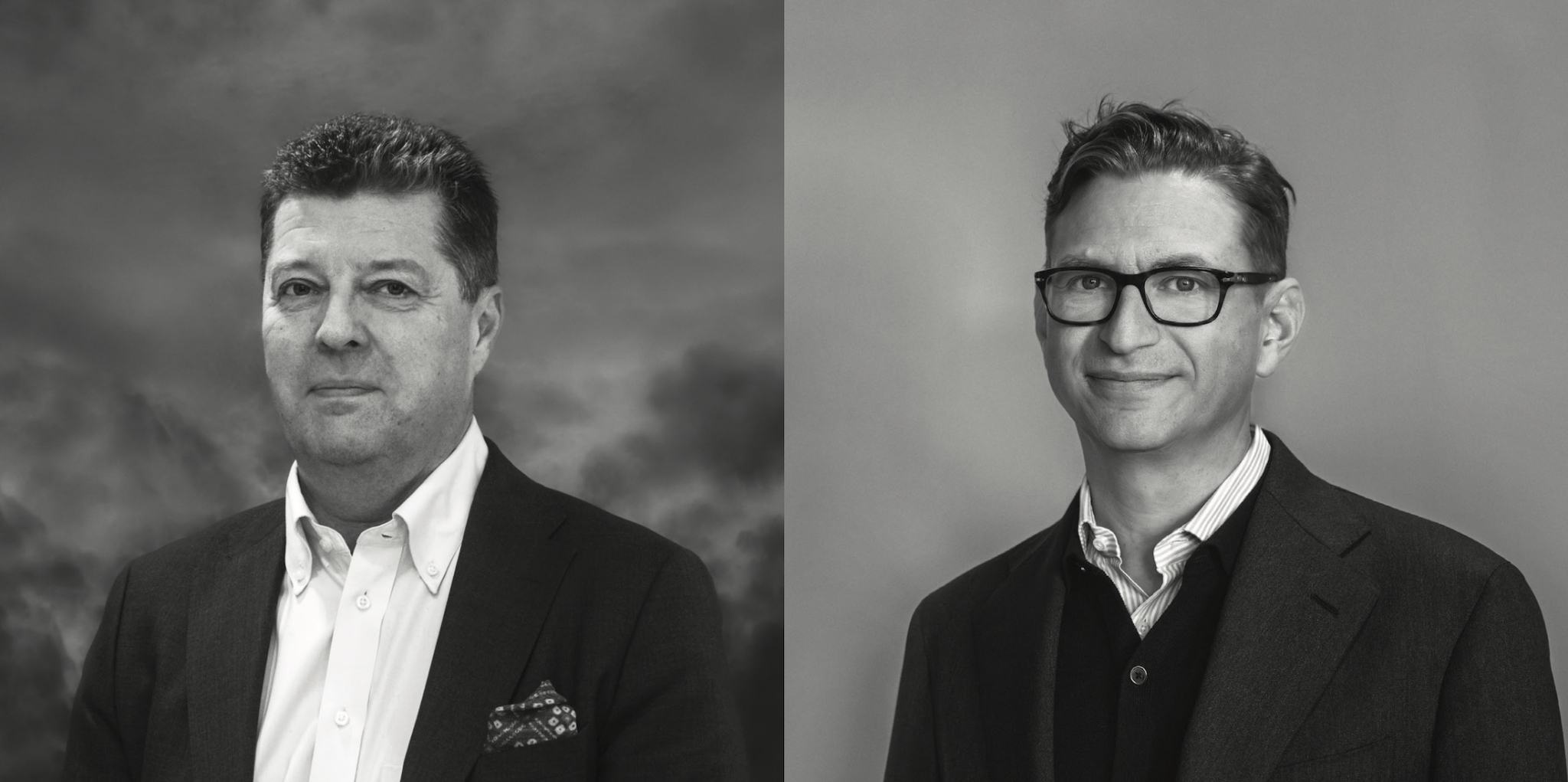
The Singapore Pavilion’s curator, Selene Yap, observes that in the later part of her career Heng has been “moving away from the charged immediacy of live performance towards a slower, more interior mode of attention”. Indeed, her more recent works involve collaborating with participants in mundane, everyday actions to open a space for reflection. For the Singapore Biennale 2019, she conducted a two-day walking workshop with participants, in which they explored the meditative practice of walking by plotting out routes of personal significance across the city. The participants were then filmed walking that path, with Heng walking behind them in silence. One woman, for example, recalled the bus journey she used to take on her wheelchair from her home in Punggol to Changi Hospital, while she was sick and couldn’t walk, to receive treatment. She recreated the journey on foot, which cut across industrial estates and took three to four hours. Another participant – a young woman – said her father used to take her on walks around her housing estate as a child, but stopped doing so after she grew up. For her performance, father and daughter, hand in hand, retraced those childhood strolls.
The line between art and life has always been blurred for Heng. Her work is informed by, or perhaps inseparable from, her study of Buddhism and the Zen tradition, as well as her tai chi practice. Mundane actions of walking and talking, done mindfully, become therapeutic vehicles for expression, a means of “sharing your innermost language”, without which, she says, “you are just a corpse”.
Amanda Heng’s project for the Singapore Pavilion, A Pause, is on view as part of the 61st Venice Biennale, 9 May – 22 November
From the April & May 2026 issue of ArtReview – get your copy.