“I don’t see much difference between what these learning models are doing and what I’m doing”
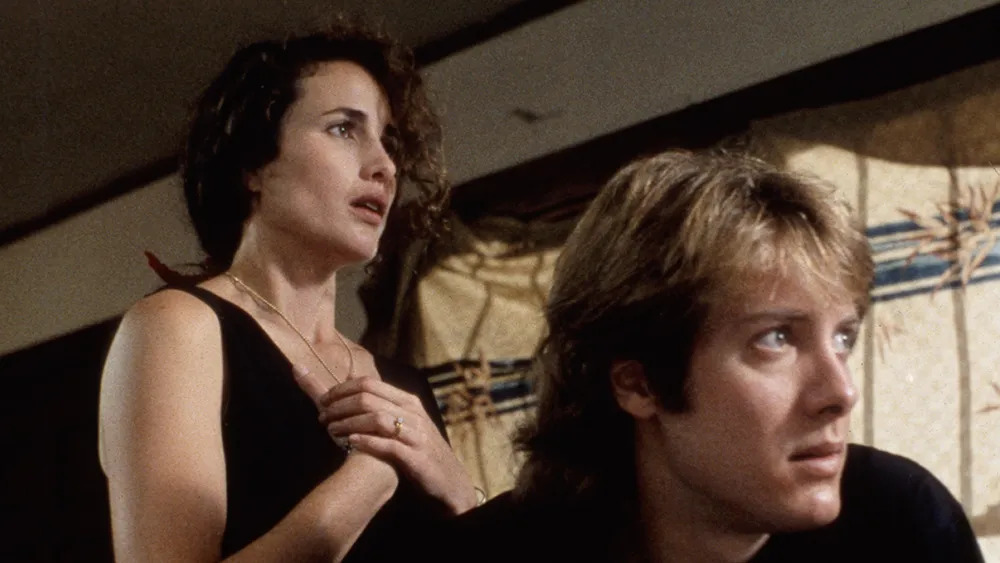
When Wim Wenders presented Steven Soderbergh with the Palme d’Or at the Cannes Film Festival in 1989, he praised the twenty-six-year-old’s debut film, sex, lies, and videotape, saying it gave him “confidence in the future of cinema”. Almost four decades later, with films including Erin Brockovich (2000), the Ocean’s trilogy (2001–07), Contagion (2011) and Magic Mike (2012) to his name, Soderbergh is still looking to the future of cinema.
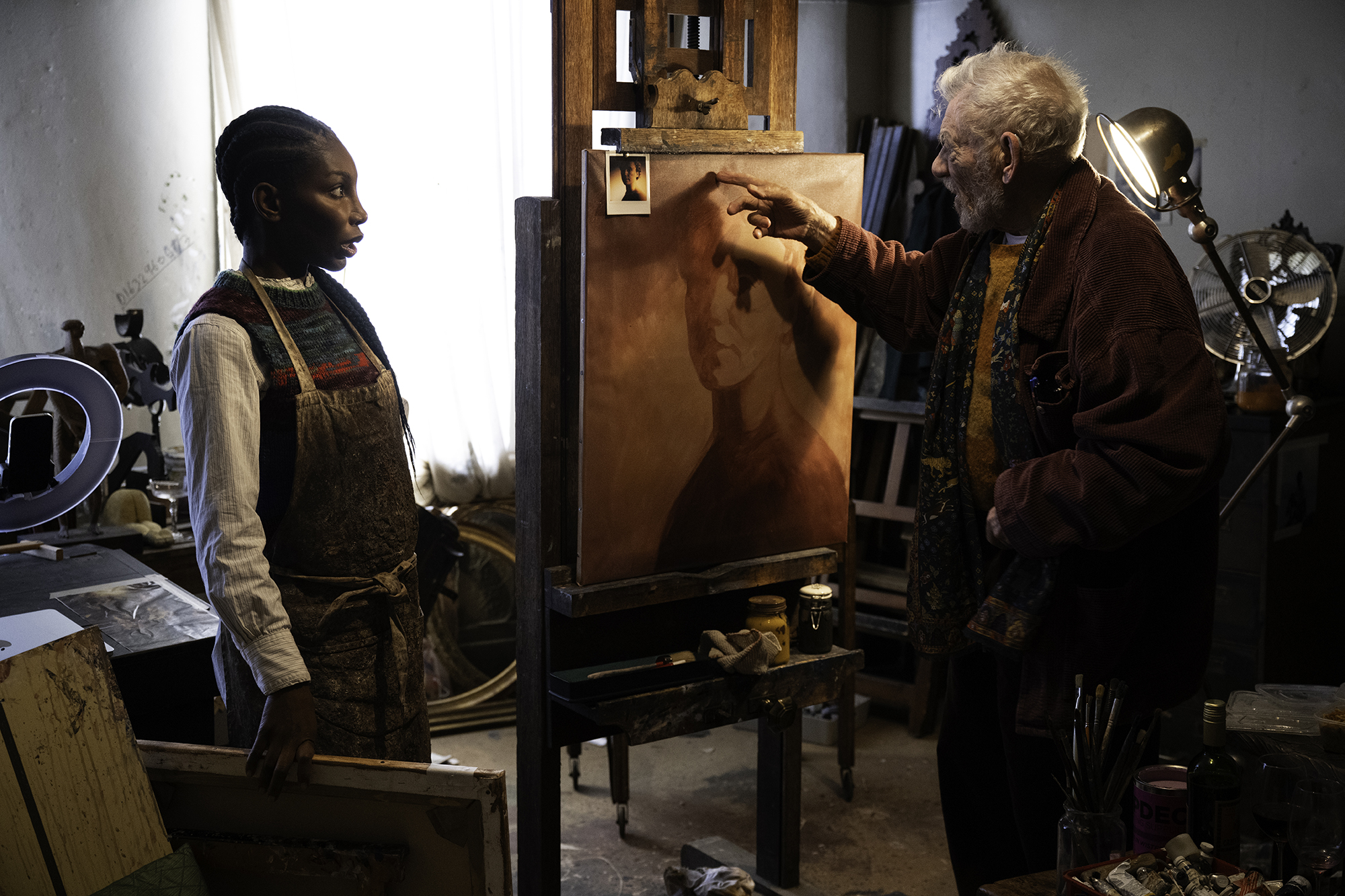
Soderbergh’s filmography dances between genres: comedy (Full Frontal, 2002), sci-fi (Solaris, 2002), historical (Che, 2008), for example. His films aren’t known for being VFX-heavy – he is seen as a midway point between small indie projects and big studio movies – but throughout his career, Soderbergh has been excited by the creative opportunities technological progress can unlock. His 2018 thriller, Unsane, for instance, was shot entirely on an iPhone. In recent weeks he has prompted controversy with his use of AI. For his upcoming documentary on John Lennon, he relied on AI to create dreamlike imagery to illustrate Lennon and Yoko Ono’s philosophical conversations. His new film, The Christophers (2025), follows a cantankerous artist (Ian McKellen) and the young assistant (Michaela Coel) tasked with forging his famous but unfinished works. Given that the film concerns originality and ethics in painting, I was curious to unpack his views on how we make and receive works of art. I spoke to Soderbergh over Zoom earlier this week.
What’s in a Name?
ArtReview Let’s start with The Christophers. It’s a film about artists and about the creative process. What attracted you to that subject matter?
Steven Soderbergh All I described to Ed Solomon, the writer, was ‘Older artist at the end of his career. Young assistant, also an artist, comes to work for him under circumstances that seem suspicious.’ That was it. So it could have gone any number of ways.
I’m interested in how we imbue artists with certain characteristics that may or may not be accurate. And so this seemed like a really simple but elegant way to get into that idea of why, if somebody makes something that we love or that we think is beautiful, we attribute some kind of superpower to them. When at the end of the day, as talented as they may be, they’re just people.
AR A central question of the film is that of authorship and whether or not it really matters who creates a work of art. I thought that was interesting, given that you quite famously don’t put a possessory credit on your films, and you’ve spoken out against the auteur archetype in the past. Do you think that a personality myth hinders how we respond to art, of any form?
SS When I see a certain kind of film, especially one that seems to generate some amount of controversy, I can’t help but wonder, well, if there was a different name on this and somebody else had made it, would we be having this conversation at all? And if we were, what kind of conversation would it be? And it becomes especially complex and interesting when you get into art that sort of touches on the idea of the gaze, whatever the source of that gaze is, whether it’s a male gaze or a female gaze, or whether that gaze is tilted towards some other lens. That stuff’s really, really interesting to me, as is the idea of authorless text, especially when it comes to artists whose aesthetic and sensibility are so specific that they become adjectives. And you begin to wonder, as you look at their work over time, if you put somebody else’s name on one of their works, would people say, ‘Well, this just looks like a parody of the work that this artist has done before.’
I had an idea for a while of creating a directorial pseudonym and making a movie in as much secrecy as possible and trying to get it into a festival to see what kind of response it would get. When I floated this idea to the Directors Guild, they were a little bit aghast. I didn’t follow through on that, but I don’t know that I’ve abandoned that idea completely.
AR I think the natural followup question to that is, what adjective do you think people put on your name?
SS I honestly don’t know what it would mean for somebody to invoke my name as an adjective in describing something, because it could mean anything. From the beginning of my career, I’ve been very open about the fact that I wanted to make a lot of different kinds of films.
That’s one of the reasons that I’ve been resistant to the idea of a possessory credit, in addition to me feeling like it’s redundant. I felt like that puts you in sort of ‘brand’ territory and I don’t want to be there. I want to have options. As Orson Welles said once to a journalist, ‘I’m the bird, you’re the ornithologist.’
A Question of Taste
AR There’s a line in The Christophers where Julian (Ian McKellen) says, “To judge art, it takes the skills to create said art.” I was watching the film in a room full of critics, which made me giggle a little. You’ve said you don’t read your reviews. What is the role of criticism, be it for film or art? Is it important for financial reasons? Is it important for cultural understanding? Or is it actually pretty reductive?
SS If we’re talking about movies, the role of criticism has changed a lot since I started making films. And unfortunately not for the better. It’s axiomatic that if movies don’t matter the way they used to, then movie criticism doesn’t matter the way it used to either.
There’s no question that when I was growing up and starting to make films, reading criticism was incredibly helpful to me in developing my taste. Reading Pauline Kael as a teenager, I found her way of looking at things interesting, whether I agreed with her or not. But it didn’t make me want to be a critic or write about movies. It just made me think about movies in a different way, which is the best version of a critic.
Occasionally I read reviews of other people’s work and I will be reminded when somebody is talking about a film – especially when they talk about something being ‘stylish’ – that the reading is pretty superficial because they’ve never been inside of it and don’t understand the process that happens when you make a movie.
It’s not something that I would expect of a critic any more than you would expect me to be able to break down the intricacies and subtleties of a sport that I have never played. At a certain point, you’re either on the field or you’re in the stands watching. And so that’s the sort of line of demarcation. And if you’re not down on the field, there are certain things about it you just won’t ever understand.
AR But I suppose the metaphor ends when we think about the influence one side of the stand has. For example, how well a film does or does not at the box office could depend on critical reception.
SS That used to be true. It’s not true anymore. I think it has an impact on a movie like The Christophers. But beyond that, beyond a certain kind of arthouse context, it’s clear that people have made the decision of whether or not to go long before the reviews come out.
Criticism doesn’t have the impact it used to because movies have changed and mainstream audiences’ tastes have shifted. And at the end of the day, it’s the artist’s job to adapt. If everything you make is losing money, you’ve got to sit down and have a blunt conversation with yourself and say, ‘Okay, I seem to be somewhat out of sync here in terms of the ideas that I have, the resources required to execute them and the interest level on the part of the audience to see that.’
Because if you keep doing that over and over again, nobody’s going to pay for you to go make a movie. It’s not like being a painter. You can’t just go to the wall and start. You need money.
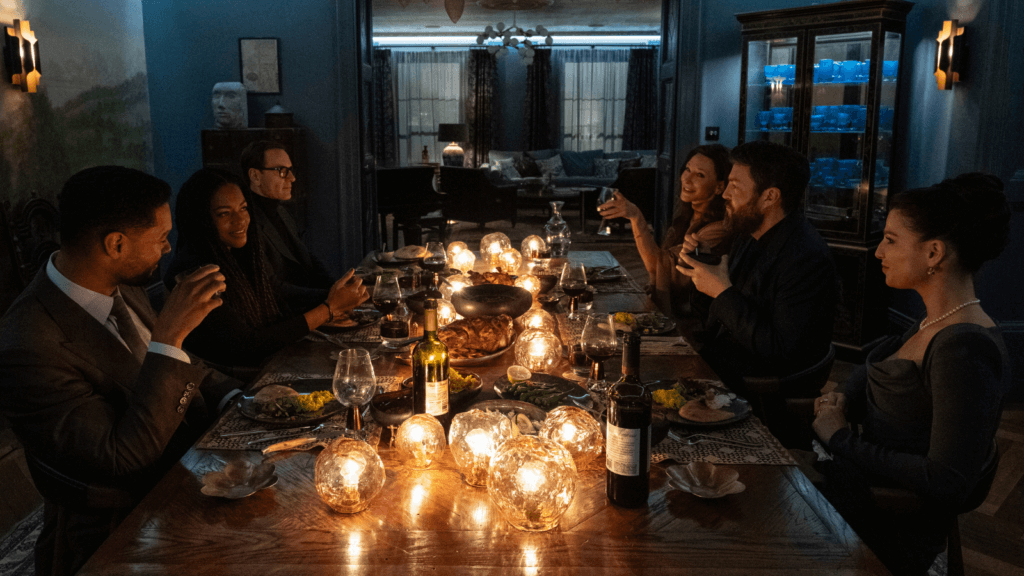
AR You say audience tastes have changed. Is there not an argument that audiences are frankly being offered a narrower range of cinema? And to broaden the question out: you are associated with being a bridge between indie productions and larger studio films. There’s been a lot of talk for a long time now about the return to the heyday of the 1970s, the mid-budget film, which at the time was very popular with audiences. And those are the films that have really stuck around in the cultural memory. Do you think that’s possible? Or have we just moved past that possibility culturally?
SS It’s a little bit of chicken and egg. But the bottom line is that the kind of movies we’re talking about, mid-range-budgeted movies for adults – those people are not leaving the house in big enough numbers to make those movies work, generally speaking. They just aren’t. They’re older. They have kids. It takes a lot. The numbers don’t lie.
In the US, the only growth area in movie attendance is with young people, actually, twenty-five and under, who got obsessed with Letterboxd during COVID. That audience is growing. But to what degree is that audience interested in something like Black Bag [Soderbergh’s 2025 film, which performed disappointingly at the box office], which at its core is about a long-term relationship and a marriage of a type that nobody who’s twenty-five has experienced?
I can tell you that, as somebody who’s right now, again, in the position of trying to get a movie set up that is in the mid-range area and is for grownups, it’s really grim.
Automation & Supervision
AR I want to go back to the question of ownership and authorship. You’ve famously worked on other people’s films. I’m thinking of your Psycho mashup, your silent, monochrome version of Raiders of the Lost Ark with the score from The Social Network, your personal edit of Heaven’s Gate. What are your views about who owns art? Once it’s out in the public, is it still the work of the artist? Is it just the studio’s? Is it everyone’s? Are we allowed to do what we want with art?
SS I guess my attitude regarding my desecration of other people’s work is as long as I’m not presenting it as anything other than what it is, and I’m not taking money for it, then I feel like that’s fair. If somebody wants to do that to my work, as long as they’re not charging for it, have at it.
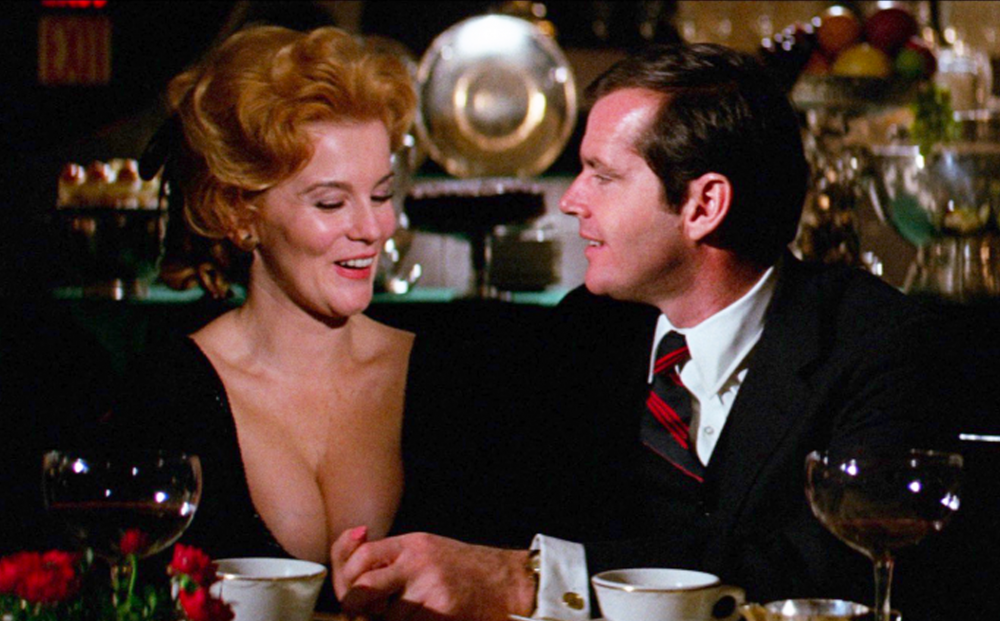
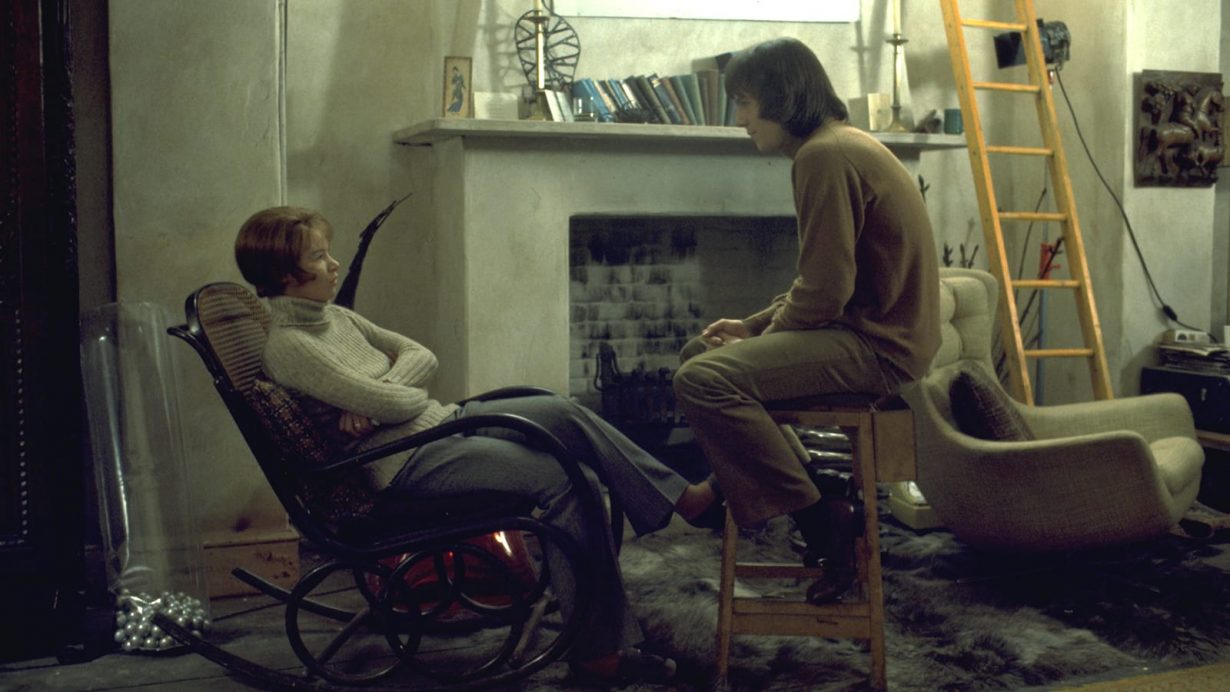
If I say the biggest influence on The Christophers directorially was John Schlesinger, particularly Sunday Bloody Sunday, what do I owe John Schlesinger and the copyright holder of that film? What I feel like I owe them is attribution, and not pretending that I didn’t steal from John Schlesinger. My whole career, and I think anybody’s career, is built in reaction to things that already exist. Everybody’s been standing on somebody’s shoulders forever. My attitude is just to be open about it. If Jules Feiffer and Mike Nichols don’t make Carnal Knowledge, I don’t know that sex, lies [and videotape, Soderbergh’s debut film] exists.
I do believe that it’s out there to be integrated into the ocean of art that grows every day. We’re into some really interesting discussions now about all this due to the rise of AI. I’ve been very vocal about the fact that I don’t see much difference between what these learning models are doing and what I’m doing.
I have two criteria that I used on the [John Lennon] documentary that I just finished that I think anybody should use when they’re considering AI as a tool: is it necessary? And is it better? That’s really what it comes down to.
AR You’ve sparked debate with your comments on AI in the last few weeks. I guess there is an argument that it is possible to do without AI by hiring a human to do those things. Which obviously costs more money, but it is possible to do. It would come from human inspiration rather than a machine. That goes back to the fundamental question of what art is. And while enlisting AI might be cheaper in the short term, perhaps it threatens the sustainability of the industry in the long term.
SS This is what I’m talking about when I talk about necessity. And that each situation is specific. In the debate, there’s a template that goes on top of every project that has to be adhered to. In the case of the Lennon doc, it wasn’t a case of ‘I can either hire these people or use these tools’. If I don’t have these tools, I don’t have the money to hire anybody. I can’t even finish it. That’s what I mean by necessity.
In this case, I have to either figure out how to use archival material for these sequences, which seems really suboptimal to me, or I use these tools. There was no option of hiring a bunch of people to create what are essentially VFX sequences. So nobody lost work here.
The second thing I’ll argue is we don’t know how this is going to shake out. People are making assumptions that I don’t think you can make. Most importantly, there’s the very real issue of when it becomes technically possible for anybody to make something that is quote unquote ‘perfect and polished’. At a certain point, the value of something that isn’t perfect and isn’t polished and has all of the sort of idiosyncrasies and singularities that an individual has will suddenly become more valuable. This is a pendulum. I think it’s suspect for anybody right now to say that they’re positive that this is a secular shift as opposed to a cyclical shift.
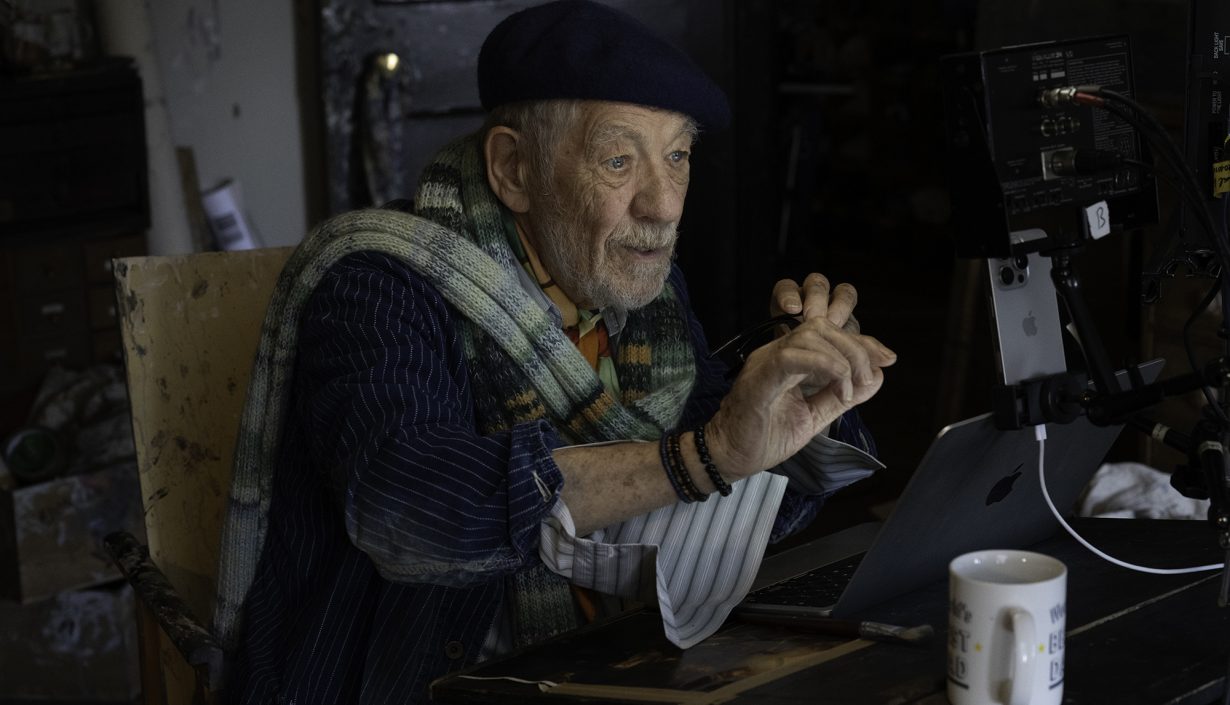
Here’s what I can tell you. This shit still needs a lot of human supervision. You don’t just put a coin in and the machine spits out what you want. And I think there’s just as much chance that two years from now people will look back and say, ‘Wow, that was a weird phase we all went through’ as there is of it becoming the standard default mode for creatives. The only way to figure this out is to engage and work out what it can and can’t do, what it’s good for, what it’s not.
If you’ve read my comments, you’ve also heard me say that the larger, very serious philosophical issues about AI in our lives outside of a creative context are bleeding into this conversation. People’s reactions to the term right now are so loaded and so emotional because most of their experience of it seems to be negative. But again, every artist gets to decide how they want to treat it, but I don’t think anybody should be shocked looking at my resumé that I want to see how this stuff works.
AR Putting aside all the ethical questions, it seemed to me that it would make sense for you given your interest in exploring new technology. For instance, shooting Unsane on an iPhone. What’s the relationship between technological advancement and the creative process for you?
SS The question, for me, has always been: how do I get a version of the thing in front of me that represents what I’m trying to accomplish quickly? And so there are certain tradeoffs that exist where, yeah, I can see it faster, but it may have a different feel or different quality. Those are very real decisions that you have to make as an individual artist.
At the end of the day, it’s just about how it feels, you know? How do I feel when I look at it? I’m aware of what the technology can do for someone who wants a shortcut and is perfectly comfortable representing themselves as the sole author of something that they used a lot of these tools to create. I’m not that person. All I owe anybody is good work and the truth, and the rest of it will fall the way it’s going to fall.
Read next Park Chan-wook on How Photography Became an Antidote to Filmmaking