Our editors on the exhibitions they’re looking forward to around the world this month – from Tokyo and Taiwan to London and Zürich
London
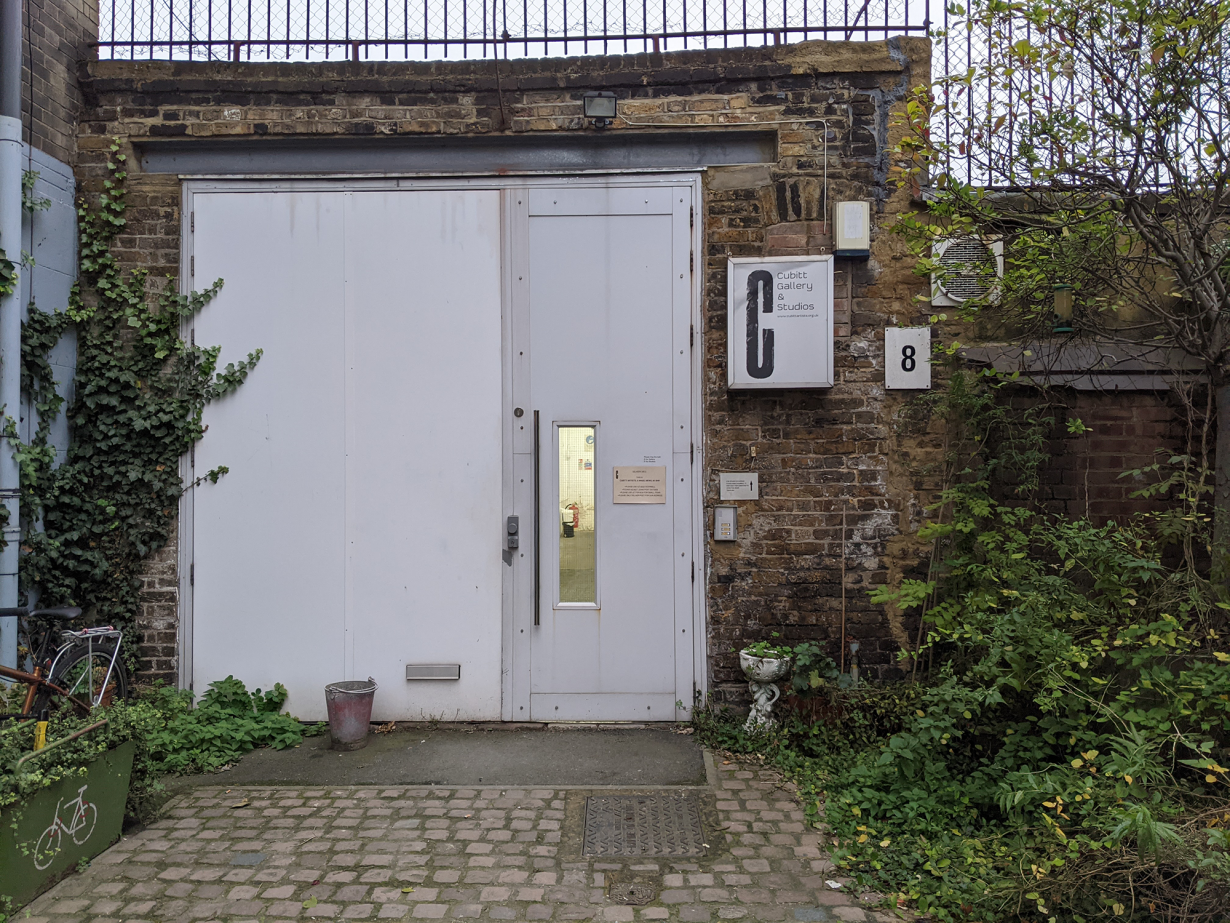
It’s a depressingly familiar story: in January of this year, project space and studio provider Cubitt got notice that, after three decades on site, their lease would not be renewed later this year. It’s notable that Cubitt is, as the organisation puts it, the ‘last remaining artist-run studios and gallery in central London’. Cubitt set up in 1991 as a cooperative studio in Goods Way of London’s King’s Cross before moving to Angel in 1994; it eventually started holding exhibitions and hosting a rolling curatorial fellowship. The organisers seem determined to continue, fundraising for their future site and holding an open call for the next curatorial fellow. Later this month, their last show in Angel opens: a display of archival materials from a wealth of great exhibitions (Tris Vonna-Michell, Helen Cammock, the Design Research Unit and the Street Fighter-themed Here Comes a New Challenger shows all come to mind) and notable studio holders (Janice Kerbel, Ingrid Pollard, Peter Doig and on), alongside a new showing from Anne Tallentire’s ongoing installation series Setting Out (2018–present). Setting Out,, which has in previous iterations transposed architectural measurements of social housing onto gallery walls, here takes stock of another soon-to-be-extinct space: the gallery’s own dimensions. Go see a bit of London artist-run history amid a narrowing window for experimental exhibitions, as the city centre continues to remake itself in the image of a Victorian-cosplay shopping mall. Chris Fite-Wassilak
Cubitt, 26 June – 28 September
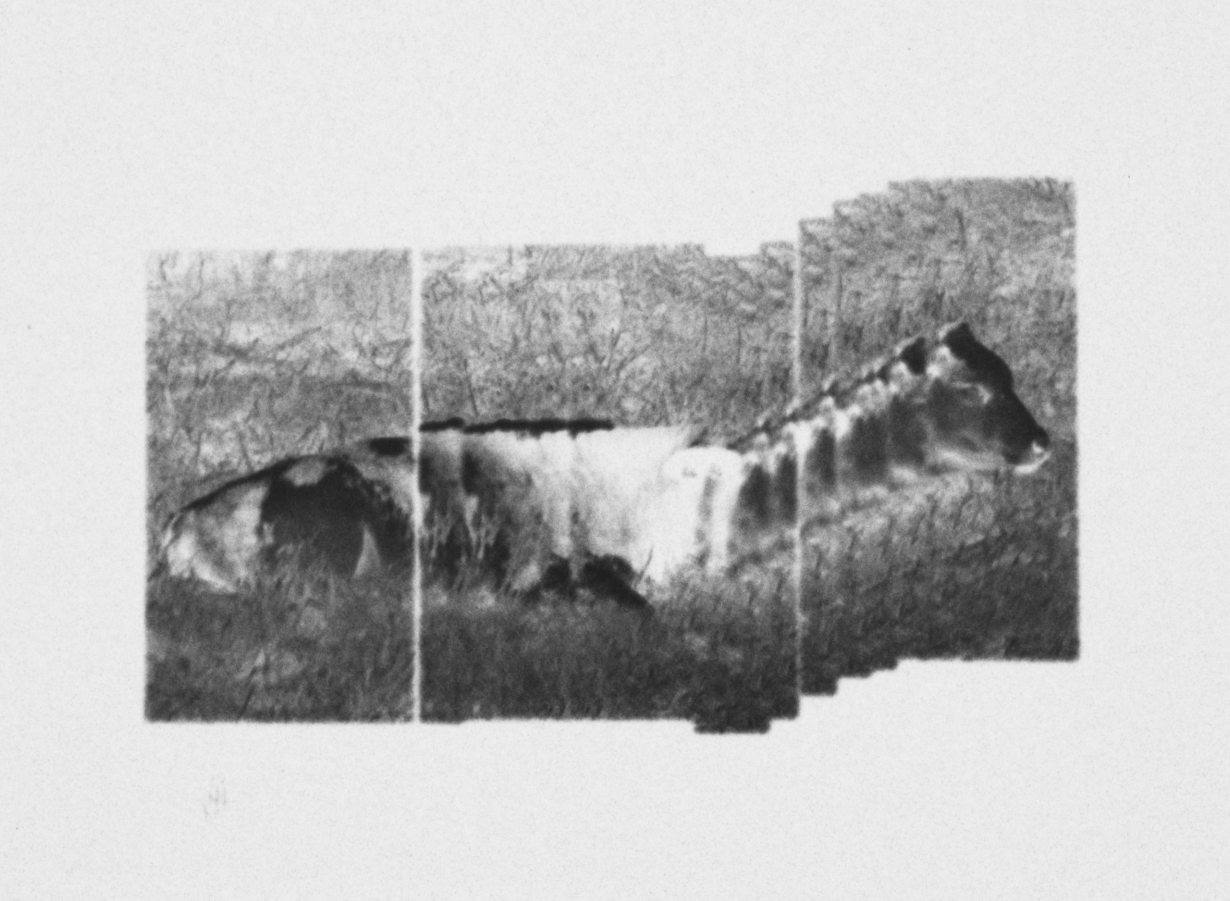
It’s sometimes hard to know who London Gallery Weekend is really for. Lovers of shoestring group-shows? Artworld bigwigs looking for an Art Basel amuse-bouche? Lay-Londoners who have always wanted to know what that new, frequently empty unit on their block actually is? Ângela Ferreira’s Slits are Girls at nonprofit The Showroom off Edgware Road explores the patterns and visual languages of agitatory cultures by connecting the stories of punk movements in late 1970s South Africa and the UK. The tones of punk as we know it are there – minimalism, thrift, anger – but the key ingredient, Ferreira makes clear, is inevitably missing from the exhibition: people. A short walk away, arts charity and studio space The Bomb Factory has gathered work from art collectives, studios and groups across disciplines – presenting both their work but also documentation of the interrelational networks made necessary by grassroots artmaking in the UK’s emaciated cultural economy. Offerings that speak to and stem directly from the real world and communities from which art draws. Both spaces are also part of a new initiative for ‘Lisson Grove Galleries’, where you might visit Palmer Gallery and Carolina Aguirre’s post-Land art installation (think Anselm Kiefer if he took T-blockers). Elsewhere there’s Ted Le Swer’s Muybridgean games at Soup in Kennington; Carmela De Falco’s deep nonlistening at Des Bains in Fitzrovia; or if you’re feeling brave, ask ahead to visit Pivot (a gallery hosted in the kitchen of someone’s flat) and David Muenzer’s hilarious, globe-headed figurative drawings – picture Mr Melancholy from I Saw the TV Glow (2024), but charming. Alexander Leissle
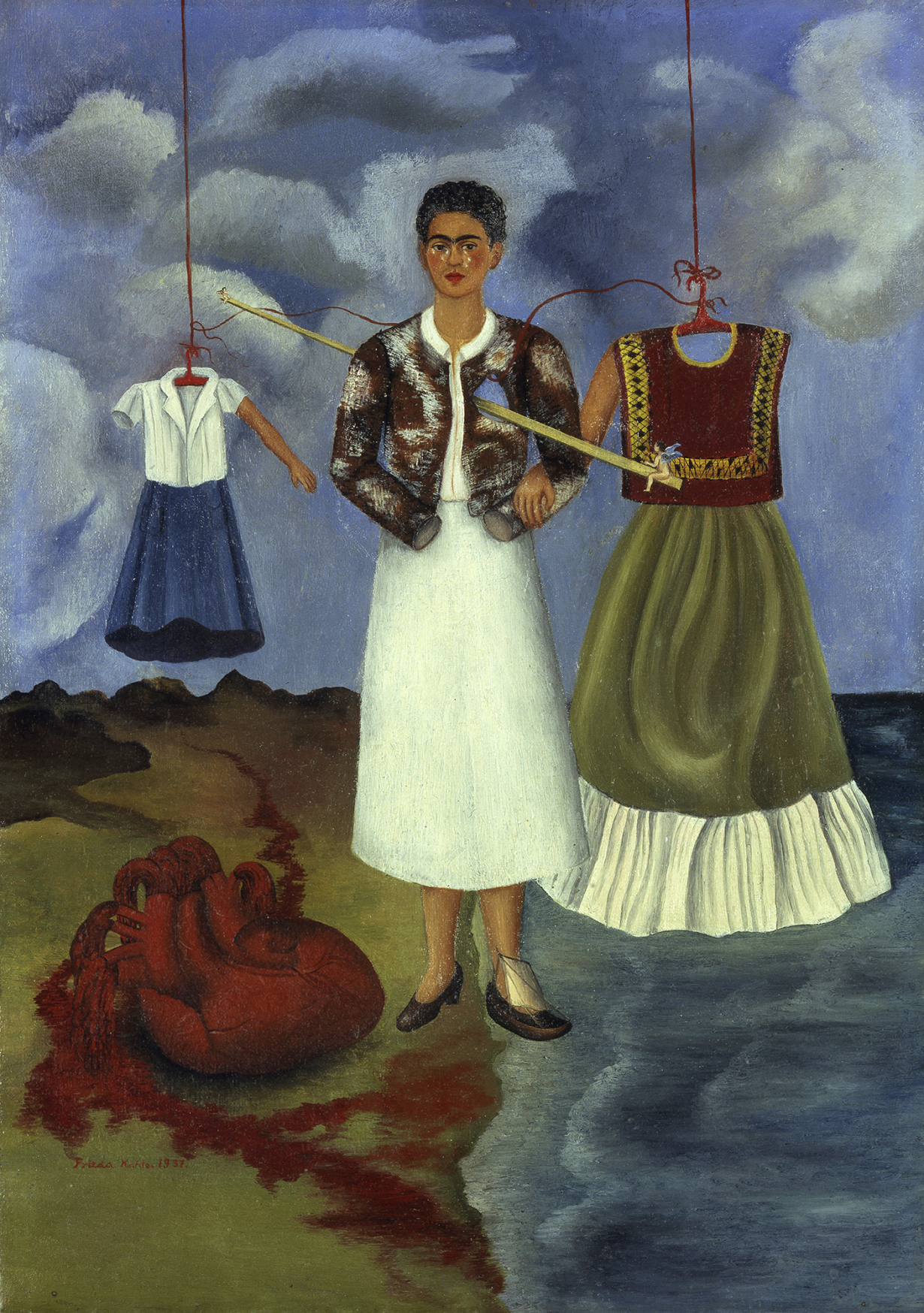
When fifteen-year-old me bought her first artist book, The Diary of Frida Kahlo: An Intimate Self-Portrait (1995), she would never have dreamed she’d end up touting the Mexican painter’s Tate show to you lot. But two decades later, here we are. And what a joy to flick through those mad, bright drawings and scrawls in these now creaky, yellowed pages. (Of its 171 entries, I seemed to have kept a slip of paper on one that reads: ‘Astonished she remained seeing the sun-stars / and the live-dead world and being in the shade’; make of that what you will.) Perhaps part of Kahlo’s appeal to an awkward teenager is the way her paintings allowed her to unashamedly reveal (and revel in) her body and emotions, but her broader attraction lies in the giant cultural transformation she has undergone. In the decades since her death, in 1954, the painter’s place in popular imagination has shifted from cult figure to political symbol to fashion icon, eventually becoming shorthand for a certain kind of uncompromising self-fashioning. Tate Modern’s Frida: The Making of an Icon traces that evolution with more than 30 paintings and drawings, alongside archival photographs, clothing, jewellery and a sprawling constellation of works by contemporaries and later artists who have claimed Kahlo as a point of reference. The exhibition leans into the contradictions that make her so enduring: the final section, devoted to the machinery of ‘Fridamania’ (including mugs, cosmetics, T-shirts and mass-produced memorabilia), could either prove the most revealing, or a grand excuse for the museum to extend its giftshop. And if you need a bit more time to chew it over, you could always head to Tate’s restaurant, which is collaborating with Michelin-starred Kol on a special menu, and order yourself a ‘Frida Mole’. Fi Churchman
Tate Modern, 25 June 2026 – 3 January 2027
Tokyo
Mako Idemitsu: What a Woman Made
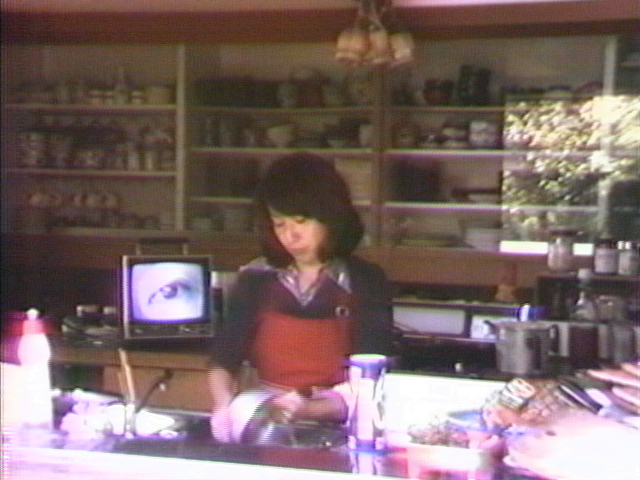
Mako Idemitsu’s father, founder of Japan oil giant Idemitsu Kosan, collected art. In 1966 he opened the Idemitsu Museum of Arts, which, though currently closed for extensive building works, has housed his collection of over 15,000 items. Upon learning of his daughter’s decision to go to New York and become an artist herself, the oil mogul disinherited her; she went anyway. Over the five ensuing decades of her career, Idemitsu made films and videoworks that interrogated gender expectations, traditional family roles and womanhood in postwar Japan. What a Woman Made presents Idemitsu’s complete film and video works alongside major installation pieces. Some of these, such as HIDEO, It’s Me Mama (1983) and The Marriage of Yasushi (1986), unfold like TV dramas, following the lives of housewives trapped in the domestic sphere, whose social isolation and boredom led them to become controlling smotherers overly obsessed with their children. Others resemble the hypnotic works of filmmaker Maya Deren, cutting between copulating snails, flower petals or an expanding tampon, as if inhabiting the whimsical attention of a daydreamer. Together they reveal an approach to the medium that is as critical as it is experimental. Yuwen Jiang
Tokyo Photographic Art Museum, 18 June – 21 September
New York
Gernot Wieland: another tale for another moment
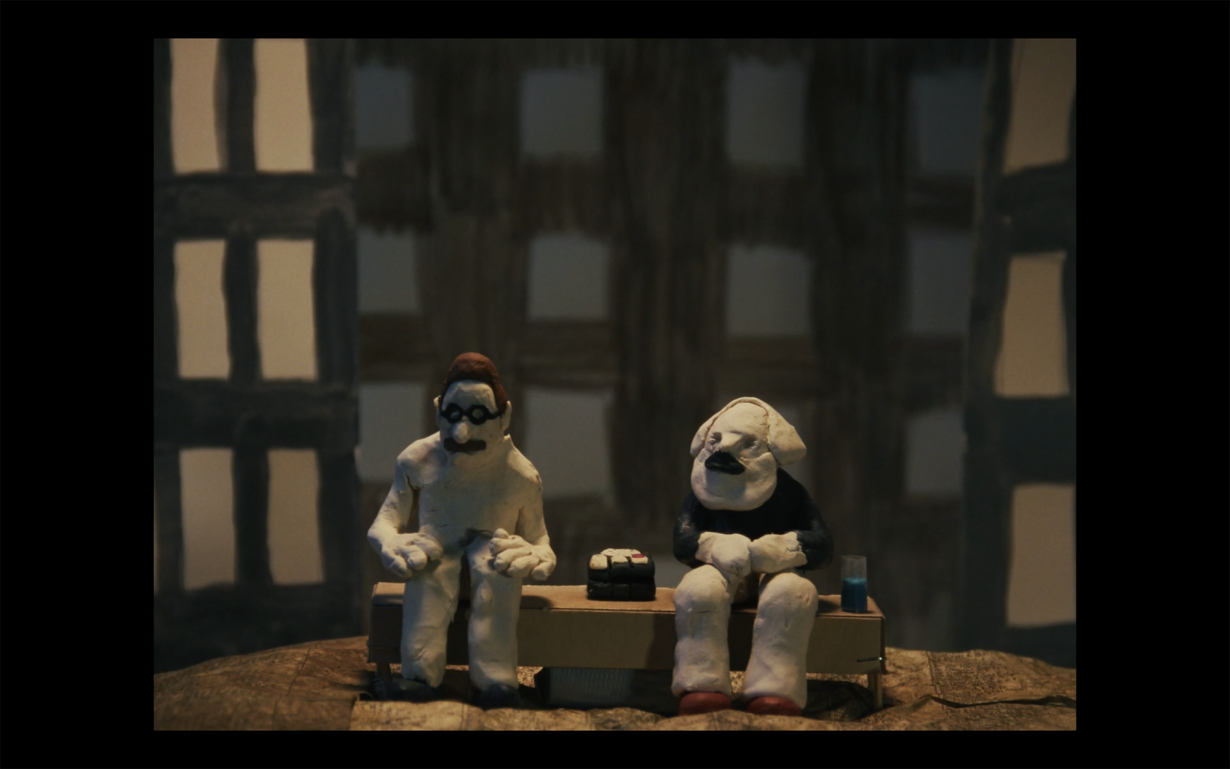
The film Family Constellation with a Fox (2025), which centres on what its maker, the Berlin-based Austrian artist Gernot Wieland, calls (in voiceover) a “father-mother-son-repression-shame-hate-order-guilt-moral adjustment episode”, shuttles between two dreamlike scenarios. First, we’re in a dreary hotel, whose housekeeping staff – Zdravka, who “lost a life to war”, Manuela, who writes poems in the dust under the beds, and our narrator, a baby-faced intellectual – spend their smoke breaks debating fairytales, freedom and modernity. Then we’re in the dark belly of a whale, where a boisterous group of German thinkers (Freud, Marx, Benjamin et al.) have gathered for a party or intervention. Previously shown in the 13th Berlin Biennale and soon in New York as part of Wieland’s solo exhibition another tale for another moment, the film stitches together drifty Super 8 footage, droll Claymation skits and madcap drawings and diagrams. It is a poignant meditation on the burden of influence – from scholarly, artistic and religious sources alike – which renders us all somewhat like its narrator, a childish soul dragging history around like a heavy toy. Jenny Wu
São Paulo
Brecheret Modernista: a imagem indígena como símbolo de brasilidade
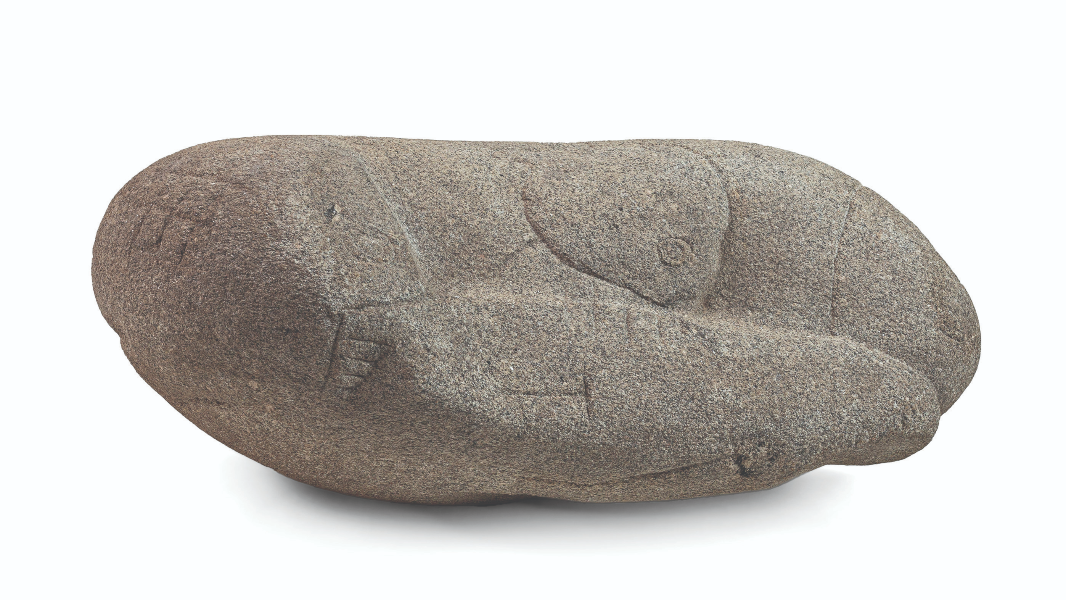
Victor Brecheret is a controversial figure in Brazilian art history, or at least a postcolonial view of that history. His most famous of many public sculptures stands at the entrance of São Paulo’s Parque Ibirapuera. Monument to the Bandeiras was commissioned in 1921 and pays homage to the Europeans who cut through indigenous land to settle the interior of Brazil. It’s hard to ignore, stretching 43 metres of granite, hewn into a modernist, angular representation of a leader on horseback followed by a train of his men, some of whom can be identified as indigenous. It is also, increasingly, the subject of ire and vandalism for its subject matter. Brecheret was an important artist, though, a friend of Mário de Andrade; a key figure in the seminal Modern Art Week of 1922; and an exhibitor at the first São Paulo Biennial, in 1951. This survey seeks to tackle his legacy today and his relationship with indigenous culture, showing the abstract sculptural portraits in stone and bronze he made of the Tupi, a people otherwise discounted from Brazilian culture at the time, and his recourse to organic form in what might be anachronistically termed an ecological turn. Oliver Basciano
Espaço de Exposições do Centro Cultural Fiesp, 11 June – 30 August
Paris
Penser le Présent with Wolfgang Tillmans
Concluding the German photographer’s lecture and seminar series (the latter titled On My Mind, each session of which focused on an enquiry into a selection of images – other than the artist’s own – themed according to categories such as How Things Age or Corners) conducted as part of his visiting professorship at Beaux-Arts de Paris, this public lecture looks back at the programme highlights and focuses on the artist’s ongoing series of images of museum labels. A fitting topic for an artist whose work itself often resists easy categorisation and who has been unafraid of linking his art to politics and saying what he thinks. Particularly in a time when meaning is increasingly fluid, any interpretation of the world is increasingly subjective and appearances are normally set up to deceive. Nirmala Devi
Beaux-Arts de Paris, Amphithéâtre des Loges, 16 June
Yokohama
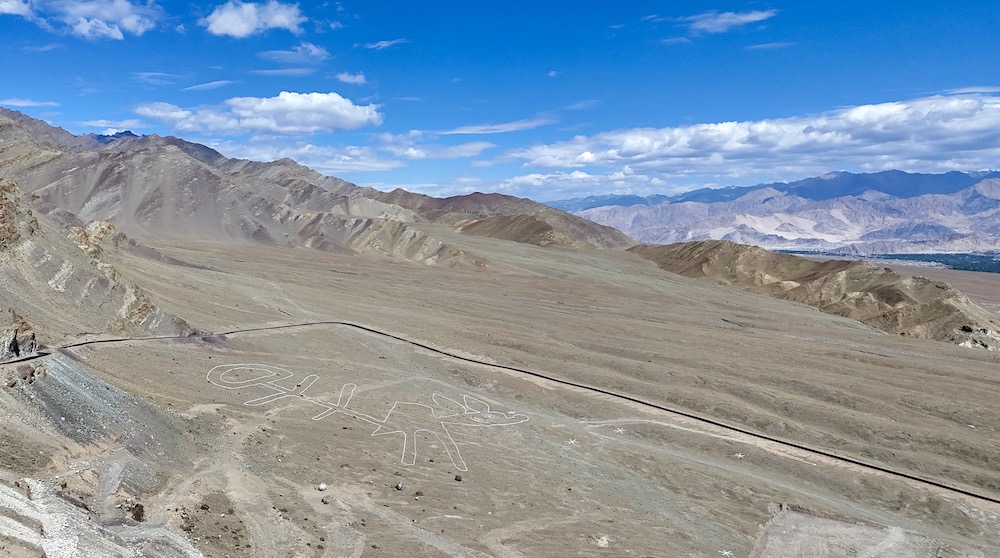
Taking a cue from Robert Smithson’s 1973 essay ‘Frederick Law Olmsted and the Dialectical Landscape’, this new show aims to extend the notion of ‘earthworks’ by bringing together the works of ten (mostly Japanese) artists and collectives, each responding to various aspects of landscape as read through human history and power. While more ‘canonical’ earthworks, such as Smithson’s and Richard Long’s, tend to be understood as a product of artists shaping and using nature as material, the works here more closely follow Smithson’s call for artists to address the dialectics between them. Art Center NEW’s location – inside a subway station in Minatomirai, formerly a giant land fill and now huge urban development project – is perfectly apt: Smithson preferred making earthworks in what he called ‘disrupted’ sites. While the Japanese city, celebrated internationally for its tidiness, is typically a site so thoroughly disrupted by artifice that the dialectic is easy to miss, this exhibition promises to help visitors see their surroundings anew. Taro Nettleton
Art Center NEW, 20 June – 16 August
Zürich
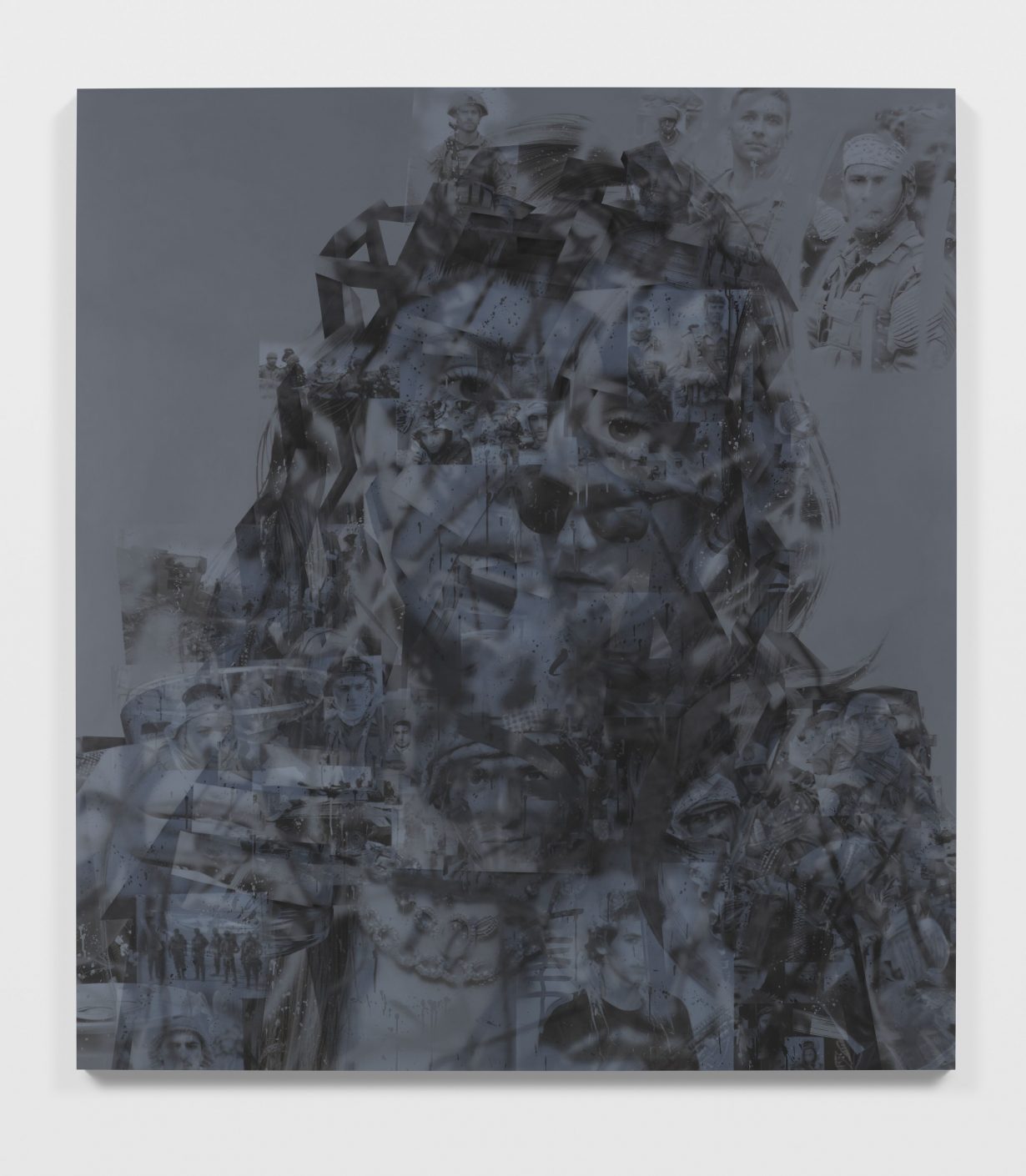
During the Vietnam War, famously the first to be televised, Martha Rosler’s Bringing the War Home series (1967–72) combined photos of the conflict with glamorous shots of American domestic interiors to highlight the different types of visual constructs circulated in the media. During the 1990s Gulf War, the first war to be televised live, Paper Tiger Television produced the documentary Operation Storm the Media (1991), which unpacked the links between corporate sponsorship and biased press coverage of the war to sensitise viewers to media manipulation. Today’s wars are the first to be seen through and conducted using AI, and Avery Singer is integrating the technology to her digitally mediated painting process for the first time in War_overlays to observe ‘how media and accelerating technologies shape our consciousness’ in the violence of the present day. In her upcoming exhibition during Zurich Gallery Weekend, the painter will show a new series of works inspired by hyperreality theorist Jean Baudrillard’s writings on the Gulf War. The paintings will revolve around portraits of a fictional pattern-attuned poker player, layered with AI slop generated from imperfect training data: damaged war photography, low-resolution sources, misaligned facial data. The gallery’s upper floor, meanwhile, will be transformed into a casino-style environment. Mia Stern
Hauser & Wirth, Limmatstrasse, 12 June – 5 September
Taichung
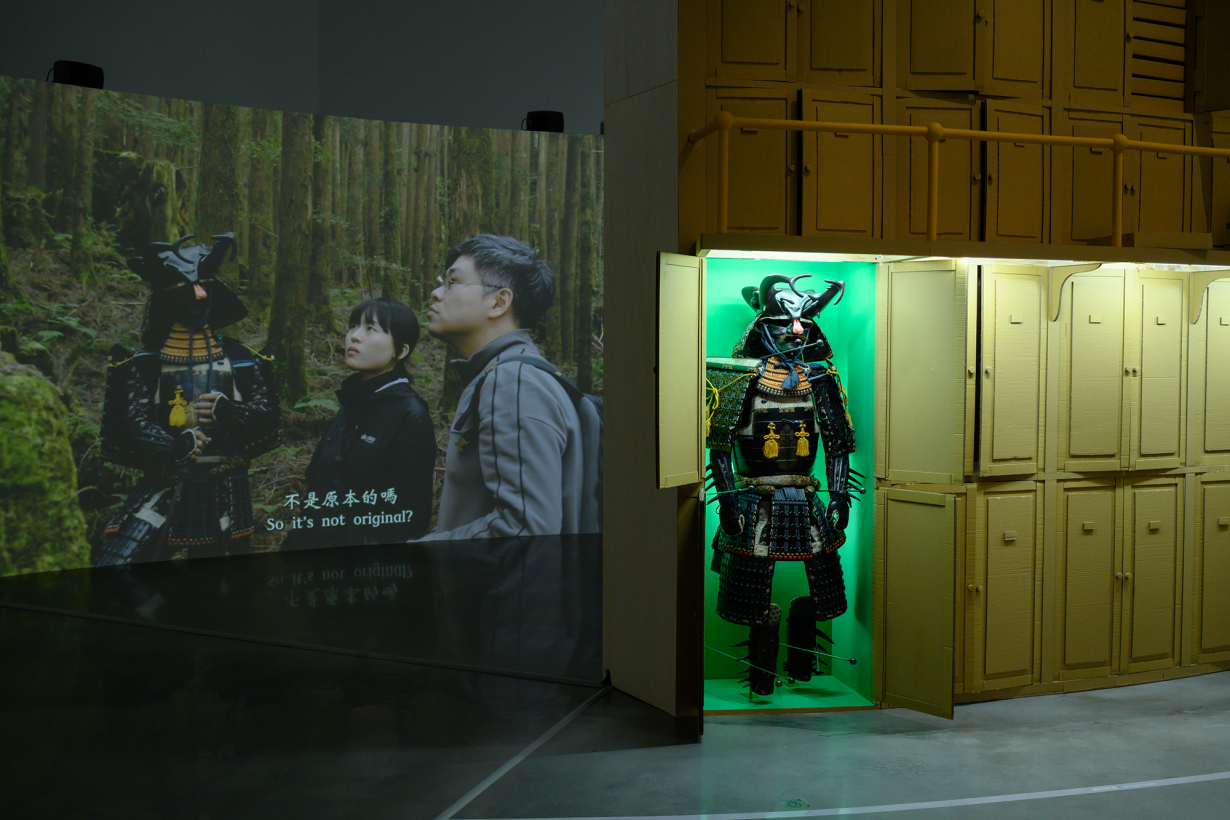
It’s summer. It’s hot. It’s sticky. So why not spend an afternoon with an exhibition that treats heat not as a problem to be solved, but as a way of seeing the world? At the newly opened Taichung Art Museum, this ambitious group show moves beyond familiar climate-anxiety narratives to explore how life in the tropics is shaped by heat. Bringing together artists from tropical and subtropical regions, the show considers how high temperatures influence everything from bodily habits and social behaviours to systems of knowledge and power. Some works luxuriate in summer’s languor, such as Wang Shou-Ying’s Summertime (1972), which depicts a young woman enveloped by ruby-red flowers, suspended in a haze of heat and stillness. Others take a more playful approach. Tsai Tsung-Yu’s cartoonish ink drawings transform the distinctive marks left by gua sha, cupping and acupuncture into a visual shorthand for the Taiwanese summer body. The exhibition’s most compelling thread examines the colonial histories embedded in tropical science, botany, agriculture and medicine. Ciou Zih Yan’s Takasago Stag Beetle (2026), for example, revisits insect collecting in colonial Taiwan to reveal how supposedly ‘objective’ scientific practices could serve imperial ambitions. Adeline Chia
Taichung Art Museum, through 30 August
Luxembourg
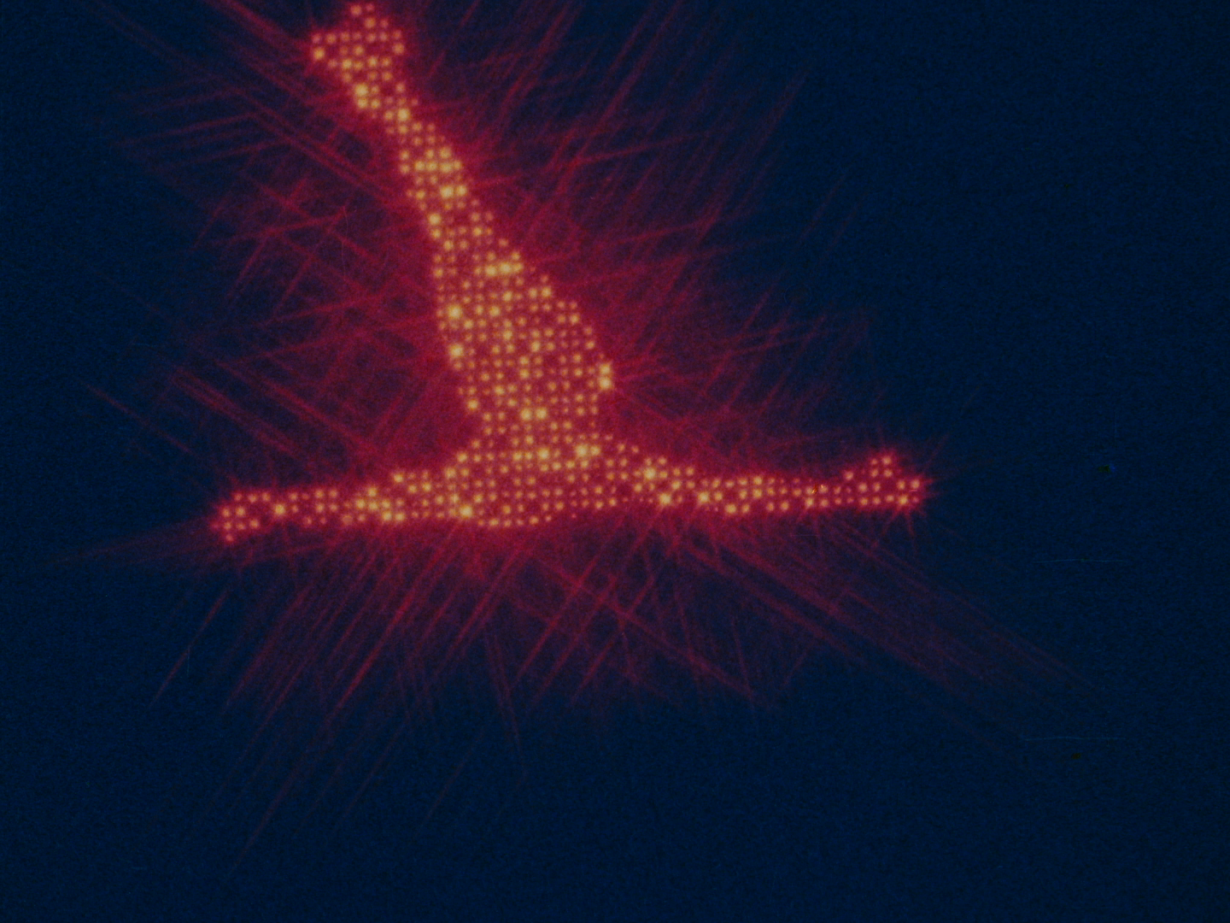
Ah… Buggles, New Wave, Trevor Horn… it can only mean 1977. Except at Mudam, where it means the 1980s, the greatest decade of all time and the one in which the Luxembourgian institution’s collection is grounded. What was I saying about interpretation and appearances? Anyway, celebrating the 20th anniversary of the institution, this show, featuring 50 works by 42 artists, many of whom are young enough to barely remember the 1980s, takes the era as a launchpad for some of the world’s greatest ‘evils’ – MTV, the last bits of the Cold War, the Chernobyl nuclear disaster and the embedding of neoliberalism – to look at how they continue to shape the aesthetics and image culture of the present and how they introduced new aesthetics in the past. There will be images of Tellytubbies and Nan Goldin’s Jimmy Paulette and Tabboo! Undressing (1991), alongside works by Anne Imhof, Michel Majerus, Harun Farocki and Hélène Yamba-Guimbi in what promises to be an engaging investigation into who’s to blame (for where we are now) and how it might still be possible for things to take a different shape. Nirmala Devi
Bangkok
Once Becoming: A Visible Presence
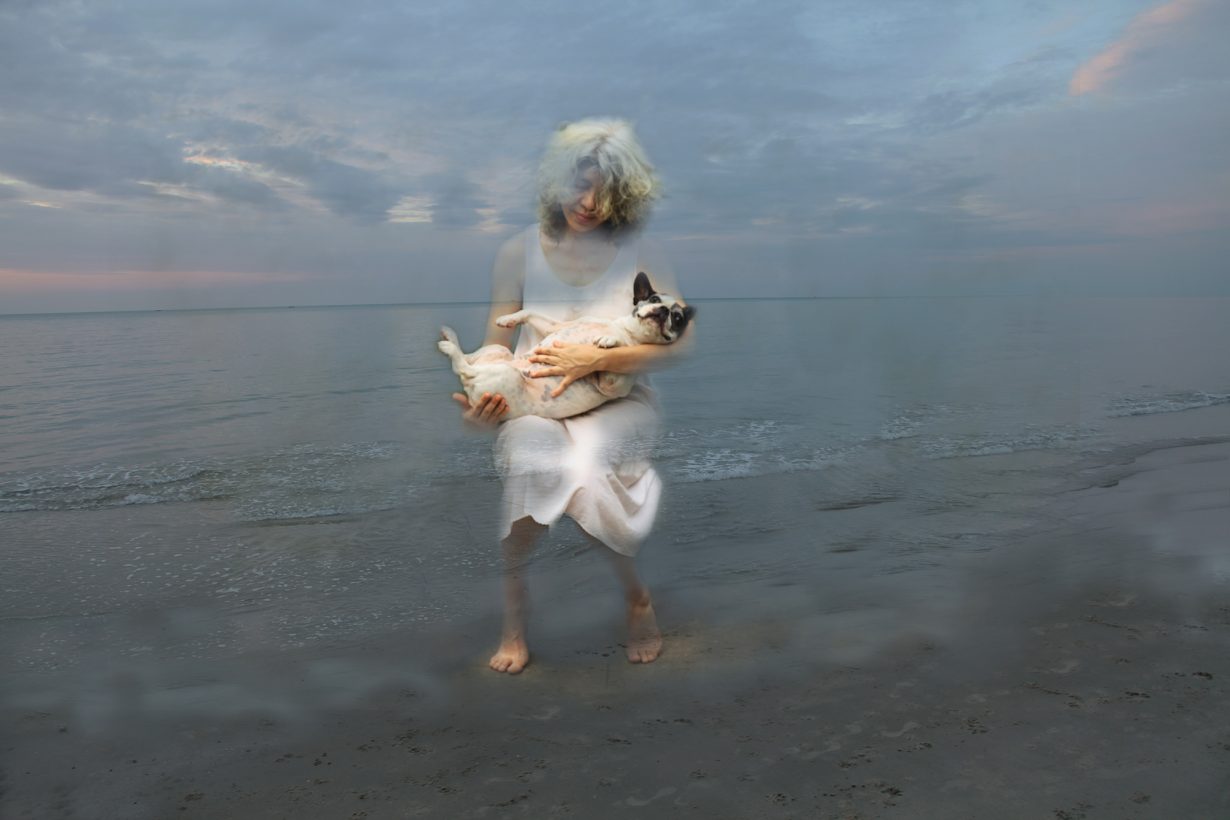
The irony is strong with this one. The Bangkok Art & Culture Centre (BACC) opened in 2008. That’s 18 years of programming during which it could have given women the attention and space they deserve but, for the most part, didn’t. Take the BACC’s bread and butter: retrospectives. Its main galleries have hosted heaps, yet every last one has, as far as I can recall, centred a man (typically a senior national artist). So it seems a bit rich for it to now pipe up, in the solemn verbiage for this group show, about the ‘faint visibility’ of Thailand’s women artists over many decades. And for it to call out ‘institutional frameworks and systems of recognition that have historically privileged male artists’ for this marginalisation. The call is coming from within the house! Moreover, Once Becoming’s bunching together of the singular practices of Araya Rasdjarmrearnsook, Pinaree Sanpitak and Som Supaparinya (alongside those of nine lesser-known Thai female artists) – rather than affording each of them the same monographic treatment gifted to men – is, you could posit, symptomatic of the very frameworks and systems it seeks to redress. A notable corrective vis-à-vis institutional visibility, yes, but hardly systemic change. All that said, things are more nuanced than I’m making out. Firstly: a woman, Adulaya Hoontrakul, has helmed the BACC since 2022; these discrepancies won’t have escaped her attention. Secondly: the centre has already, during her tenure, staged a sensitively curated group show about the legacy of female artists within Thailand (2023’s Womanifesto: Flowing Connections), so I’m hopeful that Once Becoming will follow suit. And thirdly: being a man, I should probably button it. Max Crosbie-Jones
Bangkok Art & Culture Center, 11 June – 13 September
Margate
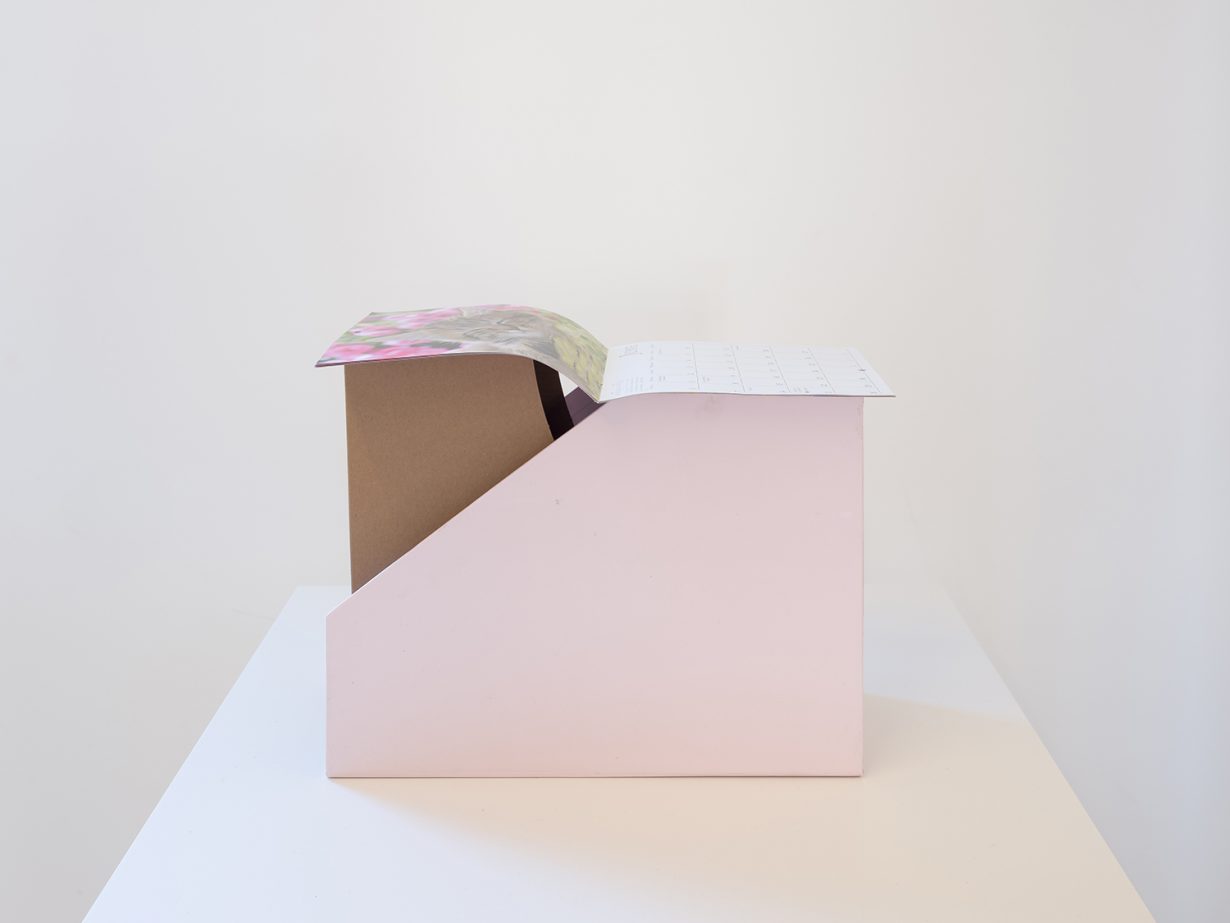
Sara MacKillop’s work takes prosaic objects and makes them absurd or uncanny: items including stationery, branded paper bags, drinks bottles denuded of their labels, each placed in austere reverence within a gallery space, become alien in MacKillop’s hands and to the viewer’s eyes. In the British artist’s previous exhibition at Margate’s Roland Ross Gallery in 2024, she presented a series of foldable tables, the kind that might be set up at a secondhand book fair. MacKillop had customised them ever so slightly – turning one on its end, fixing one to the wall – so they operated as books themselves, their hinges becoming spines, facsimile pages stitched. These ‘books’ depicted further prosaic property: crockery and pens, like an artful consumer shopping catalogue. In Subplot MacKillop will show a series of sculptures that also feature objects originally intended to ‘hold, or dispense’, anthropomorphically promising a further sense of psychological drama. Oliver Basciano
Berlin
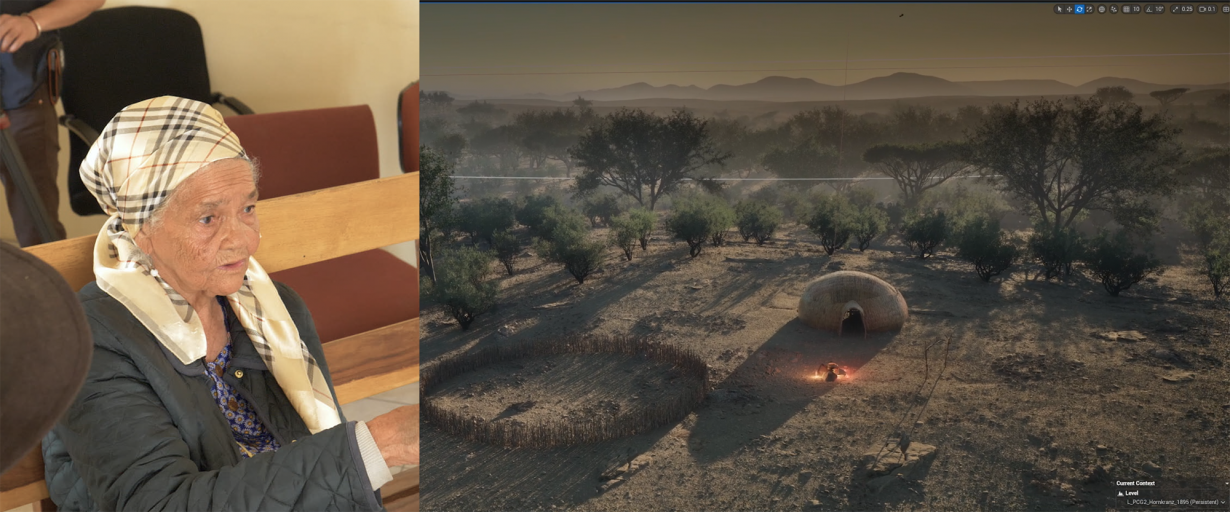
Following the exceptional Unsettled Earth last year, Spore Initiative’s upcoming exhibition, developed over the past four years by Forensis and Forensic Architecture, explores and ‘investigates’ the legacy of Germany’s colonisation of southwest Africa – and, in particular, genocides against the Ovaherero and Nama peoples in Namibia. Unfolding, as is customary for Spore, over multiple ‘seasons’, Fractured Lifeworlds will work its way across the land – from bushy interior to arid desert – and follow the histories of violence and extraction as they arise, then flash forward to present-day neocolonial energy ventures and unresolved injustices. Further details are presently thin. Indeed, an exhibition as an investigation might bear the expectation of a resolution at the end, but the artists, curators, Spore, dear readers, already know there is no single one. Maybe, in these hands, an exhibition, often a kind of creative skeleton – with fractures – is a place to start. Alexander Leissle