“The Giardini functions like an embassy district in the affluent quarter of a European capital”
ArtReview sent a questionnaire to artists and curators exhibiting in and curating the various national pavilions of the 2026 Venice Biennale, the responses to which will be published daily in the leadup to and during the Venice Biennale, which runs from 9 May through 22 November.
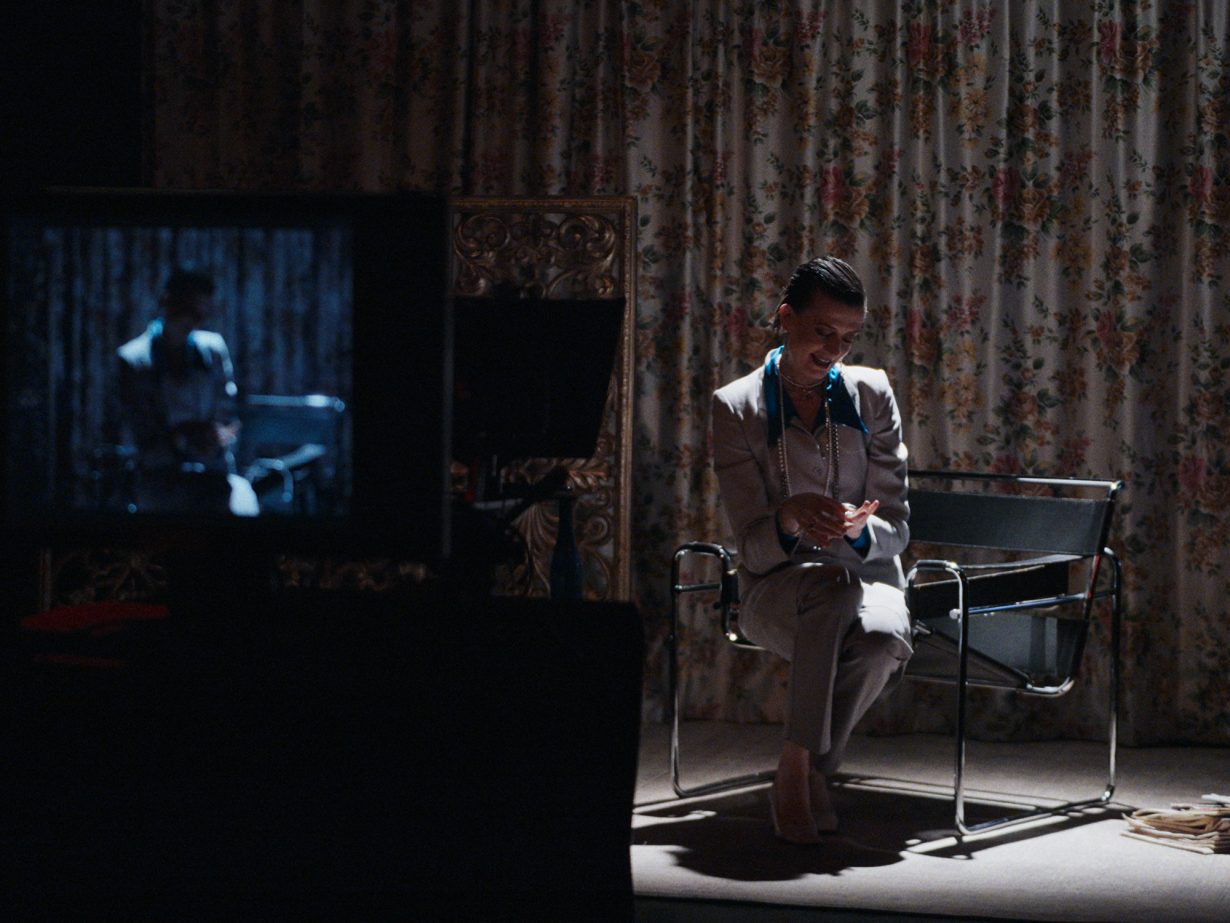
The artists and curators Gianmaria Andreetta, Luca Beeler, Nina Wakeford, Miriam Laura Leonardi, Lithic Alliance and Yul Tomatala are all representing Switzerland; the pavilion is in the Giardini.
Celebrating Visions. Versace partners with ArtReview to share stories from the 2026 Venice Biennale.
ArtReview Tell ArtReview what you plan to exhibit in Venice. What has influenced or inspired you?
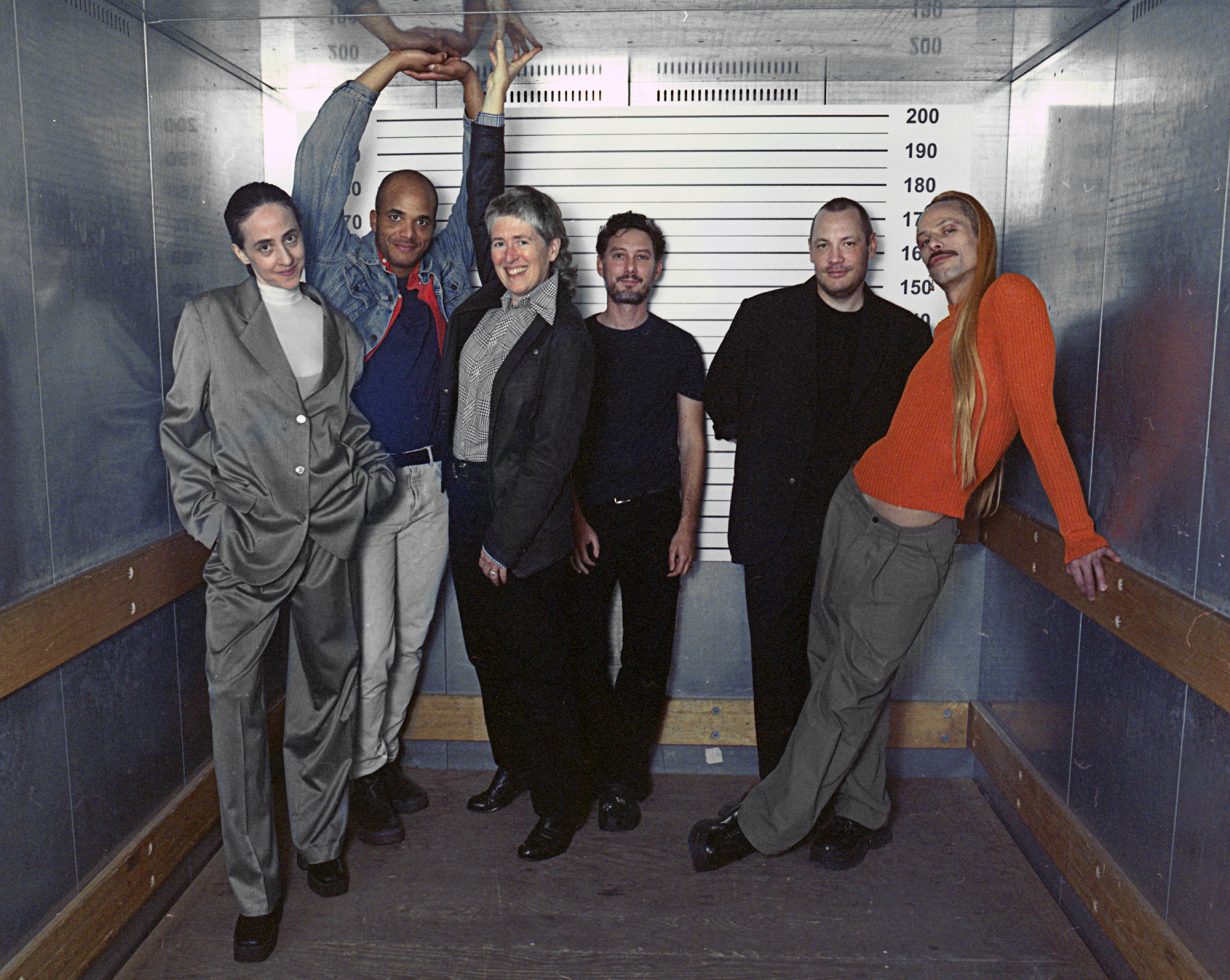
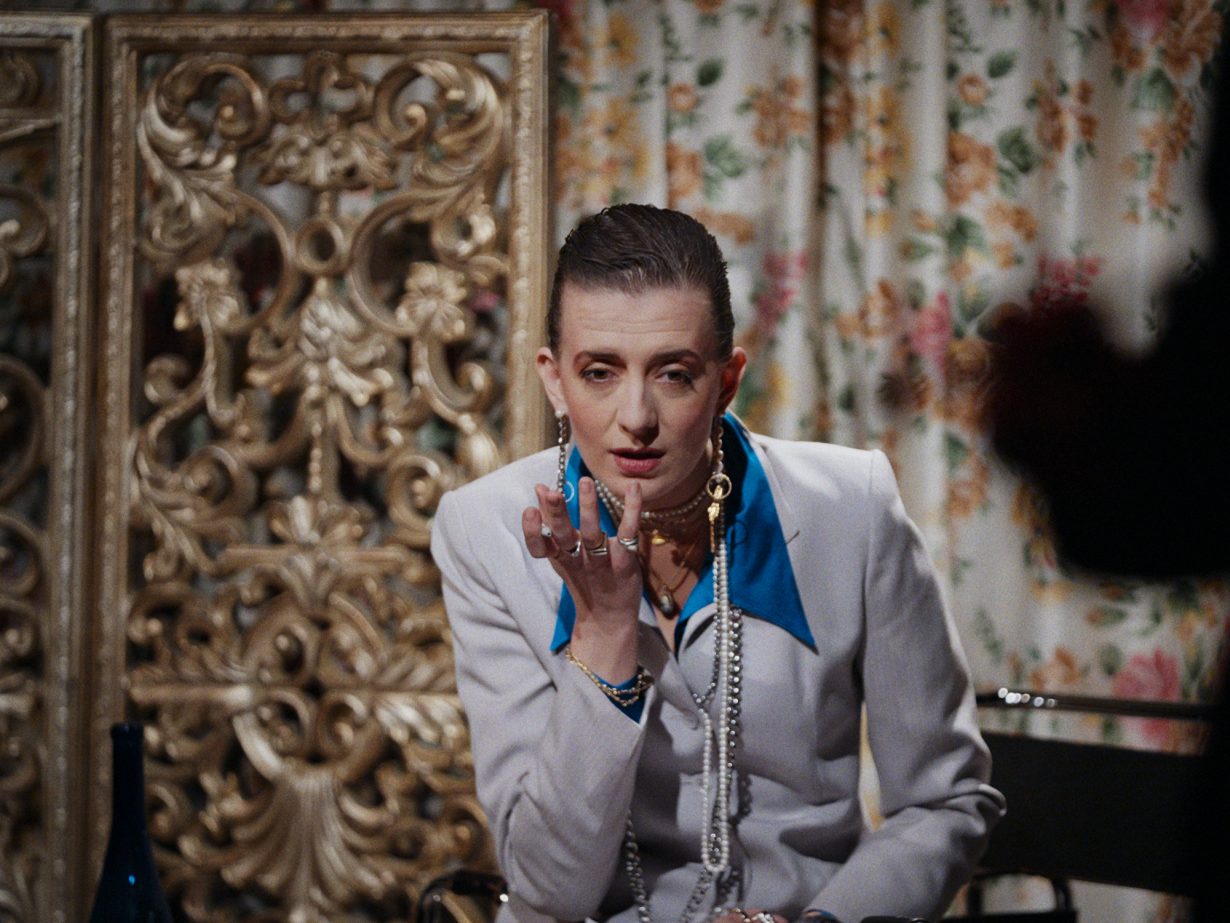
Nina Wakeford As a working group of curators and artists we have each navigated, consciously or not, our relationship to the history of homosexuality in Switzerland, and how it has been represented in mediated public speech and television. What I exhibit has been influenced and inspired by listening to stories of the Zurich Homosexual Women’s Group active at the time of the Telearena TV broadcast in 1978, the filmmaker Katrin Barben, as well as the writings of DJ and composer Clay Chénière who proposes DJ sets as blueprints for ‘a fleeting yet resistant sociality’.
AR In what ways (if at all) does your work relate to the theme of the Biennale exhibition, In Minor Keys?
NW Jazz is offered as an example of how ‘minor keys’ might operate. Inspired by the music and life of the Swiss lesbian jazz pianist Irene Schweizer, Yul and Lithic Alliance and I have revisited methods of free vocal improvisation to challenge the form of the TV talk show. Your question prompted me to study the whole Biennale text. James Baldwin’s words, cited there, are: ‘There is a reason, after all, that some people wish to colonize the moon, and others dance before it as an ancient friend.’ In this time, questioning the drive to control and subjugate is urgent.
AR Why is the Venice Biennale still important, if at all?
Gianmaria Andreetta Because it concentrates attention in a way few platforms still can. That density makes it, yes, complicit in the spectacle of it, but also just a place where artists make work, which turns out to be a more honest position than it sounds.
AR What role does a national pavilion play at a time of increasing confrontational nationalisms? Is it about expressing difference or commonality?
GA A national pavilion is an awkward piece of reality, which is why it’s still useful maybe. It overexposes its own fiction of coherence, and drags the artists into that exposure with it, while producing a space where difference doesn’t have to thicken into identity.
AR Who, for you, is the most important artist (in any discipline) that your country has produced?
Yul Tomatala I cannot list all the great artists and artistic movements Switzerland has produced; I am constantly impressed by the wealth of talent and ideas that the Swiss cultural scene has been promoting for many years. From the Dada meetings in Zurich during the second world war to the Geneva drag scene of recent years, via the formal and conceptual demands asserted by Neo-Geo, I can only say that for such a small country, the Swiss art scene, whether in cinema, dance, theater, or the visual arts, has an immense power to challenge us and generate discussions, including an urgent one about multiculturalism and exclusion.
AR What is something you want people to know about your nation that they might not know already?
YT Although postcards of the Alps promise us uncomplicated nature, it is intriguing that their landscapes conceal mysteries, such as bankgeheimnis (banking secrecy). Our exhibition also revisits, from different angles, the famous Swiss Fiches scandal – a story of largescale state surveillance that remains etched in people’s memories, and the impact of which reverberates to this day.


AR Given that you are exhibiting in a national pavilion, is there something (a quality or an issue or attitude) that distinguishes the art of that nation from that of others? That makes it particular? Are there specific contexts that it responds to? Or do you think that art is a universal language that goes beyond social, political or geographic boundaries?
Luca Beeler Yes, and yes. Many efforts by major ‘western’ art events to transcend these dichotomies have fallen short for several reasons. At the Biennale, and especially in the Giardini, cultural diplomacy and its geopolitical implications become very evident to me. The Giardini functions, in this sense, like an embassy district in the affluent quarter of a European capital. On the surface, there is something ceremonial about it. In any case, it provides a compelling site for us to reflect on the production of difference and the exclusion of homosexuals, national television and systems of representation and public debate.
AR What, other than art, are you looking forward to seeing – or doing – while you are in Venice?
Lithic Alliance The collective force exerted on the mud, the glitter on the water surface and cheering the local seagulls stealing the ice cream from anyone that takes Venice for granted.
AR Could you give us a brief overview of your average working day while creating your presentation for Venice?
Miriam Laura Leonardi There’s nothing ‘average’ about working on a Biennale. I chose a way to work which lets a lot of immediate reality pass through my productions. For example, several unforeseen events brought plot twists to my new movie. I consider reality my material, I don’t script my films in a traditional way. The late Béla Tarr said the film is not the story but pictures, sound and emotions. That when you make a film, you don’t have to think about the story. You just need to decide at one point if and what to do with it all: all the pictures, all the sounds and all the emotions you receive from them. So the moviemaking became synonymous with my own reality, and with something wider: the realities we all absorb through media and TV.
AR Can art really change the world?
LA It holds the power to spark and set movement in action. Much depends on its approach and the context in which it takes place. With the potential to communicate beyond the rational, art equips the community with a vigorous tool more valuable for those who know its wisdom than those who simply own art. In the times we live together now, the arts have the power to connect, to mourn, reflect and to heal. Many minor changes can shift massive things.
The 61st Venice Biennale runs 9 May through 22 November 2026