What is missing in the lavish coffee-table book is a contemporary critical take on why the artists oeuvres remain so powerful
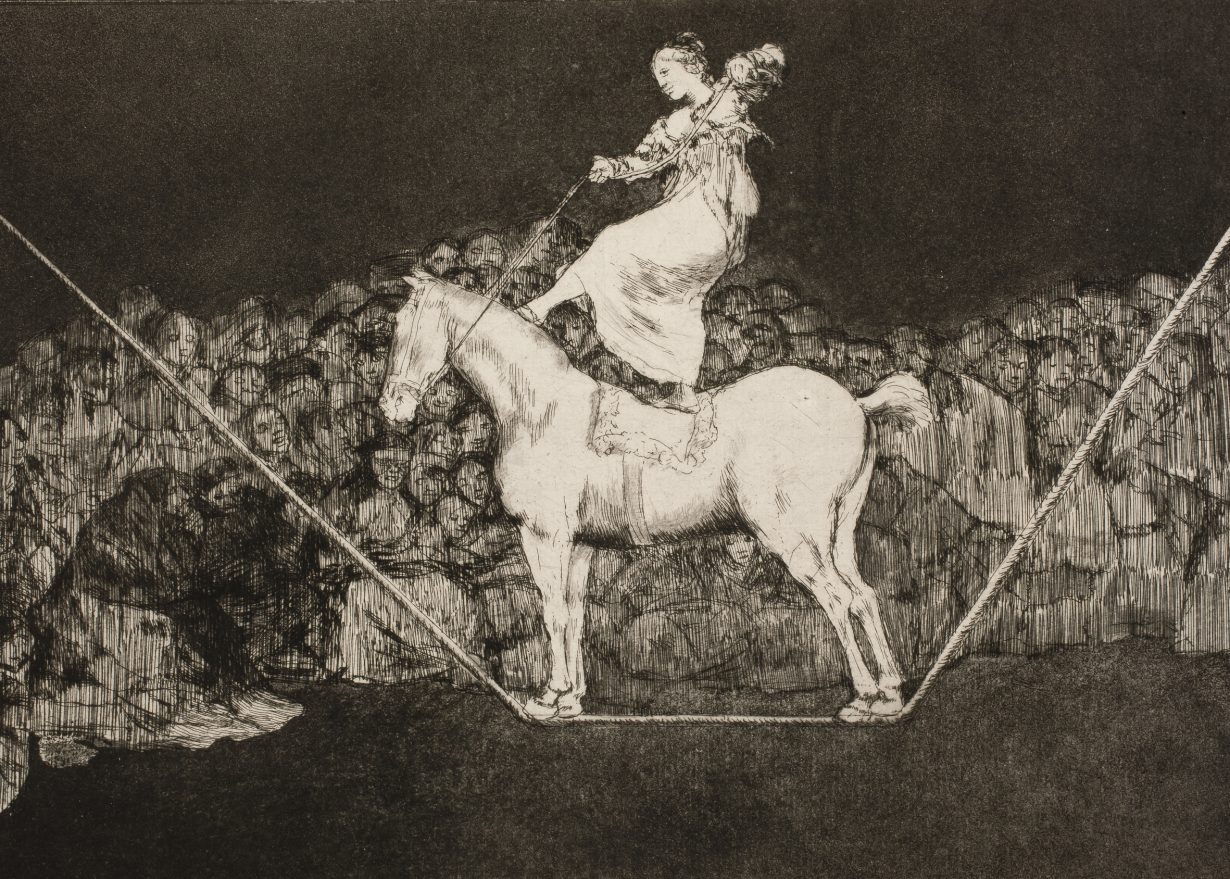
‘If imitating nature is as difficult as it is admirable when achieved,’ wrote Francisco de Goya in a newspaper ad promoting his series Caprichos (Caprices) in 1799, ‘some esteem should be shown him who, shunning nature entirely, has had to put before the eyes forms and attitudes that until now have only existed in the human mind…’ Quoted in Goya. The Complete Prints, it’s a slightly pushy sales pitch, but then Goya was trying to shift the dial of public taste away from decorous academic art and aristocratic patronage, into something edgier and more modern, drawing the art of printmaking, and his own status as a painter, towards a wider, more progressive public. Under the pretext of giving shape to the visions of his dreams and imagination (to avoid the censor’s eye), Goya’s Caprichos allowed the Spanish master to criticise the moral vices and political failures of the eighteenth-century Spain in which he had made his name. The social satires of the Caprichos are one part of The Complete Prints, a superb new edition of the artist’s etchings and lithographs, along with the relentless horrors of the famed series Desastres de la guerra (Disasters of War, 1810–15), the profoundly weird and unsettling fantasies of the Disparates (Follies, 1815–24), his early etchings after paintings by Velázquez, the bullfighting series Tauromaquia (1816) and the few later lithographs.
The accompanying essays usefully place Goya’s works in their art-historical and social context. But they’re desperately dry, never venturing further than mild academic excitement about what Goya achieved and heralded. That Goya lived and worked in the momentous decades of European revolution, lived under the absolutism of monarchy and church, worked under censorship and the Inquisition, witnessed invasion and war – it’s all noted, but its significance, on modern art, on the politics of the artist’s place in society, barely flickers into view.
A biographical essay would have added depth, but what is really missing is a contemporary critical take on why Goya’s Desastres and Disparates remain so powerful and, yes, contemporary. (The 1943 American edition Complete Etchings, for example, had a foreword by Aldous Huxley, still powerfully insightful today.) It’s a lavish coffee-table book, whose excellent reproduction does Goya’s visual brilliance justice, while managing to look past quite how radical an artist he was.
Goya. The Complete Prints by José Manuel Matilla & Anna Reuter. Taschen, £100 (hardcover in slipcase)
From the October 2025 issue of ArtReview – get your copy.