Visually seductive, responsibly researched, culturally portable and diplomatic, In Minor Keys is a protest conducted with fine-print slogans and no concrete demands – and it’s increasingly lifeless, like a relic from a bygone era
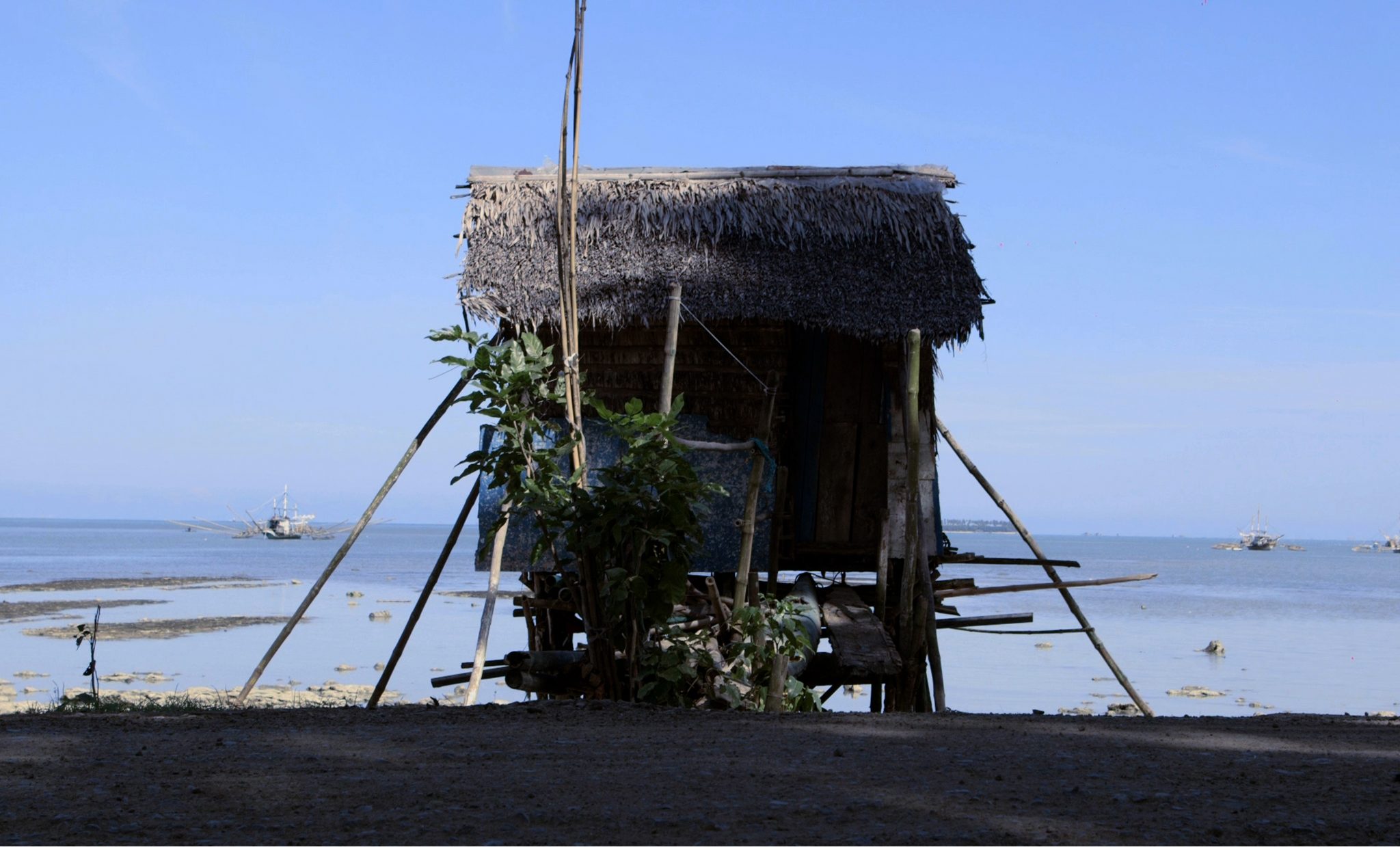
On a wall in the Arsenale hang pages from a 1922 play by Luigi Pirandello, the inspiration for American filmmaker Éric Baudelaire’s nearby five-channel video installation, Death Passed My Way and Stuck This Flower in My Mouth (2021), one of the works in the 61st Venice Biennale’s main exhibition, In Minor Keys. Pirandello’s play follows a commuter who misses his train and meets, in a 24-hour café, a man suffering from epithelioma, euphemistically referred to as the Man with a Flower in his Mouth. In Baudelaire’s videowork, set in a Dutch warehouse ‘where millions of flowers arrive from Africa and South America and are evaluated for sale at auction’, gloved workers sort bunches of yellow flowers before conveyor belts. Although the connection isn’t explicitly stated, within the context of an exhibition conceived by Swiss-Cameroonian curator Koyo Kouoh (1967–2025) – among whose central themes are notions of ‘the plantation’ and ‘colonial settlement’, and whose one of two patron saints, Beverly Buchanan, is known for sculptures and paintings of shacks that reflect on the history of slavery – the spectre of the transatlantic slave trade creeps into the flowers.
In this exhibition, occasions for mourning are offered as opportunities for visitors to cultivate a kind of collective sensibility that presages ‘resistance and healing’, per the exhibition’s introductory text. That much is evident in the space devoted to tributes to Buchanan (1940–2015) and Issa Samb (1945–2017), the latter Kouoh’s mentor in Dakar during the 1990s; in Cauleen Smith’s multimedia installation The Wanda Coleman Songbook (2024), which commemorates the late titular Los Angeles poet with dreamy projected footage of LA and a soundscape of slow, smooth jazz; and in lines by Palestinian poet Refaat Alareer printed at the entrance to the Arsenale, which begin, ‘If I must die/ you must live/ to tell my story/ to sell my things…’

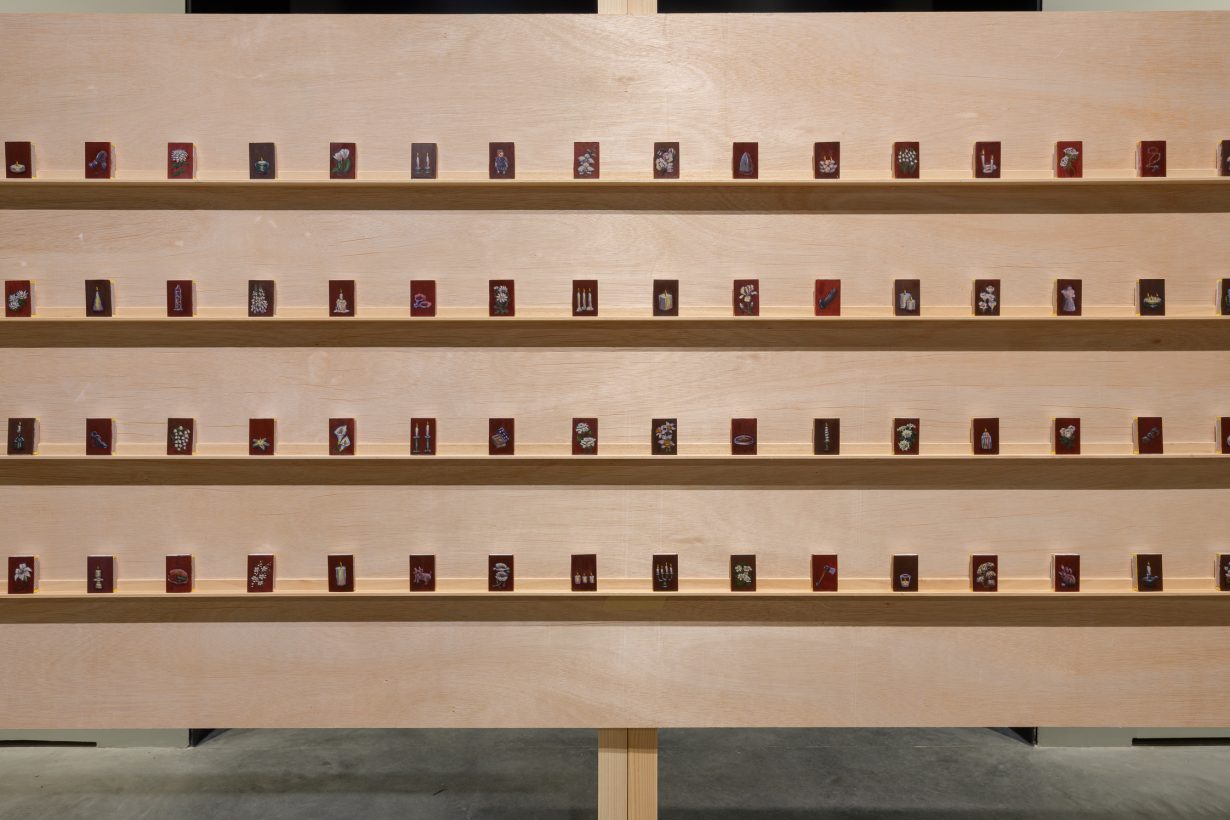
Mourning calls for flowers. See: the large magnolia, a symbol of the American South and, by extension, the institution of slavery that built its economy, in Maria Magdalena Campos Pons’s mural-size painting in the Giardini’s Central Pavilion depicting Kouoh beside the late American author Toni Morrison, whose novel Beloved (1987), about an enslaved woman who kills her daughter to spare her from suffering the same fate, is cited as one of the texts that informed Kouoh’s curatorial vision. See also: the lilies, chrysanthemums and cherry blossoms that appear on the matchboxes (Lovers’ Vigil, 2024) in Mohammed Z. Rahman’s open-frame room-within-a-room in which visitors sit and contemplate tiny paintings of symbols ‘associated with heartbreak’, the cause of which can be inferred from another of Rahman’s works on view, Memento Vivere (2024), a crate painted to resemble a pack of condoms.
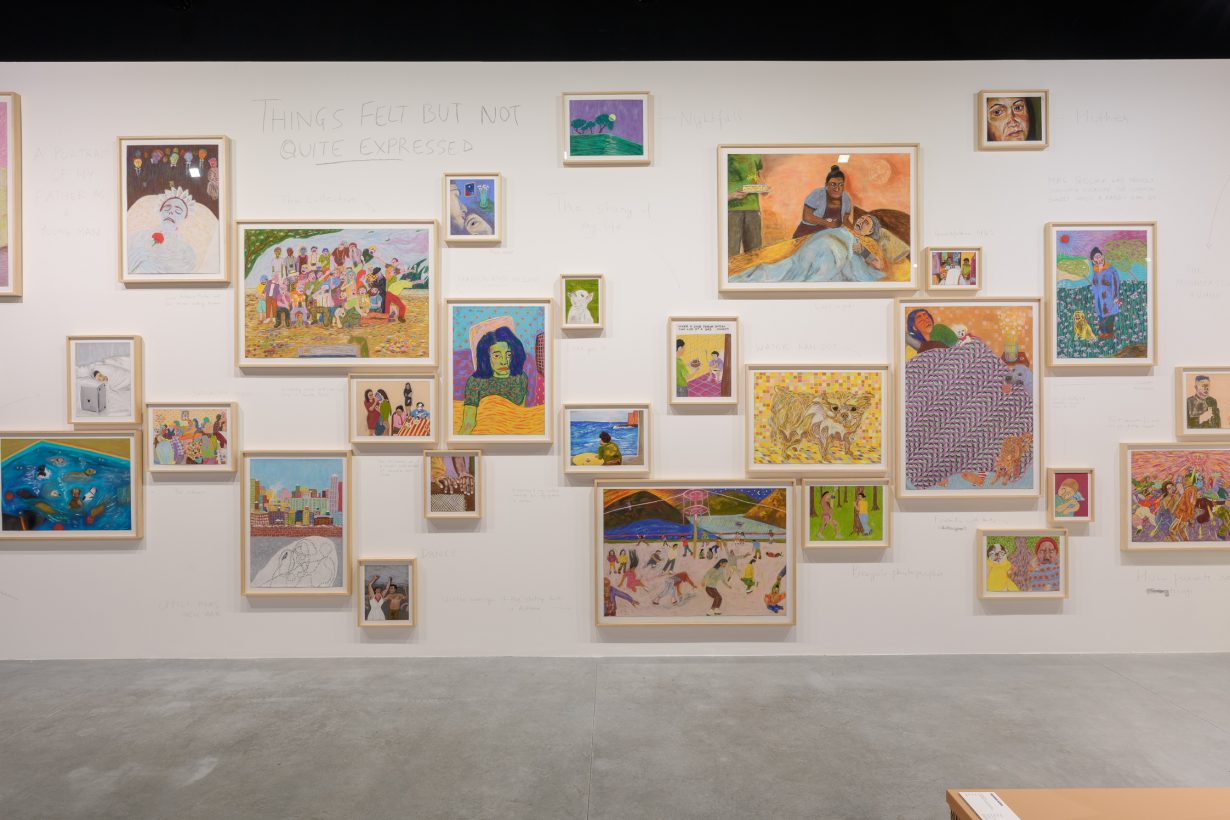
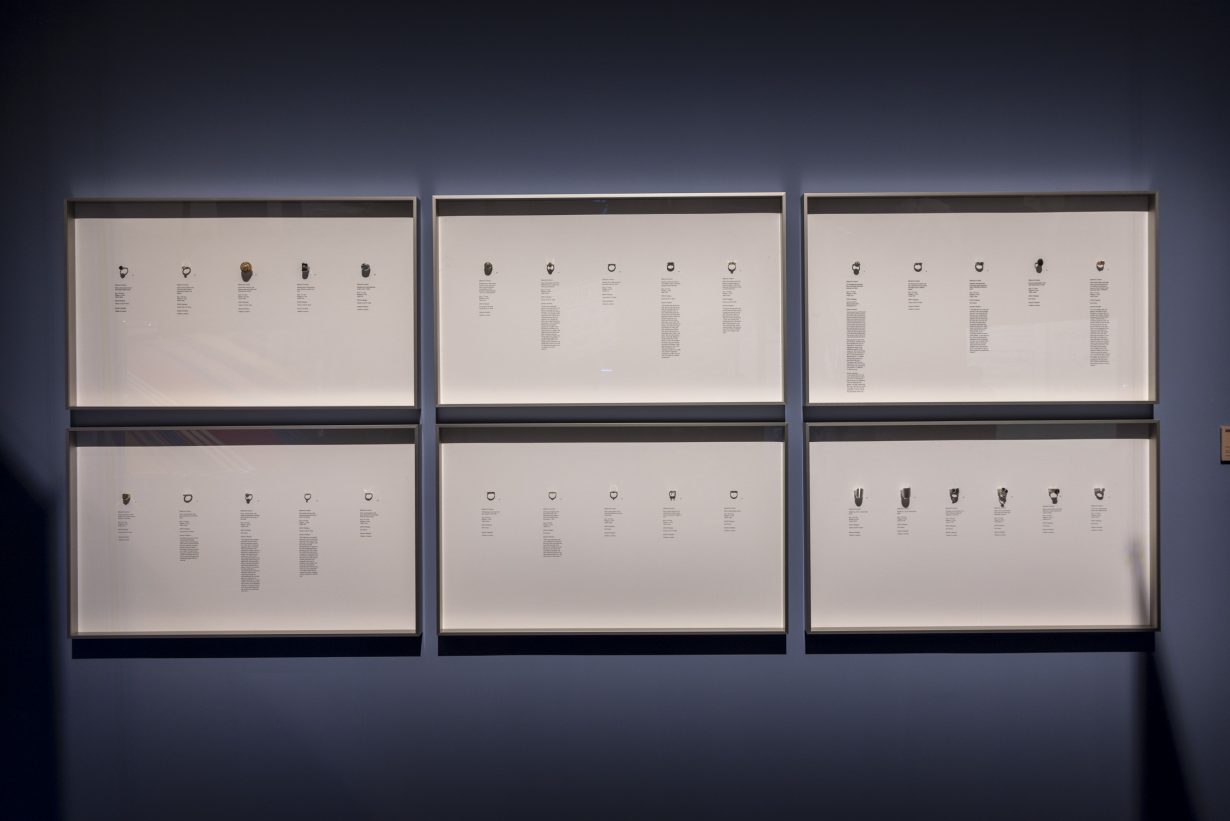
Most impressive, though, are the works that mourn without flowers. These include Sohrab Hura’s portrait of three members of a family staring down at the pallid body of their grandmother, shrouded on the floor. The work hangs within a salon-style presentation of pastel drawings from Hura’s ongoing series Things Felt But Not Quite Expressed (2022–). A note tucked in the shroud beside the deceased’s gaping mouth matter-of-factly lists the date and time of her death. In Rose Salane’s shadowbox display of jewelry, Panorama 94 (2019), psychics were asked to commune with former owners of found rings. ‘This woman worked in the office. Her husband recently had an operation,’ a line of text beneath one of the rings reads. ‘I feel like this ring belongs to a woman who was trying to lose weight,’ another psychic reports. The statements read like wistful eulogies, full of enchantment, yet refreshing, freewheeling, blunt and cheeky.
In any case, there is reason to think about death at the Biennale. Just beyond the Arsenale’s walls, during the vernissage, Art Not Genocide Alliance (ANGA) were in front of the Israeli Pavilion reminding visitors of the ongoing genocide of Palestinians in Gaza (an hour earlier, in the Giardini in front of the Russian Pavilion, Pussy Riot demonstrated against Russia’s invasion of Ukraine), reminders that state-sanctioned violence – the kind that fuelled centuries of chattel slavery – rages on while the art promise ‘oases’ and ‘contemplation’ and ‘deep listening’.
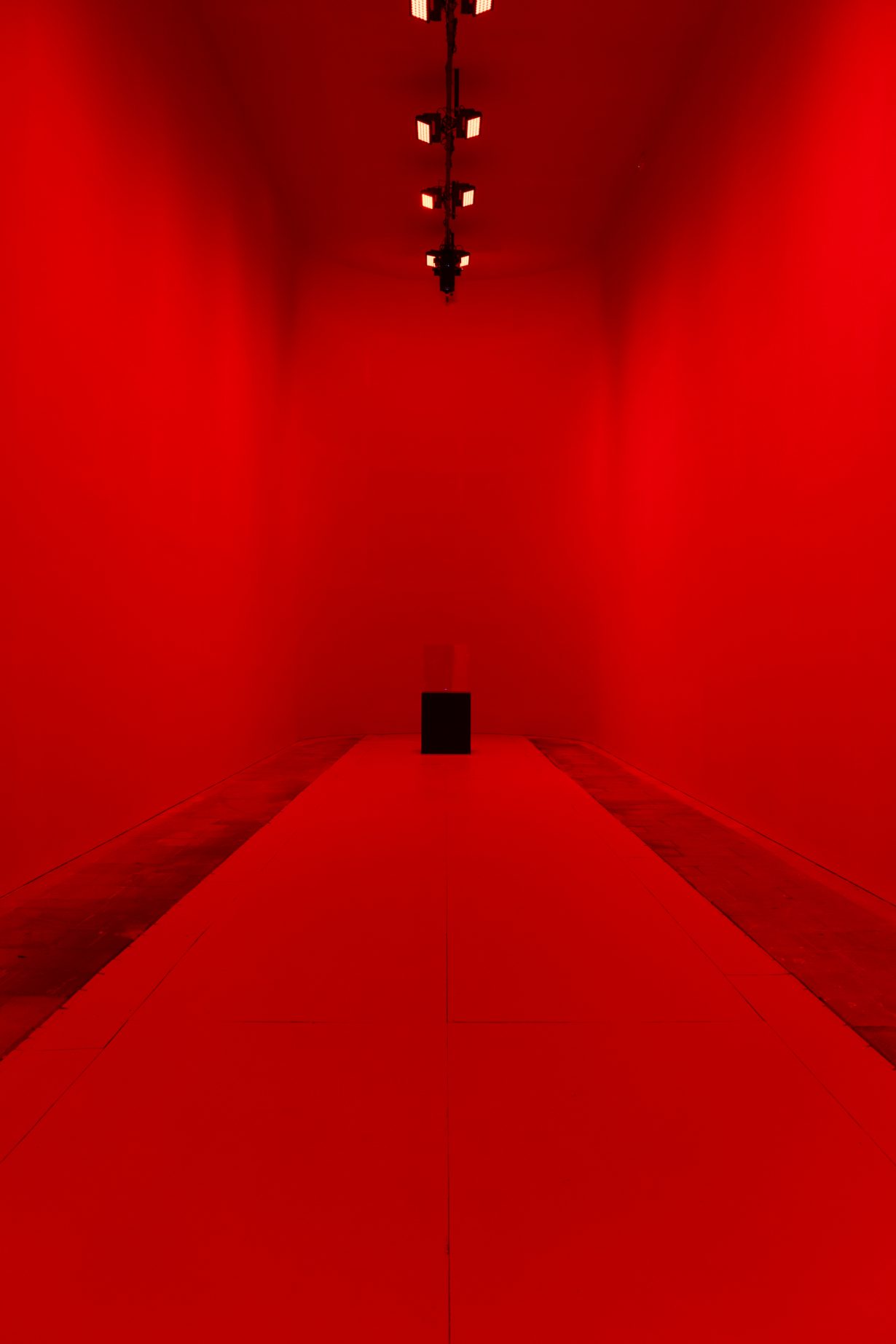
As the show went on amid chanting and unrest, Alfredo Jaar’s blindingly crimson installation, The End of the World (2023–24), began to resemble a vision of hell on earth: blocks of text line one of its red walls, describing the minerals pressed into a cubic crystal in a vitrine on the far end of the room. ‘The atomic bombs dropped on Hiroshima and Nagasaki were made with lithium,’ those (few) who read the text are informed. ‘The United States military uses germanium in night vision goggles to kill people… Most coltan is mined by artisanal miners, including child labour in the Democratic Republic of the Congo. They feel the weight of global coltan prices in their bodies’; under other circumstances, it might equally evoke an upscale red-light therapy room. This is quintessential biennale art: visually seductive, responsibly researched, culturally portable and diplomatic, a protest conducted with fine-print slogans and no concrete demands. It all, in the end, feels increasingly lifeless, like a relic from a bygone era of neoliberal globalisation. In Minor Keys is what’s been called a ‘posthumous exhibition’ – due to Kouoh’s sudden death last May – but perhaps what is really being mourned is the institution of the biennale itself: the fantasy of a cultural Olympics where political antagonisms can be temporarily sublimated through aesthetic experience and euphemistic commentary.