Nicholas Pope, sculptor whose career came in two acts, 1949–2026ArtReviewNewsartreview.comMay 5, 2026The British artist emerged as a minimalist but went on to embrace colour
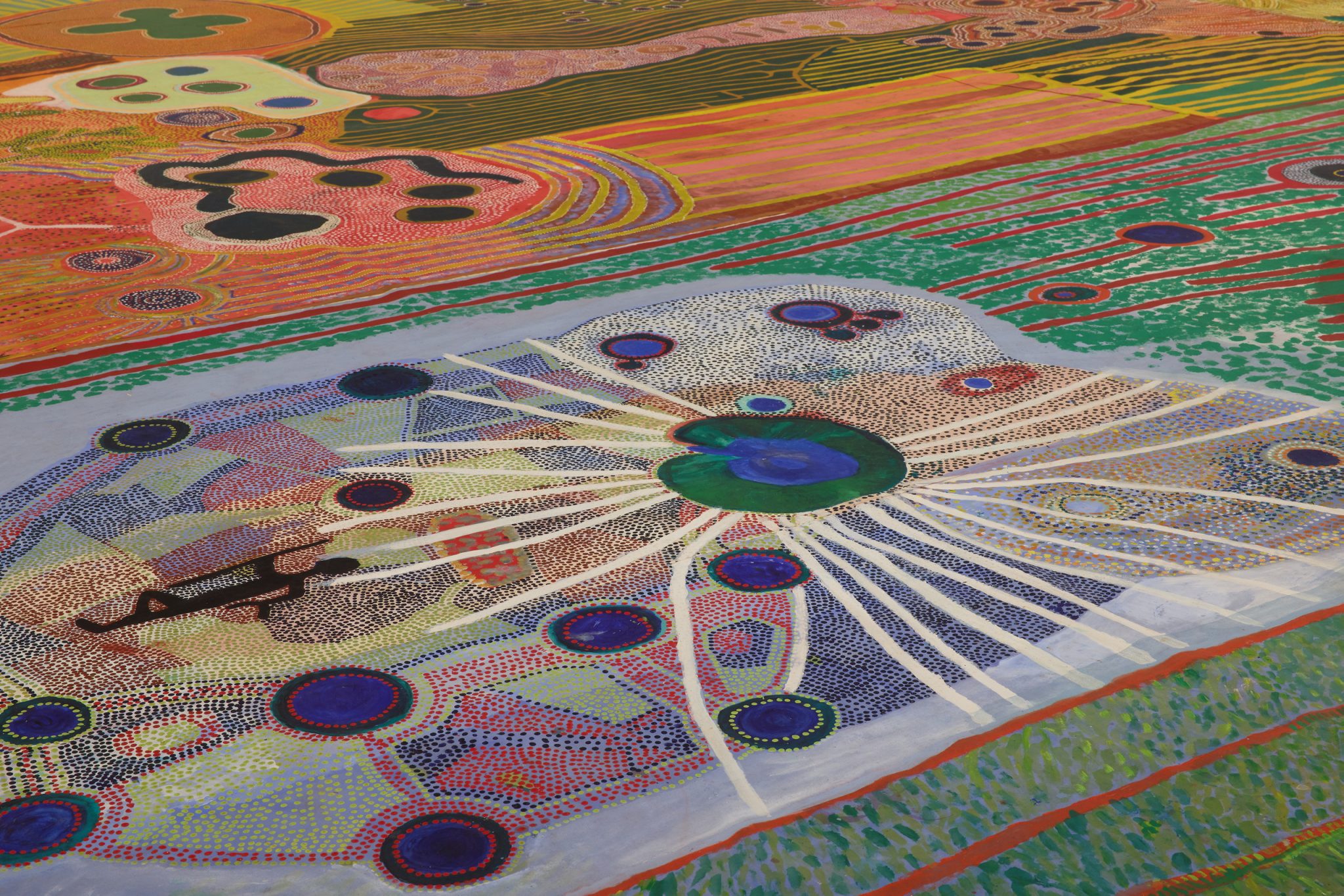
Khaled Sabsabi on Representing Australia at the 61st Venice BiennaleArtReviewVenice Biennale: Artist Q&Asartreview.comMay 5, 2026“Only mass collectivity can really change the world”
Goen Choi and Hyeree Ro on Representing South Korea at the 61st Venice BiennaleArtReviewVenice Biennale: Artist Q&Asartreview.comMay 5, 2026“Does an entomologist change the world? Does an air-conditioner repair technician change the world? We may be attributing too much weight to art”
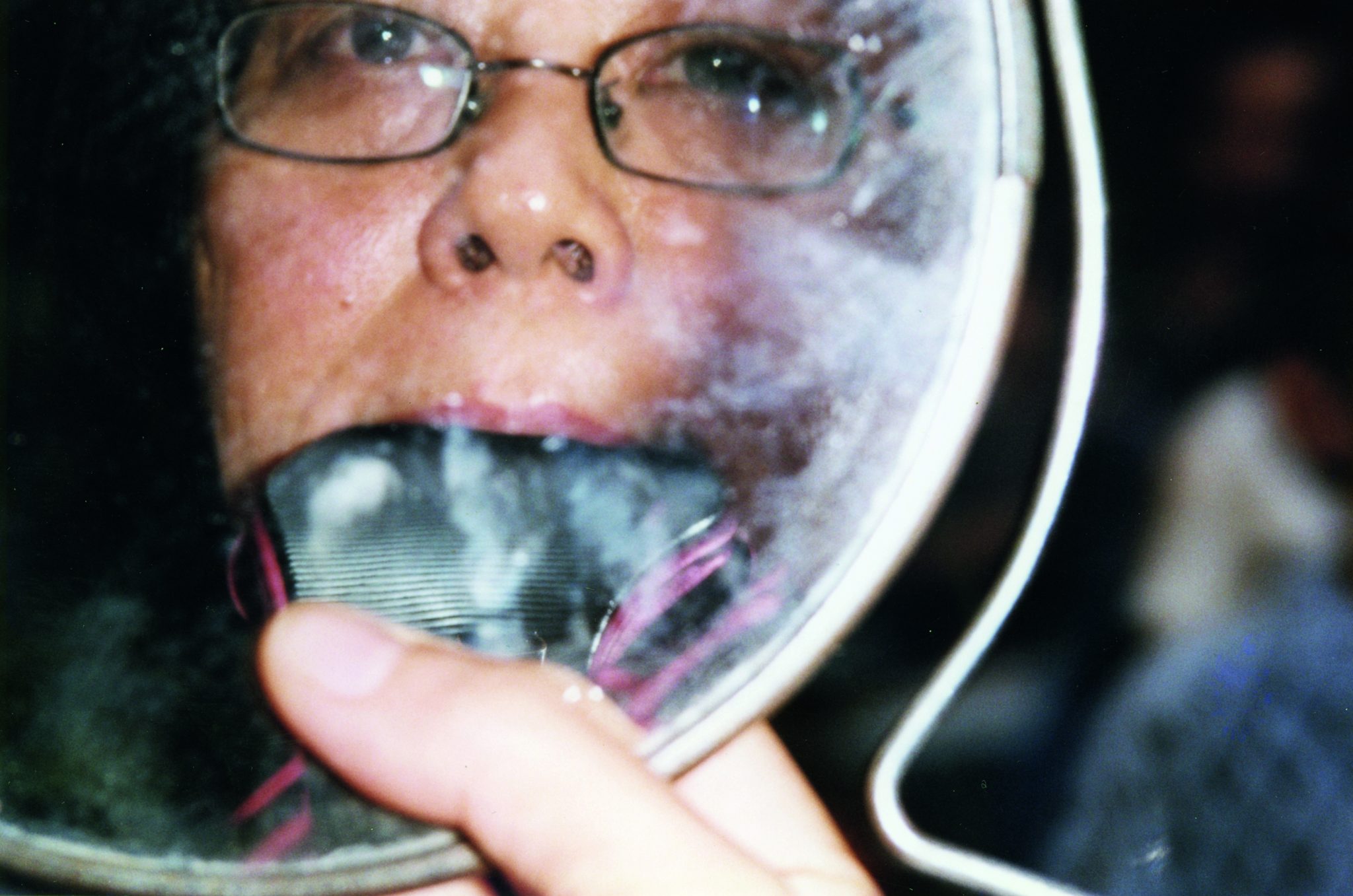
Amanda Heng Walks the WalkAdeline ChiaFeaturesArtReviewMay 5, 2026The Singaporean artist turns everyday gestures into feminist acts that reclaim the body, labour and relationships as sites of personal autonomy
The Interview: Gabrielle GoliathJoyce JoumaaFeaturesartreview.comMay 5, 2026“Violence exceeds the physical, operating structurally and pervasively, to the point that it is naturalised as the very air we breathe”
Margaret Whyte on Representing Uruguay at the 61st Venice BiennaleArtReviewVenice Biennale: Artist Q&Asartreview.comMay 3, 2026“I really don’t know what people know or don't know about my country, except perhaps soccer”
Pavel Brǎila on Representing Moldova at the 61st Venice BiennaleArtReviewVenice Biennale: Artist Q&Asartreview.comMay 3, 2026“Now, I really want to scream. I don’t want to just say something – I want to scream”
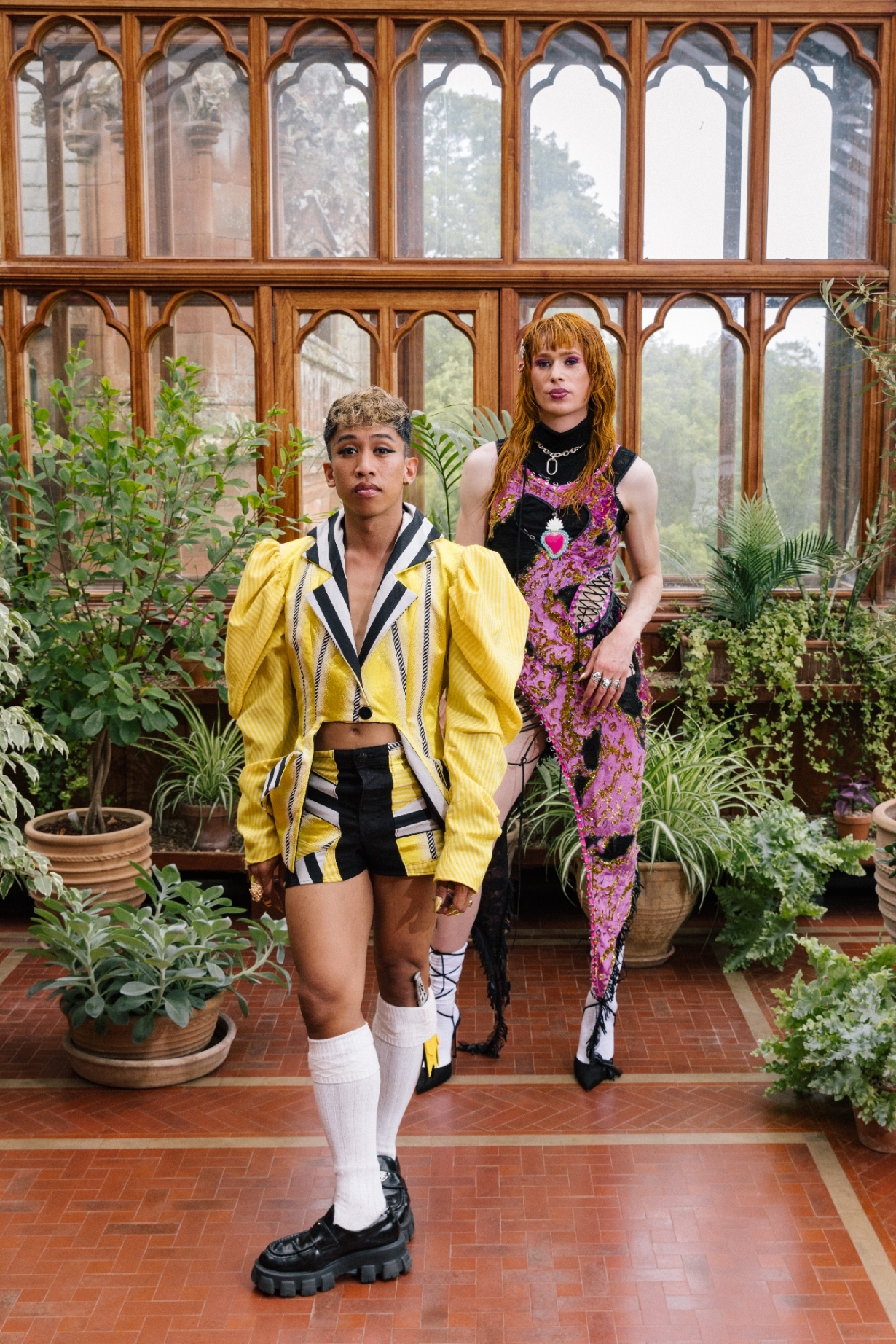
Bugarin + Castle on Representing Scotland at the 61st Venice BiennaleArtReviewVenice Biennale: Artist Q&Asartreview.comMay 3, 2026Perhaps the Biennale is the beginning but not the centre.
25th Biennale of Sydney Review: From the MarginsNaomi RiddleReviewsArtReviewMay 3, 2026Rememory, the 25th Biennale of Sydney, is a timely rumination on marginalised histories, but the context in which it takes place supercharges its potency
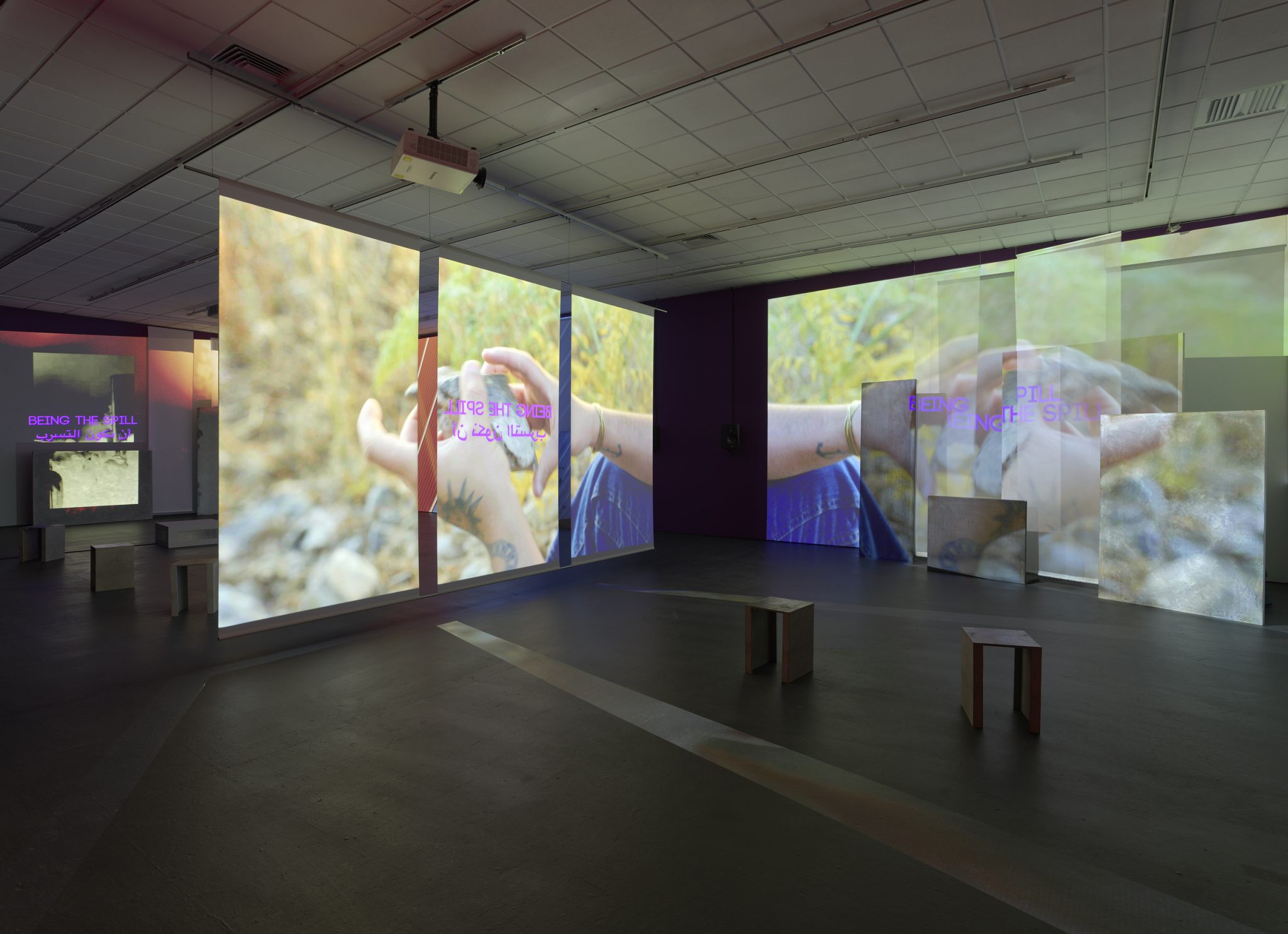
Basel Abbas & Ruanne Abou-Rahme: Archivists and ActivistsJenny WuReviewsArtReviewMay 3, 2026‘Prisoners of Love’ embodies Abbas and Abou-Rahme’s strategy of using art to frame and disseminate suppressed information