‘How can a technology so embroiled in environmental violence at the same time stand outside it?’
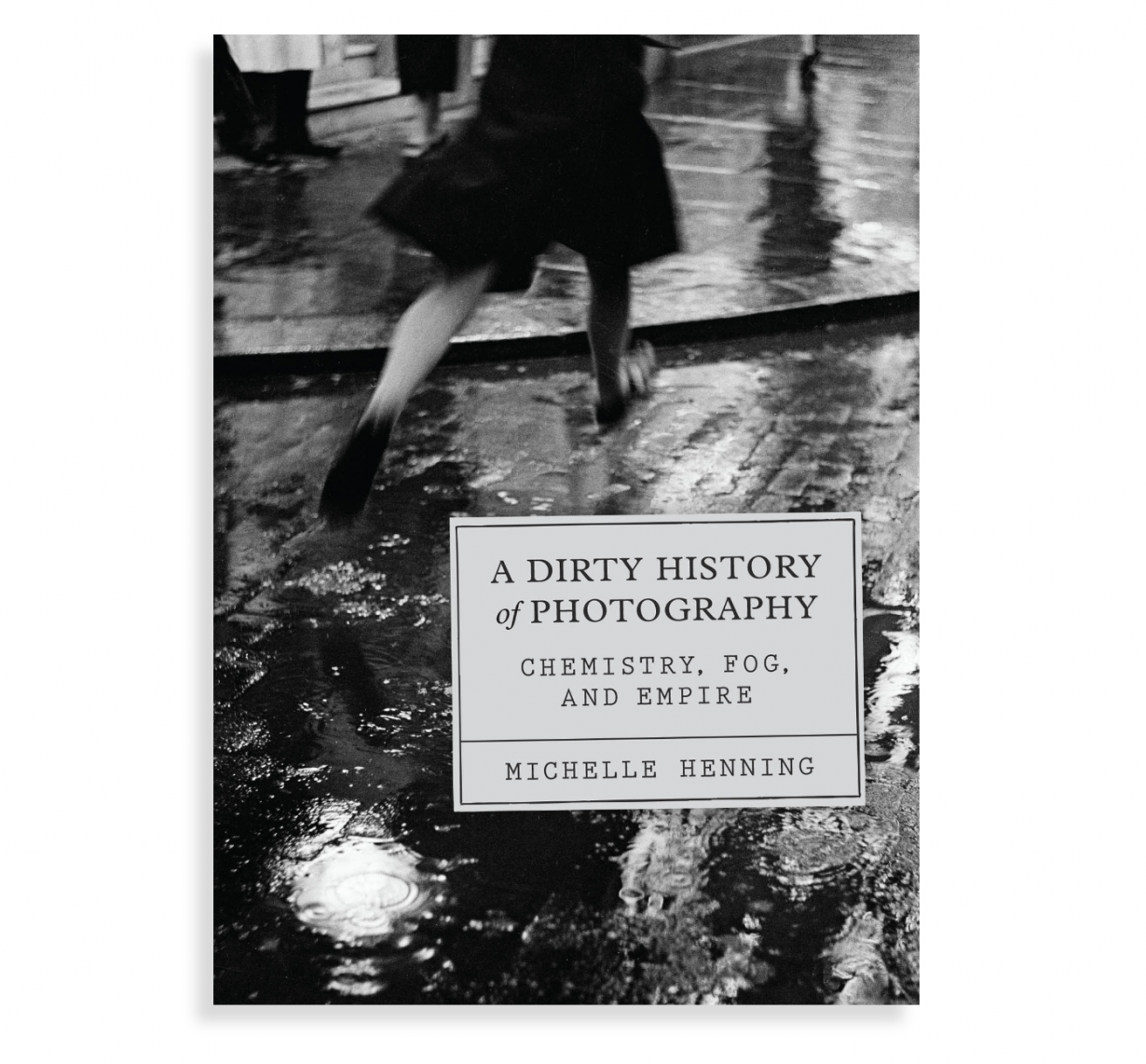
Though the medium is often presented as pure, photography is a dirty matter. Photographic chemicals are toxic, and its invention and development as a visual medium has depended on the technologies and byproducts of coal mining. Yet from the off, photography has been described as the ‘pencil of nature’ and entrusted with the role of picturing it. ‘How can a technology so embroiled in environmental violence at the same time stand outside it?’ asks artist and media historian Michelle Henning.
Partly based on research in the archives of a British manufacturer of photographic materials, Ilford Limited (founded in 1879), the book comprises 36 – the number of exposures on a long roll of analogue film – short essays that capture photography’s history through its entanglements with the environment. We move from photography’s codevelopment with the coal mining and chemical industries to the conceptual tool it affords studies in psychoanalysis and medicine. Central to Henning’s argument is photography’s sensitivity not only to light but also to dust, humidity, temperature and airborne chemicals, vulnerabilities the photographic industry framed as defects. The result is less a linear history than a montage of unexpected thumbnails in a contact print.
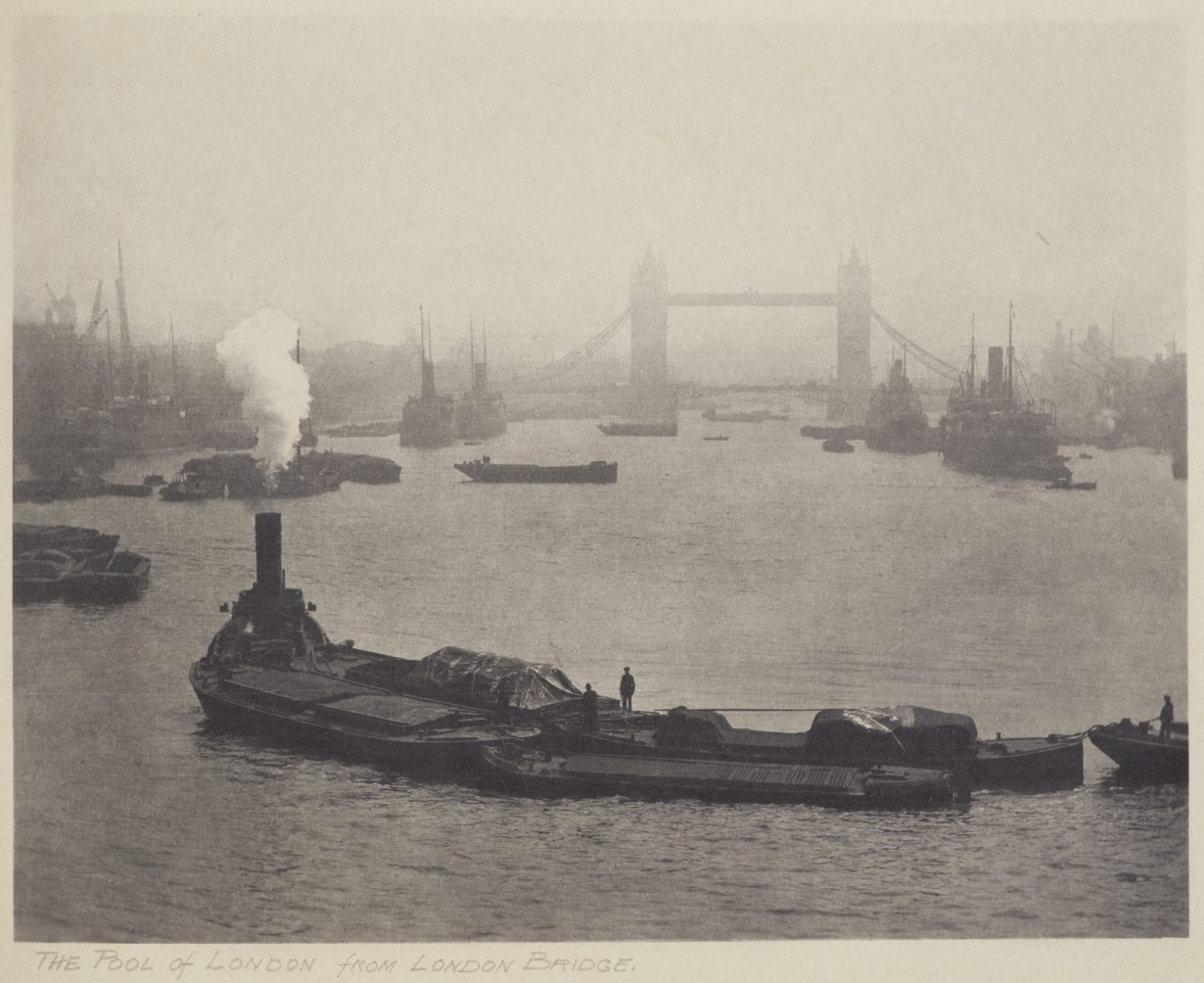
Photography did not simply document environmental conditions but responded to them. Fog (what we would call smog today), for example, was a perennial photographic subject in London. It was seen as evidence of Britain’s industrial ‘progress’, and the resulting murky images were hailed for their ‘peculiar picturesqueness’. In photography, however, the term ‘fog’ has a more technical meaning. It refers to ‘an overall and uneven, muddy, or lackluster appearance’ in the print or negative – literally the result of an ‘impure atmosphere’, according to an Ilford instruction manual. In Henning’s close reading of ‘fogged’ photographs, the pictures register not only a subject but the condition under which that subject’s image was captured; ‘the marks and blotches of an image’, writes Henning, ‘speak of the very air that surrounded it’.
It follows that the history of the industry is a battle to make it climate resistant – to separate spaces of production from their surroundings. As film development services became more widely industrialised from the 1920s onwards, darkrooms shapeshifted from domestic setups into Fordian complexes where films and papers moved from one air-conditioned room to the next. It’s a process that, Henning writes, echoes the contemporary trend of urban ‘encapsulation’, one where the indoors became ‘spaces of exception’ that are ‘atmospherically sealed from a dirty, noisy, turbulent outside’, even as air-conditioning (which used fluoride chemicals) continued to pollute the latter.
One of the book’s most intriguing, if slippery, turns comes midway in Henning’s rereading of Walter Benjamin in atmospheric terms, via his making an example of Mussolini’s gas warfare in Ethiopia (1935–36). ‘Aura’ – which Benjamin defines as a ‘unique presence in time and space’ in his essay ‘The Work of Art in the Age of Mechanical Reproduction’ (1935) – comes from the Greek for ‘morning mist’. To behold a landscape, he writes, ‘is to breathe the aura of those mountains, of that branch’ – an experience of being immersed in a specific time–space that photography disrupts. Reflecting on Mussolini’s use of poison gas, Benjamin writes, ‘aura is abolished in a new way’. Placing photography and poison gas side by side, Benjamin presents both as technologies that alter and destroy the conditions of atmospheric experience: one via mechanical reproduction, the other via literal contamination of the air. Henning reads it as a doubling down on the modern fantasy of separation from the atmosphere itself, a distancing that enables environmental and humanitarian violence. A Dirty History is an experiment in finding the atmospheric in historical documents. It provides a method of making tangible photography’s fraught relationship with the invisible forces that have done so much to shape it over time.
A Dirty History of Photography: Chemistry, Fog, and Empire by Michelle Henning. University of Chicago Press, £28.50 (hardcover)