Anandi Mishra thought she had it good in Delhi
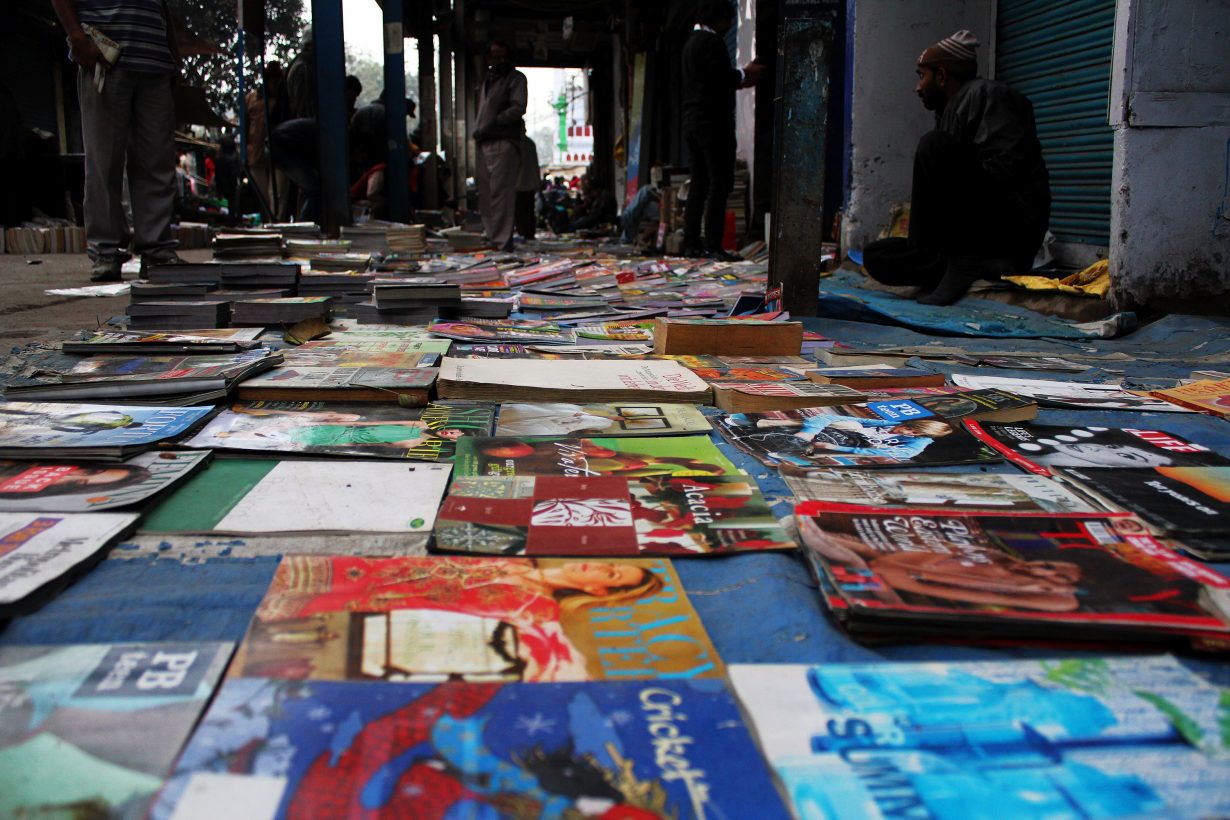
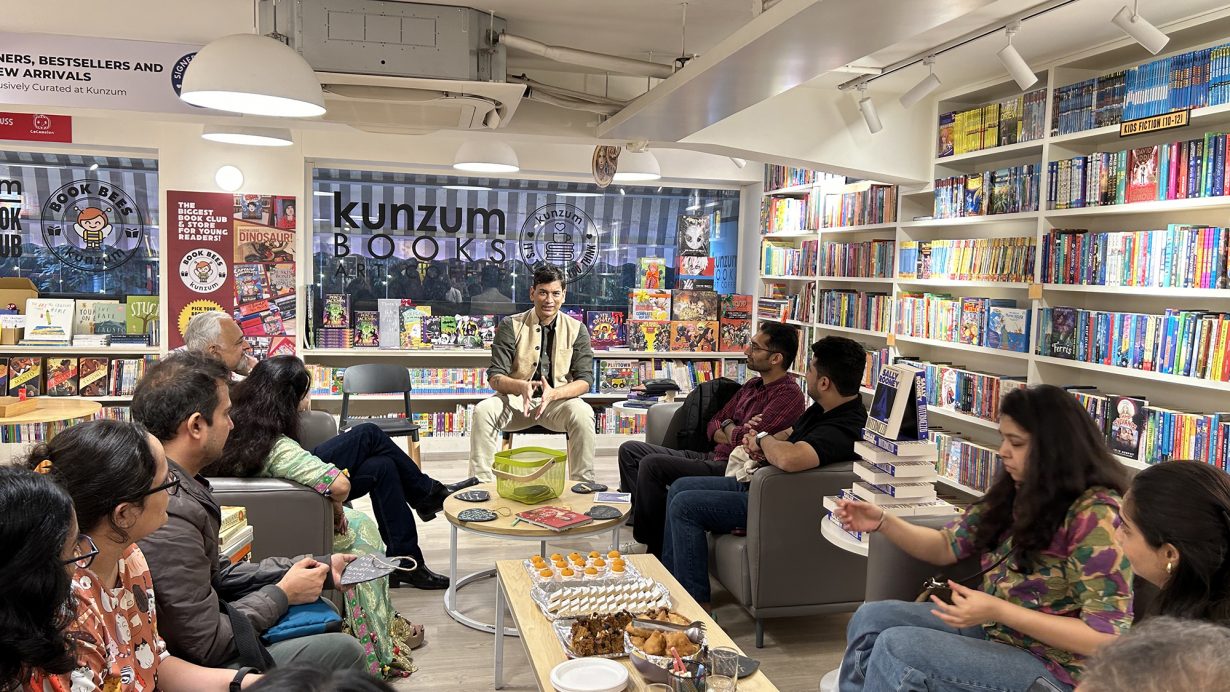
For as long as I can remember, I’ve been a reader. I was a reader back in Delhi, where I grew up, but after moving to Gothenburg, located on the southwest coast of Sweden, I found myself reading more, faster and with a hitherto unseen hunger. Rides on public transport placed me beside fellow travellers who were devouring books in physical and digital formats. As an avowed reader, the places I sought to socialise as a newly arrived foreign national were bookstores, and Gothenburg had a healthy range of options. From a variety of chain bookstores, to independent ones, to those that stocked secondhand copies. I felt at once spoiled and confronted by the perennial question that haunts us readers – where do I start? In Delhi some of my beloved independent bookstores shut shop in the last few years. From Café Turtle in Delhi’s famous Khan Market to the prettiest outlet of Kunzum bookstores in Vasant Vihar, many are wrapping up due to a variety of reasons. Announcing its closure recently, Hauz Khas’s Promenade Books posted: ‘It has become harder to hold space for looking, lingering, and thinking’. The story of bookstore chains is similar, with large ones like Crossword losing retail brick-and-mortar space post-COVID.
As the year wound up, I did a rough calculation and found that I’d read more than 75 books in the year 2025 in Sweden, whereas in India I’d barely ever clocked a number upwards of 20. I often experienced a disconnect between the books that were available in Delhi’s bookstores and the ones that I wanted to read. While they stocked bestsellers, books recently released or the ones circulating on social media, a lot of the indie European or American or British titles that I was looking for would be absent, leaving little room for serendipitously finding my next read. Whereas here in Gothenburg I’ve constantly felt spoiled for choice.
In April 2025 Gothenburg University published research findings stating that record numbers of Swedish people read or listened to a book in 2024. This made sense. Almost every neighbourhood in the city comes with its own used bookstore alongside a chain one. The romance of used books pulled me towards these stores across the city, where I found titles that had long been on my list – I Love Dick (1997) by Chris Kraus, If Only (2024) by Vigdis Hjorth, Enter Ghost (2023) by Isabella Hammad, all the works of Georges Perec.
I clearly remember the June afternoon when a fellow reader from a book club walked me to the Stadsbibliotek in Götaplatsen. He showed me how to get a membership and where the café (which serves the city’s best croissants) was, and I was on my way. I remember that introduction as a pivotal day in my life as a reader here in Gothenburg. Over the coming months, through the aisles of the library, I’d discover more authors and genres in languages far and beyond what I’d known before.
Even though I am proficient in German, I prefer to read in English, in which language the library hosts a vast choice of titles, amounting to only slightly less than its Swedish holdings. I consider myself an open minded reader who can pick up an author despite knowing nothing at all about them or ever even having heard their name. This worked wonderfully within the library and used- and indie-bookstore rounds that I made here, as somehow it felt easier to find a broader variety of authors: European classics, American bestsellers, British pulp fiction.
Back home in India, reading for me was limited to the books I found in the chain and indie stores. Indian public libraries have long suffered due to lack of funds, and interest from readers and the government alike. I lived in Delhi, which is known for its bookstore tourism, but it was perhaps something about my life and ways of going about it that limited my options there. I worked 10–12 hours a day, often from my office or home. I took calls during my commute, arranged lunch meetings over dosas and filter coffee, and even sat through virtual meetings or replied to work emails while waiting for visa appointments. Weekends when I was not working I was often too exhausted to get out of bed. This life left little time to pursue a private pleasure like reading.
But here in Gothenburg, even as I worked different hours, alongside everything else that comes with moving to a new country, it felt different. For a year and a half I only travelled by public transport, and I was often surprised to see people read physical copies of books or magazines or pamphlets in both Swedish and English. During one of my early days in the city I saw a guy on the tram holding his phone horizontally, and I quietly resigned myself to the assumption that he was watching a video. Later, as I alighted the tram, I noticed that he was, in fact, reading an ebook. It wouldn’t be an exaggeration to say that that idea changed my life, at least as a reader. In the last year I ended up reading more ebooks than physical ones.
I purchased physical books from stores, bought ebooks on offer, borrowed titles from the library and was soon swimming in a vast ocean of reading. I remember the day I worked from the library when, after lunch, I ambled along the aisles in the nonfiction section and found a very good looking hardback copy of Katherine Angel’s Unmastered: A Book on Desire, Most Difficult to Tell (2012). I picked it up, brought it to my seat and read through the first few pages. It fell immediately into the cache of books about female desire, written in that irreverent, atypical style that had always attracted me. Had it not been for the library I’d have never made my way to it.
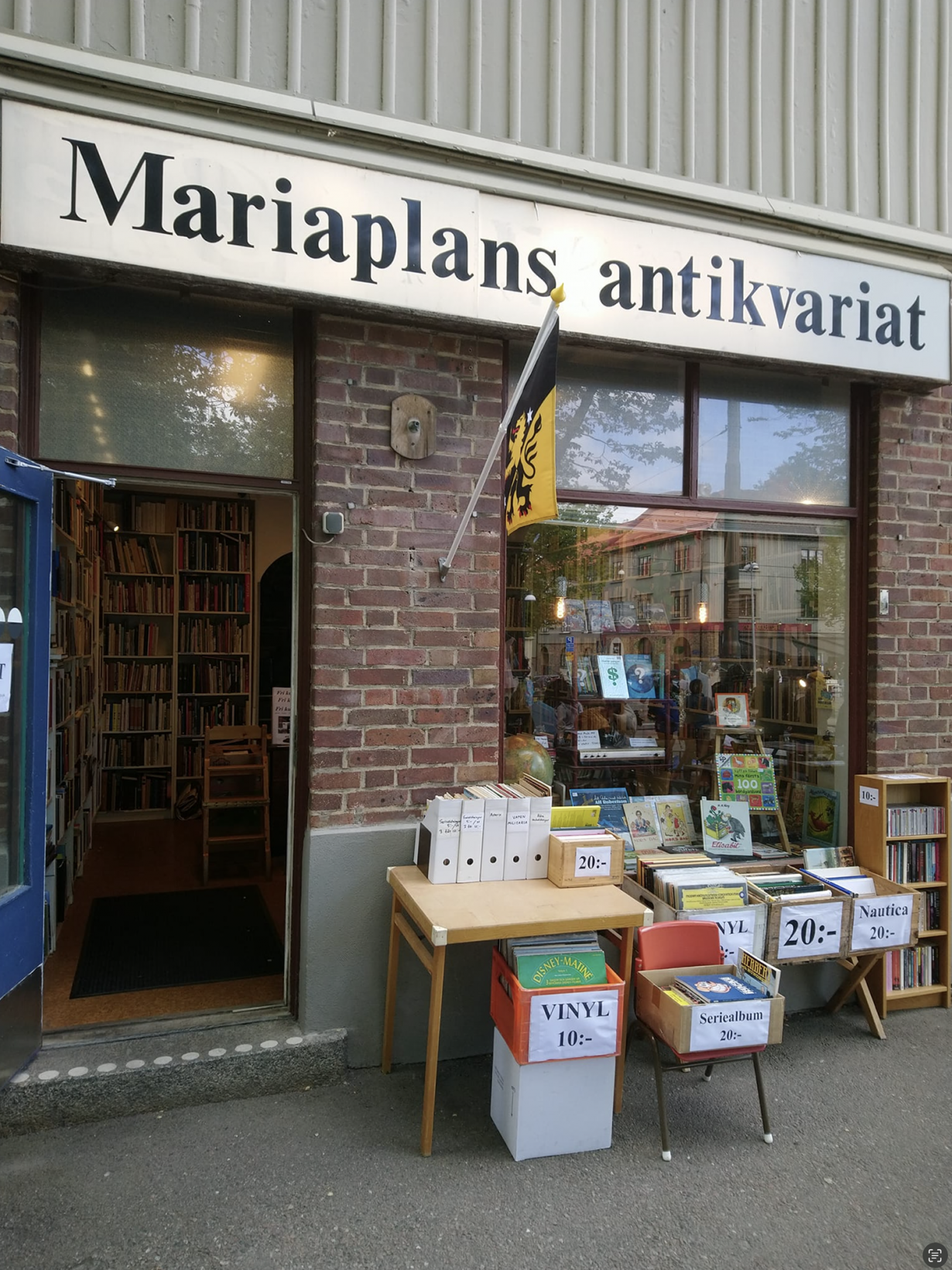
The used stores in the city have their own micro-market mood. Mariaplans Antikvariat is located in the hipster neighbourhood of Majorna, which is known for families with kids and the best korv (sausage) in the city. Their collection is an evenly distributed mix of titles on existentialism, the Bhagavad Gita, Gandhi, W.G. Sebald and Geoff Dyer. I found a special-edition copy of Ulysses (1922) released on Bloomsday in Dublin, a pocketbook of poetry by Keats, Teju Cole’s Every Day Is for the Thief (2007) and various other titles. Similarly, Läs is More, located near the city centre, has its own collection of fiction, from romantasy to sci-fi to titles like Chris Kraus’s.
While in India there’s a different range and variety to be explored, I found myself inclined more towards the kind of books on offer in Sweden. In a sense it is also a matter of my literary tastes and inclinations. India’s lack of public libraries certainly has a role to play in limiting options, but there is a vast array of Indian regional-language novels (I read and enjoyed novels translated from Kannada, Malayalam, Tamil, Punjabi and Urdu in addition to those in my mother tongue, Hindi), nonfiction and poetry by Indian writers that I devoured independently. While I’ve missed finding more Indian and subcontinent writers’ works in the library and stores here, I’ve managed to read some of the American, British and European authors I’d long wanted to. It’s not possible to win every time.
With another variety of options here in Sweden and inspiration from fellow readers to find my way towards newer titles, I’ve found a new way of reading. I picked up Knut Hamsun’s Hunger (1890) after seeing someone reading it in the library, and similarly found my way to Vigdis Hjorth’s and Solvej Balle’s works after finding their books in the recommended section of the indie bookstore I frequent here. There’s an unmissable appeal in the works of Helle Helle, Olga Ravn and Karl Ove Knausgård that the rest of the world seems to be catching up with. While crime fiction from Scandinavia is more famous worldwide, it’s the literary fiction that has attracted me. There’s a fresh honesty in these works, far away from the buzz of trends and topics that dominate the news; these novels really tackle the everyday like the event.
We’re in a cold winter now and the temperatures have been below five degrees for a few weeks, and yet it’s not uncommon to see people with a book in hand soaking in the sun in the park to enjoy their Saturday afternoon. I’ve spotted fellow commuters reading in Swedish, English and Norwegian, and it has made me miss serendipitously spotting the Hindi typeface in the hands of a fellow reader. Perhaps next I will pick up my freshly arrived copy of Vinod Kumar Shukla’s poetry and hope that fellow commuters and readers will feel curious about him – just as I was inspired to pick up Kierkegaard after seeing a teenage boy on the tram reading him last year.
From the Spring 2026 issue of ArtReview Asia – get your copy.