Simon Reynolds’s Still in a Dream is an eloquent, enduring argument for an art of bliss and bewilderment
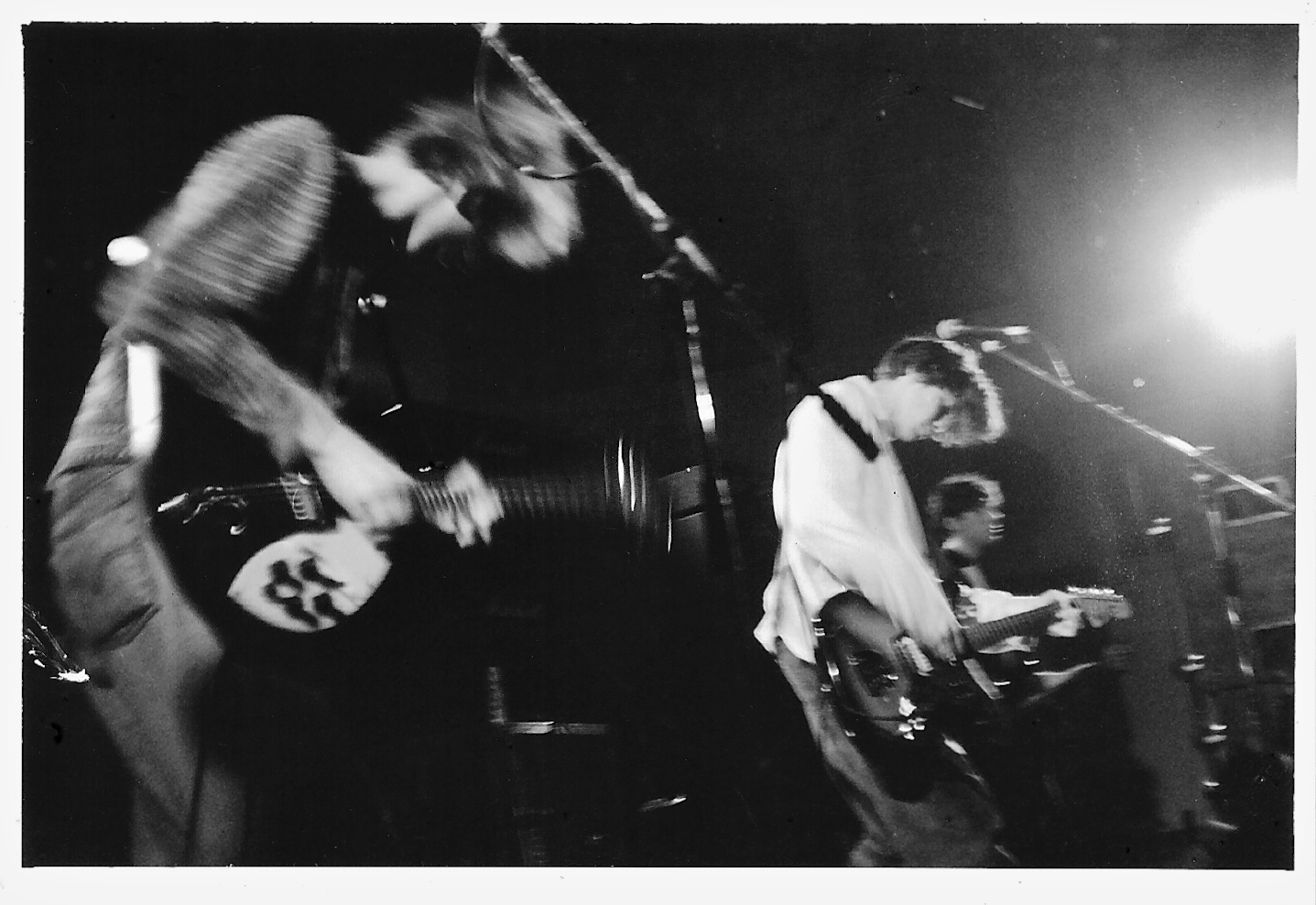
The subtitle of Simon Reynolds’s book spans a wide spectrum of music. Beginning with the ‘ethereal world’ of Cocteau Twins and the enigmatic murmuring of early R.E.M., the music critic goes on to exalt the cultivated miserabilism of The Smiths and Felt; the jet-stream distortion haze of Hüsker Du and Band of Susans; the hollering surrealism of Pixies and Throwing Muses; Butthole Surfers’ body-horror grotesquery; the narcotic drone of Spacemen 3; the swooning introspection of Slowdive; Big Black’s brutalising, machinic punk-metal; and even the tune-down riff-reveries of first-wave grunge. Yet uniting all this – as signalled in the title quote from My Bloody Valentine’s emblematic 1988 track (When You Wake) You’re Still in a Dream – is a thesis on withdrawal.
The historical narrative is loosely this: in the wake of fiery punk heat and colder postpunk calculation, an array of independent scenes and underground artists advanced in a spirit of creative retreat: backing away from arch or ardent lyrical content, burying vocals deep in the mix or surrendering to waves of intensely saturated guitar effects. For some, stage presence was defined by self-conscious diffidence. In songs, allusions to everyday life were abandoned in favour of dream-state abstraction or delirious, absurdist fantasy. For Reynolds, one embryonic instance of these secessionist tendencies is mid-1980s ‘anorak’ indie: acts like Talulah Gosh (featuring artist Elizabeth Price) who crafted styles of fauxnaïf teen innocence in both their anti-glamour appearance and lovelorn lo-fi guitar pop. But it’s the era’s more overwhelming sonic tides – submerging the listener in drenching sound – that Reynolds treasures as supremely galvanising aesthetic experiences. A chapter on selfdeclared ‘dreampop’ duo AR Kane paints the modest oeuvre of Alex Ayuli and Rudy Tambala as near unsurpassed in its discordant, destabilising beauty. Fusing dub reggae’s echo-spaces with rock’s electric dissonance and the improvisatory freedoms of far-out jazz, this was music as engulfing miasma – experiments in ‘guitar reinvention’ rivalled only at that time, Reynolds believes, by Sonic Youth and My Bloody Valentine.
Drawing on his time as a staff writer on Melody Maker, Reynolds remembers moments of intellectual ambition: linking the ‘dazed and defused’ feel of Sonic Youth’s Daydream Nation (1988) to Paul Auster’s 1985 novel City of Glass, for instance, or comparing the ‘melted sound’ of My Bloody Valentine (as described by frontman Kevin Shields) to lines by Roland Barthes (‘I fall, I flow, I melt’). Such recollections of youthful critical questing represent something distinctive within the continuum of Reynolds’s writings. (By my count, Still in a Dream is his tenth book.) Here, his autobiographical presence offers a counterpoint to the book’s focus on artistic self-effacement: Still in a Dream tells a story of personal discovery, revisiting situations of revelation, transformative encounters with new music, new places, new loves. And if sometimes the retrospective view allows Reynolds to raise an eyebrow at the callow convictions of his early-career criticism, mostly he remains keen to honour his onetime commitment to all-consuming rapture, paying tribute to the zealous vitality of writing that risked ‘absurdity by taking things too seriously’.
The coinage ‘shoegaze’ first surfaced as a snarky music-press riposte to Melody Maker’s rhapsodic coverage of neo-psychedelic guitar bands. But like many former slurs, the term has shaken off its mocking associations. Though not one of Reynolds’s favoured designations, he nonetheless sees how a shoegaze ‘aestheticism of surrender’ retains its cultural worth. (‘Slacker’ rock, he argues, has similar virtues: soundtracking dejected withdrawal with swells of immersive noise.) Framed by Thatcherism in Britain and the Reagan–Bush hegemony in the US, Reynolds historicises his preferred schools of 1980s and 90s underground rock as resistant partisans of ‘desire and dream’, pitting ‘intensified existence’ against ‘the coarsening values of the mainstream’. But he makes an ongoing case too. Both eulogy and manifesto, Still in a Dream is an enthralling, nostalgic meditation on formative, lost-in-music moments and an eloquent, enduring argument for an art of bliss and bewilderment.
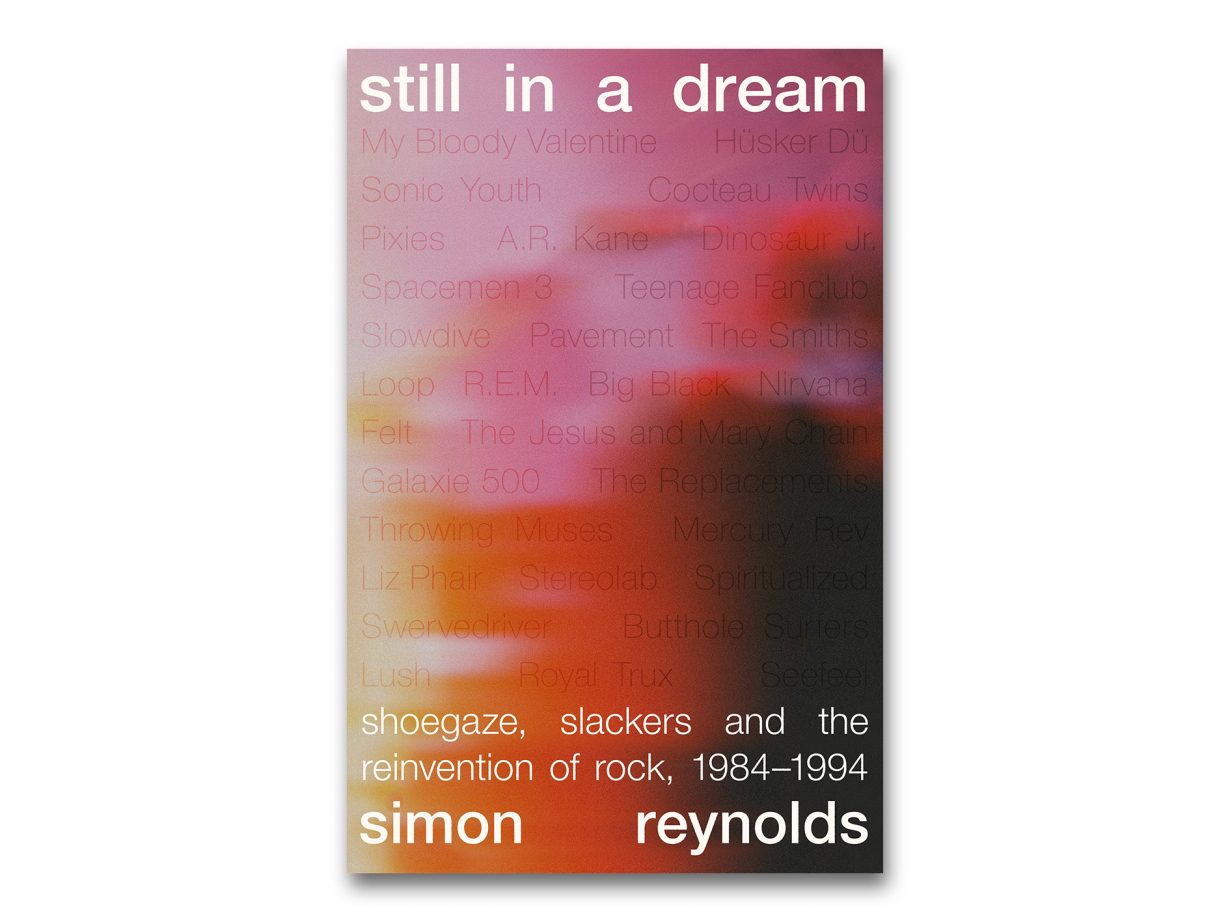
Still in a Dream: Shoegaze, Slackers and the Reinvention of Rock, 1984–1994 by Simon Reynolds. White Rabbit, £23 (softcover)
From the September 2026 issue of ArtReview – get your copy.