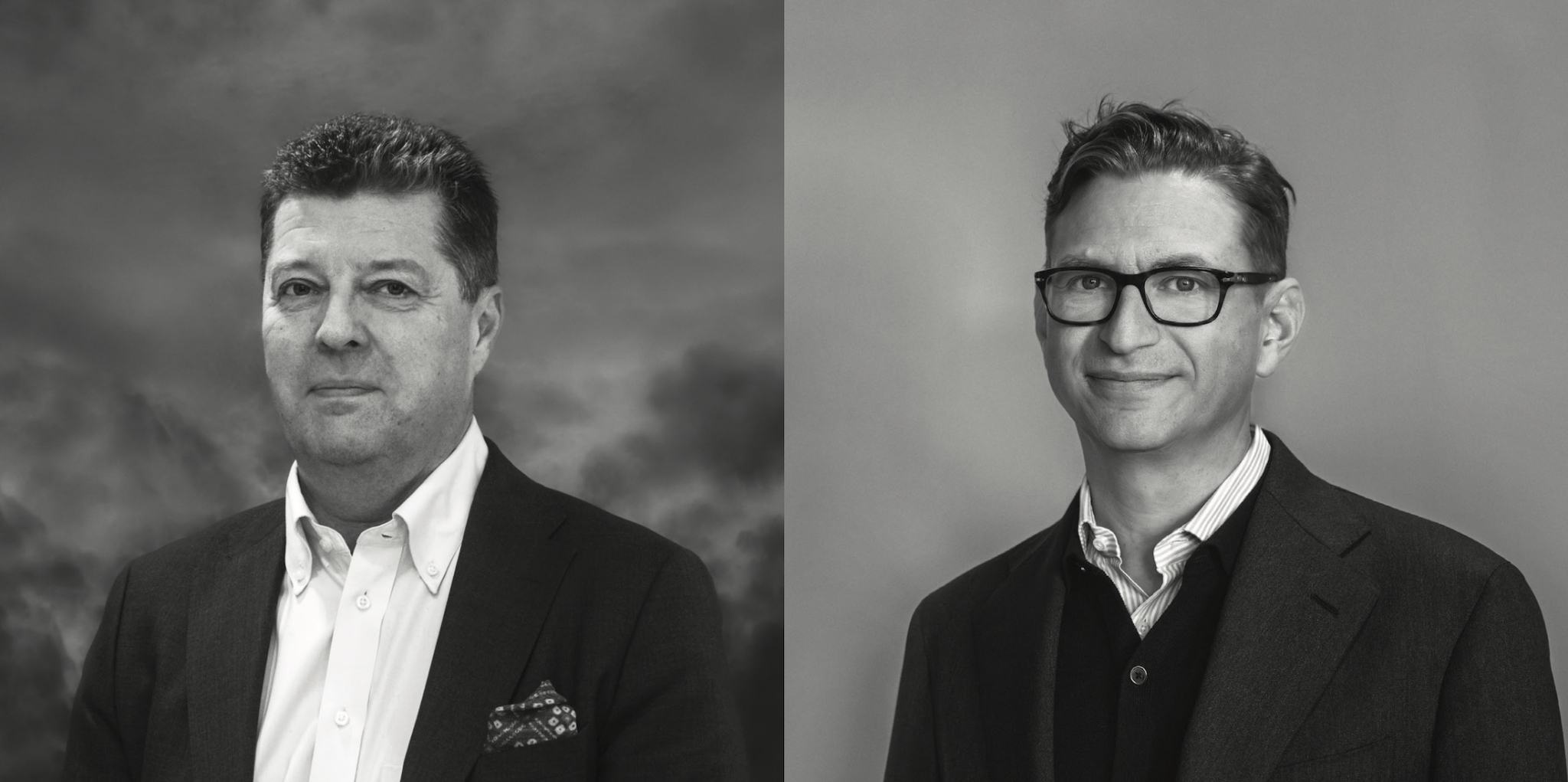
“The Biennale continues to hold a certain appeal – although obviously not for everybody – even if its ethics have crumbled”
ArtReview sent a questionnaire to artists and curators exhibiting in and curating the various national pavilions of the 2026 Venice Biennale, the responses to which will be published daily in the leadup to and during the Venice Biennale, which runs from 9 May through 22 November.
Eglė Budvytytė is representing Lithuania; the pavilion is in Castello.
Celebrating Visions. Versace partners with ArtReview to share stories from the 2026 Venice Biennale.

ArtReview Tell ArtReview what you plan to exhibit in Venice. What has influenced or inspired you?
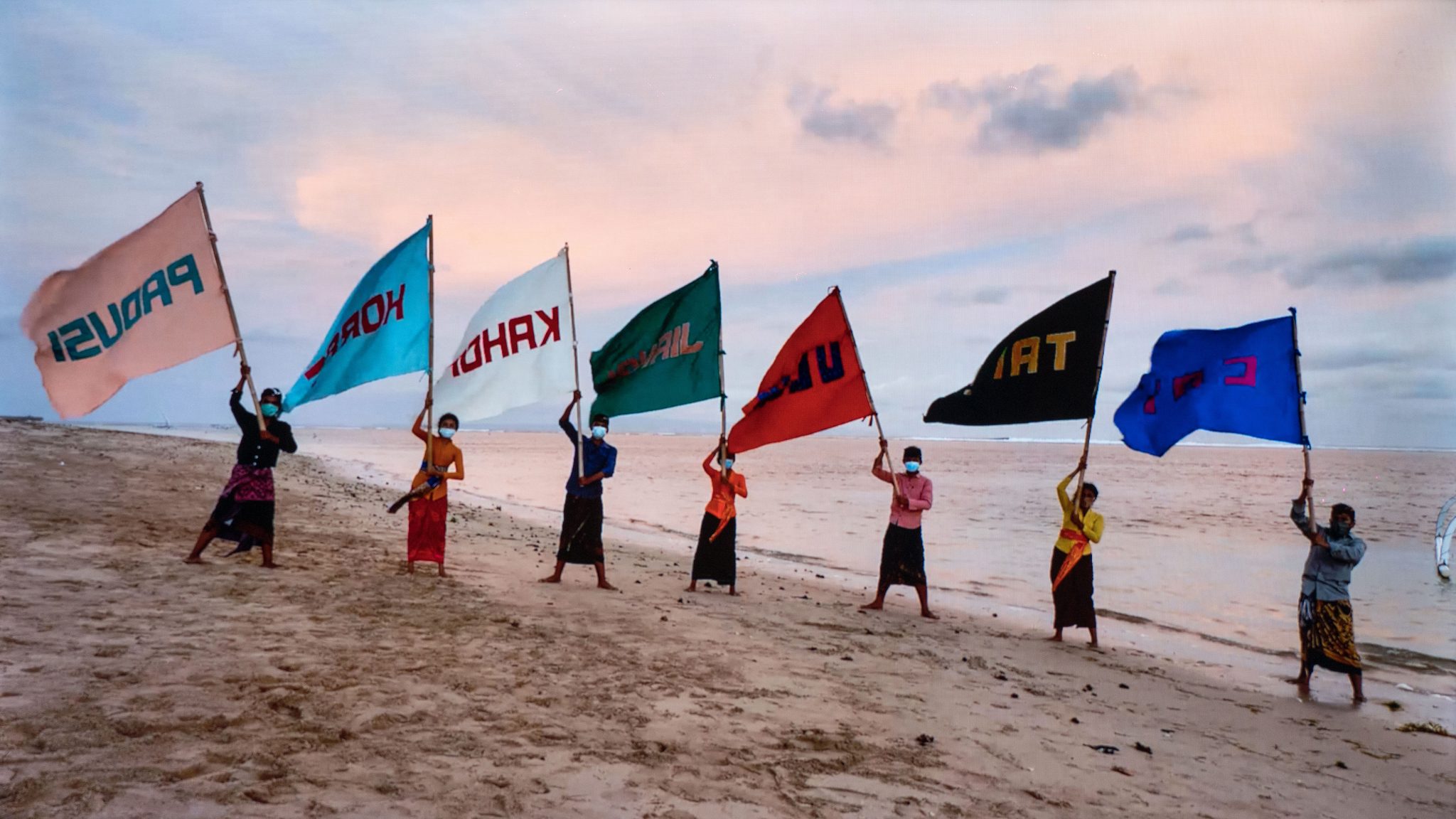
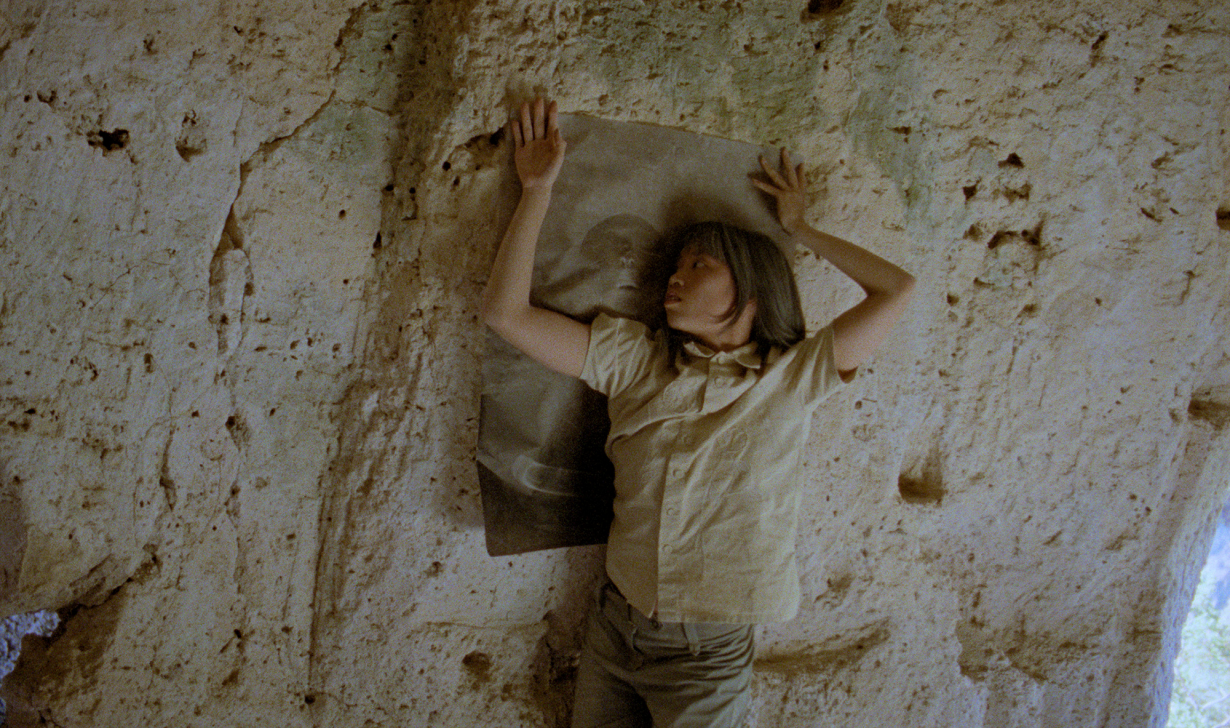
Eglė Budvytytė We will show a film installation interpreting the archaeological research by the twentieth-century Lithuanian archaeologist and anthropologist Marija Gimbutas. She researched Neolithic spiritual and cultural practices across Southern and Eastern Europe, and proposed a nonviolent, animist and feminist vision of so-called prehistory. Gimbutas’s theories and the artefacts she excavated inspired this project.
AR In what ways (if at all) does your work relate to the theme of the Biennale exhibition, In Minor Keys?
Budvytytė did not answer.
AR Why is the Venice Biennale still important, if at all?
EB We in the art world and its institutions have been taught for so long to desire that kind of visibility and international platform as the ultimate destination for sharing work. The Venice Biennale is still important because unlearning these desires is a demanding and lengthy process that requires deep collective introspection. So the Biennale continues to hold a certain appeal – although obviously not for everybody – even if its ethics have crumbled.
AR What role does a national pavilion play at a time of increasing confrontational nationalisms? Is it about expressing difference or commonality?
EB I am trying to host multitudes inside the Lithuanian pavilion and wriggle myself out of the idea of national representation. I worked with collaborators from across different geographies who brought their own strong presences and experiences as performers to the film.
AR Who, for you, is the most important artist (in any discipline) that your country has produced?
EB There are many. If you would like one, it could be Jonas Mekas.
AR What is something you want people to know about your nation that they might not know already?
EB Can we replace the word nation with a country or place in this question? Lithuania was the last place in Europe to be Christianised, in the late fourteenth century. We continued praying in the woods for a few centuries longer and preserved a pantheon of gods and goddesses connected to elements and animals. This sensibility and relationship to the environment is still latently present in the collective psyche of the place.
AR Given that you are exhibiting in a national pavilion, is there something (a quality or an issue or attitude) that distinguishes the art of that nation from that of others? That makes it particular? Are there specific contexts that it responds to? Or do you think that art is a universal language that goes beyond social, political or geographic boundaries?
EB I think we need to collectively abandon this language that talks about art in relation to the nation and look for other words that help us conjure the world beyond nation-states and the imperial violence that the Venice Biennale chooses to host.
AR What, other than art, are you looking forward to seeing – or doing – while you are in Venice?
EB Catching my breath.
AR Could you give us a brief overview of your average working day while creating your presentation in Venice?
EB Some days I would get up at 6am and drive for half an hour with the crew to rehearse in the caves or in the sea in Puglia. I would have loved for this to last longer than ten days. Others, I would go to my studio and work on song recordings until late in the evening. However, many days and weeks were spent on less exciting activities such as long Zoom meetings, coordinating logistics or writing fundraising applications from my home in Amsterdam.
AR Can art really change the world?
EB It needs to be combined with activism and organised collective resistance.
The 61st Venice Biennale runs 9 May through 22 November 2026