The contemporary art museum’s inaugural exhibition, (In)visible Presence, if a little solipsistic, has an air of quiet advocacy
The new contemporary art museum Dib Bangkok has, since its splashy opening in December, been heralded as the brightest of several Bangkok art scene spots. Yet the spatial experience offered by its sleek, tranquil setting in a former steel warehouse seems, if anything, to distance us from its host city rather than centre it. To step across the threshold and walk up its path, past the reflective pond and cooling tower, is to leave behind the city’s overstimulation. And, you may initially infer, its art scene’s offerings.
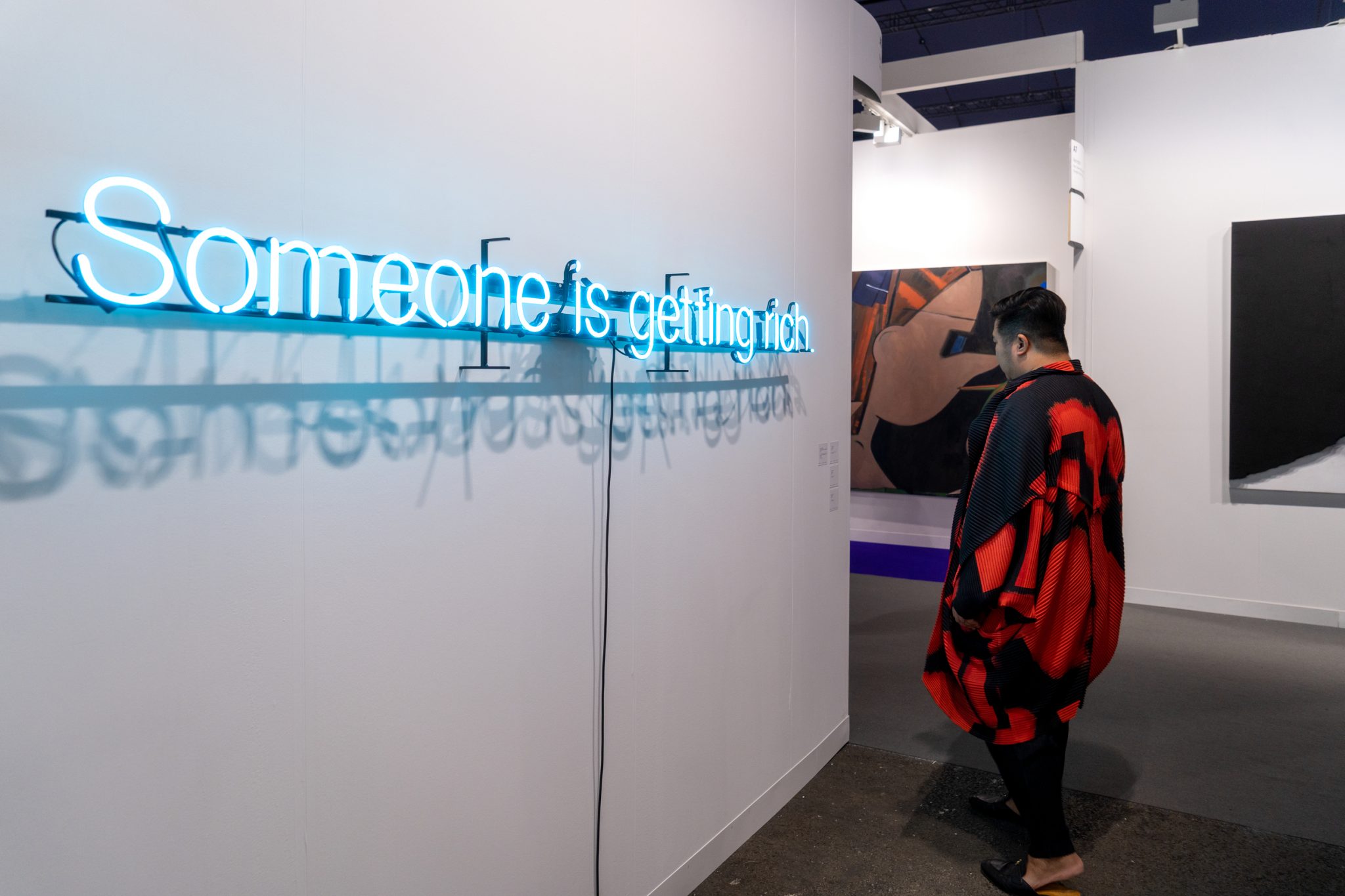
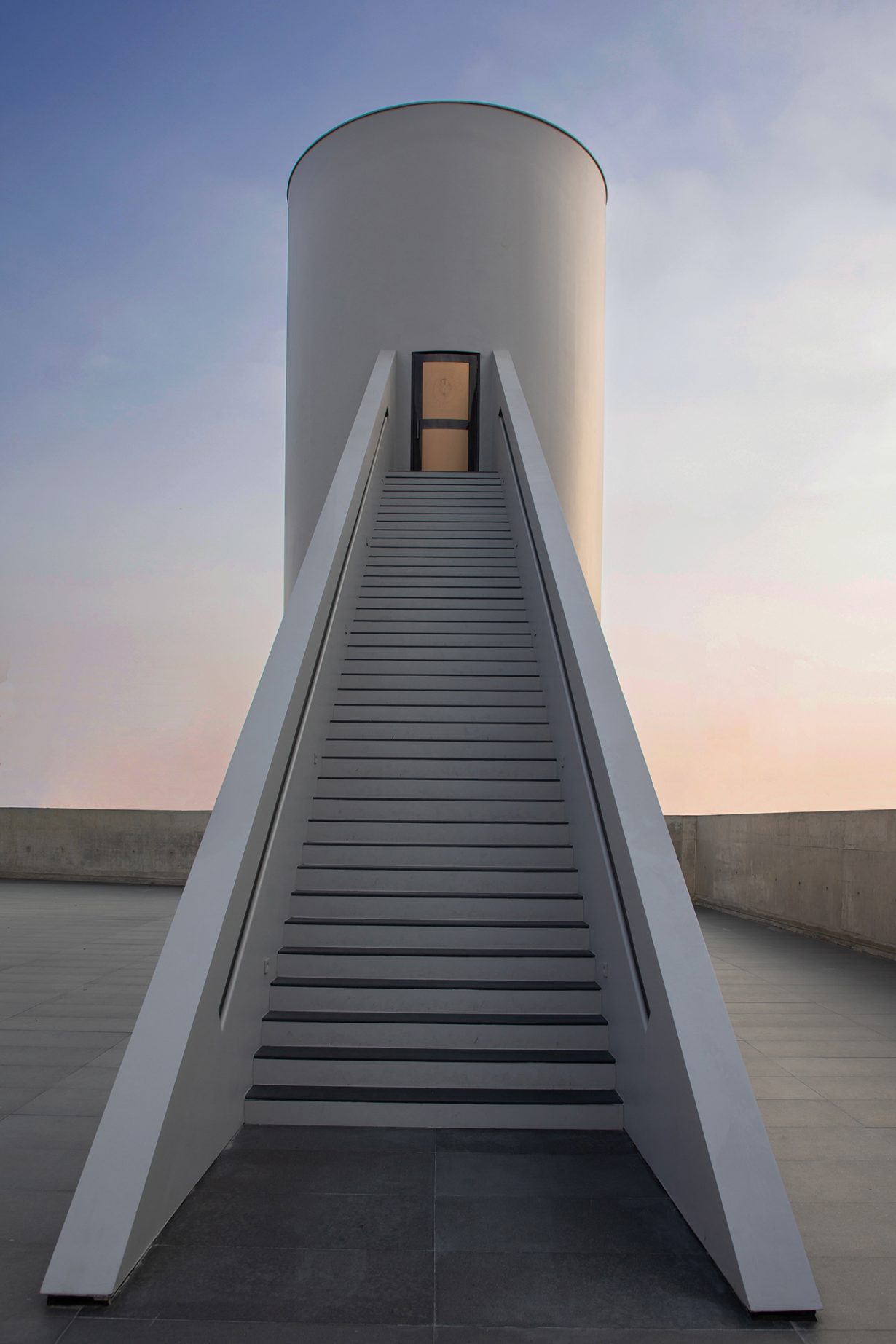
On your left, a blue bench by Finnegan Shannon alludes to this private museum’s troubled gestation: ‘It was hard to get here’, reads a line of white text. On your right, 11 stone spheres by Alicja Kwade (Pars pro Toto, 2020) are scattered, like giant marbles or miniature planets, across Dib’s vast courtyard. And in the far distance, the precipitous staircase leading to James Turrell’s sky-viewing room Straight Up (2025) – ‘his first major structure in Thailand’, the website announces – rises up near Sho Shibuya’s MEMORY (2025): an 85m-long billboardlike display of abstractions of sunrise superimposed over blown-up New York Times frontpages. Only later, once you have explored every corner of Dib’s exterior, do you come face-to-face with a work by a Thai artist: Breast Stupa Topiary (2013), a constellation of reflective stainless-steel sculptures by Pinaree Santipak.
Seen in the context of the Thai art scene’s infrastructure deficit – most glaringly, the failure of the state to open its National Art Gallery in Bangkok, despite a physical building and a growing collection of Thai contemporary art being in place – this clutch of pan-global artworks seems, collectively, to rebuff any hope or prospect of this 7,000sqm space being a Thai-centric museum, despite its clear roots in noblesse oblige. Dib Bangkok, these outdoor sculptures serve to imply, will reflect the internationalism of its late founder (businessman Petch Osathanugrah), and not be beholden to any national need or narrative. And that impression continues. Walking through the three floors of (In)visible Presence – an inaugural show of 80 works by 40 artists, curated from a collection of over 1,000 by director Miwako Tezuka and her inhouse team – it becomes clear that Osathanugrah was, in addition to being the CEO of energy-drinks firm Osotspa, a dreamer who roved far and wide in search of artwork that sparked his interest in the universal, the poetic and the philosophical.
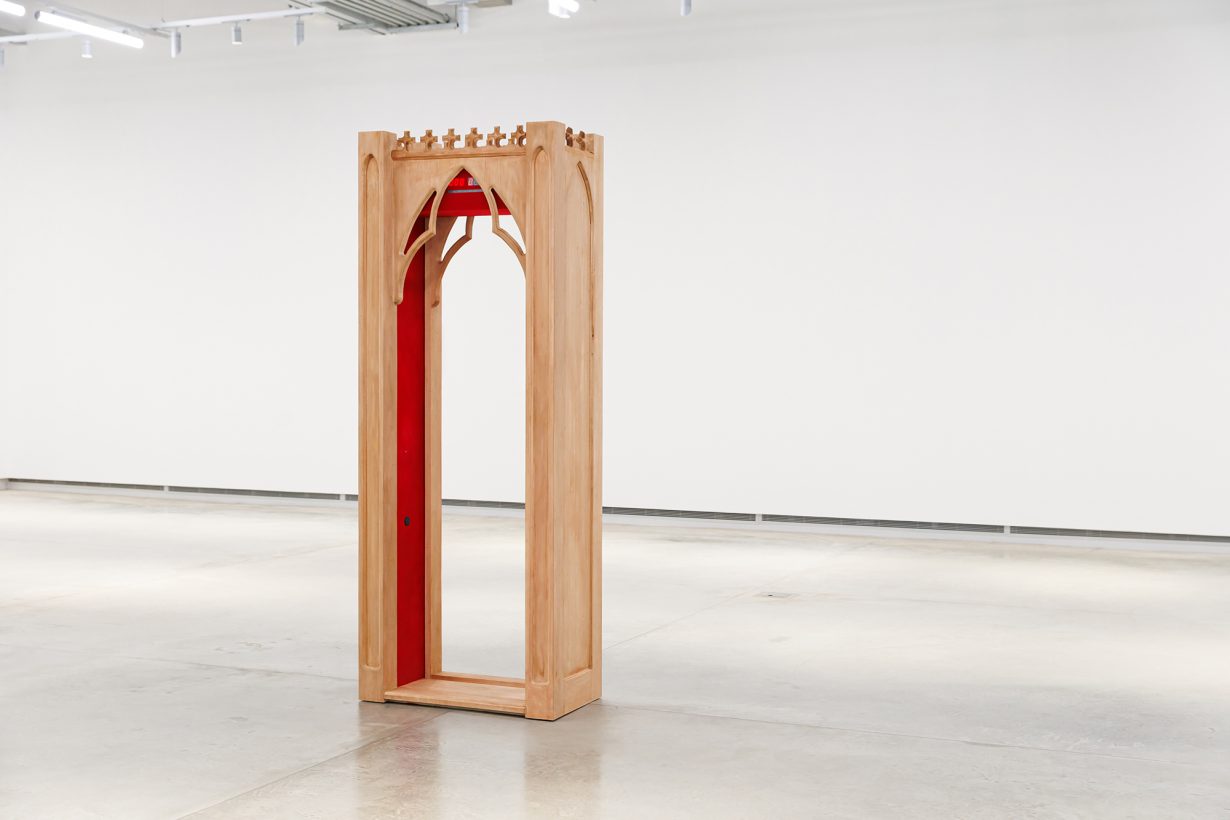
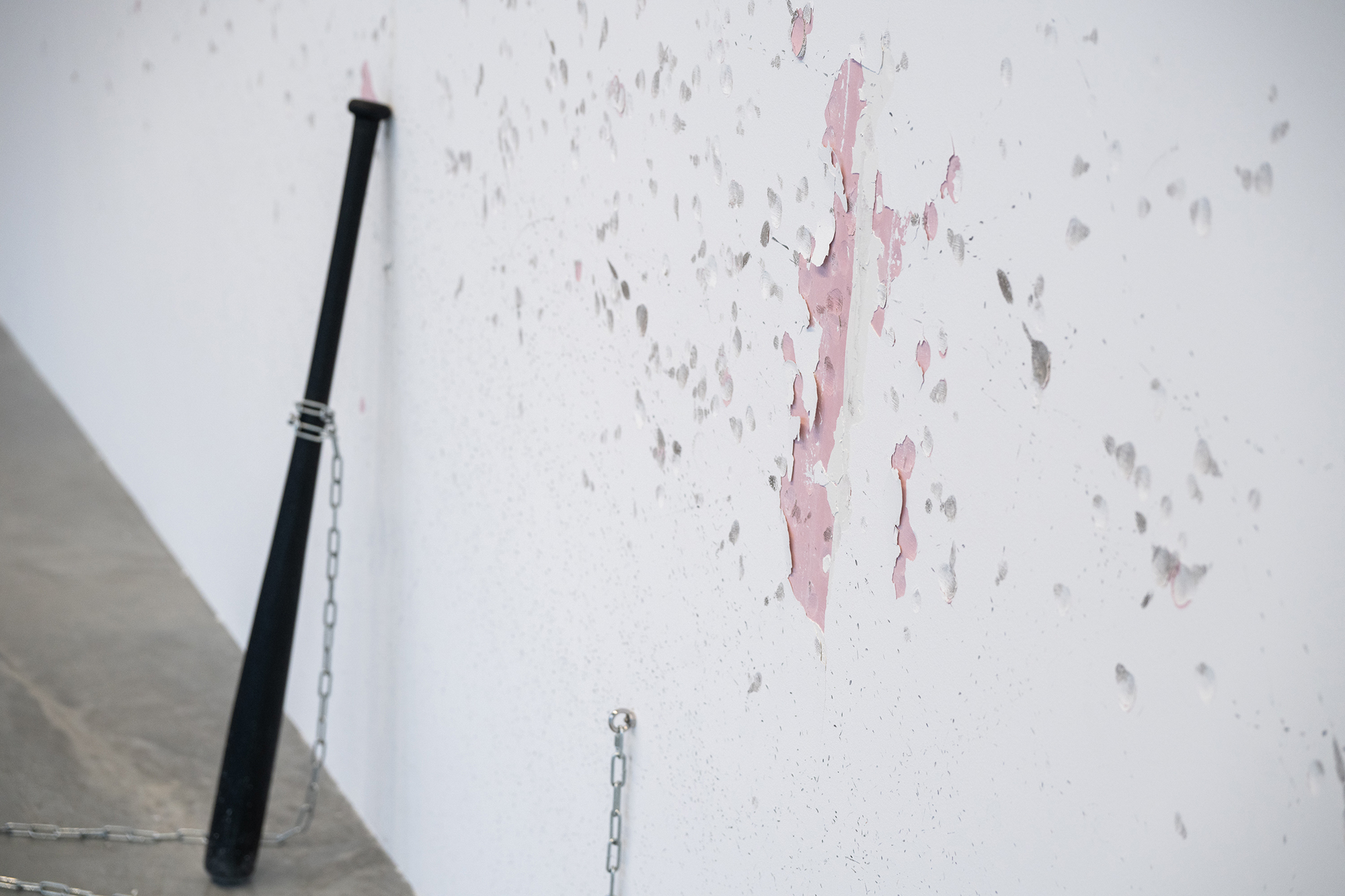
Swinging the baseball bat leaning by the entrance against the wall – an iteration of Marco Fusinato’s Constellations (2015–25) – sends out a 125-decibel boom that causes nearby visitors (including anyone, as a video meme points out, using the toilets) to tremble. Nearby, stepping through a wooden arch accented with neo-gothic crosses – Hugh Hayden’s Untitled Threshold (After Victor Horta After Charleston) (2019) – sets off the beep-beep of a metal detector. These works could fuel several conceptual readings (the latter was conceived in the wake of the 2015 Charleston church shooting, the wall text points out), but the message here seems to be, simply: this is a show we want you to inhabit, and feel, rather than passively observe.
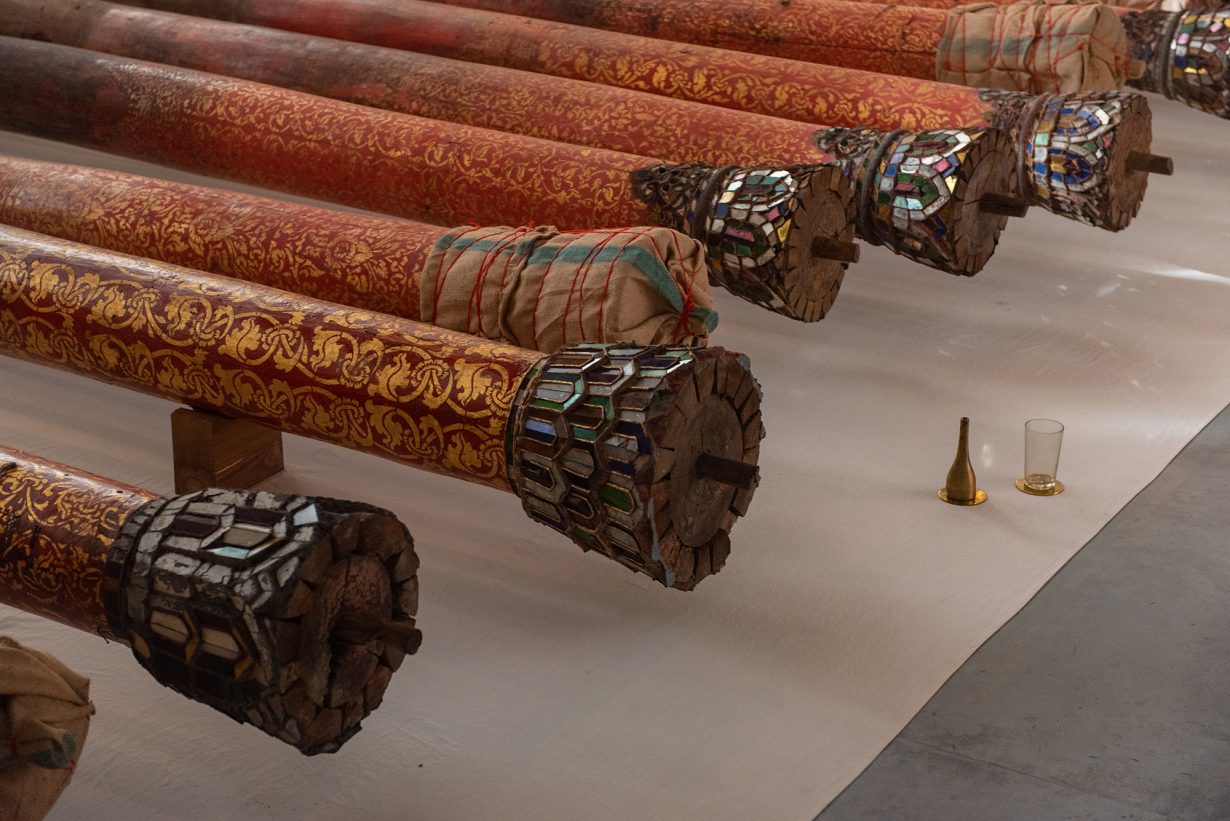
Unsurprisingly for an exhibition that wheels out broad yet weighty topics – the wall texts speak of ‘what it means to be human’, ‘what lies beyond’, the ‘enduring presence’ of absent individuals – the governing mood as you work your way through the galleries is one of dark contemplation, a brooding melancholy. Powerful small works include Hiroshi Sugimoto’s Tri-City Drive-in, San Bernardino (1993), a photograph of an outdoor cinema screen exposed over the full duration of a movie – hours of light and action compressed into a piercing white rectangle. An entrancing larger work is Somboon Hormtientong’s The Unheard Voice (1995): nine wooden temple pillars arranged like a row of corpses on the ground, each shrouded in fabric and overseen by the room’s large rectangle window that looks out onto swaying treetops.
What unfolds, as you make your way past oneiric works of this nature, is a thematic show that veers towards solipsism and ahistoricism, that seems largely (although not totally) uninterested in social content, time periods or human figures – an experiential treatise, perhaps, on the nature of memory and spirituality. However, somewhere around the midpoint I sense that another, altogether more practical and sanguine MO is in play – one through which Dib comes to seem less detached from its local context than first thought. Alongside a pathos stemming from many works’ roots in mortality and introspection, there is, in terms of representation, a quiet advocacy in the air: almost a quarter of the artists featured are Thai, yet the inclusion of their works never feels overgenerous, or forced.
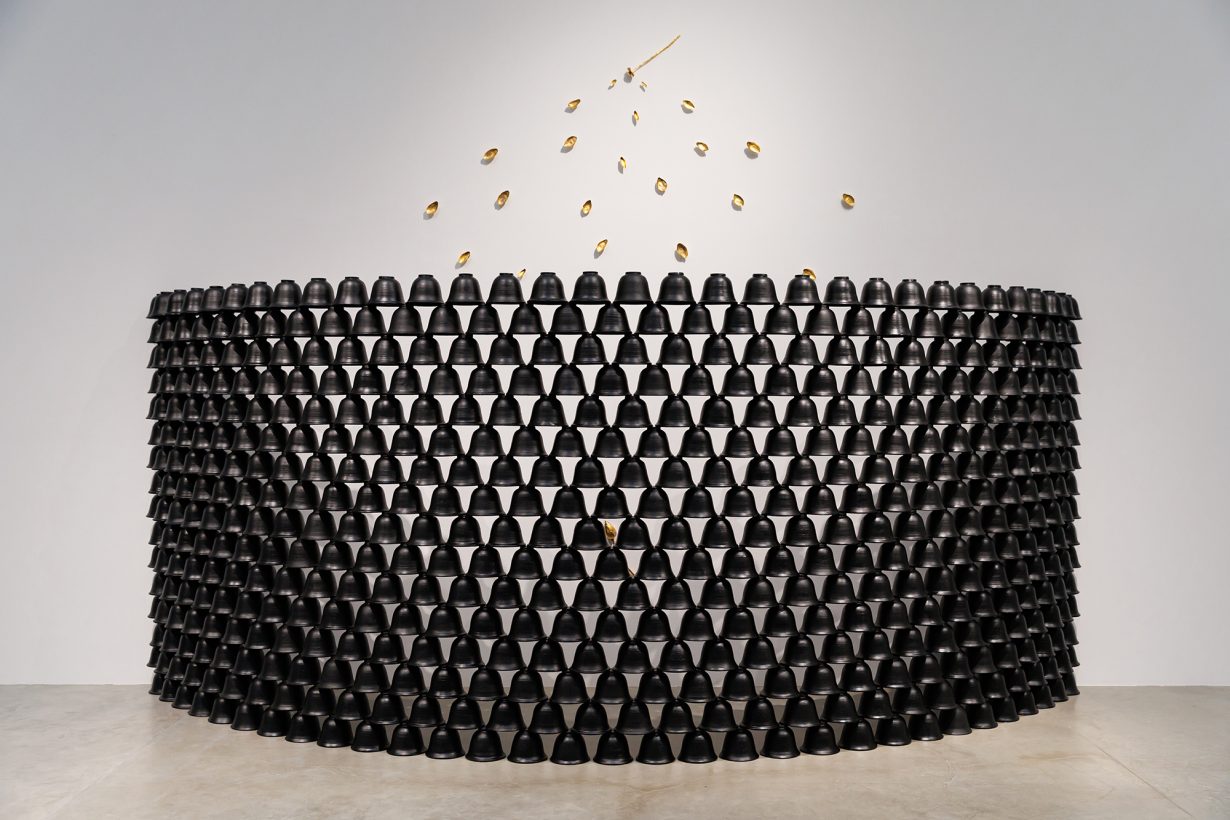
You could argue that this ratio merely reflects Osathanugrah’s collecting habits, but such juxtapositions serve to state, implicitly, that Thai artists deserve equal critical weight – that they can hold their own against those lionised by the international artworld. Aside from serving Thai artists, this approach leaves one with the impression that, if done well, it also serves Thai art history, furthering its evocation and enrichment at home. On the top floor, a room featuring an astonishing installation by Anselm Kiefer (Der verlorene Buchstabe, 2019) sits next to two wondrous rooms dedicated to the works of the late Montien Boonma, the Thai 1990s figurehead whose clay handprints, walls of bell-shaped vessels and transfiguration of hen cages, soil, herbs and candle wax still command awe and respect in the country today, albeit usually from afar.
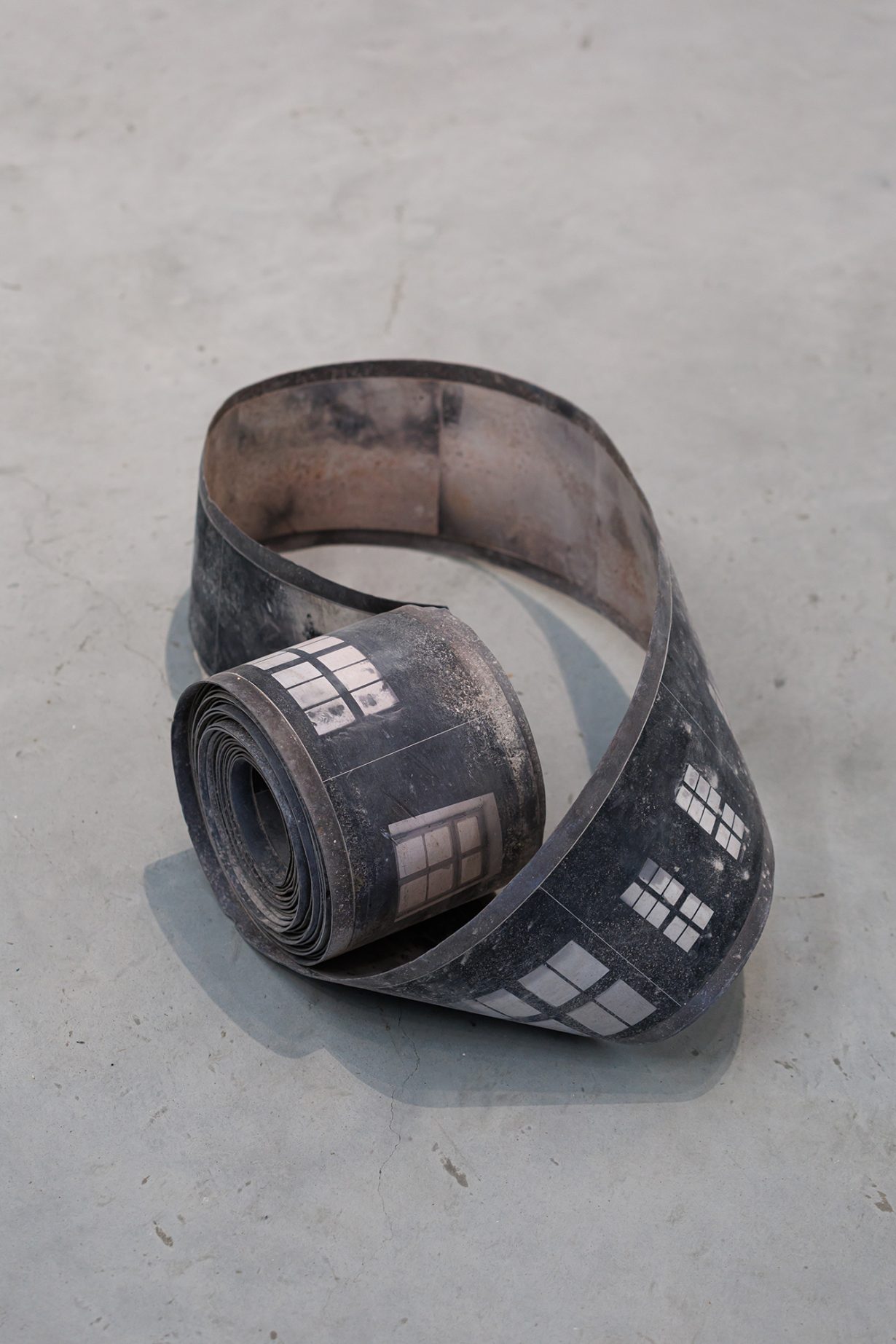
In addition to offering a specular finish, this display redirects the story of Thai contemporary art away from the spectre of nation, religion and monarchy, or strands of local modernism and ‘Thainess’, that so often dominate its discussion, and towards Boonma’s studies in Paris and Rome, where the potential of the found and the organic roused something in him. To stand in and look up into his Zodiac Houses (1998–99), a series of metalwork structures created during his spell in Stuttgart, connects us with his soulfulness and story in a way no textbook can; and to have them sitting near Kiefer’s monumental work adds yet another layer of gravity, anchors them, and us, within the borderless realm of the mythic. What Thailand needs, and Dib will offer, these rooms suggest, is not a mirror that dutifully reflects the country back at itself, but a portal into other worlds – worlds that, while hitherto invisible to Thai audiences, its artists have long been informed by, or dwelt in.
(In)visible Presence at Dib Bangkok, through 3 August
From the Spring 2026 issue of ArtReview Asia – get your copy.