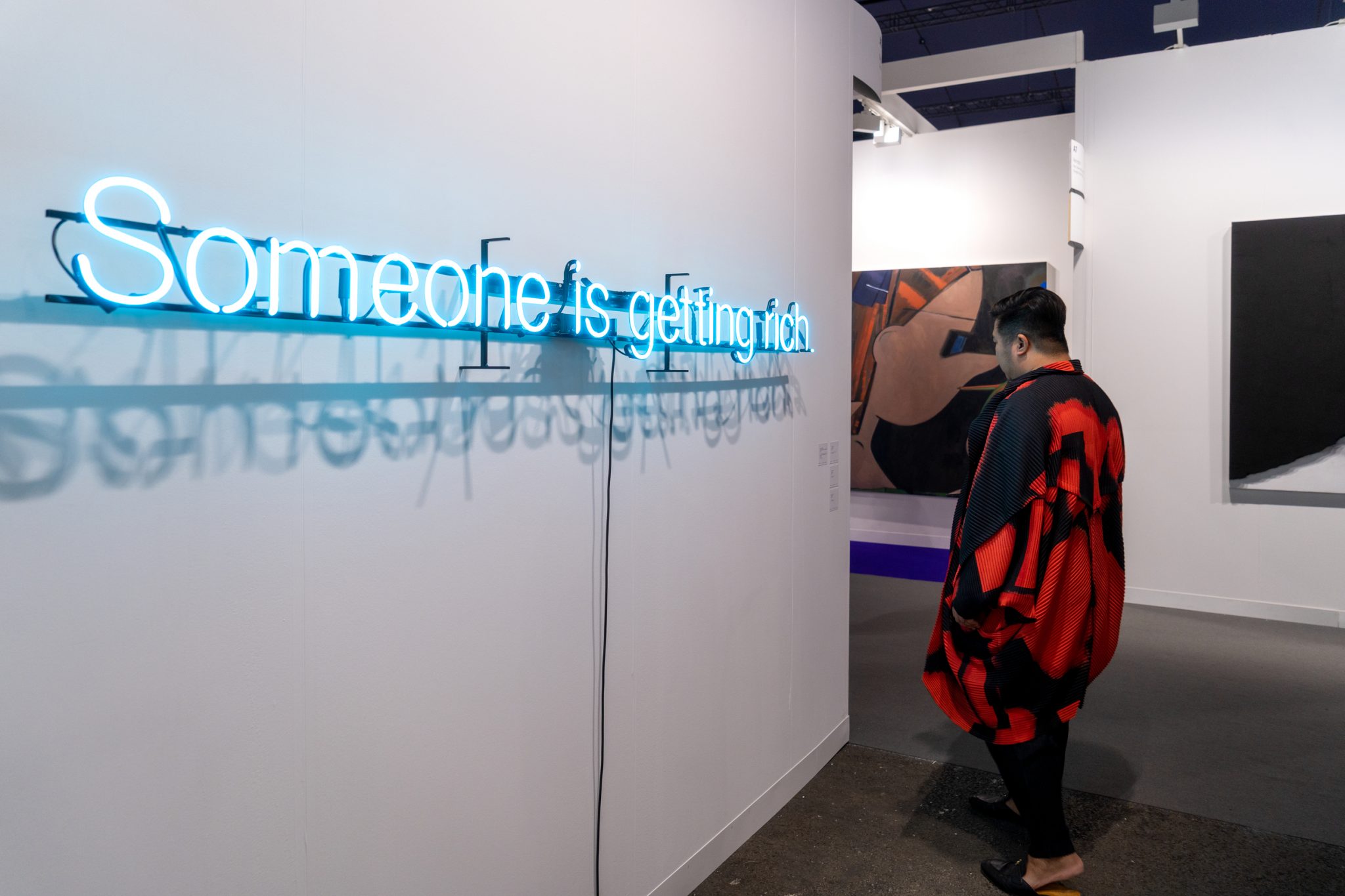
Does any true wilderness still exist on this earth?
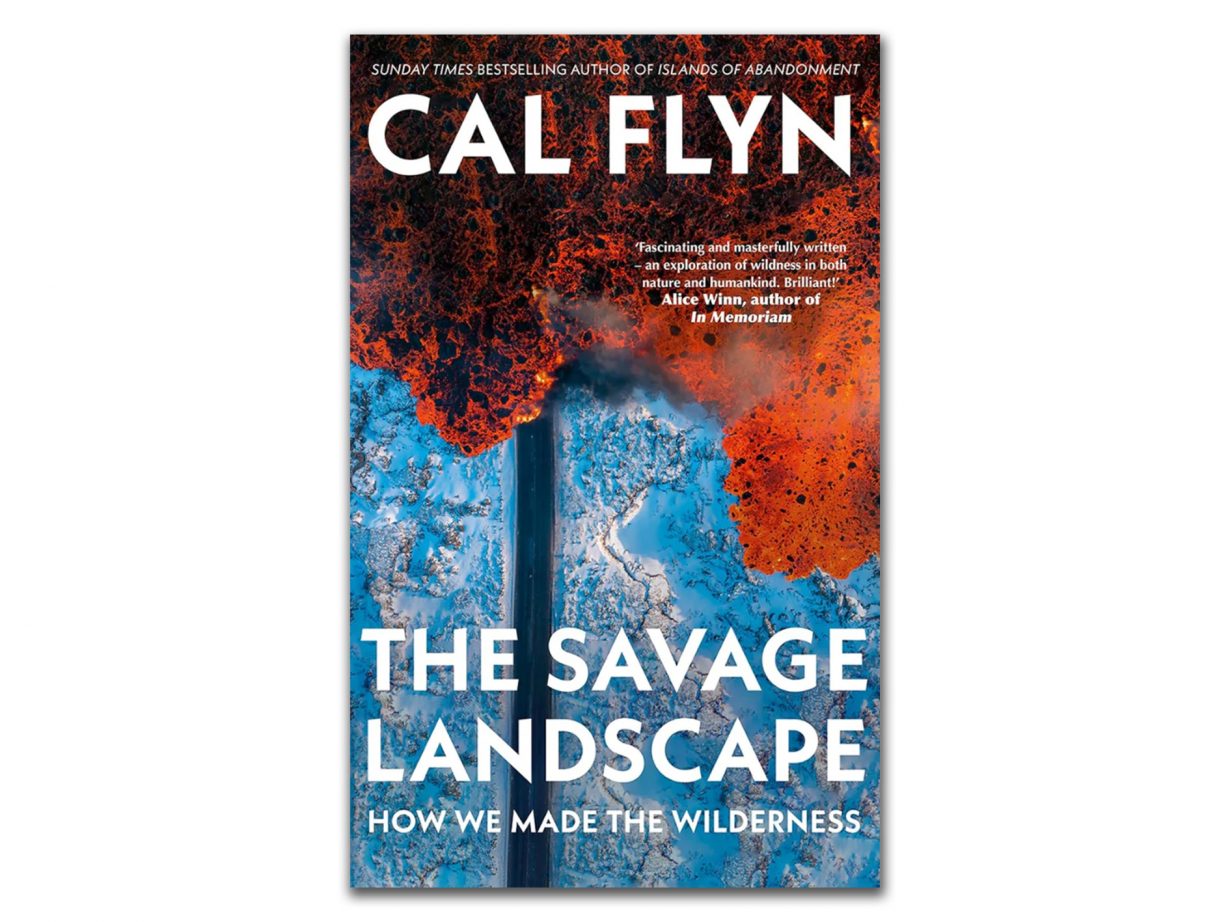
The central question of The Savage Landscape is whether any true ‘wilderness’ still exists on this earth. Wilderness in scare quotes because, Cal Flyn reflects, the term is defined by human absence, but is largely contingent on human action. As we approach a point at which every spot of land will be explored and mapped, those territories that remain truly wild – savage even – are few, their existence largely determined by the grace of humans. Even the deepest ocean bed is becoming subject to the cartographer, forever the precursor to the despoiler, Flyn points out.
This book documents the Scottish writer’s travels, from the Brazilian Amazon to the Sinai Desert, Antarctica to Iceland’s volcanoes; her sublime descriptions of some of the most remote places in the world are a joy in their own right, but Flyn undercuts the travelogue with difficult ethical dilemmas that give the book a powerful, tricksy, narrative. She asks us to consider, for example, the plight of the Batwa people, shut out from their own territory in Uganda by the government and global conservation charities, some of whose staff have been found to commit atrocities against them (in neighbouring DR Congo), in the name of protecting the bush pig, the jackal and, most famously thanks to Dian Fossey and the film Gorillas in the Mist (1988), the great apes who make the forests their home (Fossey too was known to assault and torture in her efforts to maintain the gorillas’ peace). Things get even more ethically murky when Flyn accompanies big-game hunters in Mozambique – queasy-making wealthy Westerners who pay thousands to shoot lions and the like – but whose bloodthirsty dollars provide the necessary funding to preserve fast swathes of forest and wider species. She interrogates her own bias too, noting that she often feels ‘hampered by my own scientific training, my habitual clutching at rational argument’, observing that some of the best-preserved terrains have been protected not by research and education but by the mythologies of their indigenous people. The yulsa spirits of the Nepalese Bon people have offered more light-touch protection to their mountainous territory than any number of NGOs or government military might.
It feels that any attempt to escape the Anthropocene’s curse is doomed to failure; though fear emerges as one possible antidote. Not of the hysterical kind, but a precolonial respect for the unknown, a fear of predators real and imagined. For Flyn, the irony not lost on the author, the age of human exploration and documentation has been our greatest triumph and the world’s great undoing.
The Savage Landscape: How We Made the Wilderness by Cal Flyn. William Collins, £20 (hardcover)
From the Summer 2026 issue of ArtReview – get your copy.