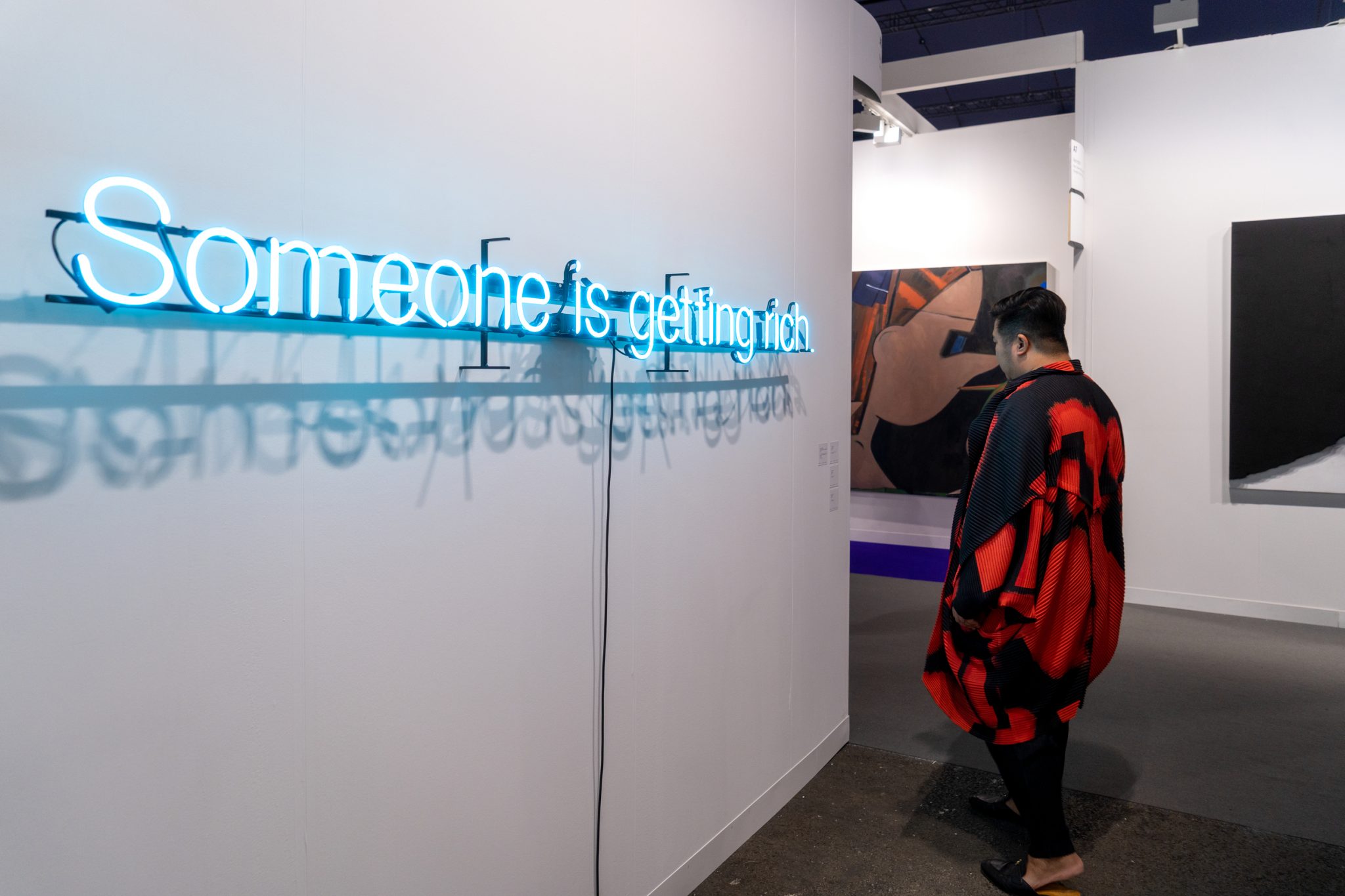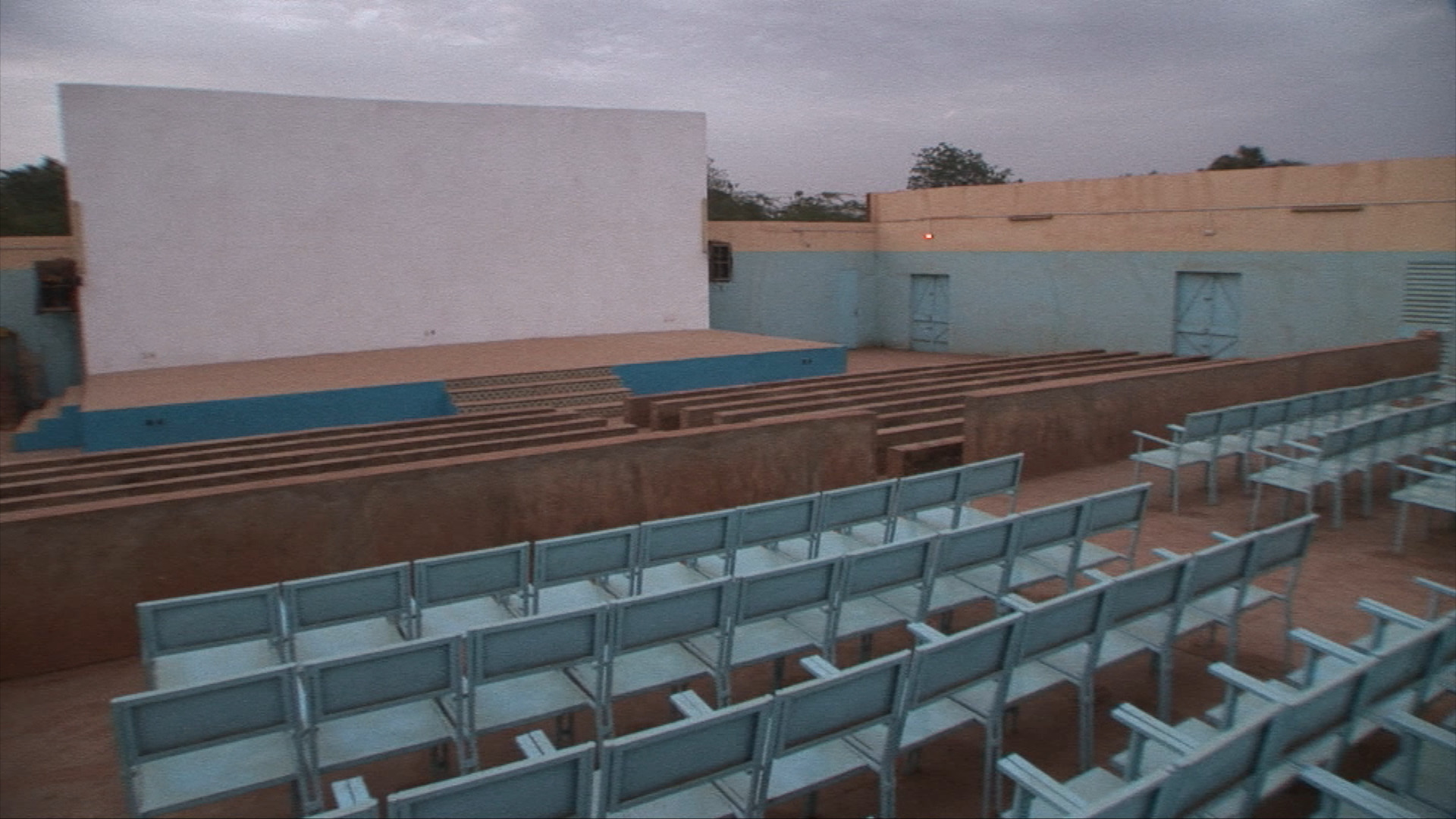
“As a filmmaker, my question about AI, for example, is how do I do something better than it?”
Mark Cousins enjoys showing us things we haven’t seen before. As a filmmaker and writer, his work has repeatedly challenged the way cinema history is told: attempting to expand the canon, rediscover overlooked filmmakers and remind us that film has always been a much bigger, more global story than Hollywood would tell it.
In his book and subsequent 15-hour series The Story of Film (2011), Cousins argued that to understand film properly we have to look beyond the familiar centres of America and Europe, to places like Cuba, Senegal or Iran. With Women Make Film, his 14-hour series from 2018, he placed women directors at the centre of the story.
His new film, The Story of Documentary Film (2026), arrives 100 years after John Grierson coined the term ‘documentary’, and continues a familiar mission: to recover and retell a neglected history. Told across 16 chapters, the serialised film traces documentary’s evolution in broadly chronological order, taking in stories from around the world. Yet, like much of Cousins’s work, the scale never feels impersonal. When you watch one of his films, it’s as though he’s sitting beside you, his hypnotic Belfast accent a whisper in your ear as he shares his discoveries and reflections. I spoke to Cousins recently at Sheffield DocFest, where he had just screened a chapter from the new film.
Here, This, Now
ArtReview In The Story of Documentary Film, you describe documentaries as representing “a new kind of consciousness”. What do you mean by that?
Mark Cousins I took that phrase from Béla Balázs, the Hungarian theorist. Before documentary cinema, there were ways of recording reality, like a photograph, for example. But a photograph is, by definition, in the past. The documentary felt more present. What documentaries, especially those early documentaries, were saying was: Look, you are in this world, like that baby, or that pyramid, or that tree. It was something like a Rilke poem, in the way that he talks about bearing witness to the world. And so that’s a new type of consciousness. It’s saying, Look: here, this, now.
AR What role have documentaries played in creating social and political change? Do documentaries record history or do they write history?
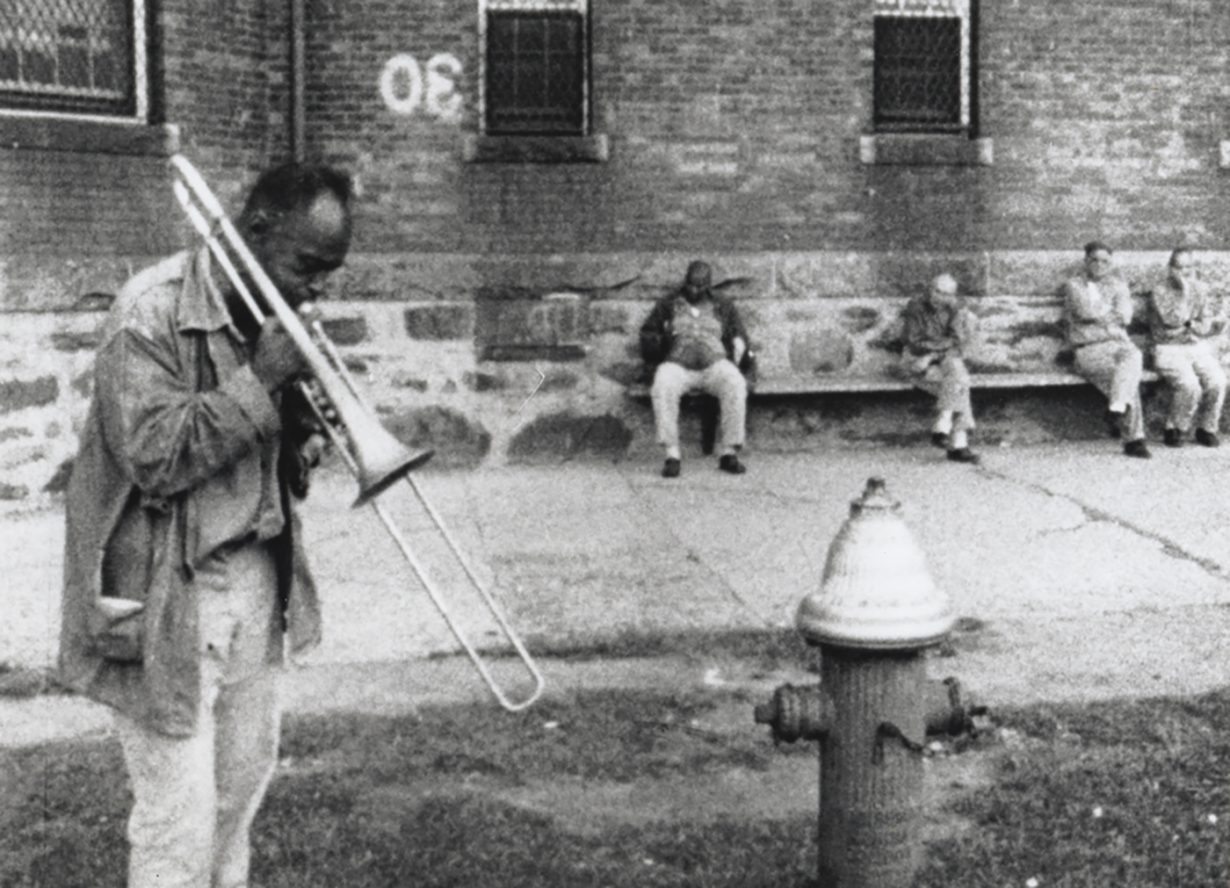
MC Both. There are specific documentaries we can name throughout movie history that have led to actual legislative change or social change. Titicut Follies (dir. Frederick Wiseman, 1967), for example. If you look at Japan in the 1970s, a lot of those environmental documentaries by Noriaki Tsuchimoto have led to actual change.
Documentaries feel present, but they’re a little bit behind the times. So when the Vietnam War protests came along, for instance, it was the nightly TV news that was doing more work in terms of informing the American public. But the films that came along quite soon afterwards, within a year or two of the events, were writing history in a way. They were giving a context to what was happening, which the TV news seldom did.
Documentaries take a while to make, let’s say it’s going to be a year after the event that it’s describing and, if it’s a good documentary, it’ll provide a broader context and it will write history. And sometimes lie about history as well.
AR We think of documentaries as largely being about speaking truth to power. But, of course, a lot of films have been made by the powerful. I’m thinking of the British Colonial Film Unit, or the Nazis, for example. Does The Story of Documentary Film address those films, the films made by the powerful?
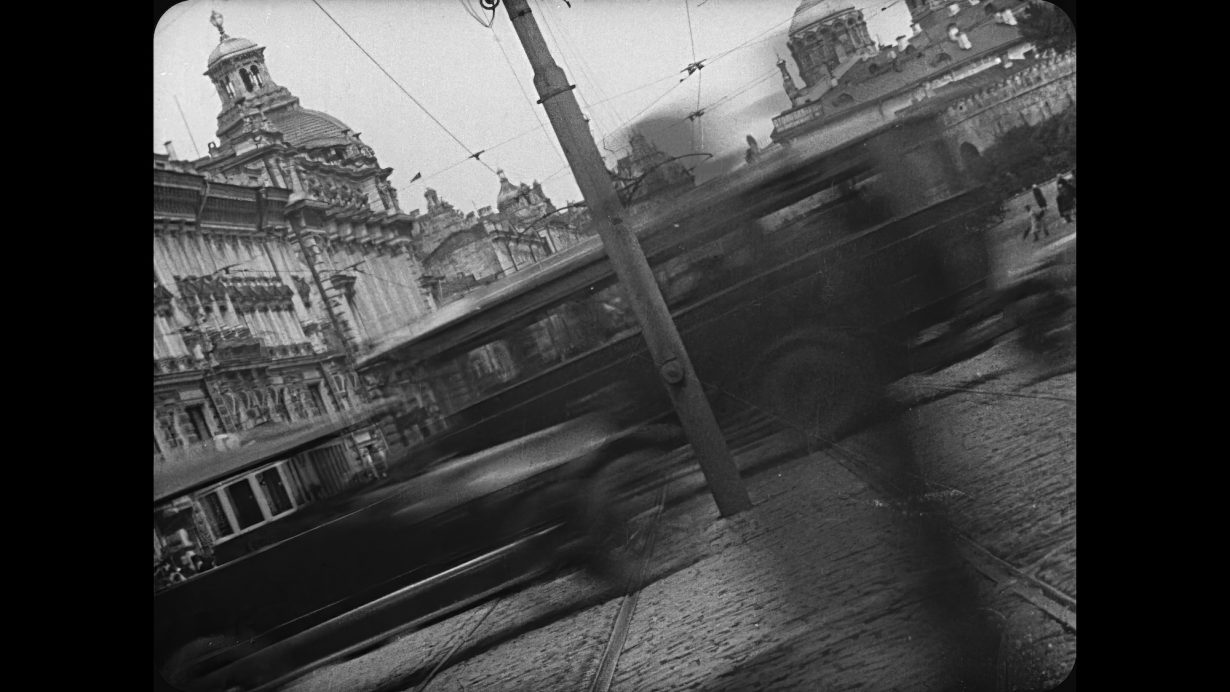
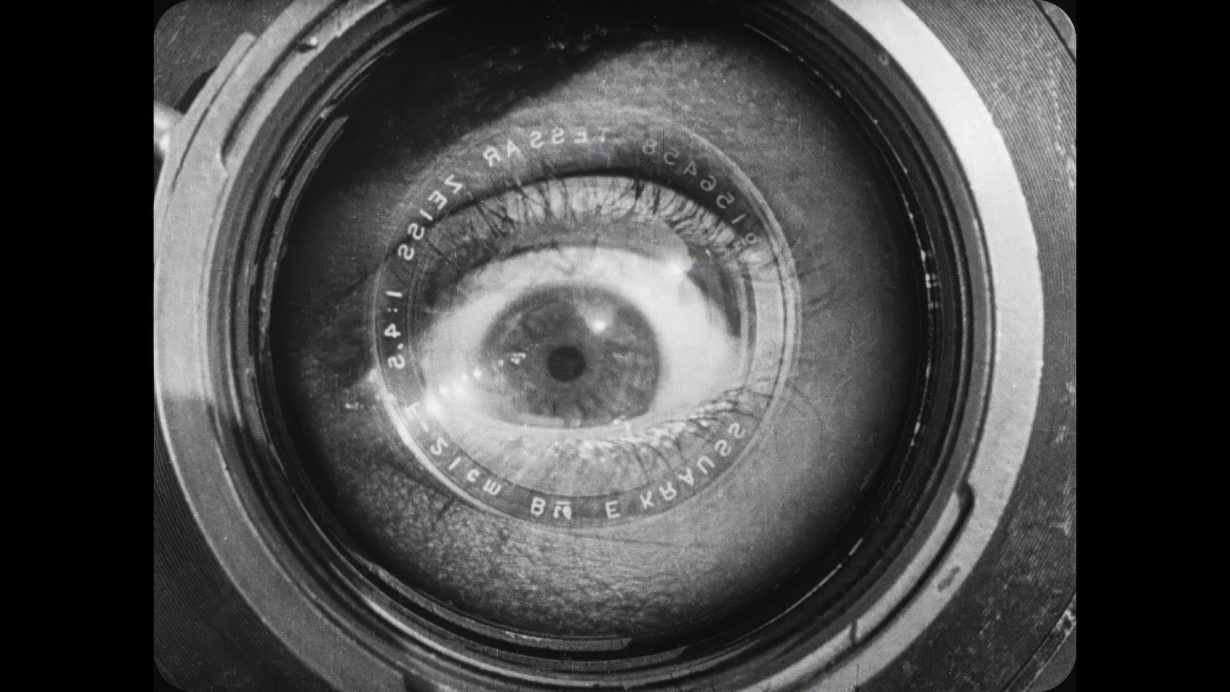
MC Yes, very much so. I look at ideological cinema throughout: leftist ideological cinema, like Dziga Vertov, for example, or Eisenstein. These are screaming ideologues, though what they were saying was truer than what Leni Riefenstahl was saying.
It’s exactly 100 years since John Grierson first used the word ‘documentary’. His idea was that documentaries should be paid for by the government to educate the people so that they are informed enough to vote. That’s a decent, liberal, democratic concept. The government pays to educate the people so they can vote.
However, it’s a top-down thing, or shall we say, sideways thing. It isn’t the grassroots expressing a worldview in order to improve their society or their living conditions. So the Griersonian idea, which is pretty good and went all around the world, and feels very, very good at a time of the glissando to the far right that we have at the moment in quite a few countries. The Griersonian idea will help solve that because the people in Belfast who are rioting [anti-immigration riots in early June 2026], they’re rioting because they’re ill-informed about the people whose houses they’re trying to burn. So it does come down to information, and documentary, therefore, has a central role in that, even though it’s on the side of the devils as well as the angels. Broadly, it is a force for good. Broadly, it is a bulwark for democracy.
AR What did you learn while making this film?
MC Just content things, first of all. I didn’t really know too much about the atrocities that happened in Bangladesh in the early 70s when over a million people were killed by West Pakistan, and then I started seeing the films of it. I didn’t study history, I’m not a historian, but I knew that a history of documentary film would be a sort of history film about what has happened in the last 130 years in our lives.
There are certain filmmakers whose work I simply did not know. I’m ashamed to say, like Alain Cavalier. The great Egyptian director Ateyyat El Abnoudy, I had only seen one of her films, and I’ve got five of her films in The Story of Documentary Film as well.
More generally, I learnt that I cry a lot. I cried a lot in the edit suite, because some of the material is so upsetting, and I knew that there was no way we were not going to fade to black at certain things. So I did find it emotionally really hard.
Sincerity of the Image
AR In many ways, it’s easier than ever to make a documentary. Technology is smaller and more accessible. Anyone can make a documentary with their phone. But on the other hand, people are more suspicious about being in front of the camera. It seems that, in the past, people were more willing to do unspeakable things despite a camera being present. I’m thinking of Titicut Follies, for example. With that in mind, do you think it’s easier or harder to make a documentary today compared to the past?
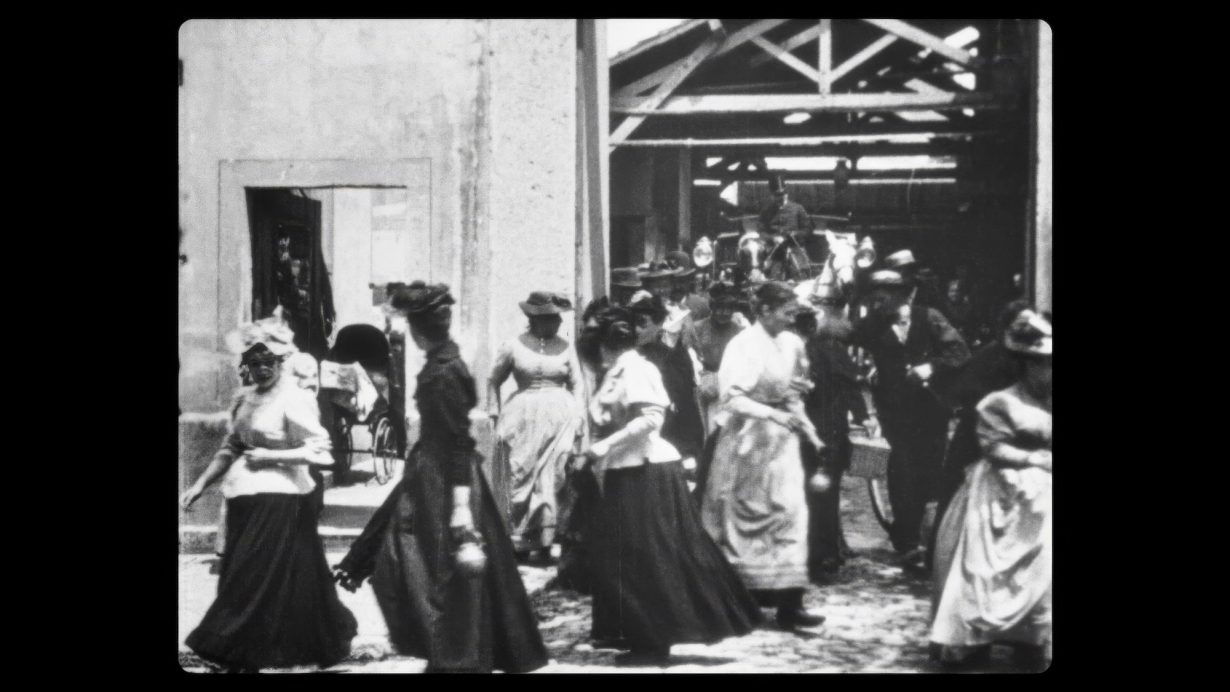
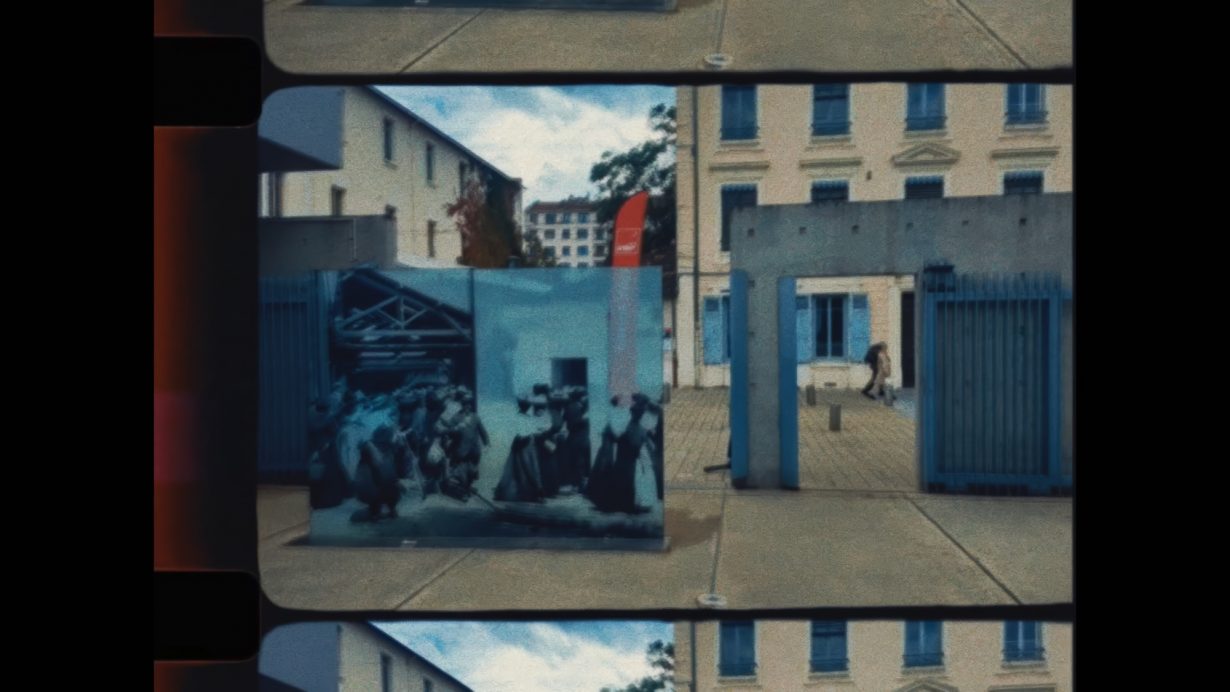
MC I think that’s an interesting point about suspicion. I would turn that on its head and ask about sincerity in image making. When you look at those very first Lumière brothers films, for example, they were so sincere. It was like, here’s a baby, here I am drinking coffee, here’s somebody on their bike going down the street. Everyday things. That’s all it was. And what are TikToks? The same sort of thing.
One of the last films I have in The Story of Documentary Film, way towards the end of the 16th hour, is a TikTok of somebody who’s just bought a Chinese takeaway and is putting salt on their food. It’s exactly the same impulse as the Lumières’. I’m trying to make an ahistoric point here and say some things have not changed at all. The impulse to say, Look, it’s a nice day. Look, I’ve got food. I’m going to enjoy it. I think that sincerity of the image hasn’t changed.
Now, you’re right. People have become more aware of cameras, but then cameras can be more hidden. So I don’t think that we’re seeing less bad behaviour on screen. I think the cameras are as equal to expose bad behaviour as they did in Titicut Follies because they’re hidden and they’re smaller and they can be elsewhere.
But yes, people who are doing bad things are more informed. Bad actors are more aware of the effect of their work being filmed, like the rioters in Belfast, but cameras are still as able to expose bad behaviour as they ever were. So I think one of the things I’m trying to say in The Story of Documentary Film is that we all think our age is special or unique or full of cultural and social and political anxiety. And we are, but my point is that across the history of documentary, in many ways, things haven’t changed. Documentary will always be a force more for good than bad, but also bad. It’ll always be trying to simply bear witness to what it’s like to be alive, but also to write history. All the things that it was doing in those early years, it’s still doing in some way. And it’s tempting to say that we are in a time where things are really changing fast, but in terms of what documentary is, the impulse to make an image, to describe the world and perhaps criticise the world, that’s not changed very much.
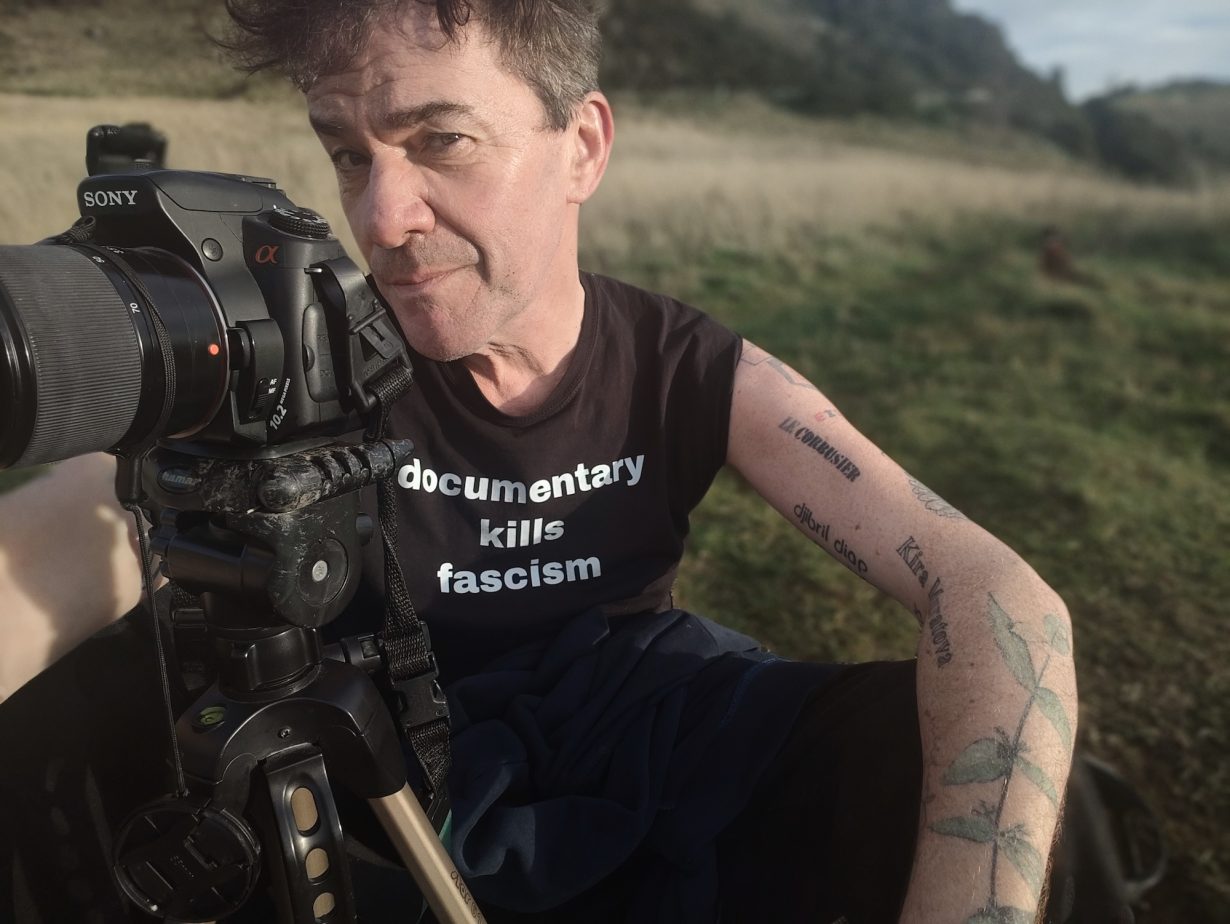
AR When you introduced The Story of Documentary Film at Sheffield Documentary Festival, you wore a t-shirt that said ‘Documentary Kills Fascism’.
MC I’ve made two films about the far right. In one of them, I met neo-Nazis and took them to Auschwitz [Another Journey by Train, 1993], and the other one was about Mussolini [The March of Rome, 2022]. So I know something about the far right.
When you see in countries like India, the classic far right narrative is taking place – rewriting school books for children to change the teaching of history. Documentary can help with that. If they’re convicted, those rioters in Belfast should be made to watch documentaries about people of colour and the sort of people whose lives they’re ruining. They could sit and close their eyes, obviously, but I actually believe that documentary is a kind of solidarity machine, and therefore it could humanise people, it could turn those people into human beings in the eyes of the rioters.
AR I remember reading an interview with D.W. Griffith in which he imagined that one day we would be able to ‘see’ what happened in history through moving images and that there would be no need for books. ‘There will be no opinions expressed. You will merely be present at the making of history,’ he wrote.
MC But D.W. Griffith also said the opposite. He said, ‘Cinema is the wind in the trees’. In other words, cinema’s not trying to tell us anything, it’s not trying to tell us what history is or what our current moment is, it’s just saying: ‘Look, look at the wind in the trees.’ Like Rilke and the idea of just bearing witness. But yeah, he did say that, and he also made one of the most awful and offensive films ever [The Birth of a Nation, 1915].
What he meant is quite simple. I think that cinema is a great storytelling device, and yes it has been telling us stories about our present lives and our past lives for 130 years now. But because it has a tendency to be mythic and dreamlike, then it mythologises history, and makes it dreamlike in some way, in good and bad ways.
Regular Citizens
AR There’s so much talk now about the death of cinema, cinema losing its influence, whether we can even believe in images anymore. How do you think the documentary form will – or should – change in the coming decades?
MC That kind of anxiety that you’ve described about the decline of cinema or the decline in the believability of the image, it’s the sort of thing you hear on [BBC] Radio 4 all the time, so there is a genuine concern about that. Because I see it from a filmmaking point of view, I usually start with a creative question: how did they do this? The whole of The Story of Documentary Film is seen from that perspective.
I don’t so much get involved in the debates about AI, for example. I’m just a regular citizen and no more knowledgeable than other people. I’m deeply concerned if an image has been falsified and I haven’t been informed of that. I need to be informed of that, quite simply. I’m deeply concerned about the way that political extremists, particularly right-wing extremists, are using imagery to create new kinds of mythologies or lies or fears. I’m deeply concerned about the way the current White House is using imagery and AI. But that’s just as a citizen.
As a filmmaker, my question about AI, for example, is how do I do something better than it? It’s exactly what painters had to ask themselves when photography came along. How can I be more interesting, be more innovative than AI can be as a storyteller? In The Story of Documentary Film, I compare Julie Andrews to the moon landing, for example. AI will never do that.
I regularly check in and I ask AI about the history of documentary. The first time I asked it, it basically summarised a book that I did with Kevin MacDonald in 1995 [Imagining Reality: The Faber Book of Documentary]. It told me what I’d already written. So from the creative point of view, it’s a challenge to us. We need to stay ahead of it. It can summarise. But it can’t make the unusual connections, which is basically the definition of creativity.